
Recent market data shows that the price of plain carbon steel represented by Q235B fluctuates around $3,380 per metric ton. Based on this estimate, the raw material cost of a 1/4-inch (approximately 6.35 mm) 4×8 steel plate ranges from about $300 to $400. However, in actual procurement, the final price varies significantly depending on material quality, procurement channels, value-added services, and market dynamics.

I. Price of 1/4-inch 4×8 Steel Plates
According to the latest industry data, the approximate price range of a standard 1/4-inch 4×8 hot-rolled carbon steel (A36/Q235B) plate varies by procurement channel as follows:
The retail price on online metal retailers or B2B platforms is usually between $400 and $550. These channels offer flexible minimum order quantities, with purchases available starting from a single plate, making them suitable for small-scale projects or DIY enthusiasts.
Quotations from local steel service centers or distributors are more competitive, with unit prices ranging from about $350 to $450. They typically serve corporate clients, and their prices may include basic cutting or local delivery, but minimum purchase amounts or order quantity requirements often apply.
For bulk purchases, such as ordering more than 10 plates at a time, the unit price can drop below $320. For large-scale projects, placing orders directly with steel mills or first-tier agents and pricing by the metric ton yields the most cost-effective results.
II. Factors Affecting the Price of 1/4-inch 4×8 Steel Plates
1. Material Quality and Manufacturing Process
Size is not the sole determinant of steel plate prices. Material quality and production processes form the primary dividing line in price differences, and the choice depends on whether your project prioritizes cost-effectiveness, strength, or corrosion resistance.
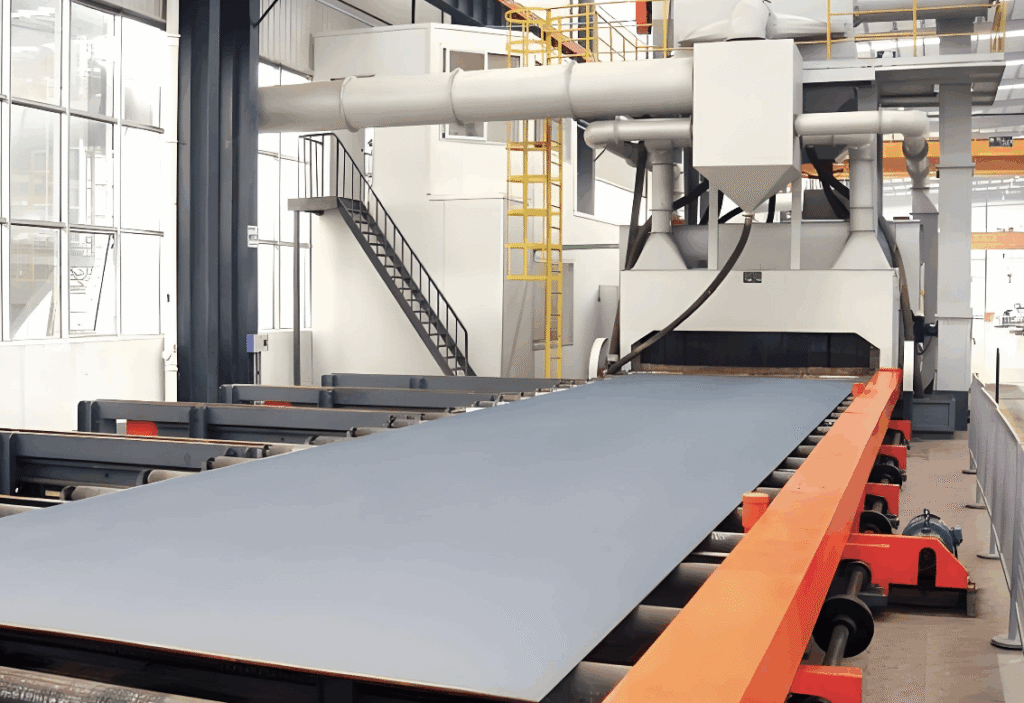
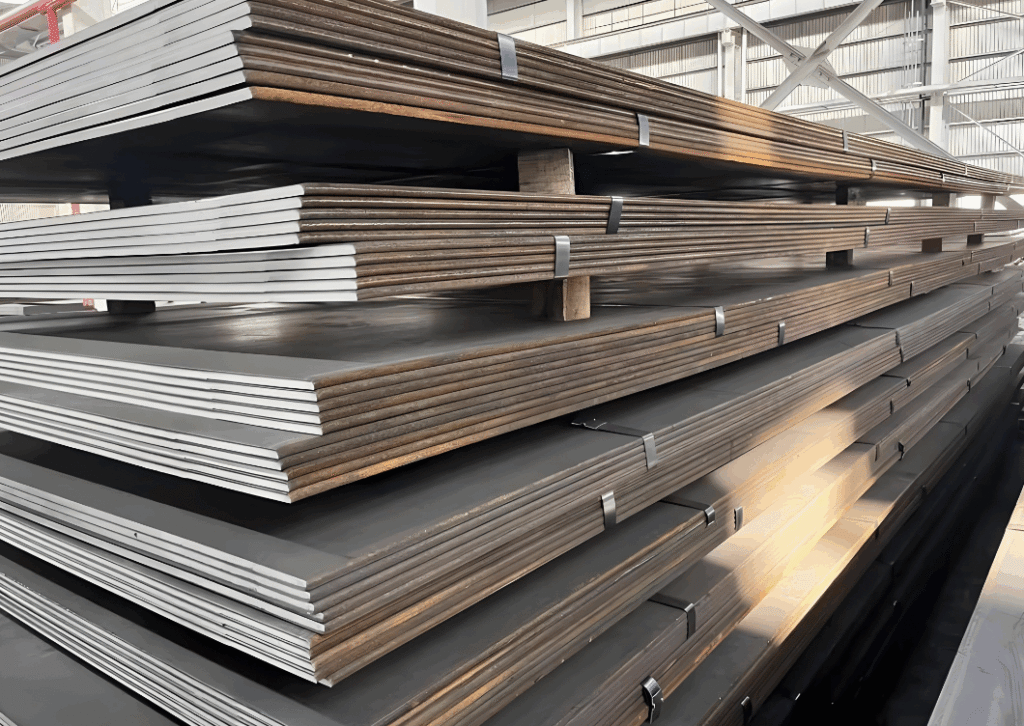
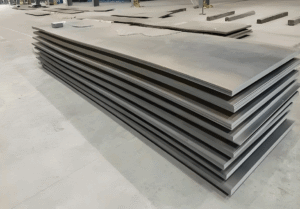
The most economical and common option is hot-rolled low-carbon steel, such as A36 (American standard) or Q235B (Chinese standard). It offers moderate strength and is widely used in building frames, platforms, and general manufacturing, serving as the benchmark for pricing.
Cold-rolled steel plates feature smoother surfaces, more precise dimensions, and slightly higher strength. They are suitable for applications requiring good appearance or precision, such as cabinets and enclosures. Their prices are usually 15%–25% higher than those of hot-rolled plates of the same specifications.
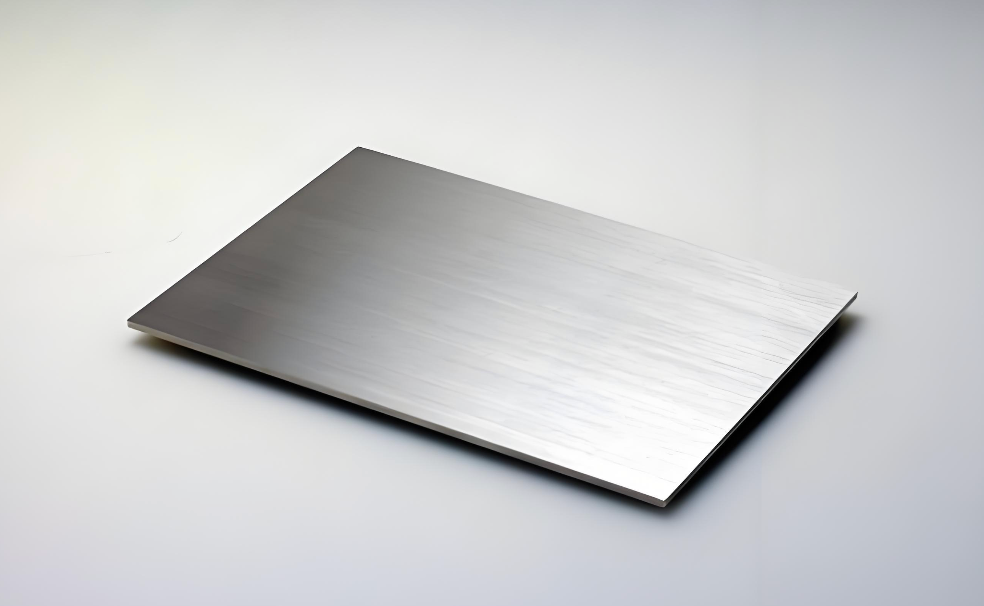
Stainless steel plates belong to a higher price tier. A 4×8 304 stainless steel plate can easily cost over $1,000. Its value lies in excellent corrosion resistance, making it ideal for food processing, chemical engineering, or high-end outdoor construction.
Beyond the base material, surface treatments also increase costs. Hot-rolled plates typically have mill scale, while coated plates like galvalume steel sheets provide additional rust protection, with corresponding price increases.
2. Market Conditions and Procurement Channels
Steel prices are not static. Like tides, they are driven by global economic conditions, raw material costs, and trade policies. Understanding these factors is key to determining the optimal timing for procurement.
Raw materials and macroeconomic factors are the fundamental drivers. The costs of iron ore, coke, and scrap steel are directly passed on to finished steel prices. Recent data indicates a slight weekly decline in the price of plain carbon medium and heavy plates, which is a normal market fluctuation.
Purchase volume is the most controllable bargaining lever. Unit prices can differ by as much as 30% or more between buying a single plate at retail and purchasing 25 metric tons in bulk. Clarifying your actual demand and consolidating purchases often results in the greatest cost savings.
Geographic location and logistics constitute “hidden costs”. Quotations from local distributors may include delivery fees, while the FOB (Free on Board) and CIF (Cost, Insurance and Freight) prices for online purchases can differ by a substantial shipping cost. For heavy steel products, transportation fees should never be overlooked.
III. Four-Step Process to Secure the Best Steel Plate Quotations
First, clearly define and document your requirements in writing. This includes: specific material grade (e.g., A36), precise dimensions (1/4” x 4‘ x 8’), required quantity, surface treatment specifications (e.g., mill scale removal), and any processing services (e.g., cutting into custom shapes).
Second, obtain quotations from multiple channels. It is recommended to contact at least 3–5 suppliers, including local metal service centers, regional steel distributors, and B2B platforms such as Alibaba International. When requesting quotes, be sure to provide the detailed list of requirements prepared in the first step.
When asking for quotes, always inquire about the “all-inclusive price”. You need to clarify not only the unit price of the plates but also: is the price tax-inclusive? How is freight calculated? Are there minimum order quantities or order fees? What are the pricing standards for processing services (e.g., cutting, drilling)? What are the payment terms?
Finally, conduct a comprehensive evaluation rather than focusing solely on price. Balance factors such as price, delivery time, supplier credibility (ask for certification credentials if needed), and after-sales support. For critical projects, material reliability and on-time delivery may be more important than the lowest price.
IV. Frequently Asked Questions
How much does a 1/4-inch 4×8 steel plate weigh?
The density of steel is approximately 0.283 pounds per cubic inch. Calculation: 0.25 inches × 48 inches × 96 inches × 0.283 lb/cubic inch ≈ 326 pounds (about 148 kilograms). This weight poses requirements for handling and transportation.
How to choose between hot-rolled (HR) and cold-rolled (CR) plates?
Hot-rolled plates are cost-effective and have mill scale; they are commonly used in structural framing and other applications where surface finish is not a primary concern. Cold-rolled plates feature smooth surfaces, precise dimensions, and slightly higher strength but come at a higher price. They are suitable for machine panels or workpieces requiring painting.
Can I request suppliers to cut plates to my custom dimensions?
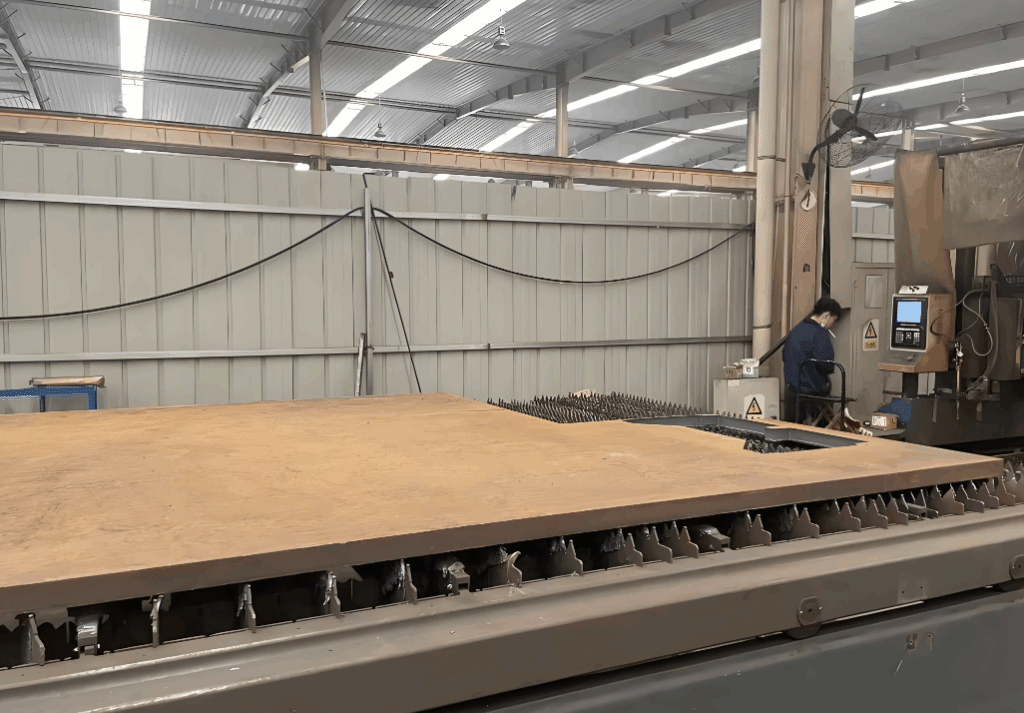
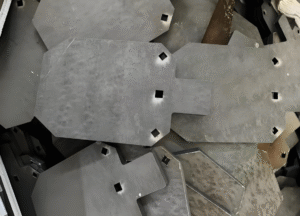
Most local service centers and online suppliers offer cutting services. This typically incurs additional charges based on cutting length or time, but it can save you time and tool costs for subsequent processing.
V. Conclusion
As we have seen, the final price of a seemingly simple 1/4-inch 4×8 steel plate is not an isolated figure but a dynamic result shaped by material selection, market fluctuations, procurement channels, and hidden costs.


 English
  Spanish