
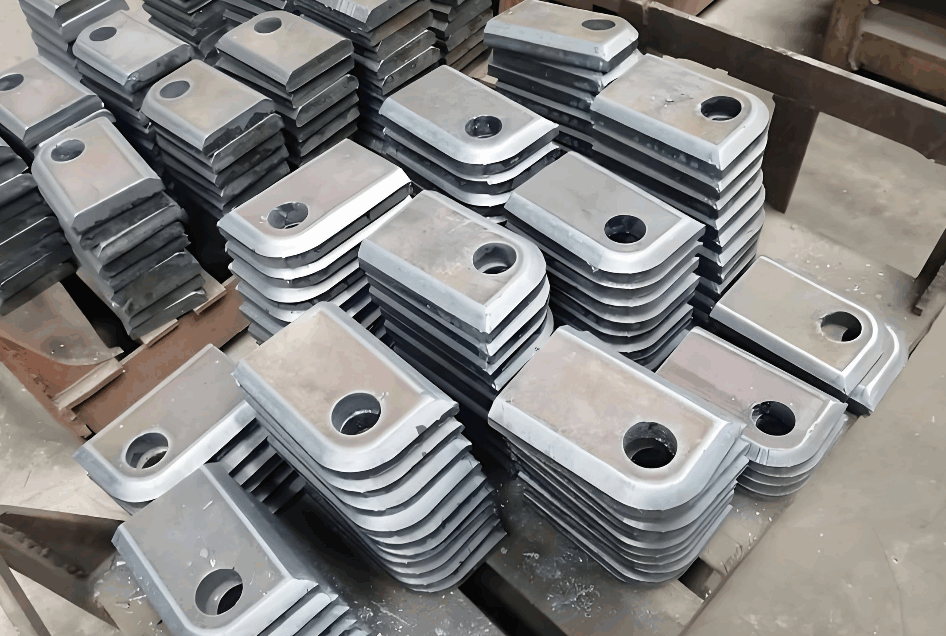
A 1/4-inch steel plate (i.e., 1/4 steel plate, with a thickness of 0.25 inches or approximately 6.35 millimeters) is a widely used basic plate in the steel industry. Boasting moderate thickness, excellent processability, and high cost-effectiveness, it has become one of the core materials in construction engineering, machinery manufacturing, auto parts, and other fields. Whether professional purchasers are screening suppliers, technical personnel are conducting scenario-based selection, or beginners are learning basic parameters, a comprehensive and accurate set of information is required as a decision-making basis. This article systematically analyzes the key information of 1/4-inch steel plates from four dimensions: pricing, core specifications, performance adaptability, application scenarios, and procurement guidelines.
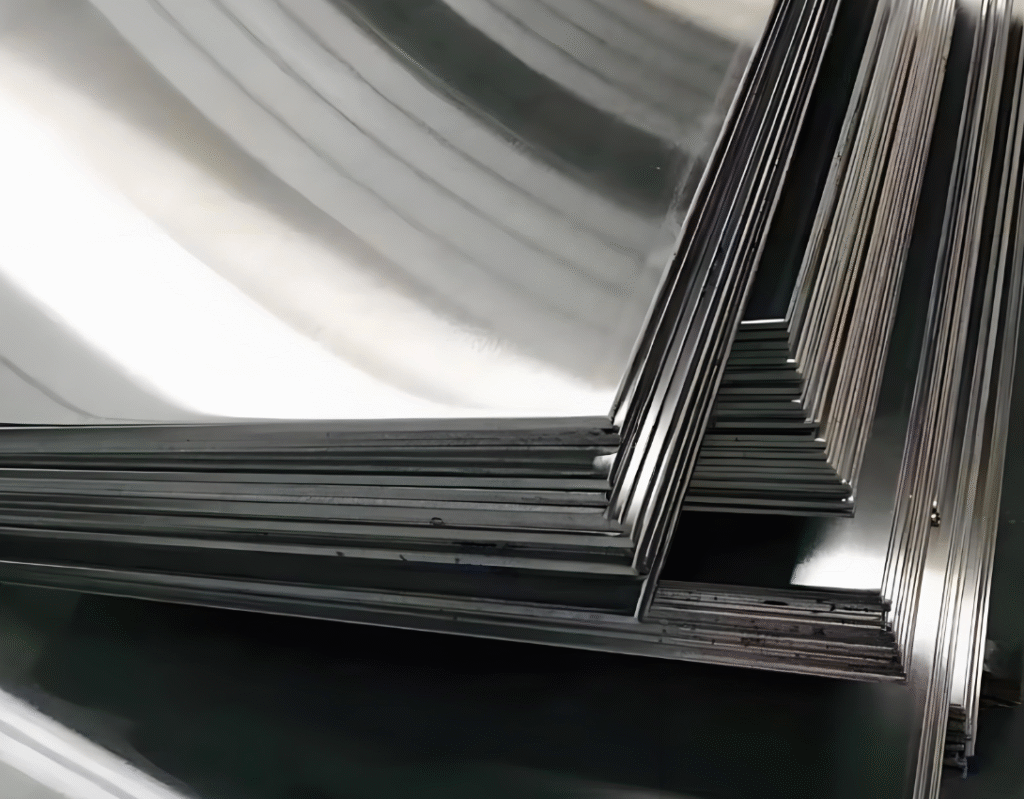
I. Price of 1/4-Inch Steel Plates
Based on the 2025-2026 market trends, the domestic market price references for 1/4-inch steel plates of different materials and processes are as follows (unit: yuan per ton):
① ASTM A36 hot-rolled carbon steel plate: 3,400~3,800 yuan/ton;
② 1018 cold-rolled carbon steel plate: 3,800~4,200 yuan/ton;
③ Hot-dip galvanized carbon steel plate: 4,500~5,000 yuan/ton;
④ 304 stainless steel plate: 18,000~22,000 yuan/ton;
⑤ 4140 alloy steel plate: 8,500~9,200 yuan/ton. International market prices (unit: US dollars per ton): ASTM A36 hot-rolled carbon steel plate: 650~720 USD/ton, 304 stainless steel plate: 2,800~3,200 USD/ton. Prices are subject to significant fluctuations due to exchange rate changes.
Core Factors Affecting Prices
The price of 1/4-inch steel plates is influenced by the interaction of multiple factors, which need to be comprehensively predicted during procurement:
- Raw Material Costs: Fluctuations in the prices of raw materials such as iron ore and coking coal are the core drivers. Mine production cuts and tight supply-demand of coal and coke will push up costs, which in turn force the price of steel plates to rise.
- Downstream Demand: Increased infrastructure investment and the recovery of machinery manufacturing and automotive industries will boost terminal consumer demand. Especially in the traditional demand peak seasons of Q2-Q3, it is likely to drive price increases.
- Industry Supply: The normalization of steel mill capacity replacement and production reduction maintenance, coupled with the improvement of industry concentration, will shift the market supply-demand pattern from loose to tight balance, which tends to lead to price increases.
- Macroeconomic Situation and Policies: The pace of global economic recovery and the recovery of the domestic real estate industry will suppress or release demand. Tighter environmental protection policies will increase the production costs of steel mills.
- Processes and Customization: Processes such as cold rolling and galvanizing have higher costs than hot rolling. Customized specifications (non-standard sizes, special materials) are 10%~30% more expensive than conventional specifications due to low production efficiency.

II. Core Specifications and Parameters of 1/4-Inch Steel Plates
1. Core Dimensions and Tolerance Standards
The size specifications of 1/4-inch steel plates are based on thickness as the core benchmark, combined with different widths and lengths to form diversified combinations. Among them, high-frequency specifications have become mainstream products in the market due to the high concentration of application scenarios.
- Standard Specifications: The most common is 4×8 feet (approximately 1.22×2.44 meters) flat plate. In addition, there are conventional specifications such as 1×18 inches, 2×4 feet, and 3×6 feet, which can meet the needs of batch processing and standardized construction. Customized specifications can adjust the width (up to 1.8 meters) and length (up to 12 meters) according to project requirements, suitable for special engineering or mechanical parts production.
- Tolerance Standards: It complies with the international ASTM standard and domestic GB/T 709—88 standard, with a thickness tolerance of ±0.001 inches (approximately ±0.025 millimeters). The width and length tolerances vary slightly with specifications. For regular models (width ≤1.5 meters, length ≤6 meters), the width tolerance is ±5 millimeters and the length tolerance is ±10 millimeters; for oversized models (width >1.5 meters or length >6 meters), the tolerance range will be moderately relaxed, with a width tolerance of ±8 millimeters and a length tolerance of ±15 millimeters. It should be noted that the squareness deviation shall not exceed 1.0%, and the camber shall not exceed 3 millimeters per meter to ensure the accuracy of plate processing and assembly.
2. Weight Calculation Method and Examples
The core of weight calculation for 1/4-inch steel plates is “volume × steel density”. The density of different materials is slightly different. The density of conventional carbon steel plates is calculated as 490 pounds per cubic foot (approximately 7,850 kilograms per cubic meter). The specific formulas and examples are as follows:
- Universal Calculation Formulas: ① Imperial unit: Weight (lb) = Length (ft) × Width (ft) × Thickness (in) × 490 (density of carbon steel plate, lb/ft³); ② Metric unit: Weight (kg) = Length (m) × Width (m) × Thickness (mm) × 7.85 (density coefficient of carbon steel plate, kg/m³·mm).
- Typical Examples: Weight calculation of 4×8 feet 1/4-inch carbon steel plate: imperial result is 4×8×0.25×490 = 3,920 pounds; converted to metric, 4×8 feet is approximately 1.22×2.44 meters, thickness is 6.35 millimeters, and weight is 1.22×2.44×6.35×7.85 ≈ 145.6 kilograms. Weight reference for other common specifications: 1×18 inches (0.3×0.45 meters) steel plate weighs about 6.6 kilograms; 2×4 feet (0.6×1.2 meters) steel plate weighs about 35.5 kilograms.
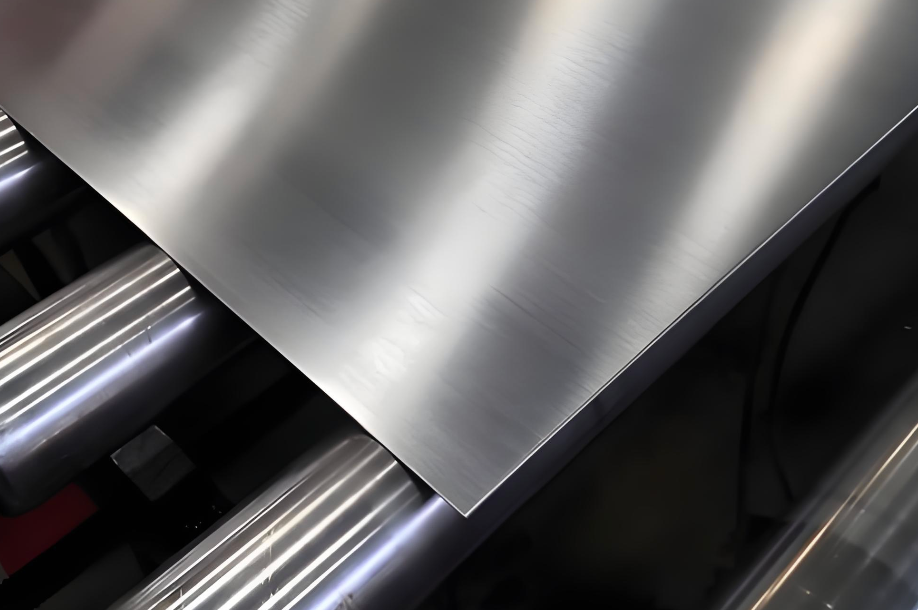
3. Common Materials
The material and processing technology of 1/4-inch steel plates directly determine their performance and applicable scenarios. The mainstream types in the market and their core characteristics are as follows:
Material Classification
- Carbon Steel Plates: The most widely used material type, including grades such as ASTM A36 and 1018. Among them, ASTM A36 is structural carbon steel with a carbon content of 0.20%~0.25% and a manganese content of 0.6%~0.90%, suitable for load-bearing structures; 1018 is low-carbon carburizing steel with a carbon content of 0.17%~0.24% and a manganese content of 0.70%~1.00%, featuring excellent ductility and suitable for machining. The corresponding domestic materials are Q235B and 20# steel, which have similar performance to international grades and higher cost-effectiveness.
- Stainless Steel Plates: Mainly grades 304 and 316, containing chromium and nickel elements, with strong corrosion resistance. 304 stainless steel is suitable for indoor humid environments or mild corrosion scenarios; 316 stainless steel can withstand strong corrosion environments such as seawater and chemical media due to the addition of molybdenum, and is often used in marine engineering and chemical equipment.
- Alloy Steel Plates: Such as 4140 alloy structural steel, containing chromium, molybdenum and other alloy elements, with high tensile strength (≥690N/mm²), suitable for high-strength mechanical parts, tooling fixtures and other scenarios.
4. Process Classification
- Hot-Rolled Process: Formed by high-temperature rolling, the surface may have scale, with low cost, suitable for structural parts with no strict surface requirements, such as building load-bearing beams and mechanical bases. Hot-rolled plates have good thickness uniformity and moderate ductility, and can be processed by bending, welding, etc.
- Cold-Rolled Process: Made from hot-rolled steel strips through cold rolling and thinning, with smooth surface and high precision, suitable for scenarios with high requirements for appearance and dimensional accuracy, such as auto parts and home appliance shells. Cold-rolled plates have slightly higher hardness than hot-rolled plates, stronger processability, but higher cost.
- Galvanizing Process: A layer of zinc is plated on the surface of steel plates, divided into hot-dip galvanizing and electro-galvanizing. The core advantage is strong corrosion resistance, suitable for outdoor scenarios such as roofs, fences, and auto chassis. Hot-dip galvanized coatings are thick, with better weather resistance and a service life of more than 15 years; electro-galvanized coatings are thin, suitable for mild outdoor environments.
- Perforating Process: The surface is processed with uniform holes, suitable for filtration, ventilation, sound insulation and noise reduction scenarios, such as industrial filters and ventilation ducts.
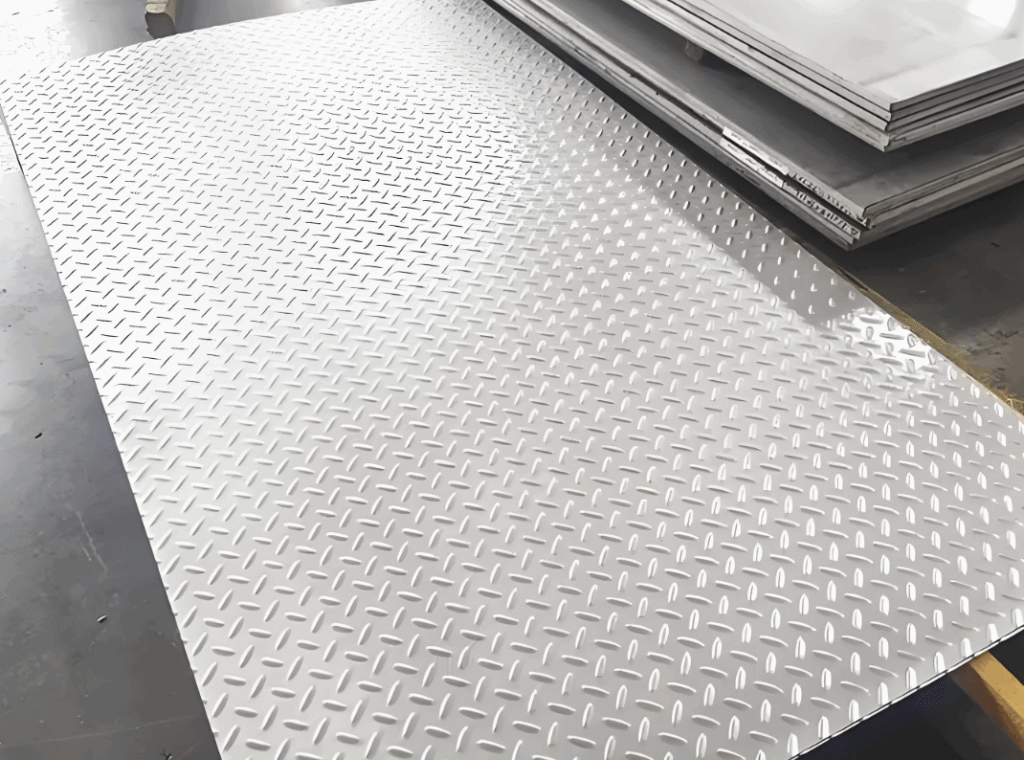
III. Performance of 1/4-Inch Steel Plates
The performance of 1/4-inch steel plates is jointly determined by material and process. The core performance parameters and comparison of different types are as follows:
| Material/Process | Tensile Strength (N/mm²) | Yield Strength (N/mm²) | Hardness (HB) |
| ASTM A36 Hot-Rolled Carbon Steel Plate | 290~450 | 170~350 | ≤190 |
| 1018 Cold-Rolled Carbon Steel Plate | 440~600 | 370~420 | ≤197 |
| 304 Stainless Steel Plate | ≥515 | ≥205 | ≤201 |
| 4140 Alloy Steel Plate | ≥690 | ≥415 | ≤229 |
Key Characteristic Comparison
- Corrosion Resistance: Stainless steel plates > Galvanized plates > Carbon steel plates; 316 stainless steel has better corrosion resistance than 304 stainless steel; hot-dip galvanized plates have better corrosion resistance than electro-galvanized plates.
- Weldability: Carbon steel plates (ASTM A36, 1018) have excellent weldability and can be welded by various methods such as arc welding and gas metal arc welding; stainless steel plates require special welding materials for welding to avoid intergranular corrosion; the zinc layer in the welding area of galvanized plates must be removed before welding.
- Machinability: Cold-rolled carbon steel plates and stainless steel plates have strong machinability and can be subjected to precision processing such as stamping, bending and cutting; hot-rolled carbon steel plates are suitable for rough processing such as cutting and drilling; alloy steel plates require special tools for processing due to high hardness.
IV. Application Scenarios of 1/4-Inch Steel Plates
Combined with the performance characteristics of 1/4-inch steel plates, precise selection suggestions are given for different industry scenarios:
- Construction Field: ASTM A36 hot-rolled carbon steel plates or domestic Q235B hot-rolled plates are recommended, suitable for load-bearing beams, stair treads, handrails, building embedded parts, etc. This material has moderate tensile strength and low cost, can meet the load requirements of building structures, and has strong weldability, facilitating on-site installation and splicing. For outdoor building components (such as roof brackets and fences), hot-dip galvanized carbon steel plates are recommended to improve weather resistance.
- Machinery Manufacturing Field: 1018 cold-rolled carbon steel plates and 4140 alloy steel plates are recommended, suitable for mechanical parts (such as gears and drive shafts), tooling fixtures, mold bases, etc. 1018 cold-rolled plates have high precision and good ductility, suitable for precision processing; 4140 alloy steel plates have high strength and can be used for components bearing high loads.
- Auto Parts Field: Cold-rolled carbon steel plates and 304 stainless steel plates are recommended, suitable for auto chassis parts, door inner panels, exhaust pipe brackets, etc. Cold-rolled plates have smooth surface and precise dimensions, which can meet the assembly requirements of auto parts; stainless steel plates are suitable for high-temperature and corrosive environments such as exhaust pipes.
- Other Scenarios: For kitchen equipment (such as operation tables and storage cabinets), 304 stainless steel plates are recommended, which are oil-resistant and easy to clean; for filtration and ventilation equipment, perforated carbon steel plates or stainless steel plates are recommended, and the hole size can be adjusted according to filtration accuracy; for chemical equipment (such as storage tank liners and pipelines), 316 stainless steel plates are recommended to resist the corrosion of chemical media.
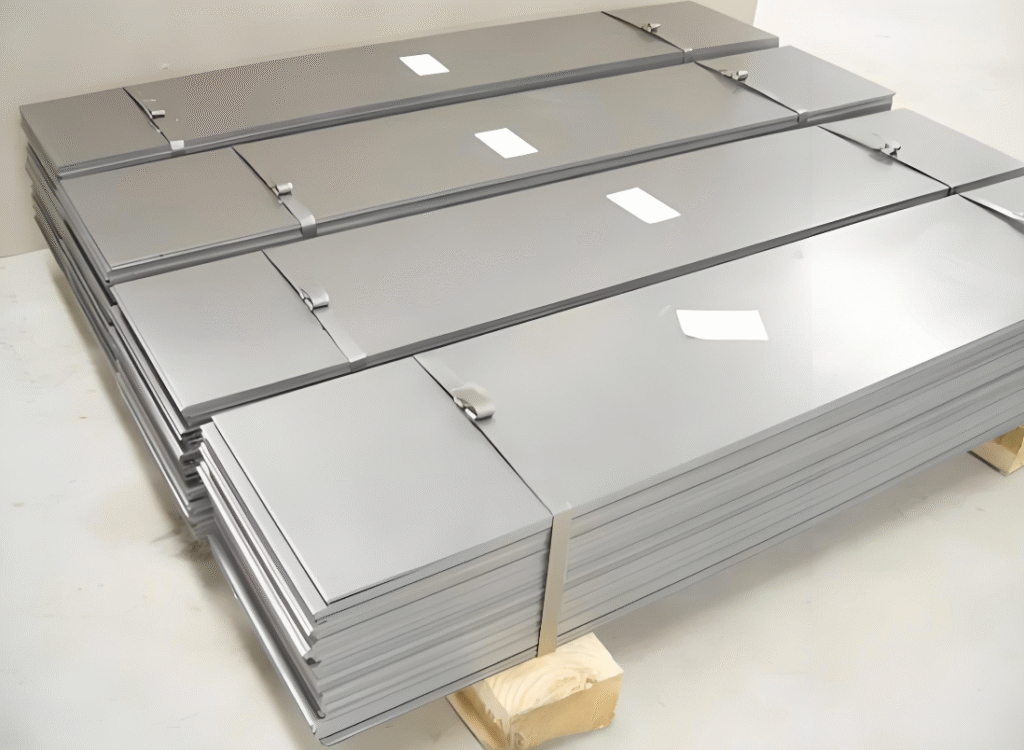
V. Procurement of 1/4-Inch Steel Plates
1. Key Points for Selecting High-Quality Suppliers
When selecting suppliers of 1/4-inch steel plates, multiple indicators should be comprehensively evaluated to avoid quality and delivery risks:
- Qualifications and Reputation: Priority should be given to suppliers with ISO 9001 quality management system certification and ASTM standard certification. Evaluate the reputation through industry evaluations, customer feedback and enterprise historical performance, and avoid unqualified small workshops.
- Production and Supply Capacity: Inspect whether the production equipment is advanced and the production process is mature, and confirm whether it has the production capacity of corresponding materials and specifications; understand the spot inventory, minimum order quantity and delivery cycle to ensure that it can match the project schedule. The delivery cycle of spot goods of conventional specifications is recommended to be controlled within 7 days, and that of customized specifications shall not exceed 30 days.
- Quality Control System: Require suppliers to provide material certificates and performance test reports (such as mechanical properties and chemical composition tests). For key projects, on-site inspections of factories can be conducted to observe the production process, raw material storage management and quality inspection links to ensure stable product quality.
- Service Level: Pay attention to pre-sales consultation (ability to provide selection suggestions), in-sales delivery arrangements (logistics plans, packaging and protection) and after-sales service (handling of quality problems, technical support). High-quality suppliers should be able to provide full-process tracking services.
- Price Reasonableness: Avoid blindly choosing low-priced products, as excessively low prices may mean quality compromise; after comprehensively comparing product quality, performance and service, select the supplier with the best cost-effectiveness. A 5%~10% price discount can be negotiated for bulk purchases.
2. Procurement Notes
- Clarify Demand Parameters: Clearly define the material, process, specifications (thickness, width, length) and tolerance requirements before procurement to avoid delivery discrepancies due to ambiguous parameters. It is recommended to specify specific standards (such as ASTM A36/A36M-2019, GB/T 709—88) in the contract.
- Strict Inspection and Acceptance: Conduct sampling inspection before warehousing, verify the appearance (no defects such as cracks and excessive scale), dimensional tolerances and key performance parameters to ensure compliance with the contract requirements; for bulk purchased steel plates, third-party testing institutions can be entrusted to issue test reports.
- Standardize Contract Terms: Clearly specify the price, delivery cycle, quality standards, acceptance methods, payment methods and liability for breach of contract in the contract. Pay special attention to the return and exchange process and compensation standards for quality problems to avoid subsequent disputes.
- Logistics and Warehousing: Select appropriate transportation methods according to the specifications of steel plates to avoid deformation during transportation; moisture and rust prevention should be carried out during warehousing. Ordinary carbon steel plates should be avoided from open storage, and galvanized plates and stainless steel plates should be protected from surface scratches.
VI. Frequently Asked Questions
Q1: Can 1/4-inch steel plates be welded? What are the precautions for different materials?
A1: Most 1/4-inch steel plates can be welded, and the precautions vary for different materials: ① Carbon steel plates (ASTM A36, 1018): Conventional arc welding and CO₂ gas shielded welding can be adopted. No special treatment is required before welding. Slag should be removed after welding. Thick plates can be preheated to 100~150℃ to prevent cracks. ② Stainless steel plates (304, 316): Special stainless steel welding materials (such as ER308L, ER316L) should be used. Small current and fast welding should be adopted to avoid overheating of the welding area leading to intergranular corrosion. Pickling and passivation treatment can be carried out after welding to improve corrosion resistance. ③ Galvanized plates: The zinc layer in the welding area should be polished before welding. Zinc vapor will be generated during welding, so ventilation protection should be done well. Anti-rust paint should be applied in time after welding.
Q2: What is the outdoor durability of 1/4-inch steel plates? How to improve weather resistance?
A2: The outdoor durability varies greatly for different materials: ① Ordinary carbon steel plates are prone to rust when used outdoors, with a service life of only 1~2 years without anti-rust treatment. ② The outdoor service life of hot-dip galvanized carbon steel plates can reach 15~20 years. ③ The outdoor service life of 304 stainless steel plates can reach 20~30 years. ④ 316 stainless steel plates can be used in marine environments with a service life of more than 30 years. Methods to improve weather resistance: Anti-rust paint and anti-corrosion coatings can be applied to ordinary carbon steel plates; corrosion-resistant materials such as hot-dip galvanized steel and stainless steel can be selected; regular maintenance should be carried out to repair damaged protective layers in a timely manner.
Q3: What are the performance differences between 1/4-inch steel plates and 3/8-inch steel plates, and what are the selection suggestions?
A3: The core difference lies in the strength and weight differences caused by thickness (1/4 inch = 6.35 mm, 3/8 inch = 9.52 mm): ① Strength: The tensile strength and load-bearing capacity of 3/8-inch steel plates are about 1.5 times that of 1/4-inch steel plates. ② Weight: Under the same specification, the weight of 3/8-inch steel plates is about 1.5 times that of 1/4-inch steel plates. ③ Cost: The price of 3/8-inch steel plates is about 1.4~1.6 times that of 1/4-inch steel plates. Selection suggestions: 1/4-inch steel plates are suitable for scenarios with small loads and high weight sensitivity (such as light mechanical parts and indoor decoration); 3/8-inch steel plates are suitable for scenarios with large loads and high structural strength requirements (such as heavy mechanical bases and large building load-bearing components).
VII. Conclusion
As a general-purpose basic plate, 1/4-inch steel plates occupy an important position in construction, machinery, automotive and other industries due to their moderate thickness, excellent processability and wide selection of materials and processes.
Reference Sources
- Document Name: ASTM A36/A36M-2019 Standard for Carbon Steel Plates for Structural Applications
- Source: ASTM International
- Core Relevant Content: The core basis for key data in the document such as the material composition (carbon content 0.20%~0.25%, manganese content 0.6%~0.90%), mechanical property parameters (tensile strength 290~450N/mm²), and tolerance standards of ASTM A36 carbon steel plates; it also supports the tolerance requirements in Section 1.1, the classification of carbon steel plates in Section 1.3.1, and the content of the mechanical property comparison table in Section 2.1.
- Document Name: GB/T 709—88 Dimensions, Shape, Weight and Allowable Deviations of Hot-Rolled Steel Plates and Strips
- Source: National Standard of the People’s Republic of China
- Core Relevant Content: The domestic standard basis for the width and length tolerance standards (±5mm/±10mm for regular models, ±8mm/±15mm for oversized models), squareness deviation, and camber requirements of 1/4-inch steel plates (domestic corresponding thickness specification) in Section 1.1 of the document.




 English
  Spanish
  Afrikaans