
Zinc plated steel is a highly cost-effective anti-corrosion metal material. It forms a uniform zinc layer on the steel surface through electro-galvanizing, providing cathodic protection to the base metal and effectively extending the service life of steel. It is widely used in construction, hardware, home appliances, light manufacturing, and many other industries.
This article comprehensively analyzes zinc plated steel from four core dimensions: basic cognition, practical application, comparison and differentiation, and purchasing guidelines. It answers common industry questions and provides authoritative references for selection, use, and procurement in various scenarios, helping you efficiently solve the whole-process issues of what zinc plated steel is, how to use it, which type to choose, and where to buy it.
I. What is Zinc Plated Steel?
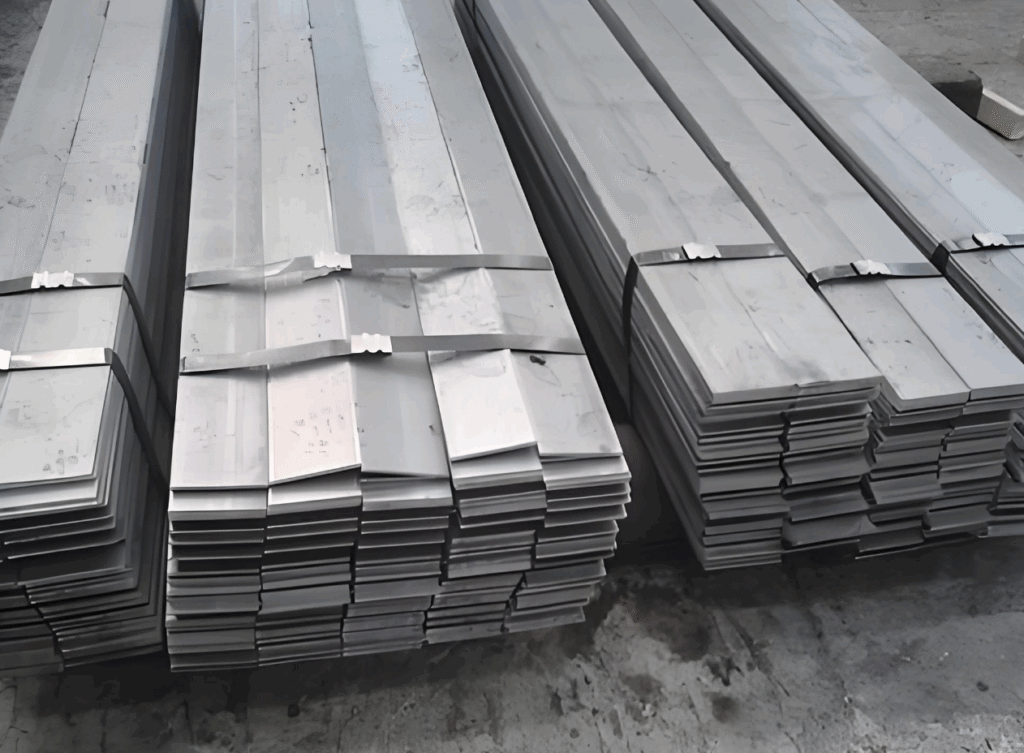
Zinc plated steel, also known as electro-galvanized steel, is a metal material formed by uniformly plating a thin zinc layer onto the surface of base materials such as low-carbon steel and high-strength low-alloy steel through the electroplating process. Its core structure consists of a “base metal + zinc layer”: the base metal determines the mechanical properties of zinc plated steel, while the zinc layer undertakes the core anti-corrosion function.
In terms of protection principle, the zinc layer acts as a sacrificial anode and corrodes preferentially to the underlying steel. Even if the zinc layer is partially damaged, it can still protect the base metal from corrosion through cathodic protection — this is the core reason why zinc plated steel extends the service life of steel. More than 50% of the world’s zinc output is used for steel anti-corrosion, and zinc plated steel is one of the most important applications of zinc protection technology in the steel sector.
1.1 Core Properties
The properties of zinc plated steel focus on corrosion resistance, high cost performance, and easy processing, as detailed below:
- Corrosion Resistance: Better than ordinary uncoated steel, but with a relatively thin zinc layer (conventional thickness: 40–150 μm), providing medium-level protection. It is only suitable for indoor and mild environments, not for long-term outdoor, high-humidity, or highly corrosive environments (e.g., marine, chemical). Verified by real-sea corrosion tests, zinc plated steel (cold galvanized) has better corrosion resistance than zinc-rich coatings but inferior to hot-dip galvanized steel.
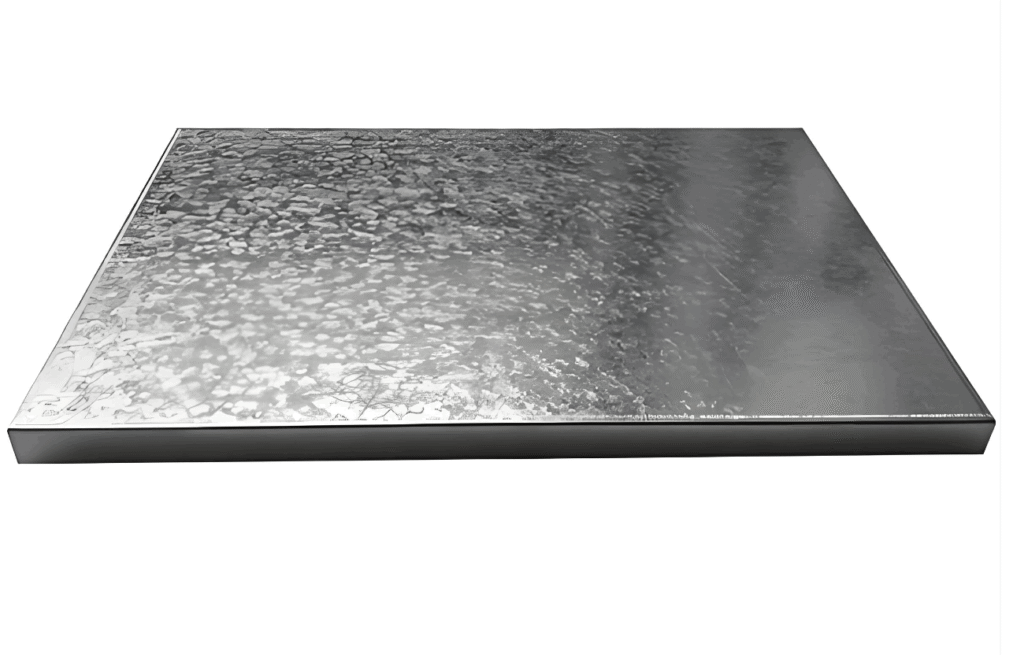
- Appearance & Texture: Bright silver with uniform luster; some grades (e.g., Grade 8) can show golden or blue tones, making it ideal for light components with aesthetic requirements.
- Mechanical Properties: Mainly determined by the base material grade. Common yield strength: 120–280 MPa, elongation ≥ 18%, meeting mechanical requirements for most light parts such as hardware and small brackets.
- Cost Advantage: Simpler production process and lower cost than stainless steel and hot-dip galvanized steel, offering outstanding cost performance — the preferred anti-corrosion material for budget-limited projects.
- Service Life: 5–20 years in mild indoor environments with proper maintenance; significantly shortened in humid or outdoor conditions without extra protection.
1.2 Production Process
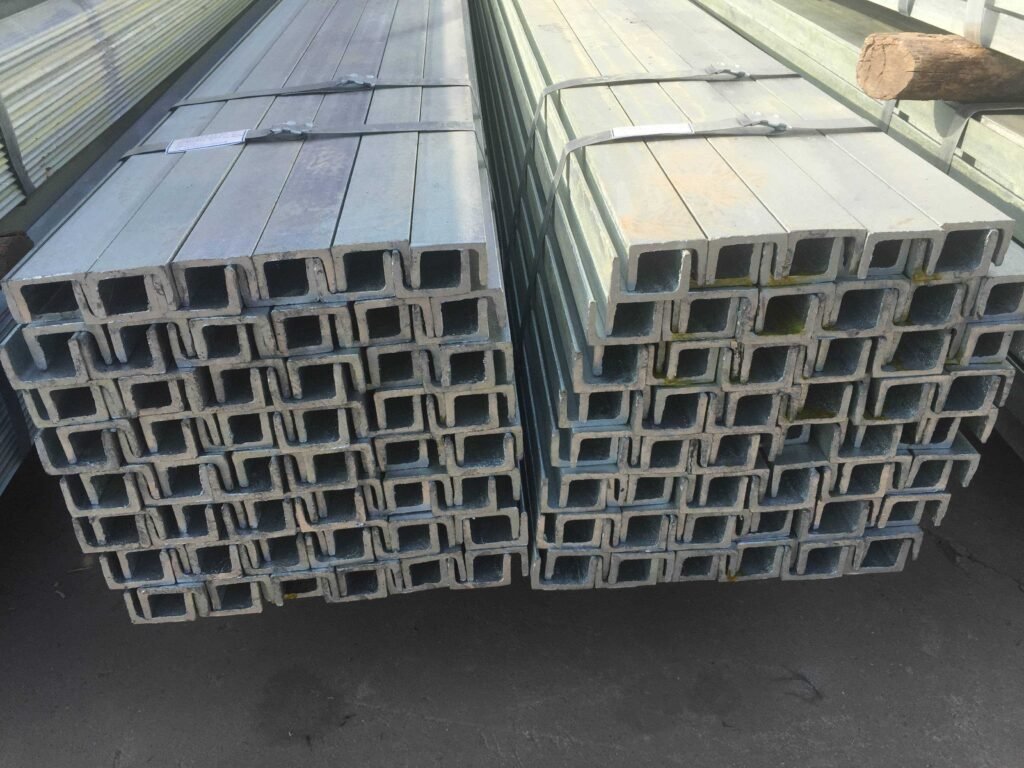
The core production process of zinc plated steel is electro-galvanizing, which is more precise than hot-dip galvanizing and suitable for precision parts. The practical industrial steps are:
- Surface Cleaning: Remove dirt, grease, and dust to ensure a clean surface.
- Pickling & Derusting: Immerse steel in dilute hydrochloric acid to remove rust and oxide scale, followed by preliminary rinsing.
- Electrolyte Soaking: Dip the treated steel into an electrolyte solution containing zinc ions for full contact.
- Electroplating: Apply electric current to deposit zinc ions onto the steel surface, forming a uniform and dense zinc layer. Thickness is adjustable by time and current.
- Rinsing & Post-Treatment: Rinse repeatedly to remove residual electrolyte, then passivate and dry to improve adhesion, appearance, and zinc layer stability.
Zinc layer grades are classified by thickness: conventional grades Z60, Z80, Z120; high grades Z180, Z275. Higher grade means thicker zinc layer, stronger corrosion resistance, and suitability for slightly harsh environments.
II. Applications of Zinc Plated Steel
2.1 Common Applications
Based on its medium corrosion resistance, low cost, good appearance, and dimensional stability, zinc plated steel is mainly used in indoor and light-duty scenarios:
- Indoor Hardware: Washers, screws, nuts, springs, brackets, hinges, etc. — the largest application area, balancing corrosion resistance and appearance.
- Home Appliances: Small appliance shells, internal brackets, heat sinks, terminals, etc., leveraging low cost, easy processing, and clean appearance.
- Light Manufacturing: Precision parts, small equipment housings, instrument enclosures, toy components, etc., requiring dimensional accuracy and appearance.
- Construction: Indoor structural parts, non-load-bearing components (ceiling brackets, indoor railings, decorative parts). Not recommended for outdoor structural use (use hot-dip galvanized steel outdoors).
Note: Zinc plated steel is strictly not recommended for long-term outdoor, high-humidity, or highly corrosive environments (coastal areas, chemical workshops). Real-sea tests in Qingdao show its corrosion resistance is far lower than hot-dip galvanized steel in seawater.
2.2 Practical Skills (Cutting, Painting, Welding, Maintenance)
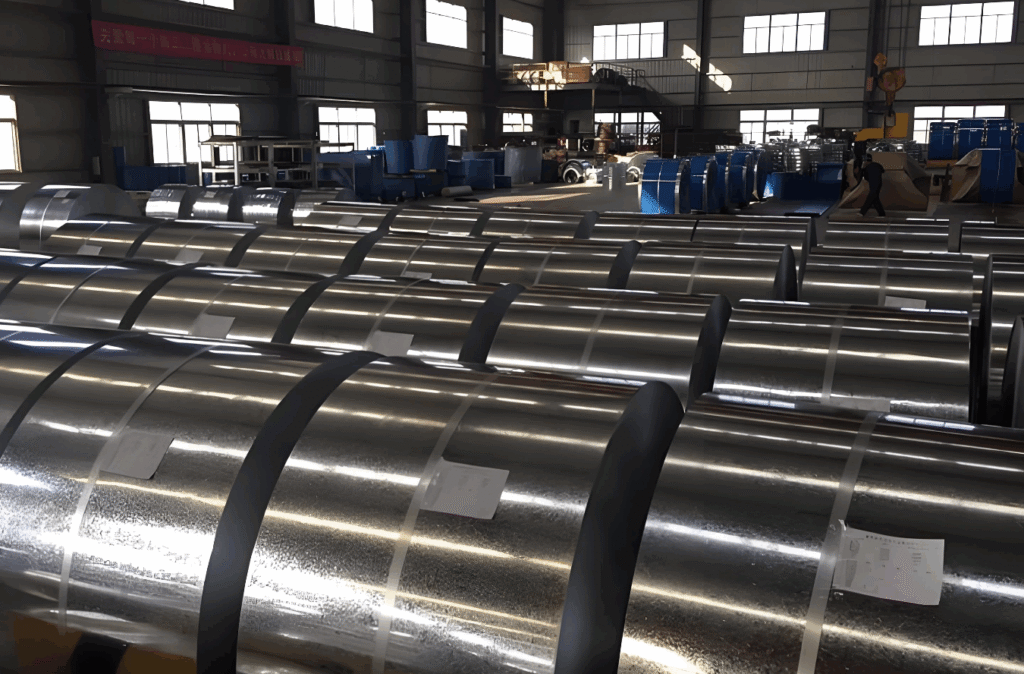
The key is to protect the zinc layer to avoid base metal corrosion:
- Cutting: Use standard steel cutting tools. Control speed to avoid high-temperature damage to the zinc layer. After cutting, passivate the edge (apply rust-preventative oil or passivator) to prevent rust.
- Painting: Paintable for enhanced corrosion resistance and appearance. Clean oil and dust first; use zinc-compatible primers (epoxy, zinc yellow) to avoid poor adhesion. Air-dry naturally for a uniform, bubble-free coat.
- Welding: Conventional welding (arc, gas) is applicable. Ensure strong ventilation to avoid toxic zinc vapor. After welding, grind and passivate the weld to repair the damaged zinc layer.
- Maintenance: Focus on moisture and damage prevention. Regularly clean dust and oil indoors. Repair damaged zinc areas promptly with rust-preventative oil or local replating.
III. Differences Between Zinc Plated Steel & Hot-Dip Galvanized Steel
Zinc plated steel (electro-galvanized) and hot-dip galvanized steel are the two most commonly used anti-corrosion steels. They look similar but differ greatly in performance, application, and cost.
3.1 Core Differences
| Comparison Item | Zinc Plated Steel (Electroplated) | Hot-Dip Galvanized Steel |
|---|---|---|
| Production Process | Electroplating (low-temperature, precision) | Hot Dip Galvanizing (high-temperature immersion, semi-automated) |
| Coating Thickness | Thin (40–150μm; thicker for higher grades) | Thick (≥50–85μm; uniform and robust) |
| Corrosion Resistance | Moderate (indoor/mild environments only) | High (outdoor/humid/corrosive environments) |
| Cost | Lower (high cost-effectiveness) | Higher (30–50% more expensive than zinc plated) |
| Appearance | Bright silver, uniform finish; gold/blue tint options | Dull silver, with spangles; relatively rough finish |
| Applications | Indoor, light-duty parts, hardware, home appliance internals | Outdoor, heavy-duty structures, building components, marine/chemical environments |
| Service Life | 5–20 years (indoor); short outdoors | 20–50 years (outdoor); long-term protection |
| Machining Precision | High (uniform coating, stable dimensions for precision parts) | Low (high-temperature immersion causes dimensional deviations; not for precision parts) |
3.2 Selection Suggestions
Selection core: match the scenario and balance the budget.
- Choose zinc plated steel when: budget is limited, used indoors, for light parts, with high appearance and dimensional accuracy (indoor hardware, appliance shells, precision components).
- Choose hot-dip galvanized steel when: used outdoors, high humidity, corrosive environment, heavy-duty structure, high durability required (outdoor brackets, bridges, marine equipment).
- Supplement: For humid indoor areas (bathrooms, kitchens), use high-grade zinc plated steel (Z180, Z275) with painting and proper maintenance.
IV. Zinc Plated Steel Purchasing Guide
4.1 Price Reference
Prices vary by zinc grade, base material, specifications (thickness, width), order quantity, and supplier. Current mainstream industry ranges:
- General Range: Approximately ¥3,000–4,500/ton (≈ $429–649/ton, aligned with international markets).
- By Grade: Conventional grades (Z60, Z80, Z120): ¥3,000–3,800/ton; high grades (Z180, Z275): ¥3,800–4,500/ton.
- Other Factors: Higher base material grade (e.g., DX54D) increases price; special specifications (ultra-thin, ultra-wide) add 10–20%; larger orders reduce unit price by 5–10%. Compare quotes across regions and suppliers.
4.2 Purchasing Precautions
Avoid risks and ensure quality and cost control by focusing on 4 points:
- Clarify Requirements: Confirm usage environment (indoor/outdoor) and performance needs to select appropriate zinc and base grades, avoiding over-purchasing.
- Check Standards: Require test reports confirming compliance with ISO 3575, ASTM A653 and other international standards. Verify zinc thickness, adhesion, mechanical properties.
- Compare Quotes: Obtain quotes from 3–5 suppliers, comparing price, delivery, after-sales (delivery, returns). Do not pursue unreasonably low prices (risk of thin zinc or inferior base material).
- Inspect Quality: On receipt, check uniform, undamaged, bubble-free zinc layer. Verify grade and specifications. Communicate returns promptly for defects.
V. FAQs
Q1: Will zinc plated steel rust?
A: Yes. The thin zinc layer only resists mild corrosion. In humid, outdoor, or corrosive environments, the zinc layer gradually corrodes and peels off, causing the base steel to rust. Local rust may also occur indoors with poor maintenance (long-term dampness).
Q2: Can zinc plated steel be used outdoors?
A: Not recommended for long-term outdoor use. Short-term outdoor use (temporary structures, indoor-outdoor transition parts) is barely acceptable, but long-term exposure to rain and moisture drastically shortens service life. Use hot-dip galvanized steel outdoors.
Q3: What is the service life of zinc plated steel?
A: Depends on environment and maintenance:
- Indoor mild environment: 5–20 years
- Indoor humid environment: 3–10 years
- Outdoor environment: usually ≤ 3 years
Q4: Is zinc plated steel environmentally friendly?
A: Relatively less eco-friendly. Zinc mining and electroplating produce certain pollutants. However, it is fully recyclable, reducing resource waste.
Q5: What is the difference between zinc plated steel and hot-dip galvanized steel?
A: Core differences lie in process, zinc thickness, corrosion resistance, and applications. See Section III for detailed comparison. Choose based on scenario and budget.
VI. Summary
Zinc plated steel is an economical and practical anti-corrosion steel, favored for its low cost, good appearance, dimensional stability, and easy processing. It is the preferred material for indoor and light applications in hardware, home appliances, and light manufacturing.
Its core strength is high cost performance, while its key limitation is medium corrosion resistance, making it unsuitable for outdoor or highly corrosive environments — the main difference from hot-dip galvanized steel.
For industry practitioners (purchasers, constructors, selectors), fully understanding its definition, properties, process, applications, and differences from hot-dip galvanized steel, selecting accurately based on scenario and budget, and controlling procurement quality and daily maintenance will maximize its advantages, reduce costs, and improve efficiency.
References
- -ISO 3575: Zinc Coating Standard for Cold Rolled Low Carbon Steel Substrate, specifies core requirements such as zinc layer thickness, adhesion, and corrosion resistance for zinc coated steel. It is a globally recognized basic standard used in the document to standardize the production and testing of zinc coated steel.
- –ASTM A653: A commonly used standard in North America, which provides detailed specifications for the substrate properties, zinc layer quality, and appearance requirements of zinc plated steel. This document is used for procurement quality verification and international market adaptation reference.
- -EN 10346: European standard, focusing on the environmental friendliness, processing performance, and application safety of zinc plated steel. The document provides selection references for high-end manufacturing scenarios.




 English
  Spanish
  Afrikaans