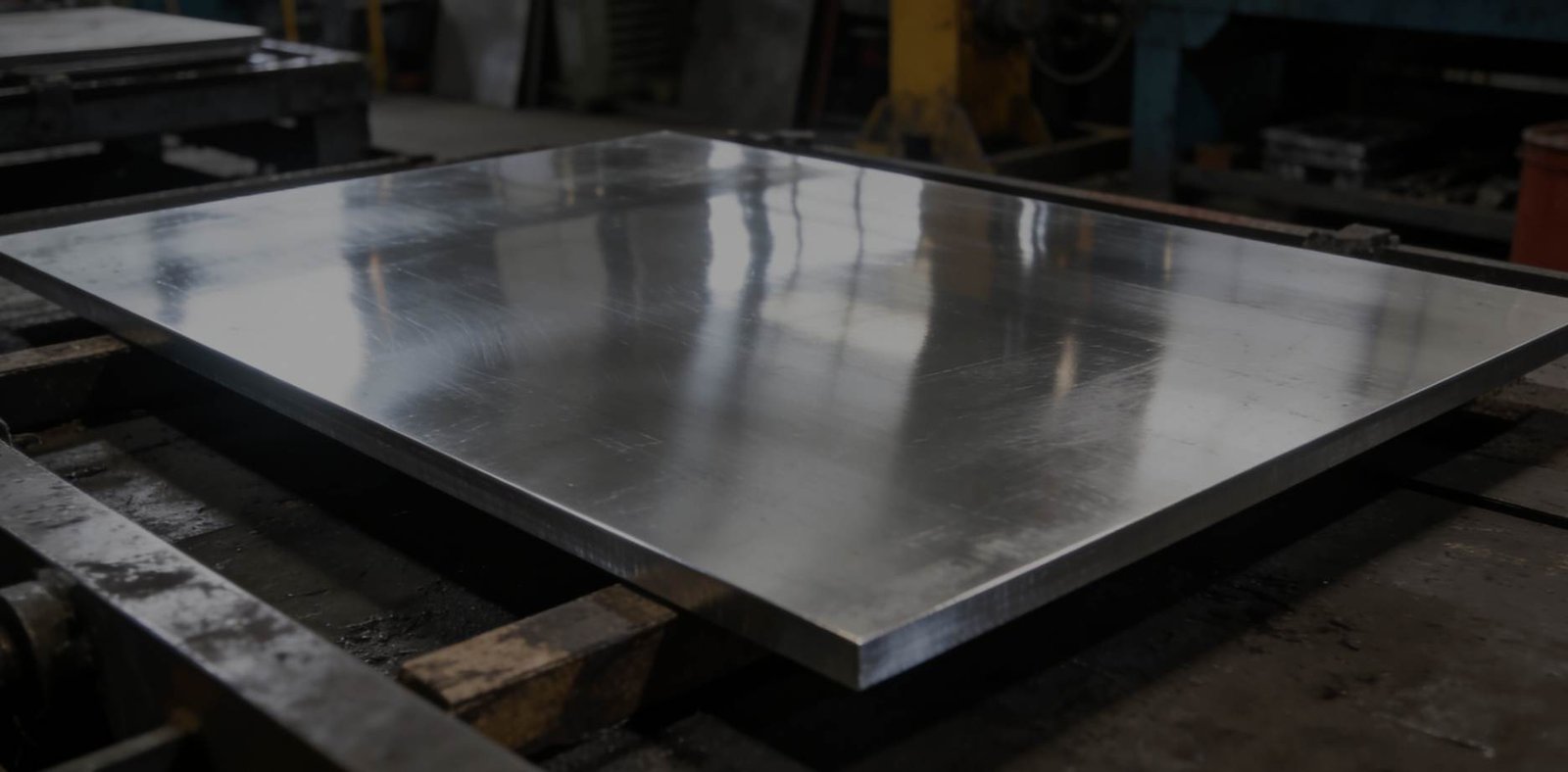
Staalplate is kern basiese materiale wat wyd gebruik word in konstruksie-ingenieurswese, masjienvervaardiging, skeepsbou, drukvate, munisipale infrastruktuur en DIY-presisieverwerkingsbedrywe. Die mark bied 'n wye verskeidenheid staalplate, insluitend koolstofstaalplate, roestvrye staalplate, Struktureel dik plate, en pasgemaakte gesnyde plate. Plate met verskillende materiale, spesifikasies en prosesse verskil baie in toepaslike scenario's en pryse. Vir kopers wat wissel van individuele kleinmaat-kopers en KMO-grootvoorraadhouers tot groot industriële projek-pasgemaakte inkopers, is die kernbehoefte om betroubare verskaffers met formele voorsieningsbronne, koste-effektiewe pryse en omvattende dienste te vind, terwyl algemene inkooprisiko's soos vervalste materiale, onkonsekwente spesifikasies, vertraagde aflewering en swak na-verkope ondersteuning vermy word. Hierdie artikel ontleed die voor- en nadele van hoofstroombaan wêreldwye staalplaat-aankoopkanale, bied gerigte keusoplossings vir verskillende aankoopsituasies en plaatsoorte, en som professionele vaardighede vir risikovoorkoming op om alle kopers te help om vinnig die mees geskikte maniere te vind om staalplate te koop.
1. Vier hoofstroombronne om staalplate te koop
Globale staalplaatinkopies is hoofsaaklik gebaseer op vier kanale: plaaslike staalhofe en streekverspreiders, professionele aanlyn metaalinkopieplatforms, oorspronklike staalplaatvervaardigers en grensoverschrijdende B2B-groothandelsplatforms. Hierdie kanale verskil aansienlik in minimum bestelkwantiteit (MOQ), prysstelsel, voorraadbeskikbaarheid en diensmodusse, om aan verskillende inkoopbehoeftes te voldoen. Kopers kan buigsame keuses maak volgens hul bestelvolume, afleweringstydvereistes en aanpassingsbehoeftes.
1.1 Plaaslike staalhofe en streekverspreiders
Plaaslike staalhofe en aflynstreekverspreiders verteenwoordig die mees tradisionele kanaal vir die verkryging van staalplate en is die topkeuse vir dringende en kleinmaat-aankope. Hul kernvoordeel lê in voldoende voorraad van standaard koolstofstaalplate en gewone strukturele staalplate. Kopers kan die goedere ter plaatse inspekteer en produkte onmiddellik sonder lang wagtye optel, wat hierdie kanaal ideaal maak vir plaaslike noodgevalle, materiaalhervulling en klein onderhoudsprojekte. Daarbenewens maak aflyn-inkopies 'n ter plaatse inspeksie van staalplaat se platheid, dikte-eenvormigheid en roesbestande kwaliteit moontlik. Na-verkope kommunikasie is meer direk, met vinnige plaaslike aflewering en lae kortafstand vervoerkoste.
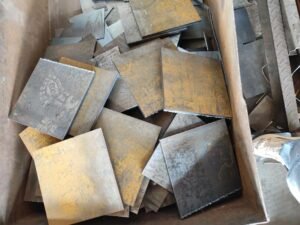
Hierdie kanaal het ook duidelike nadele. Dit dek beperkte produkkategorieë, met industriële staalplate met spesiale spesifikasies en spesiale materiale wat selde op voorraad is en meestal 'n tydelike voorraadsoordrag vereis. Eenheidspryse vir enkelstuk- en kleinmaatbestellings is relatief hoog sonder enige groothandelsonderhandelingsruimte. Die meeste plaaslike staalhofe verskaf slegs standaardplate sonder bykomende presisie-sny-, buig-, poleer- en ander diepverwerkingsdienste, en voldoen nie aan vereistes vir pasgemaakte inkoop nie. Hierdie kanaal is die mees geskik vir individuele DIY-verwerking, klein plaaslike ingenieursprojekte en tydelike nood-kleinmaatinkopies.
1.2 Globale oorspronklike staalplaatvervaardigers
Oorspronklike staalwerke en professionele staalplaatvervaardigers is die optimale keuse vir grootskaalse nywerheidsprojekte, groothandel-ingenieursinkopies en nie-standaard pasgemaakte bestellings, en dien as die kern langtermynsamewerkingskanale vir B2B-ondernemings. Vooraanstaande wêreldwye staalwerke hou streng by internasionale produksiestandaarde, insluitend ASTM, EN en JIS. Met naspoorbare grondstowwe en volwasse produksieprosesse lewer hul staalplate stabiele meganiese eienskappe, 'n gekwalifiseerde chemiese samestelling, uitstekende korrosiebestandheid en hoë kompressiesterkte, wat produkte wat deur tussengangers verskaf word, verreweg oortref.
Fabrieksdirekte verkope elimineer tussengangers se winsmarges en bied beduidende prysvoordele vir grootmaatbestellings. Vervaardigers ondersteun pasgemaakte produksie van uiters groot spesifikasies, ekstra-dik plate en nie-standaard groottes, en neem hoë-end staalplaatbestellings aan vir skeepsbou, brugkonstruksie, drukvate en groot staalstruktuurprojekte. Volledige kwalifikasiedokumente, insluitend materiaalertifikate, toetsverslae en fabriekertifikate, word vir elke produkbatch verskaf. Vir navrae oor die aankoop van staalplate, kontak asseblief Tonghui.
1.3 Professionele aanlyn-metaalverkrygingsplatforms
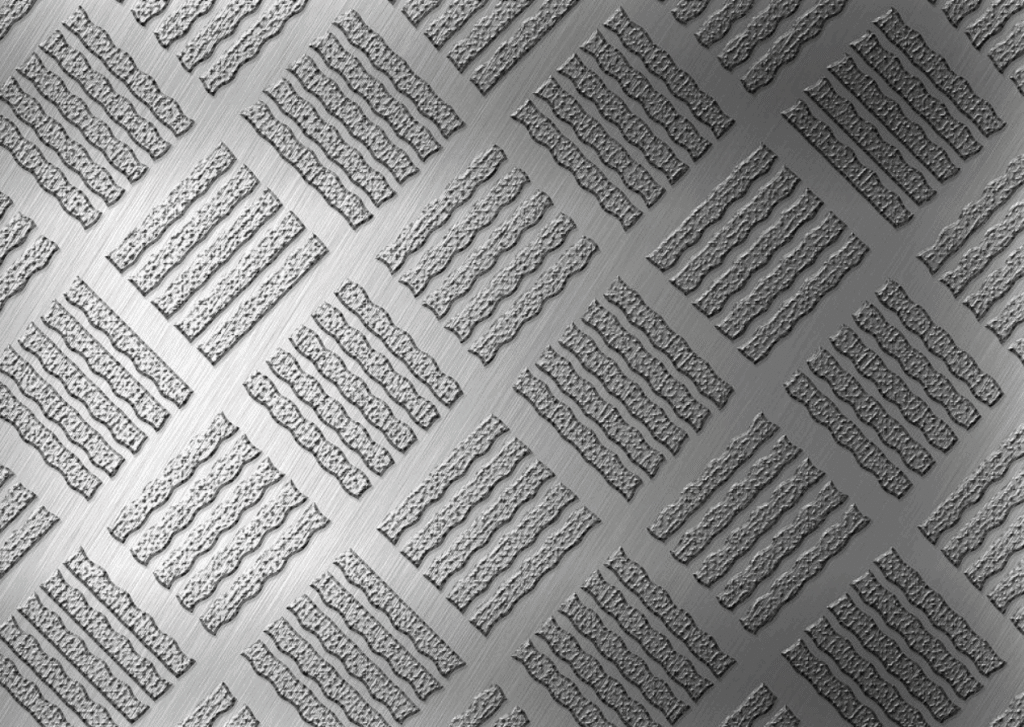
Vertikale professionele aanlyn metaalplatforms soos OnlineMetals en MetalsDepot is in die afgelope jare baie gewild by wêreldwye klein- en mediumgrootte kopers, met lae drempels en buigsame inkoopmetodes. In vergelyking met buite-lyn staalhofe is die grootste voordeel van hierdie platforms nul minimum bestelkwantiteit, ondersteun enkel staalplaatinkopies en los die MOQ-hindernisse vir KMO's en individuele kopers op. Die platforms dek 'n volledige reeks plaatprodukte, insluitend koolstofstaal, vlekvrye staal, strukturele legeringsstaal en antislip-staalplate, terwyl hulle waarde-toegevoegde dienste soos gratis presisiesny, grootte-aanpassing,ponswerk en buigwerk bied, wat die behoefte aan sekondêre verwerking deur bykomende verwerkers uitskakel.
Aanlynplatforms bied deursigtige transaksieprosesse met ten volle bekendgemaakte plaatspesifikasies, materiaalparameters en kwotasies. Hulle ondersteun produknaspoorbaarheid en regstreekse logistieke opsporing met gestandaardiseerde na-verkoopsisteme, wat herhaalde buitelynse kommunikasie verminder. Hul eenheidspryse vir grootmaatbestellings is egter hoër as fabrieksdirekte verkope, wat lei tot laer koste-doeltreffendheid vir massiewe bestellings. Hierdie kanaal is meer geskik vir klein en mediumgrootte verspreide aankope, pasgemaakte kleinmaatbestellings en DIY-presisieverwerkingsaankoopsituasies.
1.4 Oorgrens B2B-groothandelsplatforms
Grenslose B2B-platforms soos Alibaba International Station is kernkanale vir wêreldwye grensoverschrijdende inkoop, tussenpersoonvoorsiening en oorsese grootvoorraadstokering. Hierdie platforms bring staalplaatvervaardigers, eersteklas verspreiders en voorraadhouers wêreldwyd bymekaar, met oorvloedige produkhulpbronne wat standaard algemene plate, industriële spesiale plate en spesiale legeringsplate dek. Die gediversifiseerde prysgradiënt voldoen aan inkoopbehoeftes van verskillende begrotingsvlakke.
Die platforms ondersteun prysvergelyking tussen verskeie verskaffers, aanlynonderhandeling en pasgemaakte vraagkommunikasie. Sommige geverifieerde verskaffers laat gemengde partye en klein proefbestellings toe, wat voorsiening maak vir marktoetsbehoeftes van grensoverschrijdende handelaars en die voorraadbehoeftes van klein- en mediumgrootte oorsese groothandelaars. Intussen bied hulle eenstopdienste aan, insluitend transaksiegarantie, grensoverschrijdende logistiek en doeane-afhandeling, wat die drempel vir wêreldwye grensoverschrijdende staalinkopies aansienlik verlaag. Kopers word aangeraai om gekwalifiseerde verskaffers te sif, met voorkeur aan gesertifiseerde fabrieke met baie jare se bedryfservaring, hoë platformbeoordelings en ter plaatse verifikasie, om ongeskikte verskaffers met vervalste of ondermaatse produkte te vermy.

2. Staalplaatkeuse-gids volgens kategorie en aanvraag vir aanskaffing
Staalplate van verskillende materiale en spesifikasies is van toepassing op heeltemal verskillende scenario's. Kopers moet geskikte plate kies volgens projekdoelwitte, konstruksieomgewings en prestasievereistes, en die optimale inkoopkanaal kies om ingenieursgehalte te verseker en inkoopkoste doeltreffend te beheer.
2.1 Aankoop van vlekvrye staalplate
Roestvrye staalplate het uitstekende korrosiebestandheid, oksidasiebestandheid, hoë temperatuurweerstand en is roesvry, en word wyd toegepas in chemiese toerusting, voedselmasjinerie, kombuis- en badkamergeriewe, buite gordynmure en mariene ingenieurswese. Algemene grade sluit in 201-, 304- en 316L-vlekvrye staalplate. Onder hulle bied 316L-plate sterker weerstand teen suur-, loog- en seewaterkorrosie, ideaal vir moeilike mariene en chemiese werksomgewings. Vir klein pasgemaakte bestellings word aanlyn metaalplatforms aanbeveel; vir groothandels-ingenieursprojekte word direkte samewerking met professionele vlekvrye staalvervaardigers verkies. Kopers moet voor aankoop gekwalifiseerde materiaalstandaarde, 'n foutlose oppervlakafwerking en gekwalifiseerde korrosiebestandheidstoetsresultate verifieer.
2.2 Aankoop van dik strukturele staalplaat
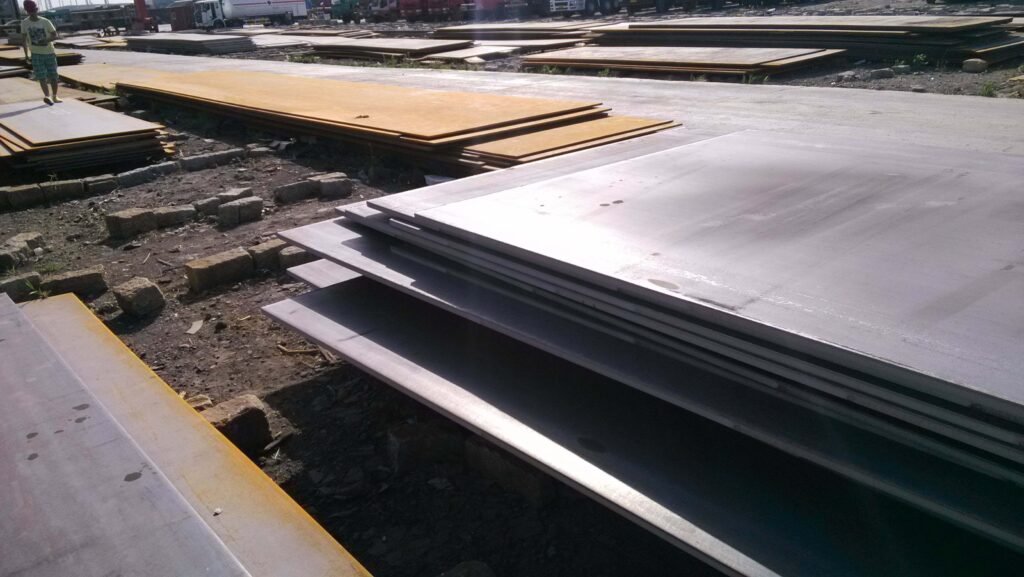
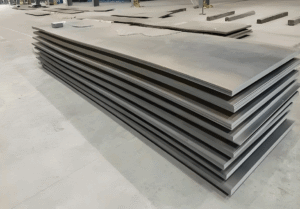
Dik strukturele staalplate verwys na swaar plate met 'n dikte van 20 mm of meer, hoofsaaklik gebruik vir brugkonstruksie, draagstrukture van hoë geboue, groot masjienfondamente, drukvate en swaar toerusting wat uiterste draagvermoë vereis. Hierdie plate het streng vereistes vir materiaalduursaamheid, kompressiesterkte en lasvervaardigingsprestasie, en moet voldoen aan internasionale struktureelstaalstandaarde, insluitend EN 10025 en ASTM A6. Nie-standaard mindere plate is streng verbied vir ingenieursdoeleindes. Aangesien dik strukturele plate selde in kleinmaatvoorrade beskikbaar is, word direkte aanpassing deur professionele vervaardigers van swaar staalplate aanbeveel, met volledige meganiese prestasietoetsverslae wat vir aflewering vereis word.
2.3 Aankoop van gewone koolstofstaalplaat
Koolstofstaalplate is die mees algemeen gebruikte algemene strukturele materiale met koste-effektiewe pryse, matige hardheid en uitstekende bewerkbaarheid. Hulle word algemeen gebruik vir die bou van ondersteuningstrukture, eenvoudige staalstrukture, toerustingomhulsels en alledaagse hardewareverwerking. Standaard dun koolstofstaalplate kan by plaaslike staalhofe of aanlynplatforms vir klein bestellings gekoop word, terwyl groothandelinkopies vir grootskaalse ingenieurswese die beste via direkte fabrieksverkope gedoen word om die algehele aankoopkoste te minimaliseer.
2.4 Aankoop van pasgemaakte staalplate
Die meeste inkoop-scenario's vereis nie standaard volformaatplate nie, maar eerder onreëlmatige, vaste grootte, geperste of gebuigde pasgemaakte plate. Vir individuele en kleinmaat pasgemaakte bestellings is aanlyn metaalplatforms wat gratis snydienste aanbied die beste keuse om verwerkings tyd en ekstra koste te bespaar. Vir grootmaat-bestellings vir nie-standaard aanpassings en presisie-diepverwerkings, maak direkte samewerking met vervaardigers eenstop-produksie en afwerking moontlik, wat konsekwente produkakkuraatheid verseker en verliese by sekondêre verwerking verminder.

3. Wenke om risiko's by staalplaatinkopies te vermy
Algemene risiko's by die inkoop van staalplate sluit in ongelyke produkgehalte, nie-standaard plate wat as standaardprodukte vermom is, opgeblase kwotasies en verswakte diensgehalte. Deur professionele keusvaardighede te bemeester, kan inkooprisiko's doeltreffend vermy en bestelgehalte gewaarborg word.
Eerstens, verifieer internasionale standaardkwalifikasiedokumente. Gekwalifiseerde formele staalplate moet voldoen aan hoofstroom internasionale standaarde, insluitend ASTM (Amerikaanse standaard), EN (Europese standaard) en JIS (Japannese standaard). Kopers moet materiaalertifikate, meganiese prestasietoetsverslae en chemiese samestellingstoetsverslae versoek, en die konsekwentheid van plaatgrade, spesifikasies, produksielote en sertifikaatinligting verifieer om nie-standaard, opgeknapte en hergrootte plaaie te voorkom.
Tweedens, verduidelik die MOQ en afleweringsreëls. Aankoopkanale verskil baie in minimum bestelhoeveelheid: aanlynplatforms het geen MOQ-beperkings nie, terwyl vervaardigers gewoonlik drempels vir grootbestellings stel. Kopers moet vooraf die vereiste bestelhoeveelhede, produksie-iklusse en logistieke leweringstye bevestig om samewerkingsfoute weens wanpassende bestelvolumes te vermy. Intussen verduidelik die bepalings vir vergoeding by afleweringsvertragings om betyds aflewering te verseker.
Derdens, verifieer die verskaffer se sterkte en voorraadkapasiteit. Gee voorrang aan formele verskaffers met onafhanklike fabrieke, professionele pakhuise en ryk bedryfservaring, en vermy suiwer tussengangers sonder werklike voorraad. Kopers kan fabrieksinspeksies uitvoer, die produksietoestande ter plaatse verifieer en kliënt gevalle nagaan om 'n stabiele voorsieningskapasiteit te bevestig en voorraadtekorte, tydelike oordragte en vertraagde aflewering te voorkom.
Vierde, onderhandel redelik om groothandelsaankoopkoste te beheer. Eenheidspryse vir klein bestellings is relatief vas, terwyl kopers van groot hoeveelhede kan onderhandel oor gestapelde pryse, vragpakkette met belasting ingesluit, en afslag vir langtermynsamewerking. Bevestig dat kwotasies verwerkingsfooie, logistieke fooie en belastings dek om verborge koste en verhoogde aankoopkoste te vermy.

4. Gereelde vrae oor die verkryging van staalplate
1. Wat is die mees koste-effektiewe manier om staalplate te koop?
Die mees koste-effektiewe oplossing hang af van werklike behoeftes. Kies plaaslike staalhofe vir dringende kleinmaatbestellings met vinnige aflewering; kies aanlyn metaalplatforms vir klein pasgemaakte bestellings met geen minimum bestelhoeveelheid (MOQ) en volledige diepverwerkingsdienste; werk direk saam met oorspronklike vervaardigers vir groot ingenieurswese-grootmaatbestellings en langtermynvoorraadhou om tussengangerswins te elimineer en stabiele gehalte te verseker; Vergelyk verskeie verskaffers op B2B-platforms vir koste-effektiewe grensoverschrijdende grootmaatinkopies.
2. Kan ek staalplate in klein hoeveelhede koop? Is daar enige minimum bestelvereistes?
Nie alle inkoopkanale het MOQ-beperkings nie. Aanlyn professionele metaalplatforms en plaaslike staalhofe ondersteun enkelstuk- en kleinmaatbestellings sonder hoeveelheidbeperkings, geskik vir individuele DIY-projekte en klein onderhoudswerk. Oorspronklike vervaardigers bedien hoofsaaklik grootmaatbestellings met vaste minimum bestelhoeveelhede en aanvaar oor die algemeen nie klein verspreide bestellings nie.
3. Is aanlyn verkryging van staalplate betroubaar?
Formele aanlyn-inkoopkanale is uiters betroubaar met gestandaardiseerde transaksie-, na-verkoop- en naspoorbaarheidstelsels vir vertikale metaalplatforms en gesertifiseerde B2B-verskaffers. In vergelyking met aflyn-inkopies bied aanlynplatforms meer deursigtige produkparameters en kwotasies sowel as ryker produkkategorieë. Die enigste nadeel is die laer koste-doeltreffendheid vir uiters groot groothandelsbestellings in vergelyking met fabrieksdirekte verkope.
4. Watter faktore beïnvloed die prys van pasgemaakte staalplate?
Die prys van pasgemaakte staalplate word hoofsaaklik bepaal deur die materiaalsoort, plaatdikte, afmetingspesifikasies, snytegnologie, verwerkingsakkuraatheid en bestelkwantiteit. Roestvrye staalplate, dik plate en onreëlmatige presisiesnywerk behels hoër verwerkingskoste, terwyl massa-aanpassing eenheidsverwerkingskoste doeltreffend kan verminder.
5. Wat is die kernverskille tussen plaaslike staalhofe en fabrieksdirekte verkope?
Plaaslike staalhofe fokus op spotgoedere, vinnige aflewering en buigsame kleinmaat-inkopies, maar het hoër eenheidspryse en swak aanpassingsvermoëns. Fabrieksdirekte verkope bied lae pryse, hoë gehalte en kragtige aanpassings met volledige kwalifikasies vir groot projekte, maar het hoër minimumbestellingshoeveelhede en relatief langer produksie-iklusies. Die twee kanale dien heeltemal verskillende inkoop-scenario's.
Gevolgtrekking
Daar is nie 'n een-grootte-pas-almal-beste kanaal vir staalplaatinkopies nie, net die mees geskikte oplossing vir jou spesifieke behoeftes. Kies plaaslike staalhofe vir nood-kleinmaatinkopies, professionele aanlyn metaalplatforms vir pasgemaakte klein- en mediumbestellings, oorspronklike vervaardigers vir grootskaalse ingenieurswese-grootbestellings en hoë-end nie-standaardplate, en formele B2B-platforms vir grensoverschrijdende groothandelsvoorraad. Tydens inkoop moet u altyd streng gehalteverifikasienorme nakom, internasionale kwalifikasiedokumente nagaan, bestelreëls verduidelik en gekwalifiseerde verskaffers kies om inkoopkoste te beheer en die gehalte van ingenieurs- en produksiemateriaal te verseker. Vir pasgemaakte staalplaatkeuse, kwotasies en groothandelsaankoopoplossings vir spesifieke projekte, kontak gerus Tonghui vir eenstop professionele aankoopdienste, gratis monsters en die nuutste markkwotasies.
Verwysings
- ASTM Internasionale Staalbedryfsstandaarde: ASTM A6, ASTM A1008 Staalvervaardiging en Prestasiespesifikasies
- Europese Staalstruktuurstandaard: EN 10025 Tegniese afleweringsvoorwaardes vir staalstruktuurprodukte
- Internasionale standaard vir staaldimensie- en gewigberekening: ISO 9445 Spesifikasies vir dimensietoleransies van staalplate




 English
  Spanish
  Afrikaans