
As a basic raw material for many core industries including construction, machinery manufacturing, shipbuilding and bridge construction, steel plate price fluctuations directly affect enterprises’ procurement costs, project budgets and industrial investment decisions. Based on the latest 2026 market data, this article fully presents Chapa de Acero quotations, price-influencing factors and 2026 trend forecasts.
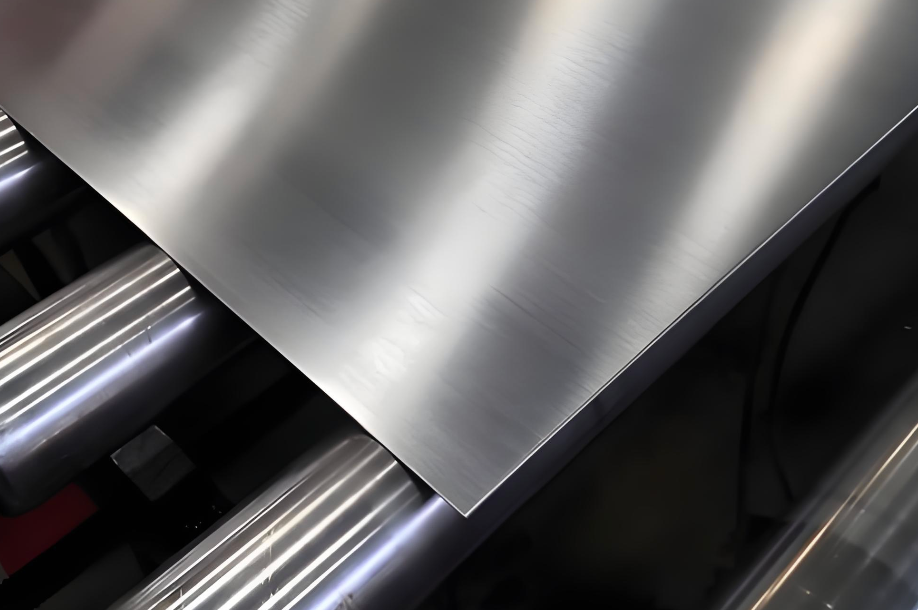
I. Steel Plate Prices
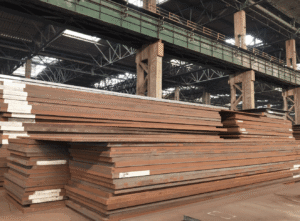
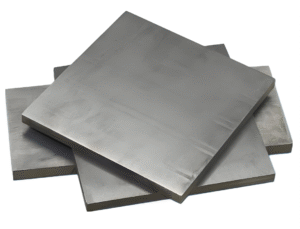
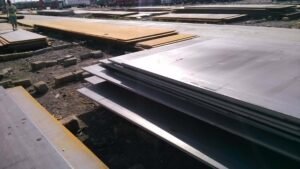
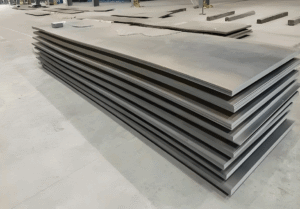
1.1 Placas de acero al carbono
- Q235 grade: 5mm thick at 3,200–3,300 RMB/ton; 10mm thick at 3,350–3,450 RMB/ton; 18mm thick at 3,500–3,600 RMB/ton (MOQ ≥ 5 tons).
- SS400 grade: 10mm thick at 3,400–3,500 RMB/ton; 18mm thick at 3,600–3,700 RMB/ton; 20mm thick at 3,650–3,750 RMB/ton (MOQ ≥ 5 tons).
- A36 grade (import level): 10mm thick at 480–520 USD/ton; 18mm thick at 500–550 USD/ton (MOQ ≥ 10 tons).
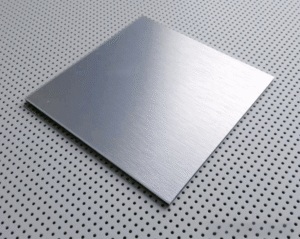
1.2 Placas de acero inoxidable
- 304 grade: 1.0mm thick at 1,250–1,350 USD/ton; 3.0mm thick at 1,300–1,400 USD/ton; 5.0mm thick at 1,350–1,450 USD/ton.
- 316L grade: 1.0mm thick at 1,800–1,900 USD/ton; 3.0mm thick at 1,850–1,950 USD/ton (better corrosion resistance than 304, at a higher price).
1.3 Price Comparison: Hot-Rolled vs. Cold-Rolled Steel Plates
Due to different production processes, hot-rolled and cold-rolled steel plates show obvious price differences (March 2026 quotations):
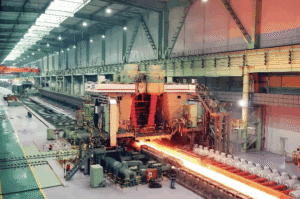
- Hot-rolled steel plates: 1.8mm/Q235B at 3,560 RMB/ton; 4.75mm/Q235 at 3,246.6–3,290 RMB/ton. With simple production and lower costs, they are generally cheaper than cold-rolled plates, suitable for construction, steel structures and other low-precision applications.
- Cold-rolled steel plates: 1.0mm/ST12 at 3,980 RMB/ton; 2.0mm/ST12 at 4,050 RMB/ton. Featuring high precision and smooth surfaces, they cost 400–500 RMB/ton more than equivalent hot-rolled plates, ideal for machinery manufacturing, home appliances and other high-precision fields.
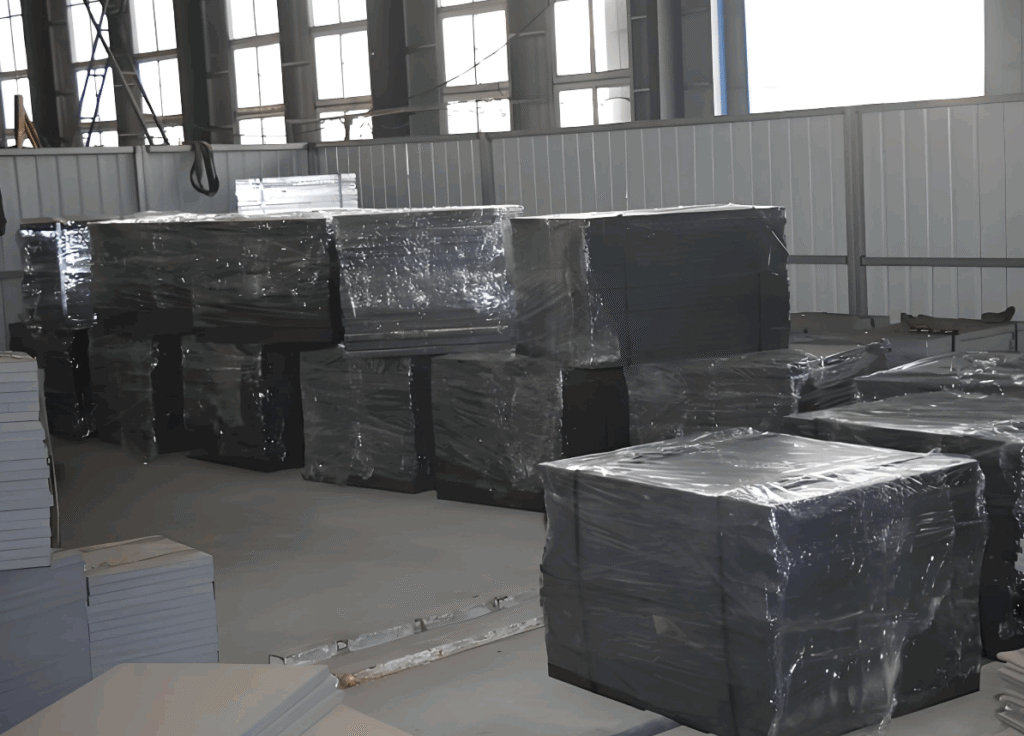
II. Factors Influencing 2026 Steel Plate Prices
2.1 Raw Material Costs
Iron ore and scrap steel are the core raw materials for steel plate production, with iron ore accounting for 60%–70% of production costs. Since March 2026, iron ore prices have fluctuated slightly. As of March 19, the main iron ore futures price stood at 807.5 RMB/ton, down 4.5 RMB or 0.56% from the previous trading day, with a fluctuation range within ±5% over the past 10 days.
According to the Dalian Commodity Exchange, iron ore prices rose continuously in early March and eased slightly in mid-March, mainly due to stable overseas mine capacity and sufficient iron ore inventories at domestic ports, which eased supply tightness and indirectly restrained sharp rises in steel plate prices. In addition, scrap steel prices have remained at 2,800–2,900 RMB/ton recently, with minor fluctuations having limited impact on steel plate prices.
2.2 Supply and Demand
Supply and demand is the core factor driving short-term steel plate price fluctuations, analyzed from demand and supply sides:
(1) Demand Side
Domestic steel plate demand saw a steady recovery in Q1 2026, supported mainly by construction, machinery manufacturing and shipbuilding:
- Construcción: Spring infrastructure projects started intensively, sharply boosting demand for hot-rolled and medium-thick plates.
- Machinery manufacturing: Steady growth in automobile and engineering machinery output sustained demand for cold-rolled and stainless steel plates.
- Construcción Naval: Rising global ship orders lifted demand for medium-thick plates.
Meanwhile, weak demand in some sectors (e.g., home appliances) partially capped price gains.
(2) Supply Side
Domestic steel mills maintained stable capacity, with operating rates at 85%–90% in Q1 2026, ensuring sufficient steel plate output and easing supply shortages. However, tightened environmental policies forced some small and medium-sized mills to cut production, leading to tight local supply and mild regional price increases. In addition, resumed overseas mill capacity and increased imported steel plate supplies also restrained domestic prices from large fluctuations.
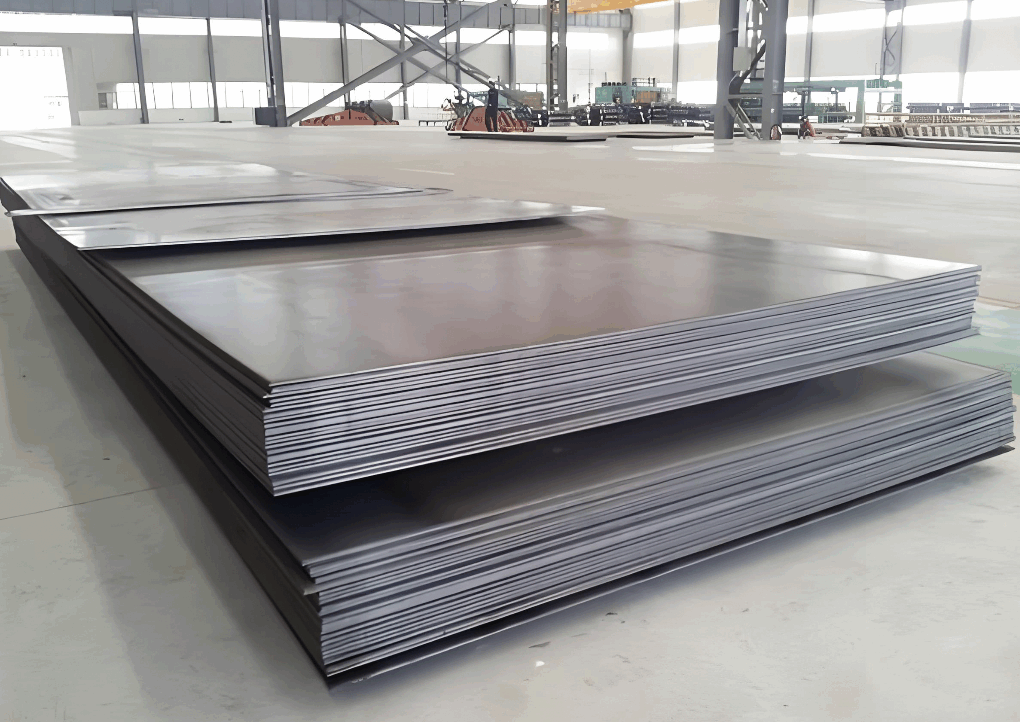
III. 2026 Steel Plate Price Trend and Forecast
3.1 Q1 2026 Price Trend Summary
Domestic steel plate prices in Q1 2026 generally rose first then stabilized with mild fluctuations:
- January: Prices edged up as mill operating rates fell and restocking demand rose ahead of the Spring Festival.
- February: Prices stayed flat with thin market trading during the holiday.
- March: Prices fluctuated slightly as mill operations recovered, supply increased and infrastructure demand rebounded, with overall average prices up 2%–3% from early January.
According to the National Bureau of Statistics, prices of hot-rolled coils (4.75–11.5mm, Q235) and medium plates (20mm, Q235) both rose 0.2% in early March from late February, showing a stable trend.
3.2 Q2–Q4 2026 Price Forecast
Based on raw material costs, supply-demand dynamics and policies, the forecast for Q2–Q4 2026 is as follows (for reference only):
- Q2 (April–June): Prices expected to rise mildly by 3%–5%, driven by ongoing infrastructure demand, potential iron ore increases and possible stricter environmental production restrictions. The overall average price is forecast at 3,400–4,700 RMB/ton, with stainless steel plates rising slightly faster than carbon steel plates.
- Q3 (July–September): Prices expected to stabilize with minor fluctuations (±2%), as high temperatures slow construction, mill output stays sufficient and raw material costs remain steady.
- Q4 (October–December): Prices expected to edge down by 2%–3%, due to slower winter construction, increased mill output to meet annual targets and possible lower iron ore costs. The overall average price is forecast to drop to 3,300–4,500 RMB/ton.
Overall, 2026 domestic steel plate prices will be stable with mild fluctuations, with no risk of sharp swings.
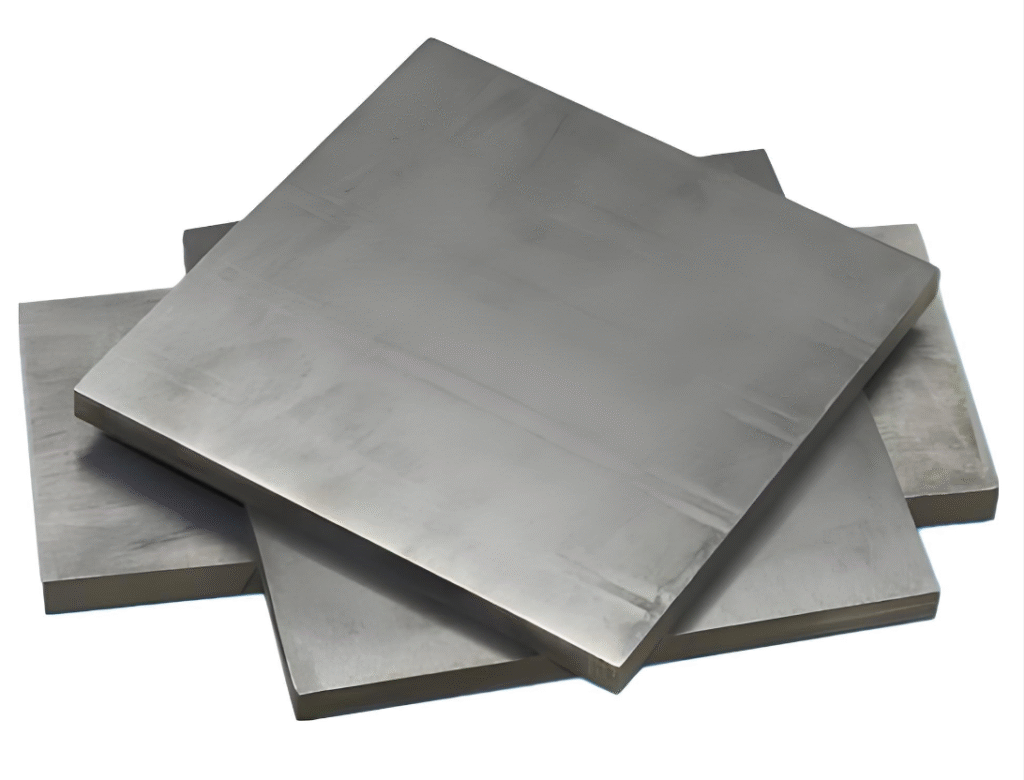
IV. Preguntas frecuentes
Q: What is the current price per ton of steel plate in 2026?
A: Domestic steel plates range from 3,200 to 4,500 RMB/ton, including carbon steel plates at 3,200–3,700 RMB/ton and stainless steel plates at 1,250–2,300 USD/ton (≈8,800–16,000 RMB/ton). Exact prices vary by grade, thickness, region and order volume.
Q: Why do steel plate prices fluctuate frequently?
A: Key reasons:
Fluctuations in raw materials (iron ore, scrap steel) directly affect production costs.
Changes in supply and demand.
Indirect impacts from environmental policies, geopolitics, exchange rates and other external factors.
Q: Which is cheaper, hot-rolled or cold-rolled steel plate?
A: Hot-rolled steel plates are cheaper, 400–500 RMB/ton lower than equivalent cold-rolled plates, due to simpler production and lower costs.
Q: Will steel plate prices rise in 2026?
A: Overall prices will fluctuate mildly: a small rise (3%–5%) is likely in Q2, stability in Q3 and a slight decline in Q4, with no sharp increase risk.
V. Conclusión
Domestic steel plate prices in 2026 will remain stable with mild fluctuations. Raw material costs, supply-demand relations and environmental policies are the core influencing factors.
Referencias
- Tonghuashun Financial Database: Daily Market Quotation of Main Iron Ore Futures (IZL2) (March 19, 2026), providing core data such as iron ore futures prices, positions and trading volumes to support raw material cost analysis.
- National Bureau of Statistics: Price Changes of Important Means of Production in Circulation in Early March 2026 (March 14, 2026), offering authoritative data on domestic steel plate (medium plate, hot-rolled coil) price changes.


 English
  Spanish
  Afrikaans