
El acero niquelado es un material metálico compuesto formado por la deposición uniforme de una capa de níquel sobre la superficie del acero mediante procesos de galvanoplastia o electrodeposición. Integra perfectamente la alta resistencia y tenacidad del acero base con la resistencia a la corrosión, la resistencia al desgaste y el aspecto estético de la capa de níquel. En este artículo se analiza en profundidad el acero niquelado desde el punto de vista de su definición, tipos, propiedades, procesos de fabricación y escenarios de aplicación.
1. ¿Qué es el acero niquelado?
Profesionalmente, el acero niquelado es un material compuesto con una capa de níquel (el contenido de níquel suele oscilar entre 5% y 15%) depositada sobre la superficie de un sustrato de acero con bajo contenido de carbono o de acero aleado con contenido medio de carbono mediante procesos de niquelado específicos. El acero base, compuesto principalmente de carbono, manganeso y silicio, determina la resistencia mecánica global del material. La capa superficial de níquel cumple funciones de protección, decoración y mejora funcional, y su espesor y pureza afectan directamente al rendimiento final del acero niquelado.
En comparación con los materiales de níquel puro, el acero niquelado reduce enormemente los costes de producción. En comparación con el acero ordinario, consigue notables mejoras en el rendimiento protector y la textura superficial, lo que lo convierte en un material metálico protector muy rentable.
La principal ventaja del acero niquelado reside en sus equilibradas propiedades mecánicas y superficiales. Conserva la alta resistencia y la excelente maquinabilidad del acero base, lo que permite la embutición profunda, el estampado, la soldadura y otras técnicas de procesamiento industrial. Mientras tanto, hereda la extraordinaria resistencia a la corrosión y al desgaste de la capa de níquel, así como una conductividad eléctrica y unas propiedades magnéticas favorables para adaptarse a requisitos funcionales diversificados. Clasificado según la tecnología de niquelado, el acero niquelado se divide principalmente en acero niquelado galvánico y acero niquelado químico. Los dos tipos difieren significativamente en rendimiento, coste y ámbito de aplicación para satisfacer las demandas personalizadas de diversas industrias.
2. Tipos de acero niquelado
De acuerdo con las convenciones de aplicación industrial y las características técnicas, el acero niquelado puede clasificarse en tres categorías: brillo superficial, proceso de revestimiento y finalidad de la aplicación. Cada tipo se adapta a distintos escenarios para satisfacer las diversas demandas de los clientes.
Clasificación por brillo superficial
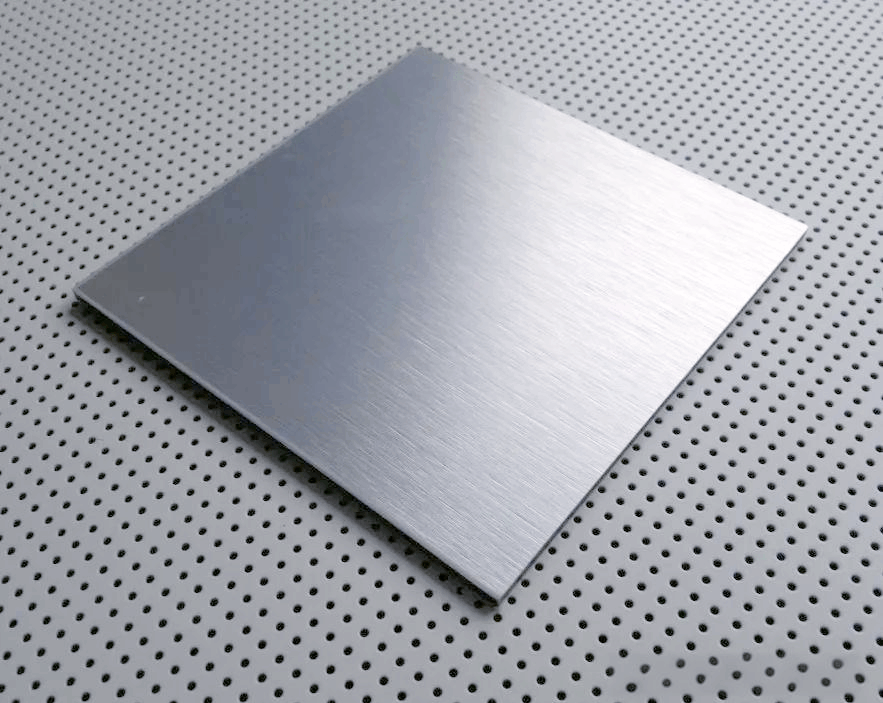
Se divide en acero niquelado brillante y acero niquelado mate. El acero niquelado brillante se caracteriza por su superficie lisa, alta reflectividad y acabado refinado tras un pulido preciso, que se aplica principalmente en campos decorativos, carcasas electrónicas, accesorios de ferretería y otros productos con estrictos requisitos estéticos. El acero niquelado mate tiene una baja reflectividad superficial y una textura discreta, y da prioridad a propiedades prácticas como la resistencia al desgaste y a la corrosión. Se utiliza mucho para componentes industriales y piezas estructurales mecánicas con bajos requisitos estéticos.
Clasificación por proceso de revestimiento
Se divide en acero niquelado galvánico y acero niquelado químico.
El acero niquelado electrolítico se fabrica mediante deposición electrolítica. Los sustratos de acero se sumergen en electrolito de sal de níquel y se aplica corriente para facilitar la deposición de iones de níquel en la superficie del acero. Con una tecnología madura y una alta eficiencia de producción, este proceso permite un control preciso sobre el espesor del recubrimiento (1 μm-10 μm), adecuado para la producción estandarizada en masa a gran escala. Es el tipo más utilizado en el mercado actual.
El niquelado químico del acero no requiere corriente eléctrica externa. Los iones de níquel se depositan automáticamente en la superficie del acero mediante reacciones químicas. Proporciona una uniformidad de recubrimiento superior, cero porosidad y mayor resistencia a la corrosión, lo que resulta adecuado para el chapado de componentes de formas complejas y piezas de precisión. No obstante, su coste de producción es relativamente más elevado y se utiliza principalmente en la fabricación de piezas de precisión de gama alta.
Clasificación por finalidad de aplicación
Se clasifica en acero niquelado para baterías, acero niquelado para automoción, acero niquelado decorativo y acero niquelado industrial.
El acero niquelado para baterías presenta una alta conductividad eléctrica y un revestimiento fino, adecuado para lengüetas de baterías, carcasas y otros componentes.
El acero niquelado para automoción da prioridad a la resistencia a la corrosión y al desgaste, y se aplica en tubos de combustible, terminales y componentes clave.
El acero niquelado decorativo se centra en la textura de la superficie para muebles y decoración arquitectónica.
El acero niquelado industrial hace hincapié en la resistencia a altas temperaturas y al desgaste para componentes sometidos a condiciones de trabajo complejas, como ranuras de arco eléctrico y sensores.
3. Precios del acero niquelado
El precio del acero niquelado fluctúa considerablemente en función de las especificaciones, el grosor del revestimiento, el proceso de revestimiento, la cantidad de compra y la región del proveedor. A continuación se muestra la gama de precios convencional a partir de abril de 2026 solo como referencia de compra:
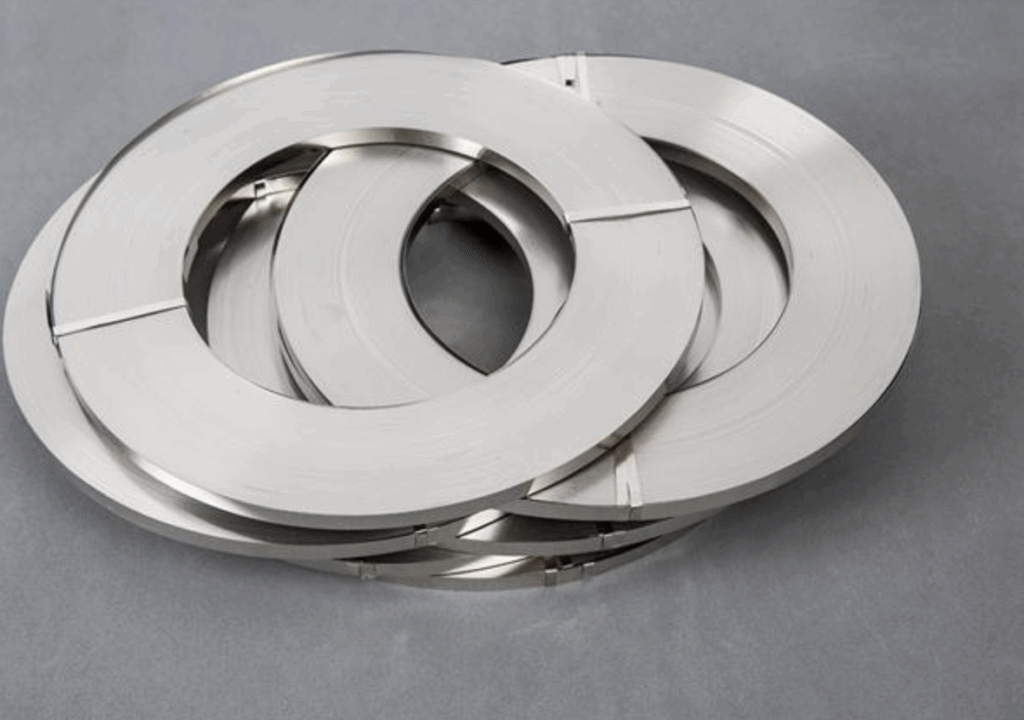
- Cinta de acero niquelado: 0,646 - 18,09 dólares por kilogramoRecubrimiento fino (1 μm-3 μm) con especificaciones regulares (anchura: 10 mm-100 mm, grosor: 0,2 mm-0,5 mm): USD 0,646 - 5,0 por kilogramoRecubrimiento grueso (5 μm-10 μm) con especificaciones especiales: USD 5,0 - 18,09 por kilogramo
- Chapa de acero niquelado: 10,34 - 1395,30 USD por tonelada métricaEspecificaciones normales (grosor: 0,5 mm-2,5 mm, anchura: 100 mm-400 mm): 10,34 - 500 USD por tonelada métricaEspecificaciones especiales y productos personalizados de alto rendimiento: 500 USD - 1395,30 USD por tonelada métrica
Cabe destacar que el acero niquelado químico es 20%-50% más caro que el acero niquelado galvánico. El precio unitario disminuye con un mayor volumen de compra. Los proveedores de China, Vietnam y otras regiones asiáticas ofrecen precios 10%-30% más bajos que los proveedores europeos y americanos. Los compradores pueden seleccionar a los proveedores en función de la demanda real y el presupuesto.
4. Principales propiedades del acero niquelado
Las propiedades del acero niquelado vienen determinadas por su estructura compuesta con ventajas complementarias, que respaldan sus amplias aplicaciones en múltiples industrias, con las siguientes especificaciones detalladas:
Resistencia a la Corrosión
Esta es una de las principales propiedades del acero niquelado. La densa capa de níquel sirve de barrera física para aislar el oxígeno, la humedad y otros medios corrosivos del aire, evitando la oxidación y herrumbre del acero base. Su comportamiento es excelente en ambientes húmedos, salinos y ligeramente ácidos o alcalinos.
La resistencia a la corrosión está estrechamente relacionada con el grosor y la integridad del revestimiento. El acero base se corroerá rápidamente cuando el revestimiento esté dañado, sea excesivamente fino o poroso, lo que acortará la vida útil de los productos.
Resistencia al desgaste
La capa de níquel posee una dureza inherente, lo que mejora enormemente la resistencia al desgaste de la superficie de los sustratos de acero y reduce la pérdida por fricción de los componentes durante el funcionamiento, alargando así la vida útil del producto. Es ideal para piezas mecánicas expuestas con frecuencia a la fricción y accesorios de ferretería como bisagras, engranajes y conectores.
Apariencia estética
El acero niquelado brillante tiene una superficie lisa, un brillo intenso y un color uniforme. Puede sustituir parte de los metales preciosos en aplicaciones decorativas con un coste menor. Además, la capa de níquel presenta una excelente estabilidad química frente a la decoloración y el desteñido, manteniendo un aspecto atractivo durante un uso prolongado. Se utiliza mucho en decoración de muebles, ornamentación arquitectónica y carcasas de dispositivos electrónicos.
Resistencia mecánica
El acero niquelado hereda la alta resistencia y tenacidad del acero base, con una resistencia a la tracción y a la compresión básicamente consistente con el acero al carbono ordinario para satisfacer los requisitos de rendimiento mecánico industrial. Presenta una excelente maquinabilidad, soportando procesos de embutición profunda, estampación, soldadura, doblado y otros procesos compatibles con la producción en masa sin necesidad de ajuste adicional del equipo.
Otras propiedades
El acero niquelado también presenta una conductividad eléctrica favorable y un rendimiento de blindaje electromagnético para componentes electrónicos y eléctricos que mejora la estabilidad del dispositivo y suprime las interferencias electromagnéticas. El acero niquelado de alta calidad puede soportar temperaturas superiores a 200℃, adaptándose a condiciones de trabajo de temperatura media-alta. Además, la capa de níquel se adhiere firmemente al sustrato de acero con baja tendencia a la descamación para un servicio estable a largo plazo.
5. Ventajas y limitaciones del acero niquelado
Combinado con las prácticas de aplicación industrial, el acero niquelado presenta claras ventajas y limitaciones. La comprensión racional de sus características facilita la selección del escenario adecuado y evita el mal uso de la aplicación.
Ventajas
- Rentabilidad excepcional: En comparación con el acero inoxidable y otros materiales de aleación, el acero niquelado cuesta menos a la vez que consigue una resistencia comparable a la corrosión y al desgaste, siendo un material óptimo que equilibra rendimiento y coste.
- Procesabilidad flexible: El grosor del revestimiento, el brillo de la superficie y las especificaciones dimensionales se pueden personalizar para satisfacer las diversas demandas industriales.
- Amplio ámbito de aplicación: Es de aplicación universal en los sectores de baterías, automoción, electrónica y decoración.
- Tecnología de fabricación madura: la alta eficiencia de la producción en masa favorece la aplicación industrial a gran escala.
Limitaciones
- Su coste es más elevado que el del acero al carbono sin revestimiento, por lo que no resulta rentable para situaciones en las que los costes son importantes y no se requiere protección contra la corrosión.
- Rendimiento limitado a altas temperaturas: La capa de níquel tiende a oxidarse y desprenderse bajo altas temperaturas prolongadas superiores a 200℃, debilitando los efectos protectores.
- Requisitos estrictos sobre la integridad del revestimiento: Una vez dañado, el acero base se corroe más rápidamente que el acero al carbono ordinario.
- Porosidad parcial en la capa de níquel galvanizado: Se requiere un tratamiento posterior adicional en entornos corrosivos severos para mejorar el rendimiento de la protección.
6. Procesos de fabricación del acero niquelado
En la actualidad, los principales procesos industriales de fabricación de acero niquelado se dividen en galvanoplastia y electrodeposición, con distintos principios, procedimientos y escenarios de producción aplicables.
Proceso de electrodeposición del acero niquelado
Basado en el principio de deposición electrolítica, los sustratos de acero actúan como cátodos y las placas de níquel como ánodos, ambos sumergidos en electrolito de sal de níquel. Con el suministro de corriente constante, las placas de níquel se disuelven y los iones de níquel se depositan en la superficie de acero del cátodo para formar el recubrimiento de níquel.
El flujo completo del proceso incluye el pretratamiento del sustrato (desengrasado, eliminación de óxido, activación), la galvanoplastia, la limpieza y el secado, con postratamiento opcional para productos de primera calidad.
Este proceso se caracteriza por una alta eficiencia de producción y un coste relativamente bajo con un espesor de recubrimiento controlable, adecuado para la producción en masa estandarizada de acero niquelado brillante y productos industriales convencionales, dominando las aplicaciones actuales del mercado.
Proceso de electrodeposición para acero niquelado
Basándose en una reacción química autocatalítica sin corriente externa, los sustratos de acero se sumergen en una solución de revestimiento químico electrolítico que contiene sales de níquel y agentes reductores. Los iones de níquel se depositan espontáneamente en la superficie del acero para formar un revestimiento uniforme.
El flujo del proceso consiste en el pretratamiento del sustrato, el metalizado químico, la limpieza, el secado y el postratamiento.
Proporciona una uniformidad de revestimiento superior y una porosidad nula con una mayor resistencia a la corrosión, lo que resulta adecuado para componentes de formas complejas y alta precisión en electrónica de gama alta y maquinaria de precisión. Sus desventajas son un coste de producción más elevado y una menor eficiencia que la galvanoplastia, principalmente para la producción de lotes pequeños de alta precisión.
Procesos posteriores al tratamiento
El postratamiento es indispensable tanto para el acero electrodepositado como para el niquelado químico a fin de mejorar la fuerza de adherencia del revestimiento al sustrato, la resistencia a la corrosión y la estabilidad a altas temperaturas. Entre las técnicas de postratamiento más comunes se encuentran el recocido por difusión y la pasivación.
El recocido por difusión forma una capa de difusión entre la capa de níquel y el sustrato de acero para mejorar en gran medida la adherencia interfacial y evitar el desprendimiento del revestimiento.
La pasivación forma una densa película pasiva sobre la superficie de níquel para mejorar aún más la resistencia a la corrosión.

7. Escenarios de aplicación del acero niquelado
7.1 Industria de las pilas
La industria de las baterías es uno de los principales campos de aplicación del acero niquelado, ampliamente utilizado para carcasas, lengüetas y conectores de baterías de litio, baterías de níquel-cadmio y baterías de níquel-hidrógeno. Es el más utilizado en baterías de litio, incluidas las lengüetas y carcasas de 18650, 21700 y otras pilas de litio.
El acero niquelado destaca por su conductividad eléctrica, resistencia a la corrosión y maquinabilidad, compatible con la soldadura por puntos, el estampado y otros procesos de producción en serie a bajo coste para satisfacer las demandas de fabricación de baterías a gran escala.
Además, empresas como Nippon Steel Sumitomo Metal están desarrollando láminas de acero niquelado de 6 μm de grosor para electrodos negativos de baterías de litio con una adherencia interfacial estable, lo que se espera que mejore el rendimiento de las baterías.
7.2 Industria del automóvil
Los componentes de automoción requieren una gran resistencia a la corrosión y al desgaste, por lo que el acero niquelado se aplica ampliamente en tubos de combustible, terminales, soportes y tiradores de puertas.
Los componentes de acero niquelado, como los tubos de combustible y los terminales, resisten la corrosión del combustible y la erosión ambiental provocada por la humedad, la lluvia y la sal, lo que garantiza una larga vida útil. El acero niquelado brillante se utiliza en piezas decorativas como los tiradores de las puertas para mejorar el aspecto exterior con prestaciones antioxidantes.
7.3 Industria eléctrica y electrónica
En ingeniería eléctrica y electrónica, el acero niquelado se aplica en conectores electrónicos, núcleos de transformadores, estatores, rotores y componentes de apantallamiento EMI/RFI. Su excelente conductividad eléctrica y apantallamiento electromagnético mejoran la estabilidad de los dispositivos y suprimen las interferencias electromagnéticas externas. Su gran resistencia a la corrosión prolonga la vida útil de las piezas electrónicas.
Por ejemplo, los conectores de acero niquelado para teléfonos móviles y ordenadores mejoran la fiabilidad y durabilidad de la conexión. Los núcleos de transformadores de acero niquelado aumentan la permeabilidad magnética y reducen el consumo de energía.
7.4 Industria de decoración y ferretería
Se trata de un ámbito de aplicación tradicional del acero niquelado para accesorios de ferretería, herrajes para muebles y ornamentos arquitectónicos, como bisagras, tiradores, listones decorativos y cerraduras de puertas.
El acero niquelado brillante, de textura suave y brillo uniforme, puede sustituir al cobre y al acero inoxidable para reducir el coste de forma significativa. Su superior resistencia a la corrosión evita que se oxiden los herrajes y las piezas decorativas en ambientes húmedos. Empresas como Wenzhou Datong Metal Products llevan más de 20 años especializándose en el procesamiento de tornillería niquelada, con una excelente reputación industrial.

8. Guía para la adquisición de acero niquelado
En primer lugar, seleccione los tipos adecuados en función de los escenarios de aplicación:
- El acero niquelado brillante es el preferido para escenarios decorativos que priorizan el brillo superficial y la estética.
- El acero niquelado químico se recomienda para entornos industriales difíciles (húmedos, ligeramente corrosivos) que requieren una excelente uniformidad y resistencia a la corrosión.
- Las tiras de acero niquelado de alta conductividad y revestimiento fino son ideales para aplicaciones de baterías y electrónica centradas en la maquinabilidad y la conductividad.
- El acero niquelado galvánico es una opción rentable para los escenarios industriales convencionales.
En segundo lugar, verificar la calidad del revestimiento. Aclare los parámetros básicos, como el grosor del revestimiento y el contenido de níquel, y solicite informes de inspección de calidad a los proveedores para garantizar un revestimiento no poroso, uniforme y sin defectos, con una fuerte adherencia al sustrato. El postratamiento de pasivación es necesario para los productos que se utilizan en entornos muy corrosivos.
En tercer lugar, confirme las especificaciones dimensionales. Defina el grosor, la anchura, la longitud y las tolerancias dimensionales en función del equipo de procesamiento. Los fabricantes cualificados, como Jiashan Junrun Intelligent Technology y Zhejiang Yien Surface Technology, ofrecen productos personalizados de tamaño especial.
En cuarto lugar, evalúe los costes y la cualificación de los proveedores. Dé prioridad a los proveedores cualificados, experimentados y reputados para evitar los riesgos de calidad de los pequeños talleres no cualificados. Compare exhaustivamente las ofertas en función de la calidad del producto y el plazo de entrega para optimizar los costes. Para la compra a granel, negocie precios favorables y confirme la cantidad mínima de pedido (MOQ: 1 kg para productos convencionales) y el calendario de entrega. Además, seleccione proveedores que ofrezcan servicios integrales, como consultas técnicas, pruebas de muestras y asistencia posventa.
9. Preguntas frecuentes
P1: ¿Se oxida el acero niquelado?
R: La aparición de óxido depende de la integridad del revestimiento, el espesor y el entorno de servicio. Un recubrimiento de níquel intacto con un espesor suficiente (≥3 μm) aísla eficazmente el oxígeno y la humedad para evitar la corrosión del acero base. La oxidación se producirá rápidamente una vez que el revestimiento esté dañado, sea excesivamente fino o poroso, con una corrosión más rápida en ambientes húmedos y salinos. El acero niquelado químico presenta una mayor resistencia a la corrosión y una velocidad de oxidación más lenta que los productos electrodepositados. Evitar daños en el revestimiento prolonga eficazmente la vida útil en las aplicaciones diarias.
P2: ¿Es resistente a la corrosión el acero niquelado?
R: Sí. El acero niquelado posee una resistencia a la corrosión favorable, con un rendimiento excepcional en entornos corrosivos suaves como el aire húmedo y condiciones de ácidos/álcalis débiles frente a la oxidación y la corrosión. Para entornos corrosivos severos, como alta salinidad y ácidos/álcalis fuertes, se requiere un espesor de revestimiento suficiente y un tratamiento posterior. Su resistencia a la corrosión es ligeramente inferior a la del acero inoxidable. El espesor del revestimiento y el proceso de chapado pueden seleccionarse en función de las condiciones de corrosión reales.
P3: ¿Qué diferencia hay entre el acero niquelado y el acero inoxidable?
R: Sus principales diferencias radican en la estructura del material y el mecanismo anticorrosión. El acero inoxidable es una aleación integral compuesta de hierro, cromo, níquel y otros elementos con una resistencia general inherente a la corrosión sin necesidad de chapado adicional. El acero niquelado es un sustrato de acero al carbono recubierto con una capa superficial de níquel, con un rendimiento protector sólo en la superficie.
En términos de propiedades, el acero inoxidable tiene una resistencia superior a las altas temperaturas para un funcionamiento a largo plazo a altas temperaturas. El acero niquelado ofrece mayor flexibilidad de procesamiento, parámetros de revestimiento personalizables y menor coste.
En cuanto a su aplicación, el acero inoxidable se adapta a situaciones de corrosión severa y altas temperaturas, mientras que el acero niquelado es más universal para situaciones de coste reducido con requisitos de protección moderados.
P4: ¿Cuál es la vida útil del acero niquelado?
R: No existe una vida útil fija, que viene determinada por la calidad del revestimiento, el grosor y el entorno de funcionamiento.
- En condiciones normales de interior seco: Los productos con un grosor de revestimiento ≥3 μm pueden servir de varios a más de diez años.
- En condiciones industriales duras (húmedas, salinas, ligeramente corrosivas) con revestimiento intacto: La vida útil oscila entre 3 y 5 años.
- Con revestimiento dañado y sin tratar: En general, un revestimiento más grueso y de mayor calidad se corresponde con una vida útil más larga.
P5: ¿Se puede soldar el acero niquelado?
R: Sí. El acero niquelado tiene una excelente soldabilidad, compatible con la soldadura por puntos, la soldadura láser, la soldadura por arco y otros procesos para la producción en serie de lengüetas de baterías y terminales de automoción.
En particular, la capa de níquel local se desprenderá durante la soldadura. Para evitar la corrosión del acero base y mantener el rendimiento general de la protección, es necesario volver a soldar o aplicar un tratamiento de pasivación en las juntas de soldadura.

10. Conclusión
Como material metálico compuesto que integra la resistencia del acero y la protección de la capa de níquel, el acero niquelado se ha convertido en un material industrial fundamental con ventajas de rendimiento de alto coste, procesabilidad flexible y amplia aplicabilidad, desempeñando un papel insustituible en las industrias de baterías, automoción, electrónica y decorativa.
Su principal valor reside en resolver a bajo coste los inconvenientes inherentes al acero ordinario, como la facilidad de oxidación y la escasa resistencia al desgaste, manteniendo al mismo tiempo las propiedades estéticas y funcionales. El tipo de producto, el proceso de revestimiento y las especificaciones pueden seleccionarse en función de los requisitos de cada aplicación.
Para más información, póngase en contacto con Tonghui.
Referencias
- Norma nacional china: Recubrimientos metálicos - Recubrimientos de níquel electrodepositado sobre acero (GB/T 12332-2008)
- Norma internacional ASTM: Especificación estándar para recubrimientos de níquel electrodepositado sobre acero (ASTM B689)
- Norma de la Unión Europea: Recubrimientos metálicos - Recubrimientos de níquel sobre acero - Especificaciones y métodos de ensayo (EN ISO 4521)


 English
  Spanish
  Afrikaans