
Plate stainless steel 304 is the most widely used austenitic stainless Chapa de Acero worldwide. Boasting core advantages such as excellent corrosion resistance, high strength, and easy formability, it is extensively applied across industries including manufacturing, food & medical, and architectural decoration. This article provides a comprehensive overview of plate stainless steel 304 covering its definition, price, properties, applications, and purchasing techniques.
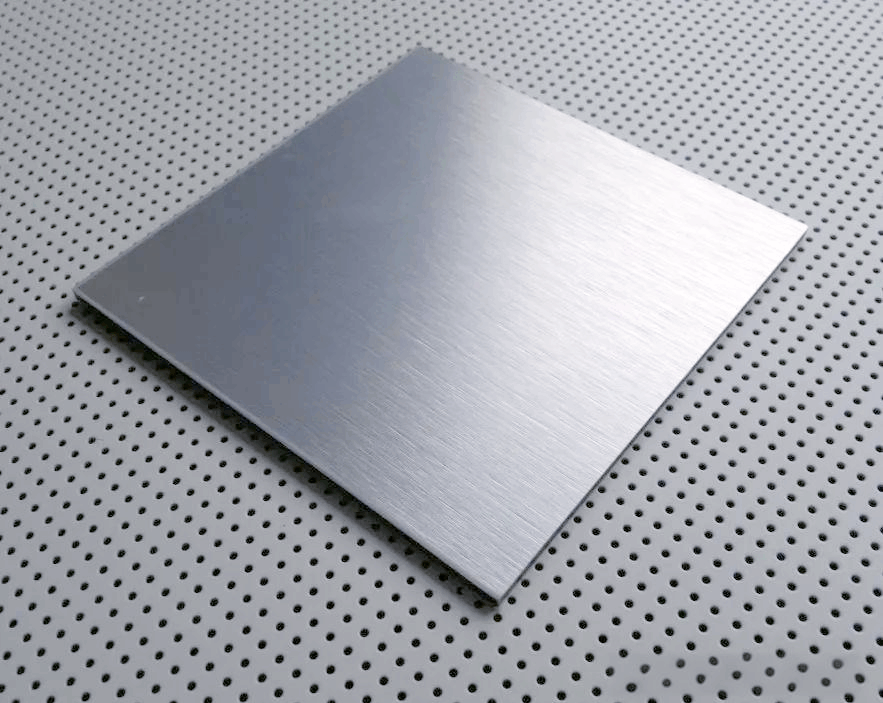
1. What is Plate Stainless Steel 304?
Plate stainless steel 304 is essentially an austenitic acero inoxidable, also known in the industry as “18/8 stainless steel” due to its nominal composition of approximately 18% chromium and 8% nickel. It is the most versatile and widely used stainless steel plate grade globally.
It corresponds to well-recognized international standards:
- AISI 304 (US standard)
- UNS S30400 (Unified Numbering System, US)
- EN 1.4301 (EU standard)
- JIS SUS 304 (Japanese standard)
- GB 06Cr19Ni10 (Chinese national standard)
placas de acero inoxidable 304 under different standards share consistent core performance indicators, with only minor differences in production process details, all complying with globally accepted quality specifications.
Chemical Composition
The chemical composition of 304 stainless steel plate strictly adheres to industry standards:
- Chromium (Cr): 18.0–20.0%
- Nickel (Ni): 8.0–10.5%
- Carbon (C): ≤0.08%
- Manganese (Mn): ≤2.0%
- Silicon (Si): ≤1.0%
- Phosphorus (P): ≤0.045%
- Sulfur (S): ≤0.030%
Chromium is the key element for corrosion resistance, forming a dense passive oxide film on the surface to block corrosive media. Nickel stabilizes the austenitic structure, improving toughness and processability for easy welding and forming.
Core Standards
Global production and testing of 304 stainless steel plate mainly follow four core standards:
- ASTM A240 (American Society for Testing and Materials)
- ASME SA240 (American Society of Mechanical Engineers)
- EN 10088-2 (European standard for stainless steel plates)
- GB/T 3280-2015 (Chinese standard for cold-rolled stainless steel plates and strips)
These standards specify chemical composition, mechanical properties, dimensional tolerances, and surface quality. For example, ASTM A240 requires a tensile strength of ≥515 MPa and yield strength of ≥205 MPa. Buyers may request material test certificates to ensure compliance.
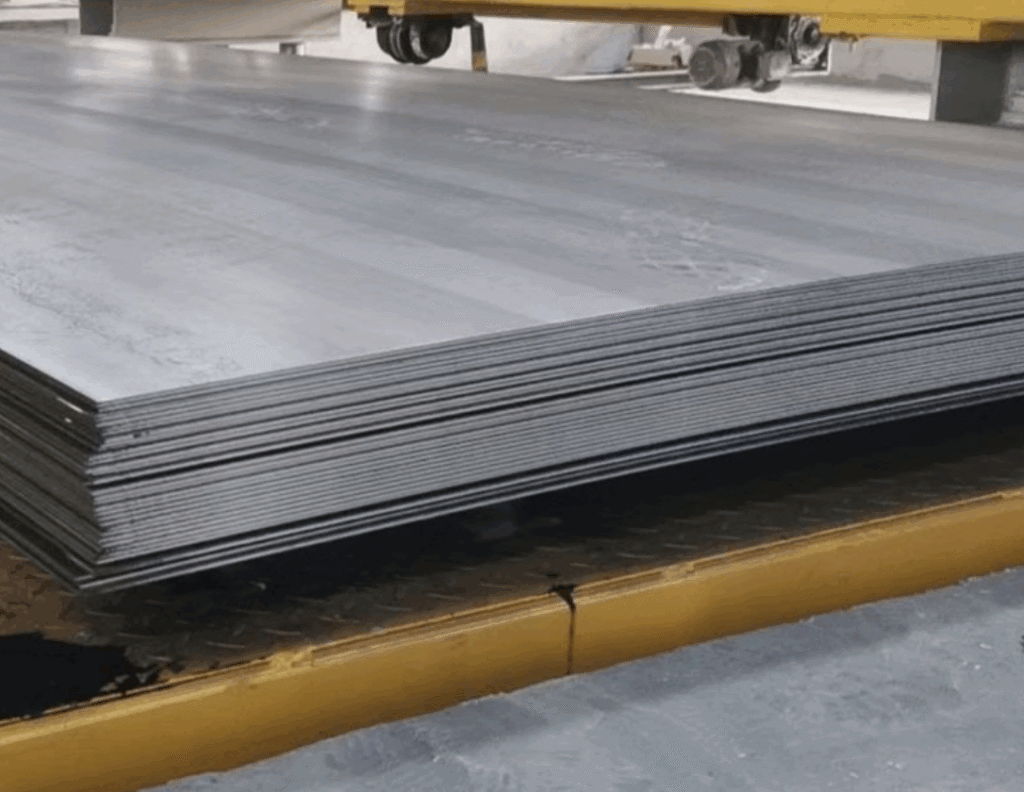
2. Core Properties of 304 Stainless Steel Plate
Resistencia a la Corrosión
As one of its most prominent advantages, the chromium passive film effectively resists corrosion from atmosphere, water, steam, most weak acids (e.g., acetic acid, citric acid), and weak alkalis (e.g., sodium hydroxide). It performs well in boiling nitric acid up to 65%, meeting corrosion requirements for most general applications.
However, in heavily polluted industrial environments or high-chloride conditions (e.g., marine settings, wastewater treatment), stress corrosion may occur. Regular cleaning or passivation is recommended. Direct contact with carbon steel should be avoided to prevent electrochemical corrosion.
Propiedades Mecánicas
Key mechanical properties (in line with industry standards):
- Density: 7.93 g/cm³
- Tensile strength: ≥515 MPa
- Yield strength: ≥205 MPa
- Elongation: ≥40%
- Hardness: ≤92 HRB
It features excellent formability and weldability, compatible with TIG, arc, and other common welding methods without pre- or post-weld heat treatment, reducing processing costs. It also performs well at low temperatures, operating stably from −196°C to 800°C without brittle transition. Continuous service temperature is generally limited to 925°C, as prolonged high heat may cause intergranular carbide precipitation and accelerated intergranular corrosion.
Other Advantages
- Good heat resistance: Long-term service up to 600°C, short-term up to 800°C, suitable for boilers and heat exchangers.
- Hygienic performance: Smooth, non-porous surface resists bacterial growth, meeting food-grade standards for food processing and medical devices.
- Non-magnetic behavior: No hardening from heat treatment; annealed 304 is non-magnetic, with slight magnetism possible after cold working, which does not affect performance.
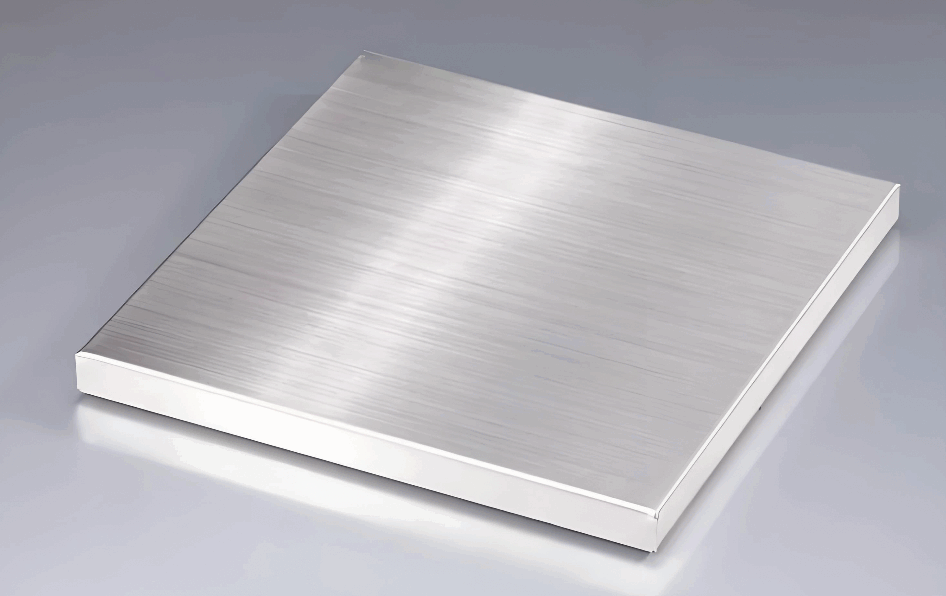
- Excellent polishability: Can be finished to mirror, brushed, or matte surfaces for architectural and furniture applications.
- High recyclability: Long service life with proper maintenance supports environmental sustainability.

3. Price of 304 Stainless Steel Plate
Prices are affected by specifications (thickness, width, length), surface finish (mirror, brushed, matte), order quantity, brand, and market conditions.
As of late March 2026, the latest market quotations are:
- Cold-rolled 304 stainless steel plate: Approximately 13,900–13,950 RMB/ton
- Hot-rolled 304 stainless steel plate: Approximately 13,800 RMB/ton
This converts to roughly 13.8–13.95 RMB/kg (1.9–2.0 USD/kg), subject to exchange rate fluctuations.
Market prices fluctuate with raw material costs (ferronickel, ferrochrome), mill production schedules, downstream demand, and geopolitical factors. Buyers are advised to compare quotes from 3–5 suppliers. Small orders (under a few tons) usually cost more, while bulk orders (dozens of tons or more) qualify for factory wholesale pricing.
4. Derivative Grades of 304 Stainless Steel Plate
304L Stainless Steel Plate
Characterized by ultra-low carbon (C ≤0.03%), 304L significantly reduces intergranular corrosion susceptibility after welding, eliminating the need for post-weld annealing. It is widely used for heavy-section weldments, chemical equipment, and petroleum pipelines to prevent corrosion failure.
304H Stainless Steel Plate
Featuring higher carbon content (0.04–0.10%), 304H offers greater high-temperature strength and stability at 500–800°C, ideal for high-temperature equipment, non-magnetic components, and boiler superheaters. Its corrosion resistance is slightly lower than standard 304 and 304L, making it unsuitable for highly corrosive environments.

5. Applications of 304 Stainless Steel Plate
Sector industrial
Widely used in oil and gas pipelines, power plant equipment, heat exchangers, boilers, chemical storage tanks, reactors, and conveying pipelines due to its corrosion resistance, heat resistance, and high strength. It also serves precision electronic components and automotive exhaust systems. Regular cleaning and passivation are recommended in harsh industrial or chloride-rich environments.
Food & Medical Sector
Compliant with food hygiene standards, 304 is odorless, easy to clean, and bacteria-resistant, making it suitable for food processing equipment (slaughtering, brewing, dairy), food containers, tableware, and kitchenware. In medical applications, it is used for device housings, surgical instruments, and sterilization equipment. Food-grade 304 has stricter limits on harmful elements and requires certified test reports.
Architectural Decoration Sector
Valued for its aesthetics, durability, low maintenance, and corrosion resistance, 304 is used in curtain walls, roofing, doors, windows, handrails, railings, and decorative components. It can be finished in mirror, brushed, or matte textures for modern, classical, or luxury architectural styles. It also appears in urban sculptures and landscape facilities for commercial buildings, residential complexes, and municipal projects.
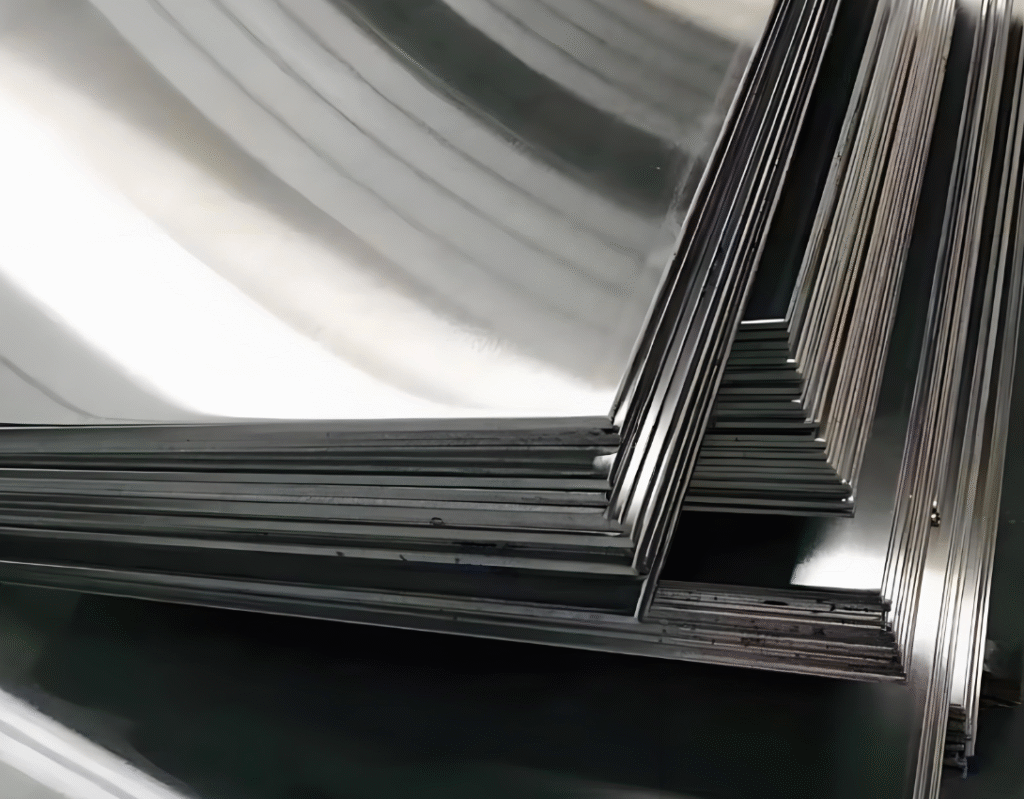
6. Grade Comparison & Selection Guide
6.1 304 vs 316 Stainless Steel Plate
Both are austenitic grades; key differences lie in composition and corrosion resistance:
- Composición:: 316 contains 2.0–3.0% molybdenum and slightly higher nickel (8.0–12.0%).
- Resistencia a la Corrosión: 316 is far superior, especially against pitting and crevice corrosion in chloride, seawater, and chemical environments.
- Precio: 316 costs 30–50% more than 304.
- Aplicación: Choose 304 for general use; select 316 for marine, chemical, or high-chloride conditions.
6.2 304 vs 430 Stainless Steel Plate
- Magnetism: 304 (annealed) is non-magnetic; 430 (ferritic) is magnetic.
- Resistencia a la Corrosión: 304 is significantly more corrosion-resistant.
- Precio: 430 costs 20–30% less.
- Aplicación: 430 is limited to dry, non-corrosive indoor decoration; 304 suits most general environments.
6.3 Selection Tips
- Corrosion environment: 304 for general atmosphere; 316 for harsh corrosion; 430 for dry decoration.
- Temperature: 304 for −196°C to 600°C; 304H for 500–800°C.
- Soldadura: 304L for welded components without post-weld annealing.
- Budget: Prioritize 304 for balanced performance and cost.
- Estándares: Comply with ASTM A240, GB/T 3280, or industry-specific hygiene requirements.
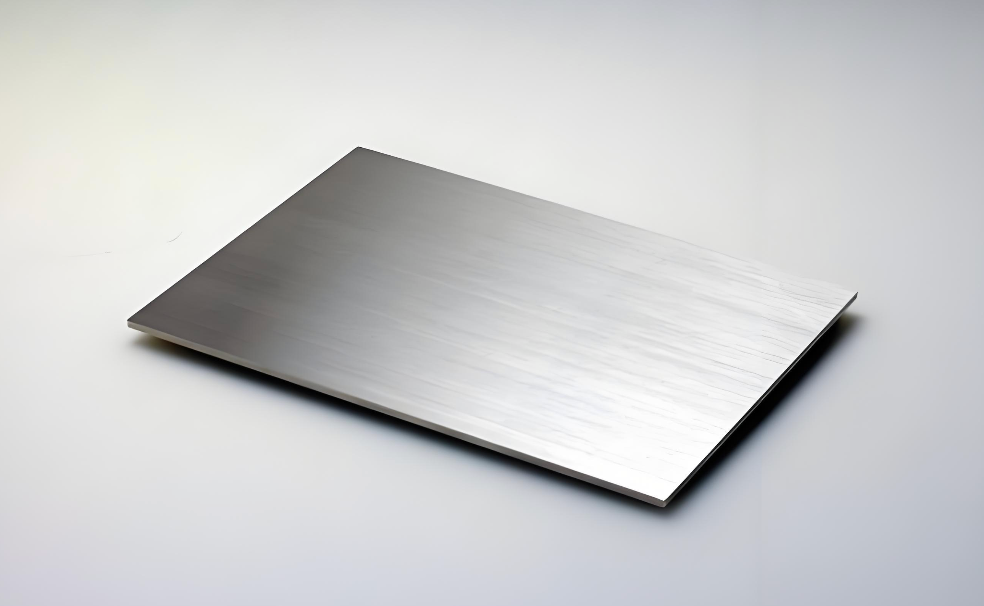
7. 304 Stainless Steel Plate Purchasing Guide
- Request Material Test Reports (MTCs):Verify compliance with standards such as ASTM A240 or GB/T 3280 to avoid counterfeit 304 (e.g., grade 201 with little to no nickel).
- Inspect Surface Quality:Check for smoothness, no scratches, dents, or rust spots, with uniform color. A magnet test can help: annealed 304 is non-magnetic; strong magnetism may indicate inferior material. Chemical testing is recommended for critical applications.
- Choose Reliable Suppliers:Prefer certified manufacturers with factories and good after-sales support over unregulated middlemen. Review reputation or conduct factory audits.
- Aclarar los requisitos:Specify thickness, width, length, surface finish, quantity, delivery time, and quality standards in a formal contract to avoid disputes.
- Beware of Unusually Low Prices:Prices well below the market average often indicate substandard chemistry, surface defects, or insufficient thickness. Avoid short-term cost savings that lead to premature failure and higher maintenance costs.
8. Preguntas más frecuentes
Q1: Is 304 stainless steel plate magnetic?
A: Annealed 304 is non-magnetic due to its stable austenitic structure. Slight magnetism may appear after cold working (bending, stamping), which is normal and does not affect performance. Annealing can remove residual magnetism.
Q2: Is 304 weldable? Does it require heat treatment after welding?
A: Yes, it is readily weldable using TIG, MIG, arc, and other methods. Standard 304 does not require post-weld heat treatment. For heavy sections or high corrosion requirements, 304L is preferred to avoid intergranular corrosion.
Q3: What is the difference between food-grade and standard 304?
A: Food-grade 304 enforces stricter limits on lead, chromium, sulfur, and impurities, complying with food contact standards such as GB 4806.9-2016. Standard 304 may not meet direct food contact requirements. Always ask for food-grade certification.
Q4: How to maintain 304 and extend service life?
- Avoid contact with strong acids/alkalis; rinse and dry promptly if exposed.
- Clean regularly to remove dust, dirt, and salt deposits.
- Isolate from carbon steel to prevent electrochemical corrosion.
- Passivate welded areas to enhance corrosion resistance.
- Repair scratches promptly to prevent localized corrosion.
- Do not use continuously above 925°C.
Q5: What is the service life of 304 stainless steel plate?
- Indoor dry environments: 30–50 years
- Outdoor general atmosphere: 20–30 years
- Industrial/marine environments without protection: 5–10 years
- With passivation and maintenance: 10–20 years
Thicker, higher-quality plates typically last longer.
Q6: How to remove rust spots on 304?
- Light surface rust: Clean with stainless steel cleaner or diluted citric/oxalic acid, then rinse and dry.
- Severe rust: Polish or grind, then passivate.
- Deep corrosion: Replace the plate to prevent structural damage.
9. Conclusión
Plate stainless steel 304 is the world’s most widely used stainless steel grade, offering balanced corrosion resistance, mechanical performance, and cost-effectiveness across industrial, food, medical, and architectural applications. It is the preferred choice for buyers, engineers, and fabricators.
For purchasing or processing guidance tailored to your environment, thickness, and finish requirements, please contact Tonghui.
Referencias
- GB/T 3280-2015 Chapas y flejes de acero inoxidable laminados en frío (Standardization Administration of China)
- ASTM A240/A240M Chromium and Chromium-Nickel Stainless Steel Plate, Sheet, and Strip for Pressure Vessels and General Applications (ASTM International)
- EN 10088-2 Stainless Steels – Part 2: Technical Delivery Conditions for Cold-Rolled Stainless Steel Plates and Strips (European Committee for Standardization)


 English
  Spanish
  Afrikaans