AR500 steel plates

AR500 Steel Plate

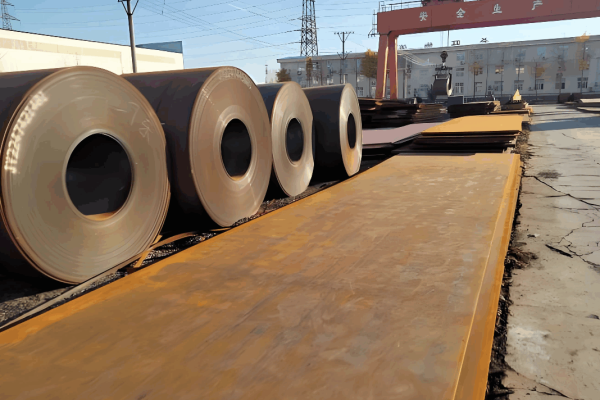
TongHui is one of the leading AR500 steel plates manufacturers and suppliers in China, located in Liaocheng, Shandong Province.
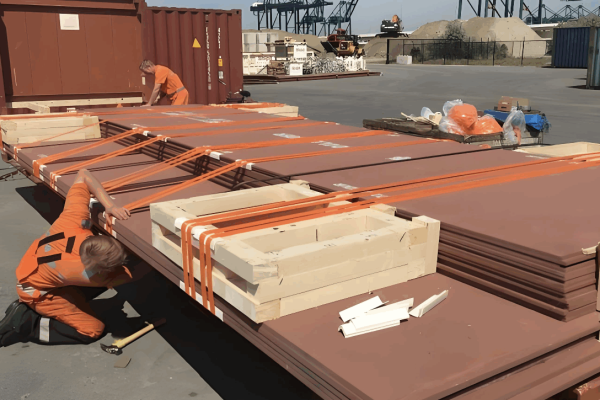
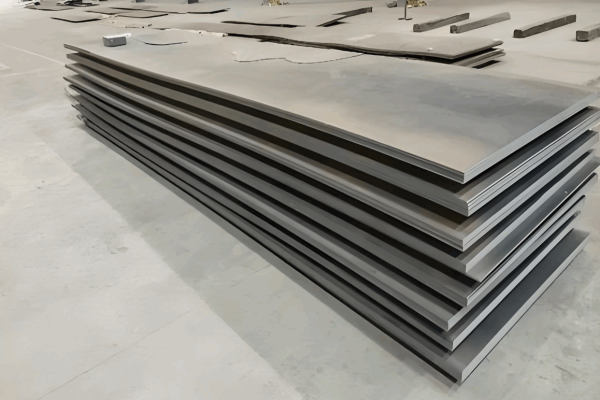
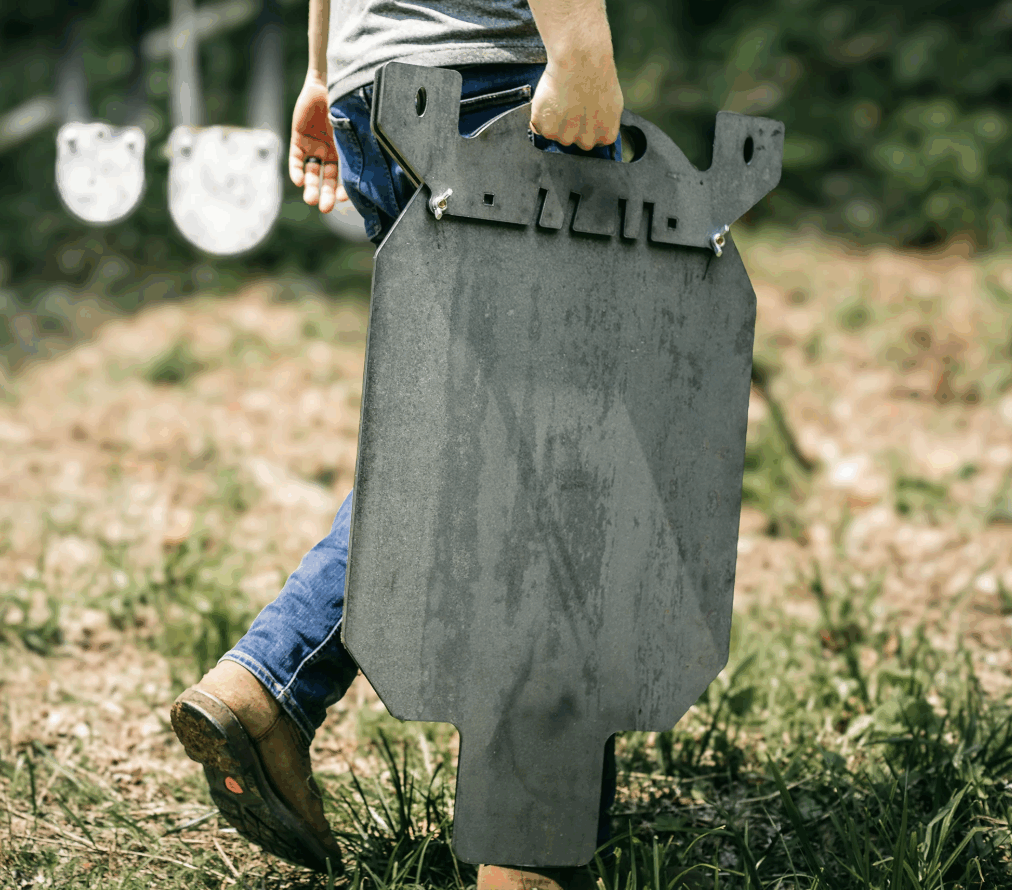
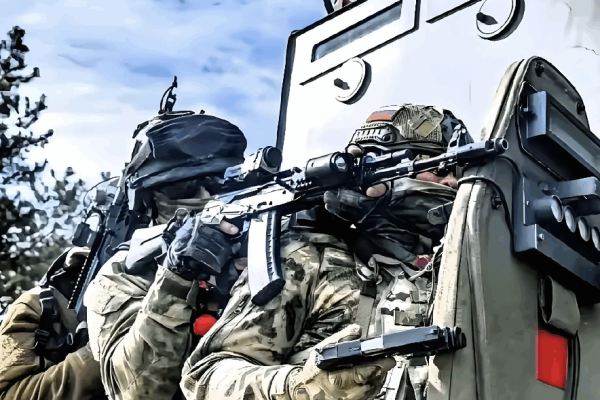
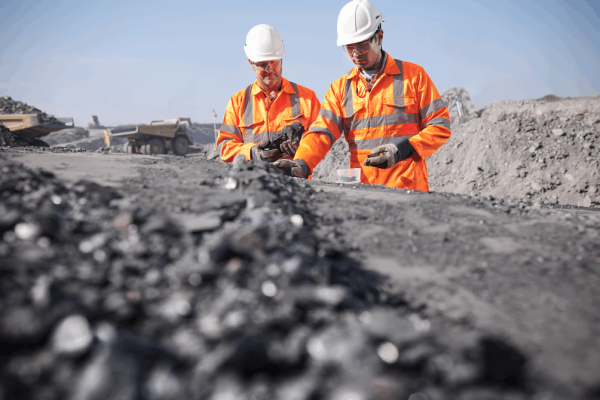
AR500 ultra-high hardness wear-resistant steel plate, with a Brinell hardness of 500-550, combines excellent impact resistance and wear resistance, and is widely used in fields such as range equipment, heavy machinery, mine protection, and special vehicle reinforcement. We offer a variety of thickness cutting and customization services, welcome to inquire!

AR500 Steel Plate for Sale

We provide you with various models and specifications of AR500 steel plates

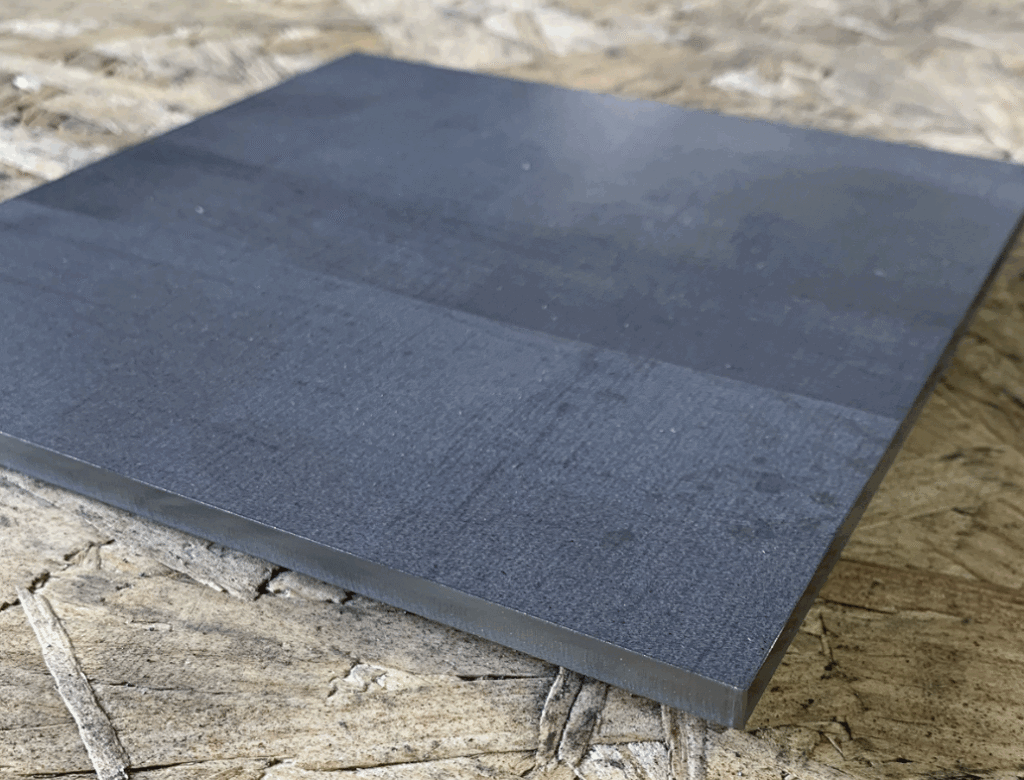
1/8 steel plate

What is AR500 Steel Plate

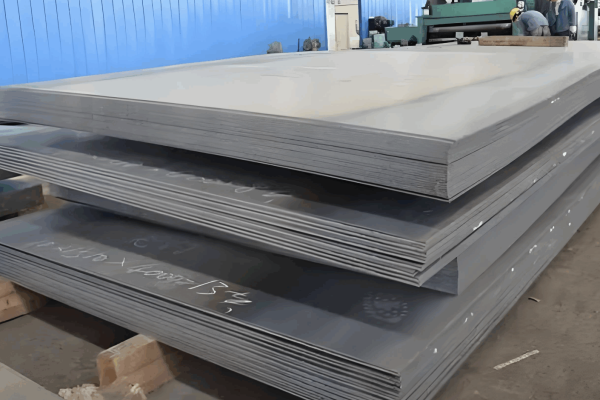
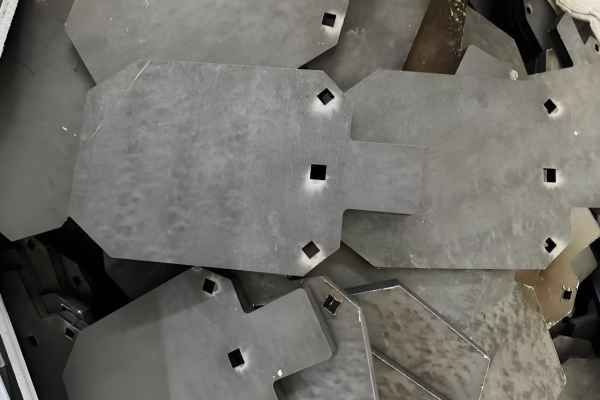
AR500 steel plate is an ultra-high hardness abrasion-resistant (AR) steel. Its designation directly corresponds to its average Brinell Hardness rating of 500 HBW. This plate achieves its exceptional properties through carefully controlled high carbon and alloying elements (like manganese and chromium), processed by quenching and tempering. This combination provides extreme surface hardness alongside good impact toughness. It excels under severe sliding abrasion and repeated impact, serving as key materials for heavy equipment liners, mining machinery, shooting targets, and specialized ballistic components.

AR500 Steel Plate Price

The market price range of AR500 steel plate is 580-920 USD/ton (FOB China), with specific quotes subject to multiple influencing factors.
For standard size 4’×8′ plates of base thickness, the benchmark price is approximately 600-700 USD/ton;
For thick plates, due to the higher cost of quenching heat treatment, the price reaches 750-920 USD/ton. Bulk purchases (≥20 tons) are eligible for a 5-12% discount, reducing the price to 540-810 USD/ton. Additional processing (cutting/drilling/heat treatment) will incur an extra cost of 30-80 USD/ton.

Get your exclusive customized AR500 steel plate solution!

AR500 Steel Plate Properties

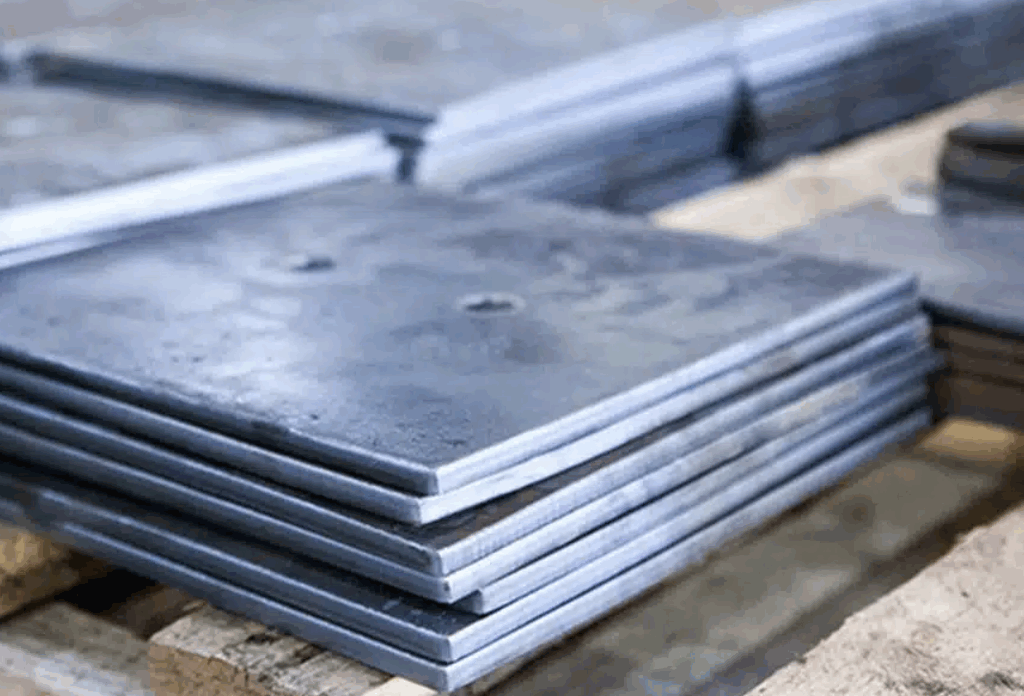
AR500 plates
AR500 plates
Ultra-High Hardness and Wear Resistance

Complies with the ASTM A514 standard, with a Brinell hardness of 500±50 HB. Optimized through manganese-chromium-molybdenum alloy ratio and quenching-tempering process, its wear resistance is 3-5 times that of ordinary carbon steel, enabling long-term resistance to harsh working conditions such as material scouring and friction.

Excellent Toughness and Impact Resistance

With an elongation of ≥10% and a Charpy V-notch impact energy of ≥27 J at -20°C, it combines high strength with good ductility. This prevents brittle fracture under heavy impact or low-temperature environments, making it suitable for complex stress-bearing scenarios.

Good Machinability

Supports conventional processing methods including plasma cutting, flame cutting, waterjet cutting, drilling, and welding (preheating to 150-200°C is recommended before welding). It features minimal deformation after processing, which can accurately meet customized dimensional and structural requirements.

Outstanding Structural Stability

Precise heat treatment ensures uniform microstructure and consistent mechanical properties across the entire plate. With a low coefficient of thermal expansion, it maintains dimensional stability within a wide temperature range of -40°C to 300°C and is not prone to deformation.

AR500 Steel Plate Specifications

We provide you with AR500 steel plates of various specifications and parameters

Grade

Thickness

Width

Length

AR500

3/16"

48"-120"

96"-480"

AR500

1/4"

48"-120"

96"-480"

AR500

3/8"

48"-120"

96"-480"

AR500

1/2"

48"-120"

96"-480"

AR500

3/4"

48"-120"

96"-480"

AR500 Steel Plate Application Field

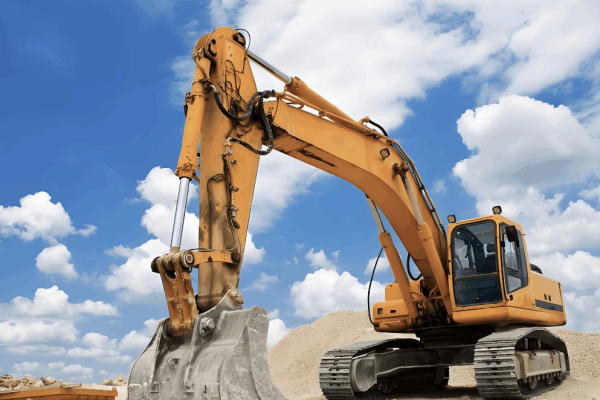
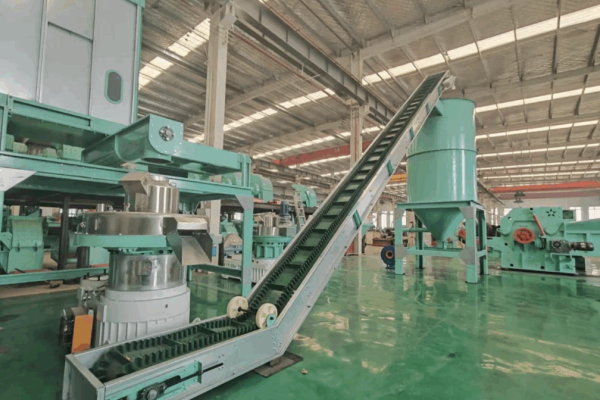
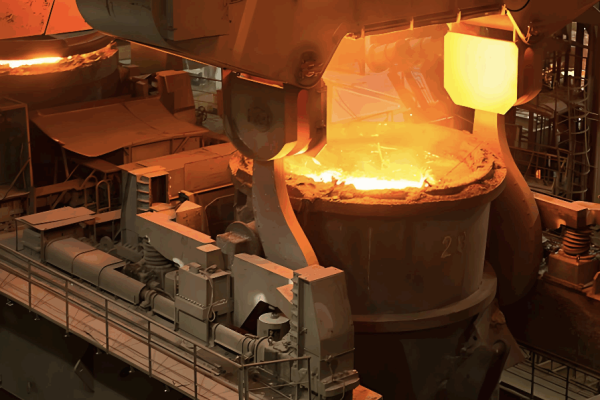
Our AR500 steel plate is applied in various fields!

Frequently Asked Questions

Why is AR500 steel so expensive?
The significantly higher price of AR500 steel compared to ordinary carbon steel stems from four core professional factors:
Firstly, high-quality alloy formulation: It contains a high proportion of high-cost alloying elements such as manganese, chromium, and molybdenum. The precise ratio ensures a Brinell hardness of 460-544 BHN and excellent wear resistance, leading to high raw material costs.
Secondly, precision heat treatment: It undergoes a strict quenching and tempering process (heating to 850-900°C for quenching, followed by tempering at 500-600°C), requiring specialized equipment and high energy consumption. For thick plates (>1 inch), step quenching is also needed to prevent cracking.
Thirdly, stringent quality control: The hardness tolerance across the entire plate is ±50 HB, with a Charpy impact energy of ≥27 J at -20°C. Each batch undergoes rigorous testing of microstructure and mechanical properties, increasing inspection costs.
Fourthly, high processing difficulty: Its high hardness necessitates tungsten carbide tools for cutting, and preheating to 150-200°C before welding, resulting in low production efficiency and high wear loss, which drives up overall costs.
Its wear-resistant service life is 3-5 times that of ordinary carbon steel, offering long-term cost advantages in high-wear working conditions.
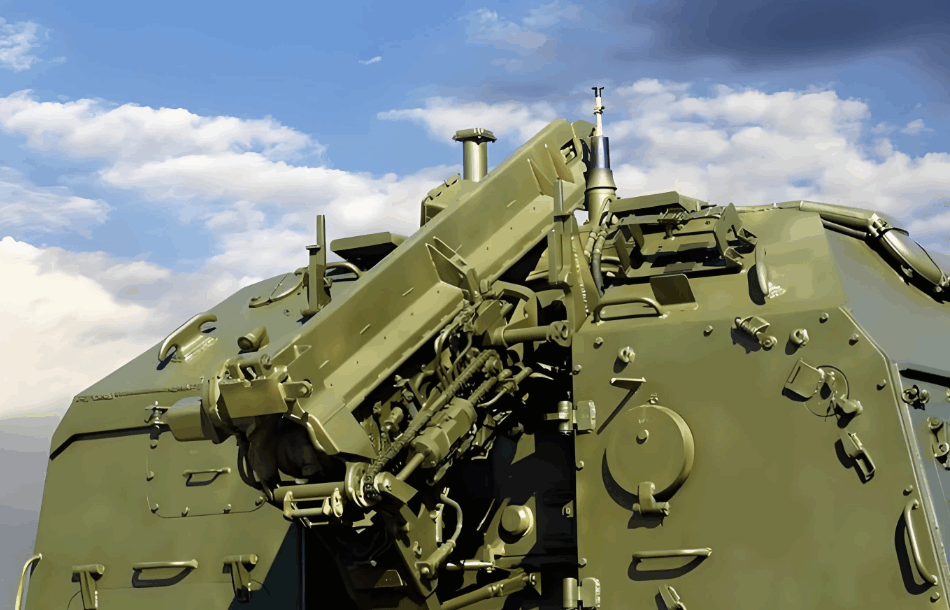
AR500 steel boasts excellent ballistic performance, primarily attributed to its high Brinell hardness of 460-544 BHN and quenched-tempered microstructure. Its protection level is directly correlated with thickness:
  • Basic Protection: 1/4 inch (6.4mm) thickness meets NIJ Level III standards, capable of withstanding all handgun rounds (including .44 Magnum) and 7.62×51mm M80 NATO rifle rounds (2,750 fps);
  • Enhanced Protection: 3/8 inch (9.5mm) and thicker variants achieve Level III+ protection, stopping high-velocity rifle rounds such as 5.56mm M855/SS109 (green tip) and 7.62×39mm (AK-47) at 3,000 fps;
  • Multi-hit Resistance: Superior to ordinary steel in deformation resistance and secondary impact protection at the same thickness, suitable for shooting ranges, vehicle armor, and personal protection;
  • Limitations: Cannot withstand specialized ammunition like .30-06 M2 armor-piercing rounds—upgrading to AR600 or composite armor systems is recommended.
The service life of AR500 steel plates is not fixed; it mainly depends on working conditions, thickness, and maintenance methods, and is generally 3-5 times longer than that of ordinary carbon steel:
  • Light wear conditions (e.g., general material conveying, shooting range targets): 1/4–3/8 inch thick plates can last 3–5 years;
  • Medium wear conditions (e.g., engineering machinery buckets, chute liners): 3/8–1 inch thick plates have a service life of 2–4 years;
  • Heavy wear conditions (e.g., mining crusher liners, mine truck bodies): 1–2 inch thick plates can be used for 1–3 years.
Its high hardness of 460–544 BHN is the basis for wear resistance. For every 1/4 inch increase in thickness, the service life can be extended by 20–30%. Without protection in humid/corrosive environments or under long-term overload impact, the service life may be shortened by 15–30%. Standardized use plus regular maintenance (such as rust removal and repainting) can maximize the service cycle.

Learn More About Steel Plates

Contact Our Expert Team

Address:

Liaocheng City, Shandong Province, China

Side Contact Form