
As a core connecting component in steel structure systems, steel gusset plates are widely used in construction, bridges, industrial equipment, and various engineering projects. Their primary function is to connect steel structural members (such as beams, columns, and trusses), transfer loads, and enhance joint stability. They are critical components ensuring the safety and durability of steel structure projects. This article provides a comprehensive overview of core knowledge about steel gusset plates, covering definition, types, applications, design, installation, pricing, and procurement.

What Are Steel Gusset Plates?
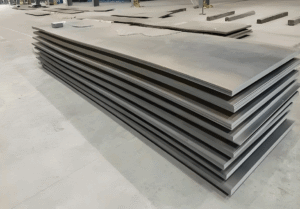
Steel gusset plates are flat members made of steel, serving as a connecting medium for steel structural members (beams, columns, trusses, braces, etc.). Their core function is to effectively transfer and distribute loads, while improving the integrity and stability of joints to prevent structural damage caused by stress concentration on individual members.
Compared with other steel connectors (such as flanges and connection plates), steel gusset plates offer strong adaptability, high load-bearing capacity, and convenient installation. They can be customized in shape and size according to project requirements, making them widely applicable to various steel structure joints.
Simply put, steel gusset plates act as the “connectors” of steel structures, tightly integrating independent members into a stable whole, ensuring the structure operates safely and stably under loads including dead weight, wind, snow, and seismic forces.
Common Materials for Steel Gusset Plates
Material selection directly affects the load-bearing capacity, durability, and applicable scenarios of gusset plates. Based on practical engineering needs, commonly used materials include:
- Cold-rolled steel: Low cost, good workability, and smooth surface. Suitable for indoor steel structures with light loads and dry environments, such as truss connections in small factories and warehouses.
- Galvanized steel: Cold-rolled steel with galvanized treatment, providing excellent corrosion and rust resistance. Suitable for outdoor, humid, or mildly corrosive environments, such as outdoor trusses, bridge auxiliary structures, and open-air equipment supports.
- Stainless steel: Superior corrosion and rust resistance, high temperature resistance, and chemical resistance. Suitable for highly corrosive environments such as chemical plants, coastal projects, and wastewater treatment facilities.
- SS400 steel: A general structural steel with moderate strength, good toughness, and high cost performance. The most widely used material in construction and bridge engineering, suitable for most conventional load conditions.
- High-strength alloy steel: High strength and load-bearing capacity. Used in heavy-load, high-safety projects such as long-span bridges and core joints of high-rise buildings.
Material selection should comprehensively consider load requirements, service environment, budget, and performance matching.

Types of Steel Gusset Plates
Classification by Shape
Shapes are designed based on structural form, member quantity, and stress direction:
- Square gusset plates: Simple structure and easy processing. Suitable for vertical connections between two or more members, such as right-angle beam-to-column connections in buildings – the most widely used basic type.
- Rectangular gusset plates: Similar to square plates but with flexible length-width ratios. Used for right-angle connections requiring larger connection areas, such as joints in large trusses.
- Triangular gusset plates: Excellent mechanical performance and effective load distribution. Suitable for triangular truss joints, corner joints, or diagonal member connections, such as diagonal-to-chord connections in bridge trusses.
- Trapezoidal gusset plates: Adapted to connections between diagonal and horizontal members or trapezoidal multi-member joints, such as industrial equipment support connections.
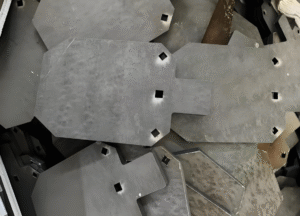
- Custom-shaped gusset plates: Designed for complex joints (multi-member intersections, special-shaped structures) to ensure perfect matching, such as core joints in long-span bridges and special-shaped steel structures in high-rise buildings.
Classification by Application
- Bridge steel gusset plates: Used in bridge steel structures, including trusses, piers, and deck support joints. Require high load-bearing capacity, fatigue resistance, and corrosion resistance to withstand axial and cyclic loads.
- Building truss gusset plates: Applied to roof and floor trusses in steel structures. Sized according to load and span to ensure stability for high-rise and long-span buildings.
- Industrial equipment gusset plates: Used in frames and supports for cranes, chemical equipment, etc. Require impact resistance to withstand vibration during operation.
- Timber structure gusset plates: Strengthen connections in wooden buildings, trusses, and factories. Require corrosion resistance to prevent failure from wood decay.

Common Connection Methods
- Bolted connection: The most common method, including ordinary and high-strength bolts. Easy to install, removable, and maintainable. Suitable for most projects, especially those requiring later inspection and adjustment. Bolt spacing and torque must meet specifications.
- Welded connection: High strength and good sealing. Used for heavy-load, non-dismantable joints such as core bridge and high-rise building joints. Welding quality must be free of slag inclusions, porosity, and other defects.
- Riveted connection: Traditional method with good seismic performance and reliability. Low efficiency and high cost; mainly used for special high-reliability projects or historic structure restoration.
Price of Steel Gusset Plates
Prices vary significantly based on material, size, processing, and order quantity. Current market reference ranges (per kilogram):
- Cold-rolled steel gusset plates: 15–30 RMB
- Galvanized steel gusset plates: 25–45 RMB
- Stainless steel gusset plates: 80–150 RMB
- SS400 steel gusset plates: 20–35 RMB
- High-strength alloy steel gusset plates: 50–100 RMB
Key Price Factors
- Material cost: Steel price fluctuations are the most influential factor.
- Processing technology: Custom shapes, complex drilling, and special welding increase costs.
- Order quantity: Larger volumes lower unit prices.
- Supplier location: Regional differences in steel, processing, and transportation costs affect pricing.

Uses and Applications
Construction Applications
- High-rise & super high-rise buildings: Connect beams, columns, core tubes, trusses, and braces to resist seismic and wind loads.
- Long-span buildings: Used in stadiums, convention centers, and airport terminals for roof truss and support joints.
- Prefabricated buildings: Enable fast on-site assembly of prefabricated members, improving efficiency while ensuring strength.
- Small structures: Applied in warehouses, factories, canopies, and stair railings for cost-effective, safe connections.
Bridge Applications
- Bridge truss connections: Connect chords, diagonals, and webs to transfer vehicle, wind, snow, and seismic loads.
- Pier & abutment connections: Integrate piers with deck structures to prevent separation.
- Deck support joints: Strengthen deck-to-girder connections and expansion joint areas to extend service life.
Bridge gusset plates require high fatigue and corrosion resistance for long-term outdoor service.
Other Applications
- Industrial equipment: Stabilize frames of cranes, tower cranes, and conveying systems under vibration.
- Transportation facilities: Used in highway guardrails, railway supports, and station structures for impact resistance.
- Municipal engineering: Applied in landscape steel structures, streetlight supports, billboard frames, and wastewater facilities.
- Timber structures: Enhance strength and seismic performance of wooden buildings and landscapes.

Installation Guide
Installation Process
- Measurement & positioning: Accurately mark position, elevation, and angle per design drawings.
- Drilling & processing: Precisely drill holes matching bolt specifications to avoid deviations.
- Connection & fixing: Secure using bolts or welding; meet torque and quality requirements.
- Reinforcement: Add stiffeners or repair welds as needed for stability.
- Corrosion protection: Perform derusting, painting, or galvanizing to extend service life.
Installation Notes
- Precise positioning: Verify dimensions, angles, and hole positions to avoid connection failure.
- Bolted connections: Use specified grade and quantity; ensure proper torque and spacing.
- Welding quality: Use qualified materials and processes; conduct ultrasonic testing if required.
- Corrosion protection: Complete anti-corrosion treatment promptly, especially for outdoor projects.
- Safety: Use fall protection at height; avoid collision and deformation during handling.
FAQ
Q1: What is the main purpose of steel gusset plates?
A: To connect steel members (beams, columns, trusses), transfer and distribute loads, enhance joint integrity and stability, and ensure structural safety in construction, bridges, and industrial equipment.
Q2: Which material is best for steel gusset plates?
A: No universal “best” material. Choose cold-rolled or SS400 steel for indoor light loads; galvanized steel for outdoor/humid environments; stainless steel for corrosive settings; high-strength alloy steel for heavy loads.
Q3: How to design bridge steel gusset plates?
A: Follow load adaptation, fatigue resistance, and corrosion resistance principles. Use materials and methods (Whitmore method, FEA) complying with standards such as GB 50017-2017 and AISC 370.
Conclusion
As a core connector in steel structures, the quality, design, and installation of steel gusset plates directly affect project safety and durability. They are widely used in construction, bridges, industrial equipment, and other fields. For further inquiries, please contact us>>
References
- GB 50017-2017, Standard for Design of Steel Structures [S]. Beijing: China Architecture & Building Press, 2017. (Core reference document covering design principles, calculation methods, material requirements and detailing specifications for steel gusset plates. It serves as the fundamental basis for the design and construction of steel structure projects in China.)
- GB 50205-2020, Standard for Acceptance of Construction Quality of Steel Structures [S]. Beijing: China Architecture & Building Press, 2020. (Provides reference for installation quality acceptance, welding quality standards, bolt connection specifications and anti-corrosion treatment acceptance requirements of steel gusset plates.)
- European Committee for Standardization. EN 1993-1-4, Eurocode 3: Design of steel structures – Part 1-4: General rules – Supplementary rules for joints [S]. Brussels: CEN, 2005. (Provides reference for joint design, bearing capacity calculation and fatigue design requirements of steel gusset plates, suitable for reference in international engineering projects.)


 English
  Spanish