AH36 Steel Plate
TongHui is one of the leading AH36 steel plates manufacturers and suppliers in China, located in Liaocheng, Shandong Province.
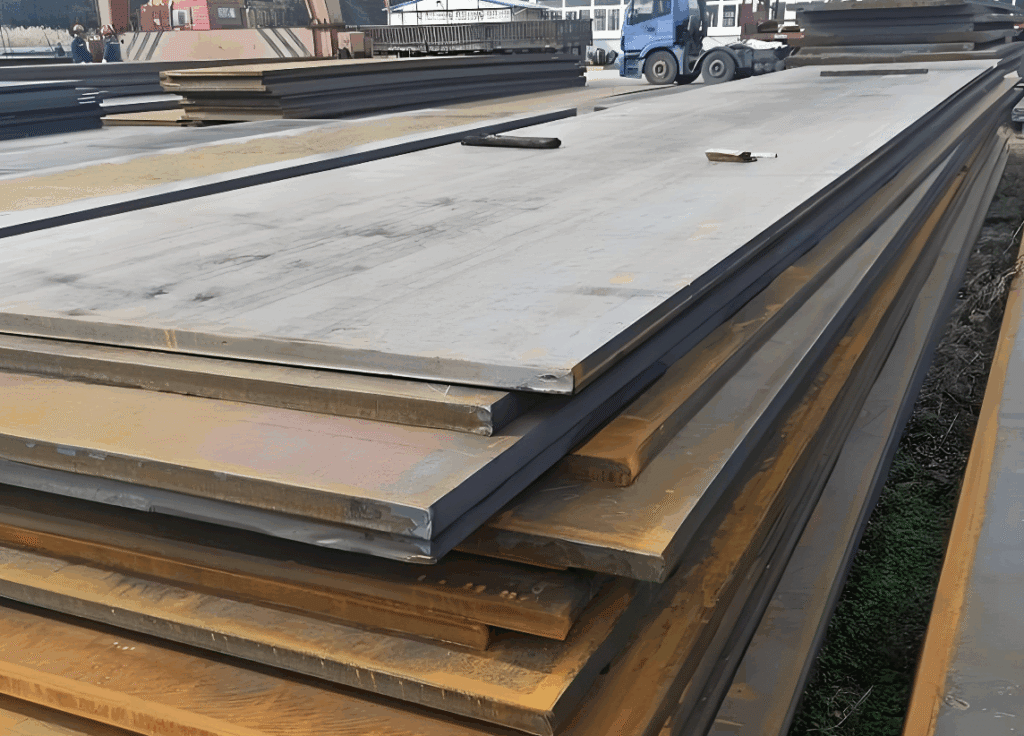
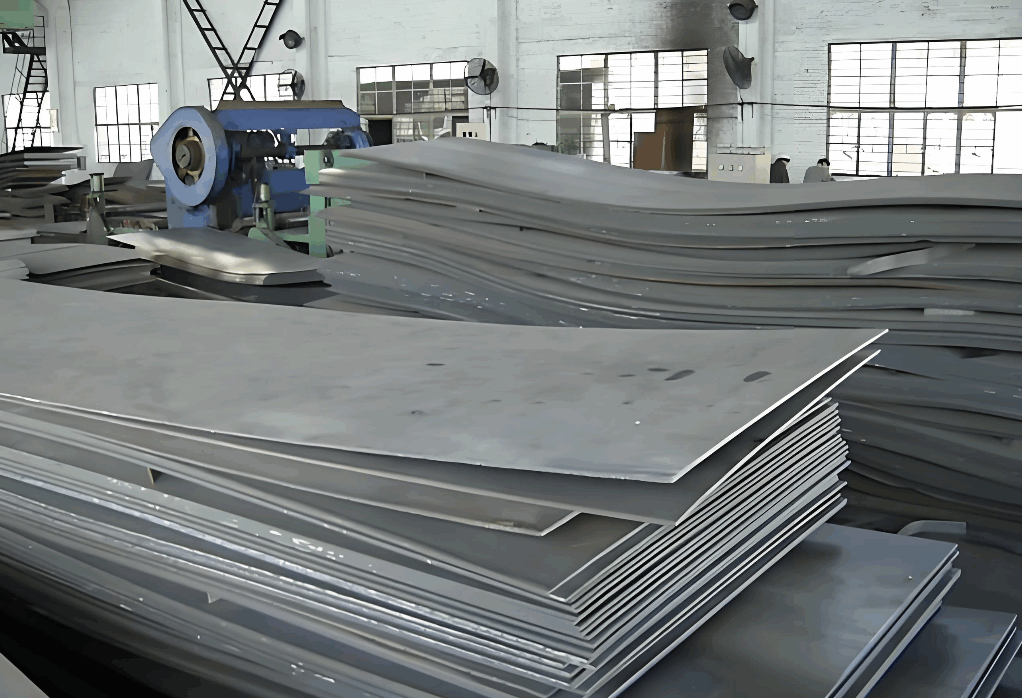
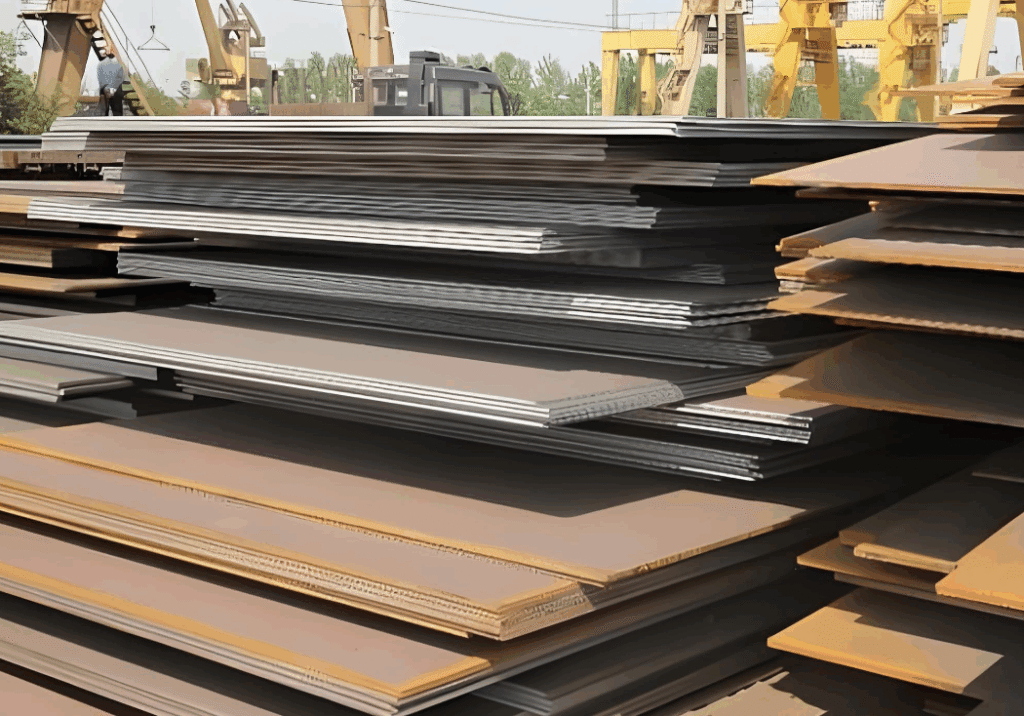
AH36 steel plate, as a core material for marine and offshore engineering, possesses high strength, excellent weldability, and corrosion resistance, meeting the standards of international classification societies. Tonghui provides a full range of AH36 steel plates in various specifications, including customized services for different thicknesses and widths. Our products have undergone rigorous quality inspection and exhibit stable and reliable performance. Welcome to inquire!
What is AH36 Steel Plate
AH36 Steel Plate Price
As of early January 2026, the mainstream market quotation for AH36 high-strength marine steel plates is 680-750 US dollars per ton (FOB China). The specific price is affected by factors such as thickness, certification, and order quantity. For AH36 in controlled rolling state (ABS/CCS certified) with conventional thickness (0.39-1.18 inches), the quotation is approximately 700-720 US dollars per ton; due to the high rolling difficulty, the price of thin-gauge products (0.24-0.31 inches) increases to 730-750 US dollars per ton; the quotation for thick plates (1.18-1.97 inches) is 680-700 US dollars per ton. Non-standard products without classification society certification are 10%-15% cheaper, at around 600-650 US dollars per ton. Bulk orders (≥100 tons) can enjoy a 3%-5% discount.
Get your exclusive customized AH36 steel plate solution!
AH36 Steel Plate Properties


The impact absorption energy at 0℃ is ≥34J, and it maintains stable toughness performance even at -20℃. It can resist the risk of low-temperature brittle fracture in polar or cold sea areas, ensuring the structural integrity of ships in accidents such as collisions and groundings.
With a yield strength of ≥355MPa, tensile strength ranging from 490-630MPa, and elongation ≥21%, it offers approximately 30% higher strength than ordinary Grade A steel. It can withstand the huge loads of ships under full load and complex sea conditions, helping reduce the weight of hull structures by 10%-15%.
Featuring a low carbon equivalent design (CET ≤0.40%), carbon content ≤0.18%, and sulfur-phosphorus content ≤0.035%, it is compatible with various welding processes (submerged arc welding, gas metal arc welding, etc.). The strength of welded joints has high matching with the base metal, and the preheating temperature can be as low as 50℃, reducing the risk of welding cracks.
Specifically designed for marine working conditions, its seawater corrosion resistance is significantly improved after sandblasting/coating treatment. Combined with the TMCP (Thermo-Mechanical Control Processing) fine-grain structure technology, it has both fatigue resistance and wear resistance, making it suitable for long-term service in high-salt-fog and high-humidity marine environments.
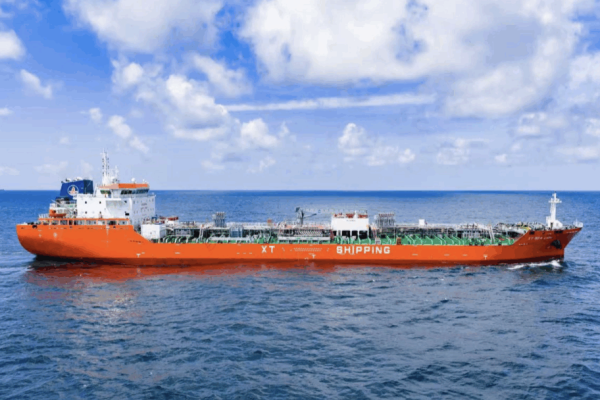
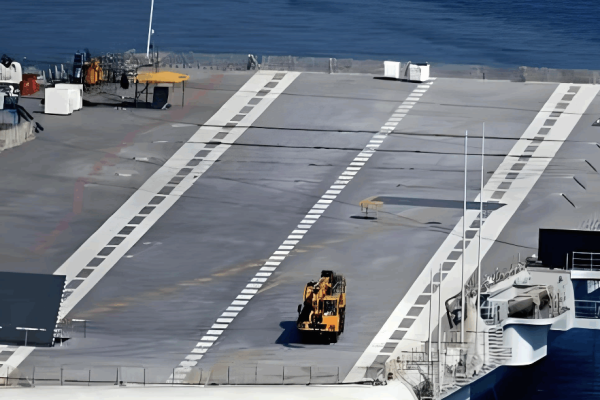
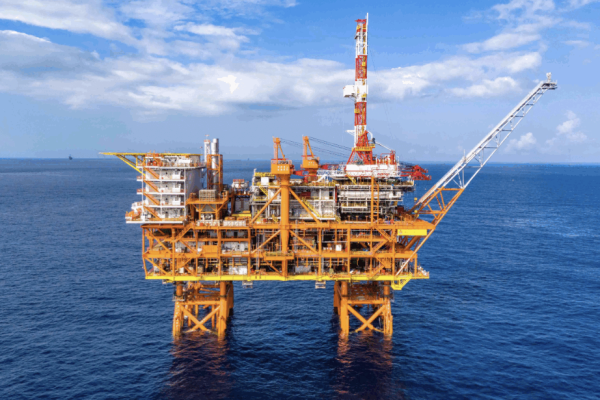
AH36 Steel Plate Application Field
Our AH36 steel plate is applied in various fields!
Frequently Asked Questions
What is AH-36 steel?
AH-36 steel is an internationally recognized high-strength hull structural steel specifically designed for marine and offshore engineering. It complies with standards such as ASTM A131 and GB/T 712, and holds certifications from major classification societies including ABS, BV, DNV, and CCS. In its designation, “A” denotes the quality grade, “H” stands for high strength, and “36” indicates a minimum yield strength of ≥355MPa (approximately 36ksi). With a tensile strength of 490-630MPa, elongation ≥21%, and impact energy ≥34J at 0℃, it features excellent weldability (CET ≤0.40%) and adaptability to marine environments. Widely used in critical structures like hulls, decks, bulkheads, and offshore platforms, it enables 10%-15% structural weight reduction while ensuring the safe service of ships under complex sea conditions.
What is the difference between A36 and AH36 steel?
Core Differences Between AH36 and A36 Steel Plate:
- Standards & Positioning: A36 complies with ASTM A36, a general-purpose carbon structural steel; AH36 follows ASTM A131, a high-strength hull structural steel requiring classification society certification.
- Mechanical Properties: A36 has a yield strength ≥250MPa and tensile strength 400-550MPa; AH36 offers yield strength ≥355MPa and tensile strength 490-630MPa, with approximately 40% higher strength.
- Low-Temperature Toughness: A36 has no mandatory low-temperature impact requirement; AH36 achieves impact energy ≥34J at 0℃ and maintains stable toughness even at -20℃.
- Applications: A36 is used in construction, bridges, etc.; AH36 is specifically designed for marine/offshore engineering, adapting to marine corrosion and complex load environments.
What is the difference between AH36 and DH36 steel?
Core Differences Between AH36 and DH36 Steel:
AH36 and DH36 are both high-strength marine steels under the ASTM A131 standard, with a yield strength of ≥355MPa and tensile strength of 490-630MPa. The core differences lie in low-temperature toughness grade and application scenarios:
- Impact Test Temperature: AH36 requires impact energy ≥34J at 0℃; DH36 must pass the low-temperature impact test at -20℃, offering superior toughness and stronger brittle fracture resistance.
- Delivery Condition: AH36 is supplied in controlled rolling state; DH36 can be delivered in controlled rolling or normalized state, with a more uniform microstructure.
- Application Scenarios: AH36 is suitable for ship structures in normal-temperature sea areas; DH36 is applied to critical structures like ships and offshore platforms in polar/cold sea areas, with a slightly higher price than AH36.
- Quality Grade: “A” and “D” represent quality grades—DH36 has stricter impurity control and lower welding crack sensitivity.
Learn More About Steel Plates
Address:
Liaocheng City, Shandong Province, China