TongHui is one of the leading carbon steel plates manufacturers and suppliers in China, located in Liaocheng, Shandong Province. We provide you with professional grade carbon steel plates, carefully selected high-quality steel, with excellent strength and durability, suitable for manufacturing, construction, and various structural engineering. Diverse specifications and support customization to meet your different project needs. Hurry up and consult!
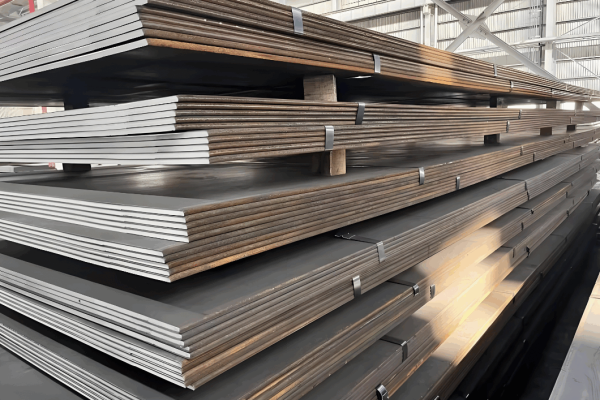
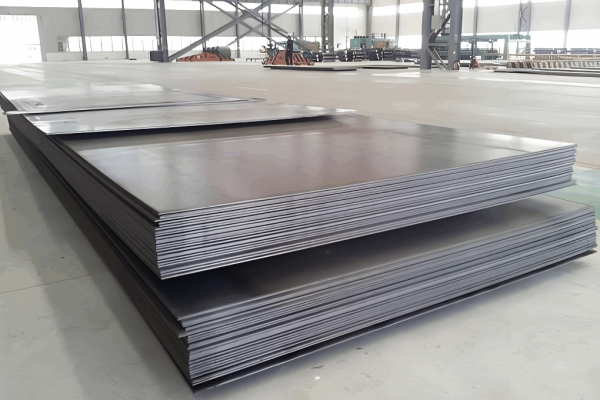
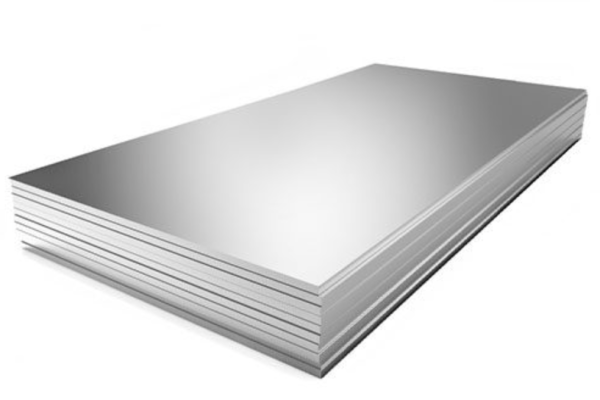
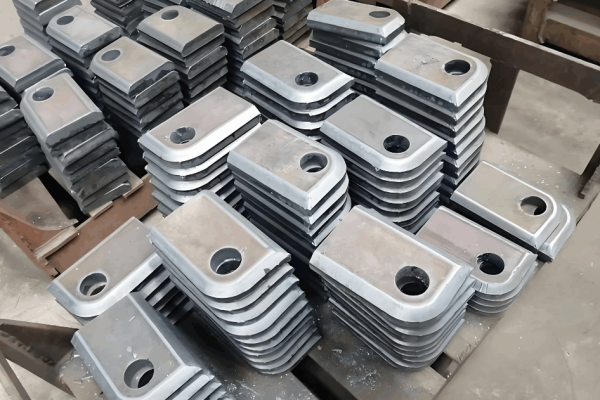
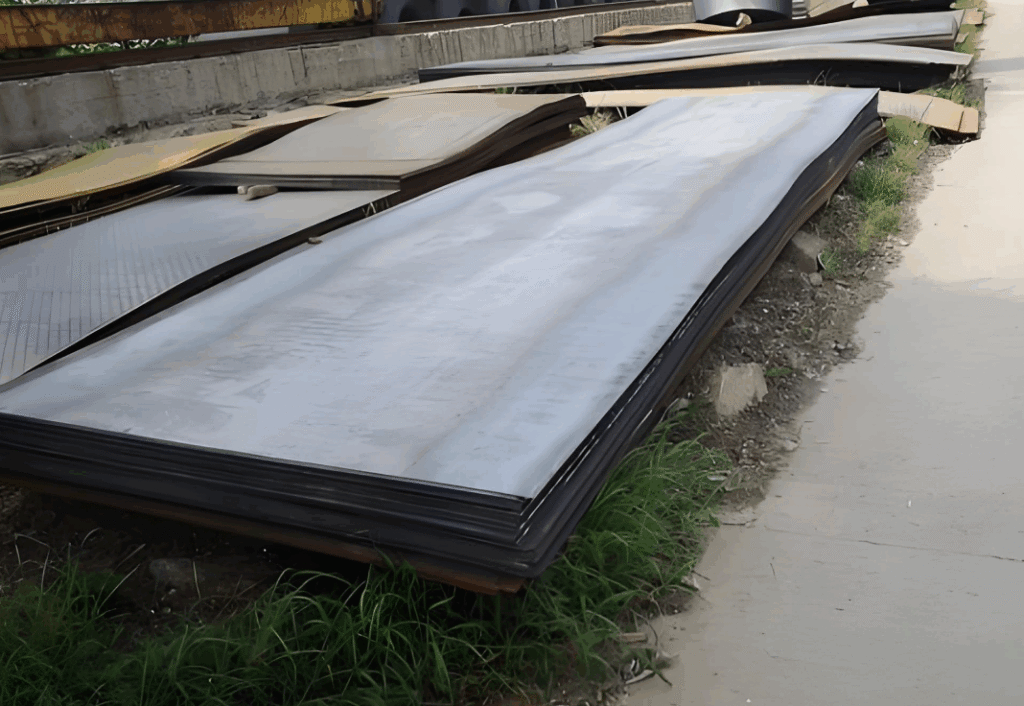
Carbon steel plate is a type of steel plate primarily rolled from carbon steel. Its core properties are determined by carbon content: low-carbon steel plates offer good plasticity and weldability, making them suitable for stamping and structural components; medium-carbon steel plates provide higher strength and hardness, ideal for mechanical parts; high-carbon steel plates exhibit high hardness and wear resistance, commonly used in tool manufacturing.
Industrially, they are mainly categorized into hot-rolled plates and cold-rolled plates. Thanks to their excellent strength, formability, weldability, and cost advantages, carbon steel plates serve as an essential fundamental material in construction steel structures, shipbuilding, automotive bodies, machinery equipment, and general manufacturing.
Carbon Steel Plate Price
The current international market price range of carbon steel plates is 400–1100 USD/ton, with the specific price varying depending on specifications, material grades and regions. Main Product Prices:
Chinese Hot-Rolled Carbon Steel Plates (FOB): 450–460 USD/ton (thickness ≥14mm, general grades like Q235B, SS400 and A36)
Chinese Cold-Rolled Carbon Steel Plates (FOB): 523–600 USD/ton (thickness 0.4–2mm)
Chinese Medium & Heavy Carbon Steel Plates (FOB): 487–500 USD/ton (thickness 8–40mm)
European Carbon Steel Plates (Ex-Works): 650–730 EUR/ton
US Carbon Steel Plates (Ex-Works): 945–1147 USD/ton
Get your exclusive customized carbon steel plate solution!
We provide you with carbon steel plates of various specifications and parameters
Grade
Thickness
Width
Length
A36
3/16" - 8"
48" - 120"
96" - 480"
A572 Grade 42 | 50 | 55 | 60 | 65
3/16" - 6"
48" - 120"
96" - 480"
A588
3/16" - 4"
48" - 120"
96" - 480"
AH36
3/16" - 4"
48" - 120"
96" - 480"
A516
3/16" - 4"
48" - 120"
96" - 480"
1045
Inquire for sizes
Frequently Asked Questions
Is carbon steel better than steel?
From a materials science perspective, this question itself contains a conceptual misunderstanding. Carbon steel is the largest subclass of steel, and the two are in an inclusion relationship rather than a parallel one.
Steel is a general term for ferrous-carbon alloys. Among them, carbon steel (mainly composed of iron, carbon and a small amount of impurities) accounts for the vast majority of the total steel output due to its excellent strength, formability, machinability and high cost-effectiveness. It is the absolute mainstay of basic industries such as construction, bridges, ships and general machinery.
Other alloy steels (e.g., stainless steel, tool steel) gain special properties that carbon steel does not possess (such as corrosion resistance, high temperature resistance and ultra-high strength) by adding specific alloying elements. Therefore, there is no absolute “superiority or inferiority” between them—the key lies in the application scenario: carbon steel is the first choice when pursuing comprehensive performance and cost efficiency; corresponding alloy steels are required when there are special environmental or performance requirements.
What are the 4 types of carbon steel?
Carbon steel is mainly classified into the following four categories based on its carbon content and core properties:
Low-carbon steel (carbon content ≤ 0.25%): Also known as mild steel, it boasts excellent ductility, toughness and weldability but features relatively low strength and hardness. It is widely used in deep-drawn parts (e.g., automobile bodies), profiles, wire rods, and general structural components that do not require heat treatment.
Medium-carbon steel (carbon content: 0.25%–0.60%): It has both a certain degree of ductility and relatively high strength and hardness. Its comprehensive mechanical properties can be significantly enhanced through quenching and tempering (thermal refining) treatment. It serves as the core material for manufacturing key mechanical parts such as shafts, gears and connecting rods.
High-carbon steel (carbon content: 0.60%–2.1%): After heat treatment, it achieves extremely high hardness and wear resistance, yet it has poor ductility, toughness and weldability. It is mainly used for producing tools, dies, springs and wear-resistant parts, including files, drill bits and leaf springs.
Eutectoid and hypereutectoid steel (carbon content: approximately 0.77%–2.1%): Falling into the category of high-carbon steel, its metallographic structure is mainly composed of pearlite or pearlite + cementite. It has extremely high hardness and high brittleness, with typical applications in high-grade cutting tools, measuring tools and high wear-resistant components (e.g., railway rails and rolling rolls).
Which grade carbon steel is best?
In the professional field, there is no single “best” grade of carbon steel. Its suitability is entirely determined by the specific application scenario and technical requirements. The core philosophy for selection is “the most suitable is the best.”
For large-scale structures like buildings, ships, and bridges, which require good weldability, formability, and toughness, low-carbon steels (e.g., Q235, A36) are considered the “best” choice due to their excellent overall processability and cost-effectiveness.
For mechanical components subject to alternating loads that demand a combination of high strength and toughness, such as shafts and gears, medium-carbon steels (e.g., 45 steel, 1045), which can achieve superior comprehensive mechanical properties through heat treatment (quenching and tempering), are the optimal solution.
For applications prioritizing high hardness and wear resistance, such as tools, cutting blades, and springs, high-carbon steels (e.g., T10, 1080) or higher-carbon tool steels are the appropriate “good” materials.
Therefore, the criterion for the best grade is to achieve the optimal balance among processability, reliability, and cost while meeting the performance requirements (strength, toughness, wear resistance, weldability, etc.). Discussing superiority without considering the specific purpose holds no significance in engineering practice.



 English
  Spanish