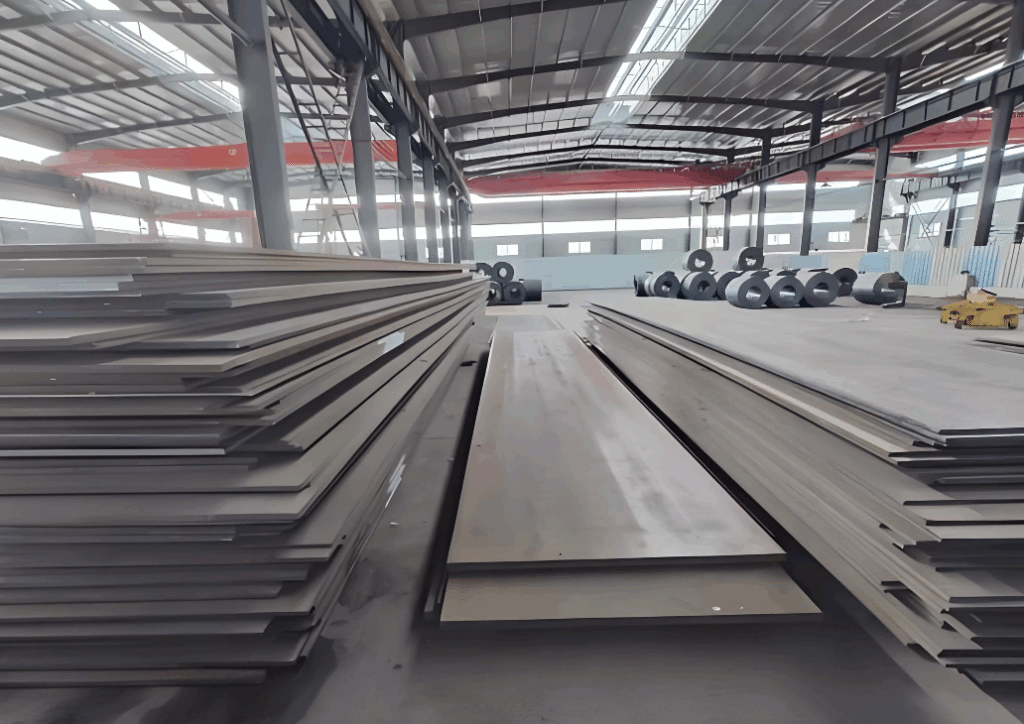
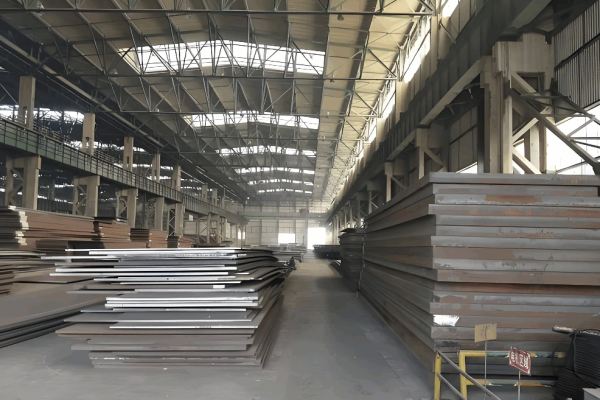
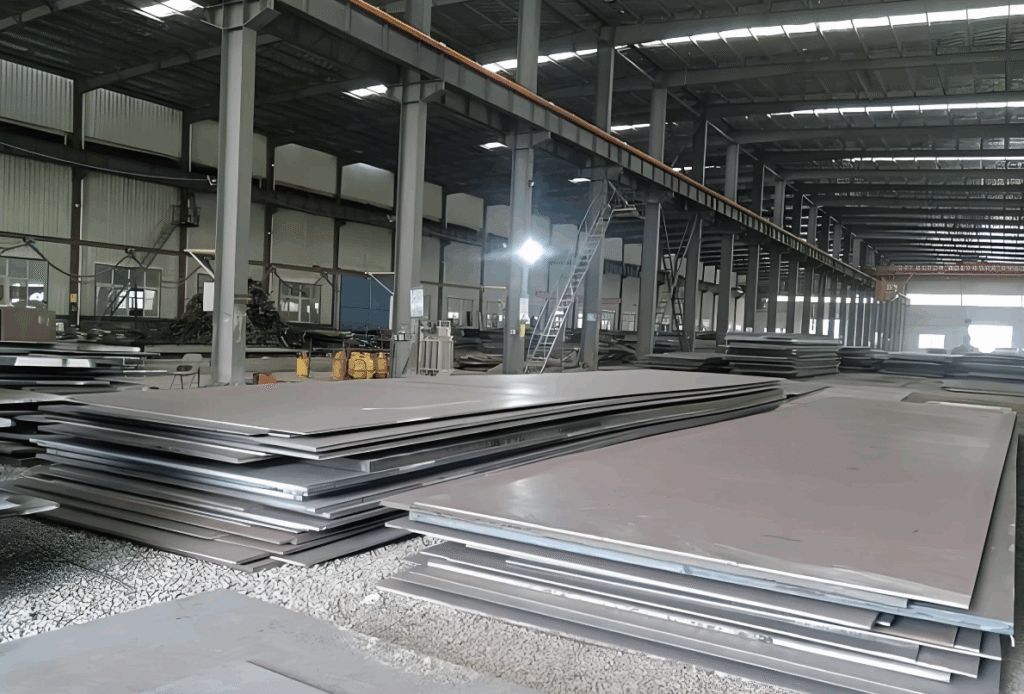
TongHui is one of the leading structural steel plates manufacturers and suppliers in China, located in Liaocheng, Shandong Province. We offer a variety of high-strength structural steel plates in different specifications, suitable for fields such as building frames, bridge engineering, and heavy machinery manufacturing. All products have undergone strict quality certification to ensure excellent load-bearing capacity, durability, and welding performance. Support customization, welcome to inquire!
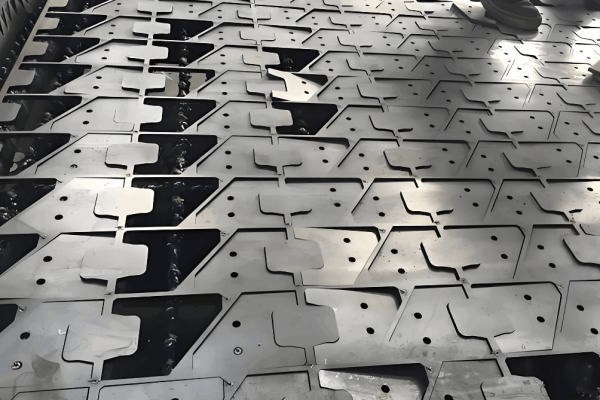
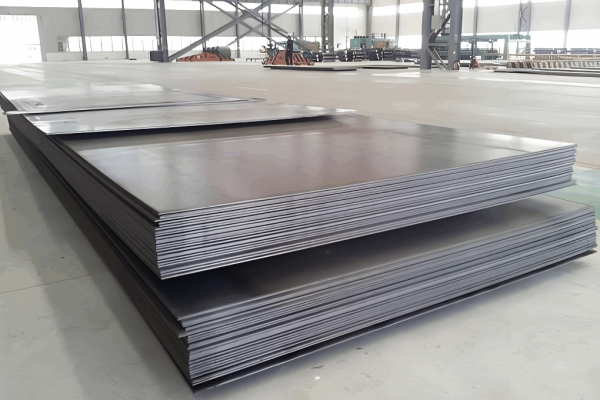
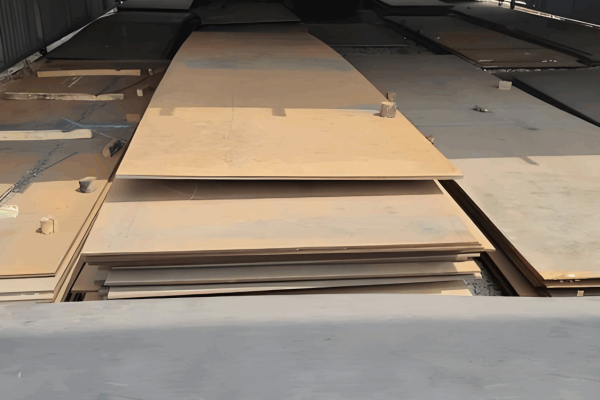
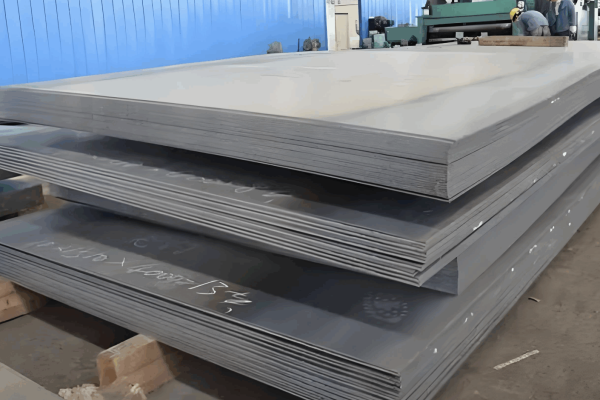
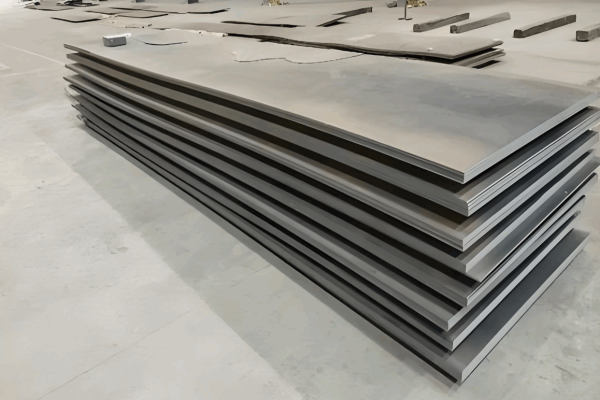
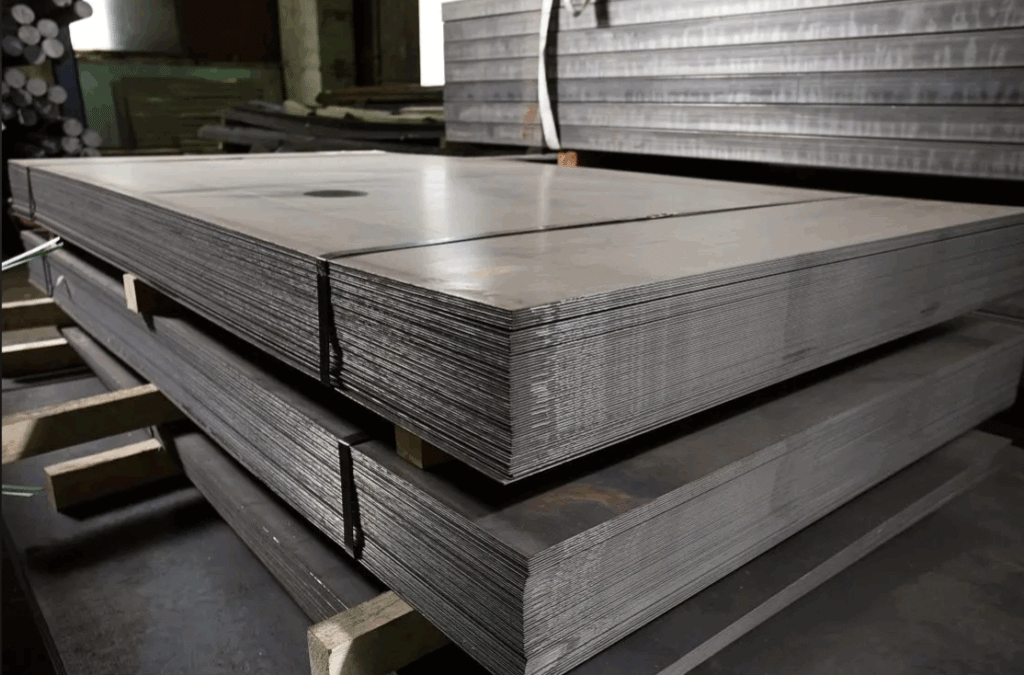
Structural steel plate refers to a type of steel sheet primarily designed to bear loads, transmit forces, or maintain structural stability. It is mainly rolled from low-alloy high-strength steel or carbon structural steel, boasting excellent mechanical properties (high strength, good toughness, and fatigue resistance), weldability, and formability. With a wide thickness range (typically 3-100mm), its specifications are graded by indicators such as yield strength and tensile strength (e.g., Q355, A36, which are national/international standard grades). Widely used in construction projects (bridges, factory frames), engineering machinery (cranes, tower cranes), shipbuilding, pressure vessels, and other fields, it is an indispensable core structural material in industrial and infrastructure sectors.
Structural Steel Plate Price
Structural steel plate prices vary significantly depending on material, specification, origin, and purchase volume. Below are the reference prices in major global markets (Unit: USD/ton):
China FOB Export Price: Q235B/A36 is approximately 520-580 USD/ton, Q355B/S355JR is approximately 550-620 USD/ton, with a 3-5% discount available for bulk purchases.
U.S. Domestic Price: A36 medium and heavy plate is approximately 1,010-1,030 USD/ton, which is about 40% higher than the international market due to protection under Section 232 tariffs.
European Market Price: S355JR is approximately 850-920 USD/ton, including EU import duties.
Get your exclusive customized structural steel plate solution!
We provide you with structural steel plates of various specifications and parameters
Grade
Thickness
Width
Length
A36
3/16"-8"
48"-120"
96"-480"
A572 Grade 42|50|55|60|65|80
3/16"-6"
48"-120"
96"-480"
A588
3/16"-4"
48"-120"
96"-480"
A514
3/16"-6"
48"-120"
96"-480"
AR500
3/16"-3/4"
48"-120"
96"-480"
Structural Steel Plate Application Field
Our structural steel plate is applied in various fields!
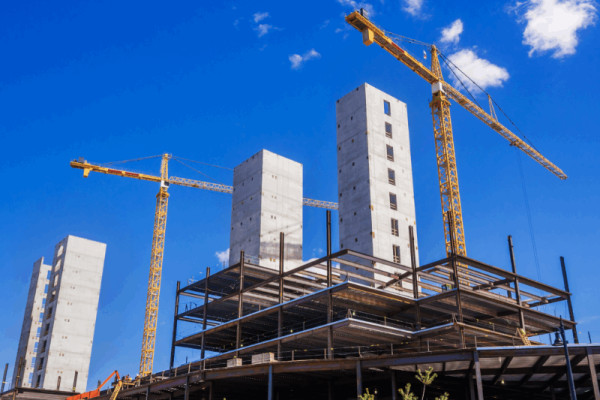
Construction Engineering
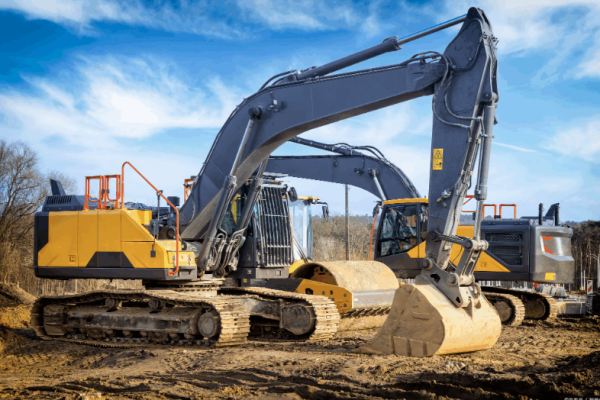
Construction Machinery
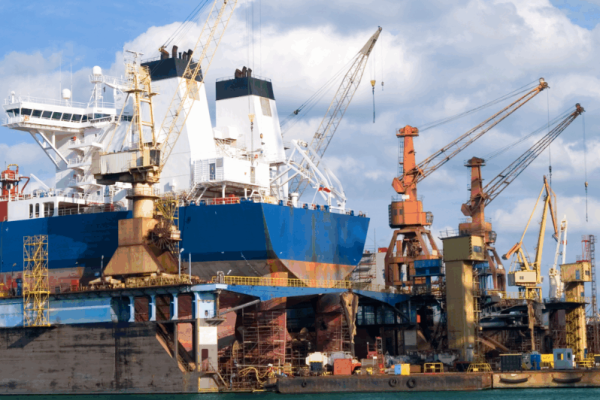
Shipbuilding
Frequently Asked Questions
What is the difference between structural steel and regular steel?
The core differences between structural steel and ordinary steel lie in application positioning, mechanical properties, composition control, and standard requirements:Structural steel is mainly designed to bear loads and maintain structural stability, requiring high strength (yield strength ≥235MPa), good toughness and weldability. Manganese, silicon, etc. are often added to its composition to optimize performance, and it complies with specialized standards such as GB/T 1591 and ASTM A572, e.g., Q355 and A36.Ordinary steel focuses on general processing (stamping, bending) with loose requirements for mechanical properties. Mostly carbon structural steel (e.g., Q235A), it is mainly composed of iron and carbon, adhering to basic standards like GB/T 700. It is suitable for non-load-bearing scenarios such as brackets and connectors.In short, structural steel is a “customized load-bearing material” while ordinary steel is a “versatile basic material”, with significant differences in performance and standard thresholds.
How to identify structural steel?
Identifying structural steel requires combining three core dimensions: identification verification, performance certificates, and appearance characteristics, in line with industry testing standards:
Check grade markings: The steel plate surface/quality certificate must indicate special grades (e.g., Q355, A36, S355JR) and executive standards (GB/T 1591, ASTM A572). Those with general grades (e.g., Q235A) or no standard markings are mostly non-structural steel.
Verify performance data: Request a material certificate to confirm yield strength ≥235MPa, alloying elements such as manganese and silicon, and clear indicators for impact tests and weldability.
Observe appearance and application: Structural steel is mostly medium and heavy plates (≥3/16″), with a flat surface and good weld groove workability, commonly used in load-bearing scenarios like construction and bridges.
The core is to conduct triple verification of “grade-standard-performance” and avoid judging solely by appearance.
Is A36 structural steel plate?
A36 is a classic structural steel plate grade under the ASTM standard system of the United States (standard specification: ASTM A36/A36M), belonging to the carbon structural steel category and one of the most widely used structural steel plates globally.
Its core properties fully meet the requirements of structural steel plates: yield strength ≥36ksi (≈248MPa), tensile strength 58-80ksi, with excellent weldability, cold bending formability, and machinability. Based on iron and carbon as the base, it contains an appropriate amount of manganese and silicon to optimize mechanical properties.
Primarily supplied as medium and heavy plates (main thickness range: 3/16″~6″), it is widely used in load-bearing scenarios such as building frames, bridge components, and mechanical bases. It corresponds to Q235B structural steel plates under China’s national standard and S235JR structural steel plates under Europe’s EN standard, serving as a benchmark grade for structural steel plates in foreign trade and international engineering projects.



 English
  Spanish