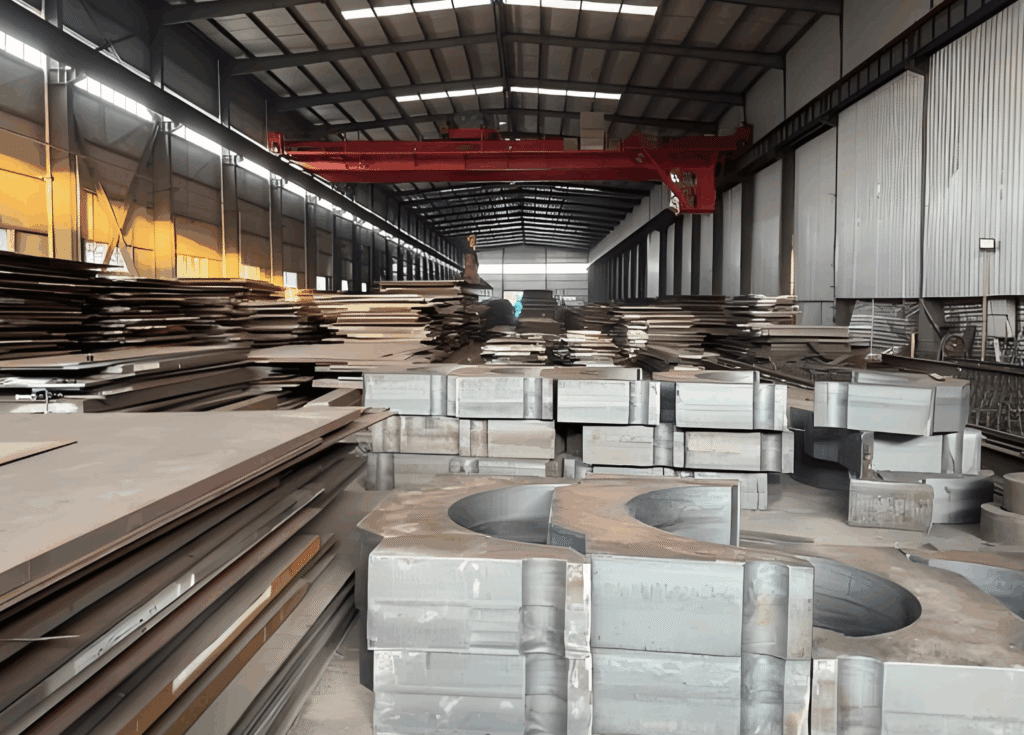
TongHui is one of the leading steel plates manufacturers and suppliers in China, located in Liaocheng, Shandong Province. We offer a variety of steel plates, including carbon steel plates, alloy steel plates, stainless steel plates, and other materials and specifications, with strict quality control and stable and reliable performance. Suitable for various fields such as construction, manufacturing, and machinery. Welcome to consult!
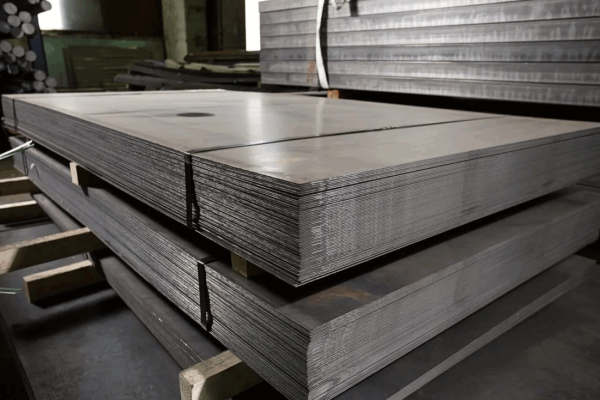
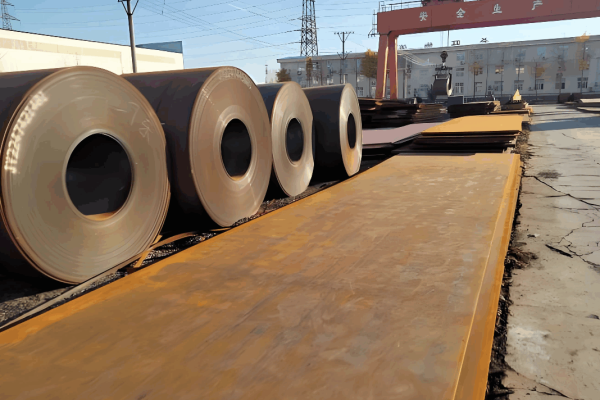
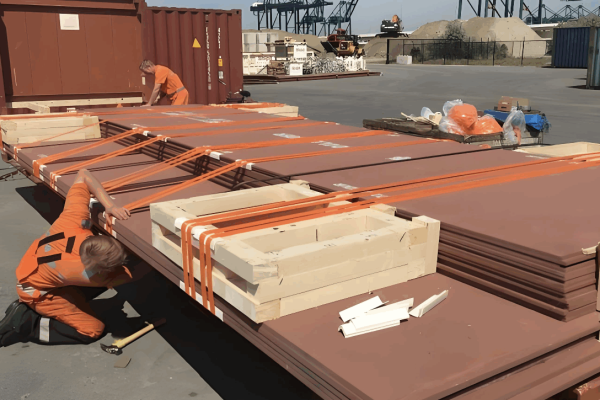
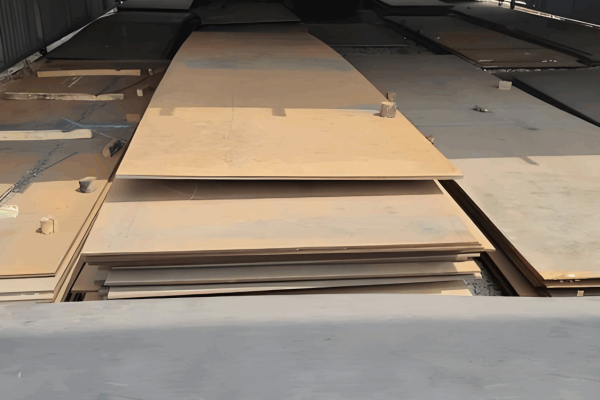
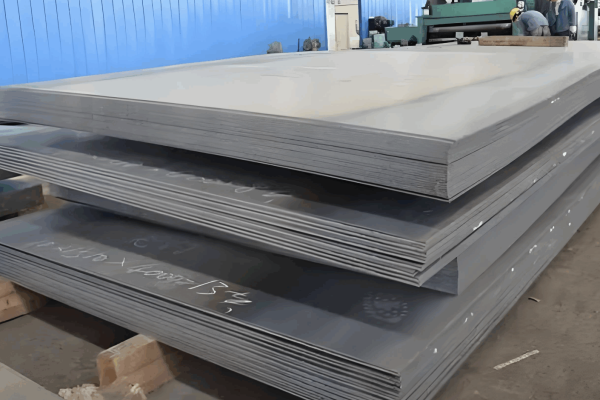
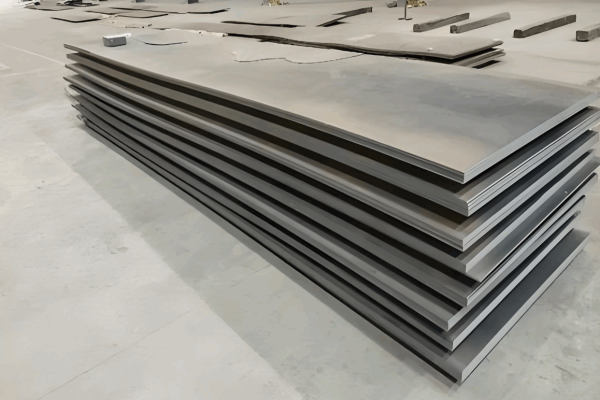
Steel plate is a flat rectangular steel made by continuous casting or die casting of molten steel into slab, and then rolling process (mainly hot rolling or cold rolling). Its materials are diverse, mainly including carbon structural steel, low-alloy high-strength steel, stainless steel, etc. By adjusting the chemical composition and heat treatment process, different mechanical properties (such as strength and toughness) can be obtained. Steel plate is the fundamental material of the national economy, widely used in fields such as shipbuilding, bridge construction, building structures, pressure vessels, mechanical equipment, and the automotive industry. Its specifications and performance must strictly comply with national or international standards (such as GB, ASTM).
Steel Plate Price
Steel plates do not have a uniform price, as their cost is influenced by multiple factors:
Material and Process: There is a significant price difference between ordinary carbon steel and special alloy steel or stainless steel.
Specifications and Standards: Higher thickness, width, and dimensional precision lead to higher prices.
Market and Logistics: As a commodity, its price is affected by the futures prices of raw materials like iron ore and coke, as well as market supply and demand.
Therefore, obtaining an accurate quotation requires providing specific details on the material, specifications, technical standards, and purchase quantity.
Get your exclusive customized steel plate solution!
We provide you with steel plates of various specifications and parameters
Grade
Thickness
Width
Length
AR500
0"-1/4"
4"-120"
8"-480"
A36
0"-1/4"
4"-120"
8"-480"
A572
0"-1/4"
4"-120"
8"-480"
304
0"-1/4"
4"-120"
8"-480"
316
0"-1/4"
4"-120"
8"-480"
A516
3"-8"
4"-120"
8"-480"
A514
3"-8"
4"-120"
8"-480"
4140
3"-10"
4"-120"
8"-480"
Steel Plate Application Field
Our steel plates are applied in various industries
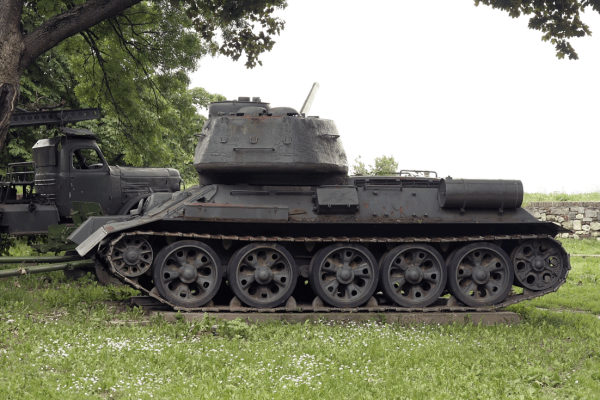
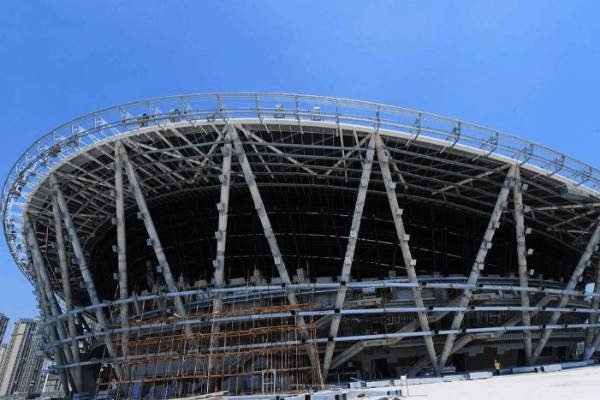
Steel plates are used for sports venues
Steel plates are used for car
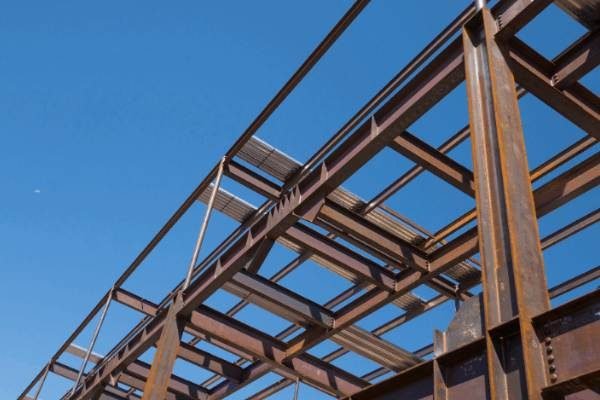
Steel plates are used for bridges
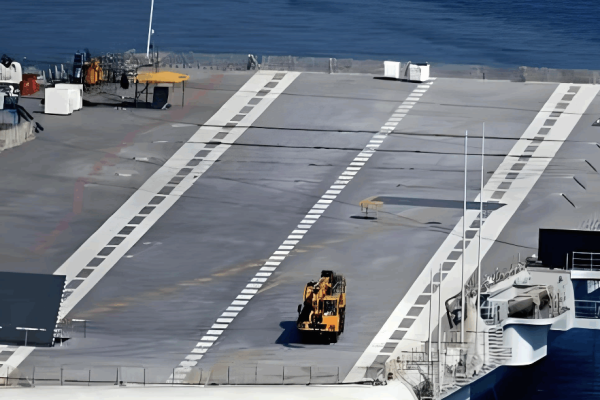
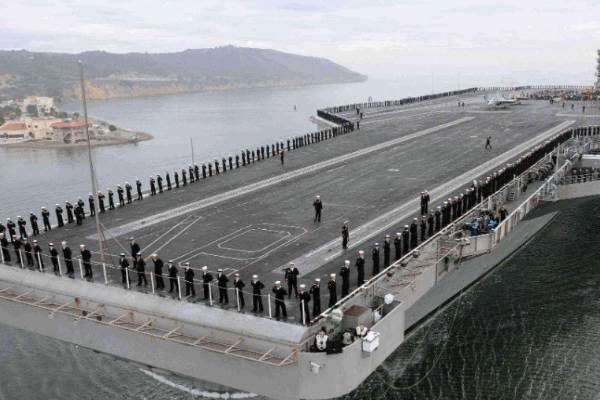
Steel plates are used for ship decks
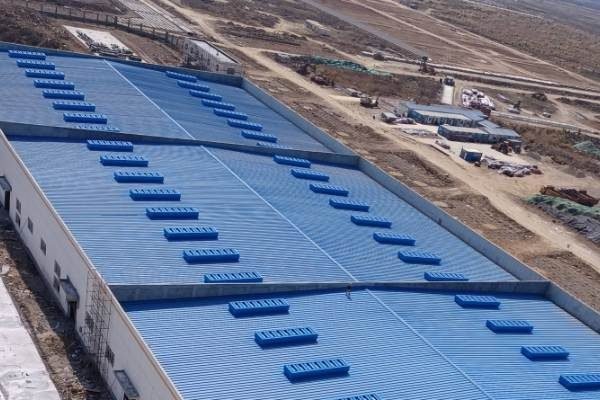
Steel plates are used for roof
Frequently Asked Questions
What are steel plates?
The thickness range of steel plates is extensive and not standardized, primarily categorized based on production processes and applications, covering a complete spectrum from extremely thin to extremely thick.
Classification according to Chinese National Standards (GB/T):
Thin Plate: Thickness ≤ 3mm (cold-rolled sheets can be as thin as 0.2mm).
Medium Plate: Thickness 3mm ~ 20mm.
Thick Plate: Thickness 20mm ~ 60mm.
Extra-Thick Plate: Thickness > 60mm.
Practical Range and Applications:
Extremely Thin: Can be as thin as approximately 0.15mm (precision strip steel), used for electronic components and precision instruments.
Conventional Range: The most common thickness in industrial production ranges from 0.5mm to 100mm, covering the vast majority of applications such as automotive, machinery, shipbuilding, and pressure vessels.
Extremely Thick: Extra-thick plates produced via special processes (e.g., mold casting, electroslag remelting) can reach several hundred millimeters, used for critical load-bearing components in large hydroelectric generator sets, nuclear reactor pressure vessels, and heavy machinery.
Therefore, the thickness of a steel plate must be precisely defined according to the specific product category, material, and applicable standards (e.g., GB, ASTM, JIS).
How much does a 4x8 foot steel plate weigh?
The weight of a 4×8 foot steel plate depends entirely on its thickness, which is the fundamental determining factor in the industry. Standard low-carbon steel has a density of approximately 490 pounds per cubic foot, equating to about 40.8 pounds per square foot per inch of thickness. The plate area is 32 square feet, so the weight in pounds is calculated as: Thickness (inches) × 1305.6.
For common gauges: a 16-gauge plate (~0.06 inches) weighs about 78 lbs, a 1/4-inch plate about 326 lbs, a 1/2-inch plate about 653 lbs, and a 1-inch plate about 1,306 lbs. Actual weight can vary slightly based on the steel grade (e.g., stainless steel has a higher density), coatings (like galvanizing), and manufacturing tolerances. For engineering and procurement, precise calculation should be based on the specific thickness using ASTM standards or supplier specification sheets to ensure compliance with design and safety requirements.
What are the types of steel plates?
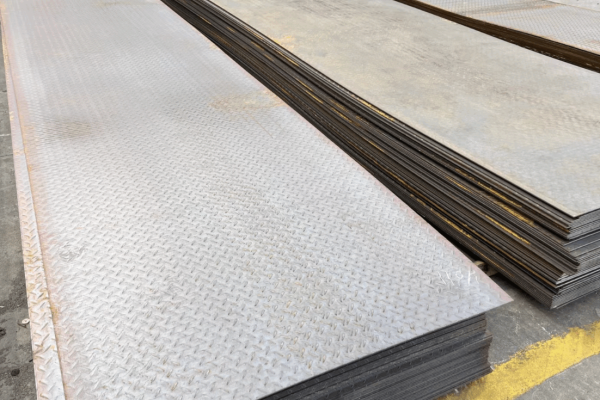
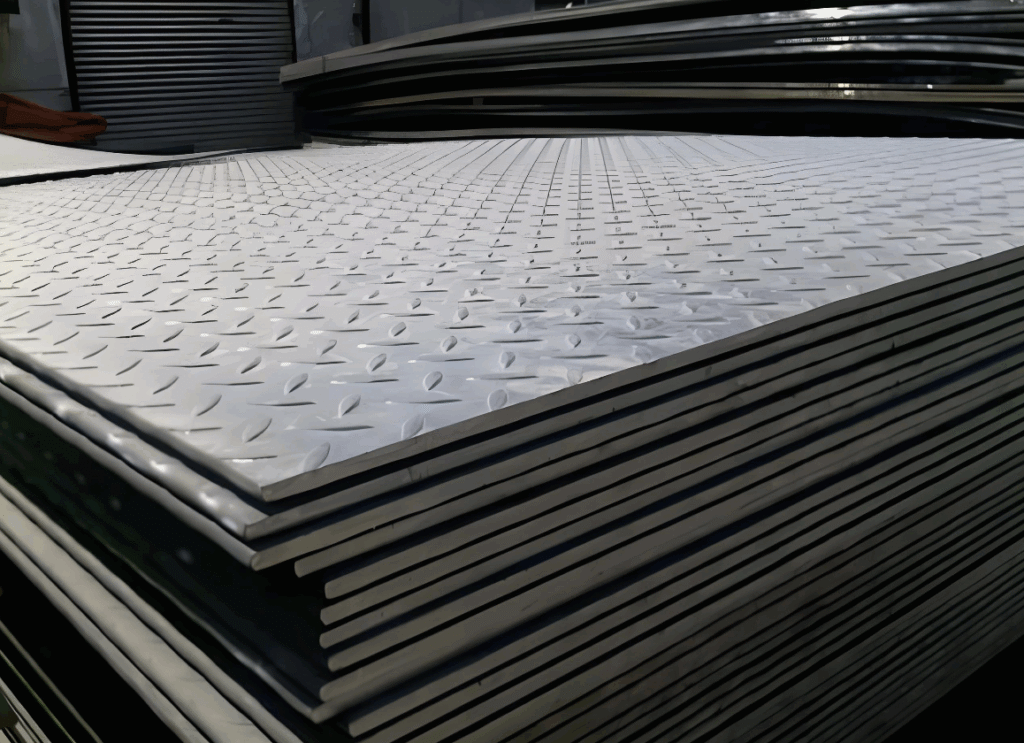
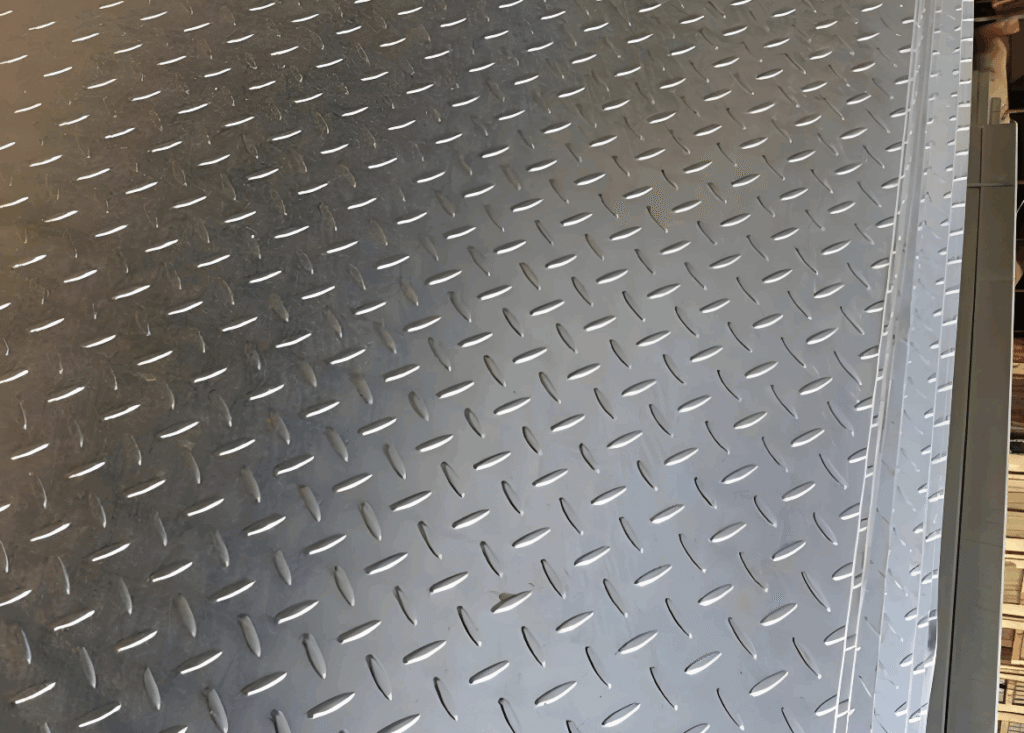
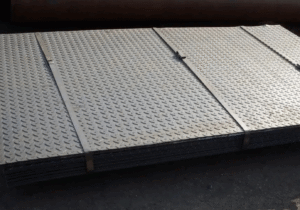
The core classifications of steel plates are as follows: By Process: Hot-rolled plates(high strength,used for structural components);Cold-rolled plates(excellent surface finish and high precision,used in high-end manufacturing). By Thickness: Thin steel plates,Thick steel plates. By Material: Stainless steel plates,Diamond steel plates,Carbon steel plates,Low-carbon steel plates,Alloy steel plates.




 English
  Spanish
 Afrikaans