4×4 Steel Plate: Specifications, Price, Application Scenarios and Usage Tips
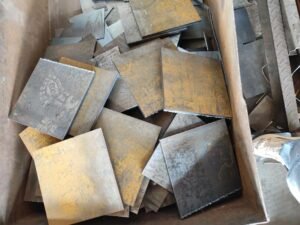
4×4 steel plate refers to a standard square steel plate of 4 inches × 4 inches, a commonly used consumable in industrial production, DIY projects, … Read More
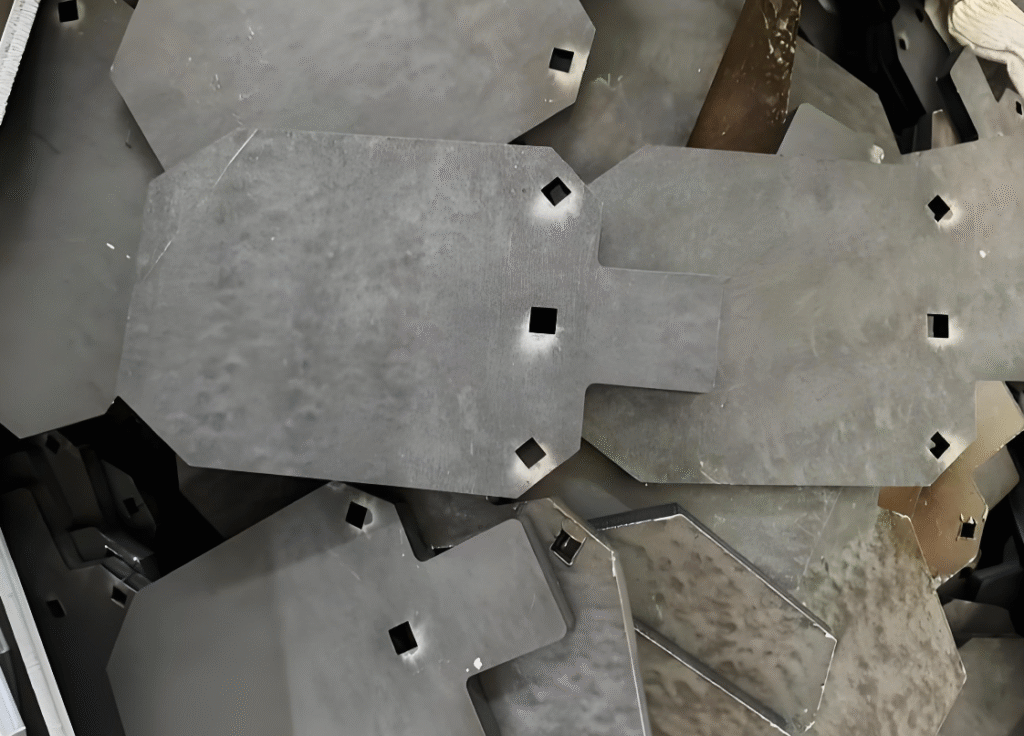
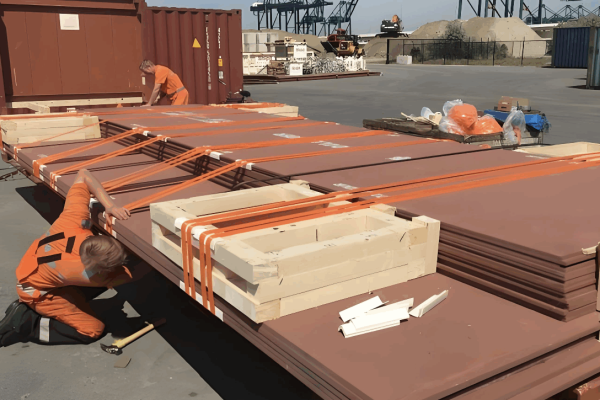
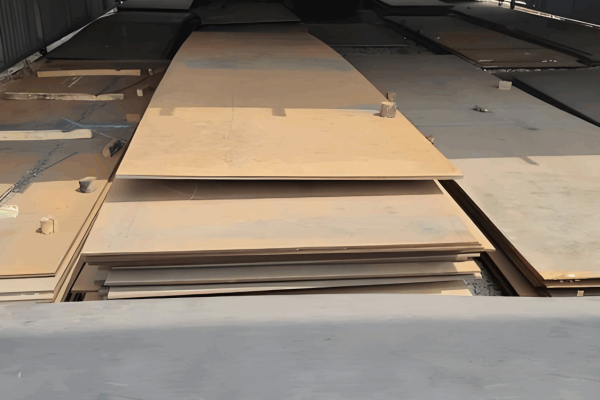
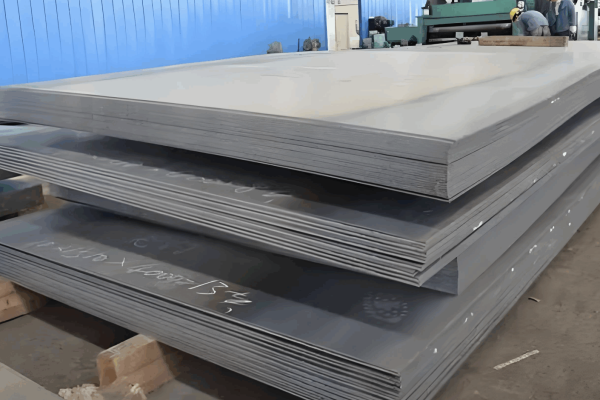
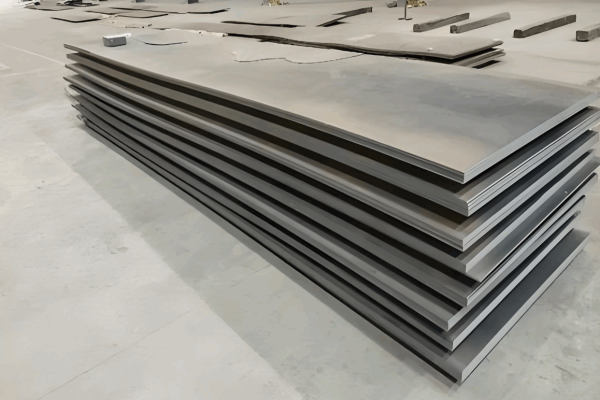
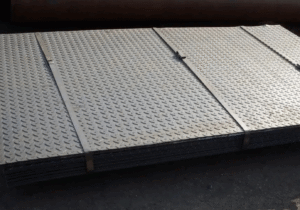
The 3/16-inch (approx. 4.76mm) AR500 abrasion-resistant steel plate complies with ASTM/AISI standards and features a Brinell hardness of 470-540 BHN. Made of high-carbon alloy material and processed by quenching and tempering, it boasts excellent wear resistance and impact resistance, and maintains structural stability even in low-temperature environments. It can be laser-cut and welded, and is suitable for high-frequency wear scenarios such as mining equipment, construction machinery, target plates and protective components. It reduces replacement frequency and maintenance costs, making it an ideal choice for industrial high-strength wear-resistant applications.
The market price of AR500 steel plate of this specification is subject to the impact of procurement volume, processing requirements and supply chain, with the current average price ranging from $490 to $650 per metric ton.
When the minimum order quantity (MOQ) is 1 metric ton, the unit price is mostly $600-$650 per metric ton; bulk procurement (≥ 5 metric tons) is eligible for discounts, with the unit price reduced to $490-$550 per metric ton.
Based on the standard 4×8-foot panel size, the tax-inclusive unit price of a single sheet (approximately 0.07 metric ton) is about $42-$46.
If value-added services such as laser cutting and custom sizing are required, an additional charge of $80-$120 per metric ton will be levied.
The price fluctuates with iron ore costs and tariff policies, so it is recommended to conduct bulk procurement to lock in costs.
Q:Why is AR500 steel so expensive?
A:AR500 steel’s higher cost stems from four key industry-driven factors. First, its premium high-carbon alloy composition—enriched with manganese and other elements—boosts hardness and durability, costing more than ordinary carbon steel like A36 . Second, the specialized quenching and tempering process requires high energy consumption and strict quality control (e.g., Brinell hardness testing), adding production costs . Third, its exceptional wear and impact resistance (470–540 BHN) delivers long-term value, reducing downtime and replacement costs, justifying the upfront premium . Finally, limited production capacity and strong demand across mining, construction, and protection sectors maintain stable pricing . For buyers, it’s an investment in lower lifecycle costs, not just a higher initial price.

4×4 steel plate refers to a standard square steel plate of 4 inches × 4 inches, a commonly used consumable in industrial production, DIY projects, … Read More

As one of the most commonly used specifications in industry, construction, and procurement, the weight of 3/8 inch steel plate is a core basis for … Read More

3/4″ steel plate refers to a flat steel product with a thickness of 3/4 inch (0.75 inch), falling into the category of heavy steel plates … Read More
Zinc yellow chromate plated steel is one of the most widely used steel surface treatment processes in industry. With the dual advantages of sacrificial zinc … Read More
1. What is a Steel Base Plate A steel base plate is a high-strength flat steel connecting component placed between structural steel columns, heavy equipment, … Read More
Stainless Steel Checker Plate, also known as stainless steel diamond plate or stainless steel tread plate, is a stainless steel sheet with raised patterns on … Read More