
In materials science, light metals stand out for their low density, high specific strength and lightweight advantages, and are widely adopted in key industries including aerospace, new energy, automobile manufacturing, electronics and healthcare. Many people wonder which natural metals feature the lowest density and weight, what defines light metals, how their properties differ, what application scenarios they suit, and what safety risks they pose.
Centered on density as the core criterion, this article compiles a complete ranking of the world’s lightest metals, analyzes their physicochemical properties and industrial uses, compares light metals with heavy metals, and clarifies common industrial misconceptions.
General Industrial Standard:
Metals with a density below 5 g/cm³ are universally classified as light metals; the lower the density, the more prominent their lightweight performance.
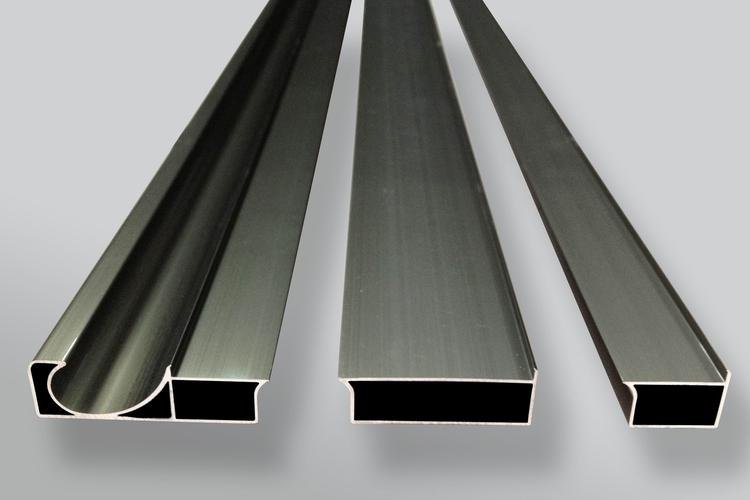
I. Complete Ranking of the World’s Lightest Metals by Density
Listed below from lowest to highest density are industrially applicable stable natural light metals, with key density values, core properties and basic attributes sourced from internationally recognized materials databases.
- Lithium (Li): Density 0.534 g/cm³. The world’s least‑dense metal. A soft silvery‑white alkali metal that floats on water. Extremely chemically reactive, requiring air‑ and water‑proof sealed storage. The most widely used lightweight reactive metal today.
- Potassium (K): Density 0.86 g/cm³. Waxy and extremely soft, cuttable with a knife. Reacts violently with water and oxygen at room temperature. Does not exist in elemental form in nature and is mostly found in compounds.
- Sodium (Na): Density 0.97 g/cm³. A soft silvery‑white metal that releases hydrogen upon violent reaction with water. Widely used industrially as a chemical feedstock and alloying agent; most commonly encountered in daily life as sodium‑based compounds.
- Rubidium (Rb): Density 1.53 g/cm³. A rare alkali metal more reactive than potassium and sodium. Mainly used in special electronic devices and atomic clock development.
- Calcium (Ca): Density 1.55 g/cm³. A silvery‑white light metal with high chemical reactivity. Primarily applied as a deoxidizer in alloys and an additive for construction materials.
- Magnesium (Mg): Density 1.74 g/cm³. The lightest structural metal for industrial use, featuring excellent strength adaptability and machinability. A core raw material for lightweight alloys.
- Beryllium (Be): Density 1.85 g/cm³. High‑hardness and rigid, yet elemental beryllium and its dust are highly toxic, limiting its application scope.
- Cesium (Cs): Density 1.87 g/cm³. A highly reactive rare light metal, mostly used in precision instruments and optics.
- Strontium (Sr): Density 2.64 g/cm³. Mainly used in pyrotechnics, alloy modification and optoelectronic materials.
- Aluminum (Al): Density 2.70 g/cm³. The world’s most widely used general‑purpose light metal, with strong corrosion resistance and low processing costs, covering lightweight applications across all industries.
Supplementary Notes:
Under extreme high pressure, hydrogen can form metallic hydrogen, yet it is a non‑metallic gas under normal temperature and pressure and thus excluded from conventional light metals. Titanium, with a density of 4.51 g/cm³, is the highest‑strength transition metal among light metals.
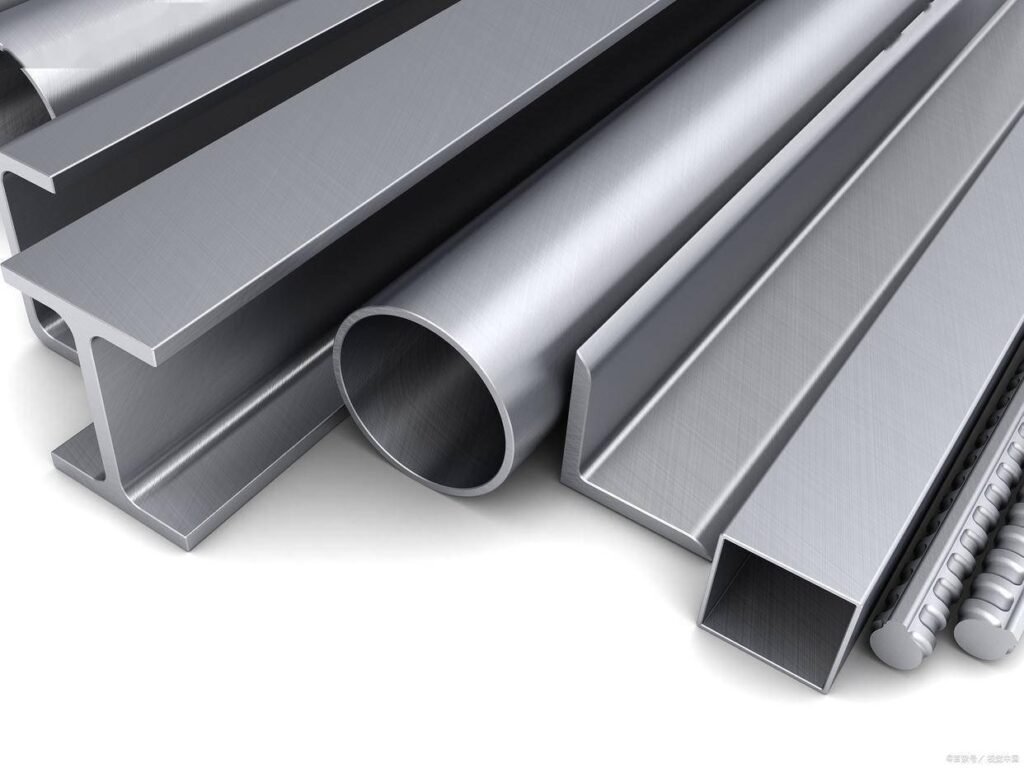
II. Core Physicochemical Properties and Key Differences of Light Metals
1. Why Are Light Metals Lighter?
Light metals are mostly found in the alkali and alkaline‑earth metal groups of the periodic table. They feature large atomic radii, relatively low atomic masses and loose atomic packing, resulting in fewer atoms per unit volume and much lower density than conventional heavy metals.
2. Common and Differentiating Properties
Common Traits: Low overall density; most alkali metals are highly chemically reactive with good electrical and thermal conductivity, suitable for manufacturing lightweight structural components.
Key Differentiations:
- Reactivity: Cesium > Potassium > Sodium > Lithium. Lighter alkali metals show stronger chemical reactivity with stricter storage and usage requirements.
- Strength: Titanium > Beryllium > Magnesium > Aluminum. Highly reactive lithium, potassium and sodium lack structural strength and cannot be directly used as structural components.
- Toxicity: Beryllium is highly toxic; lithium, potassium and sodium are highly corrosive; aluminum, magnesium and titanium feature the highest safety and stability.
3. Special Light Metal: Titanium – The Lightest Transition Metal
Although denser than aluminum and magnesium, titanium boasts far higher specific strength than most light metals. With excellent corrosion resistance, high‑temperature resistance and biocompatibility, it is the preferred lightweight metal for high‑end industrial scenarios and a premium special‑purpose light metal.
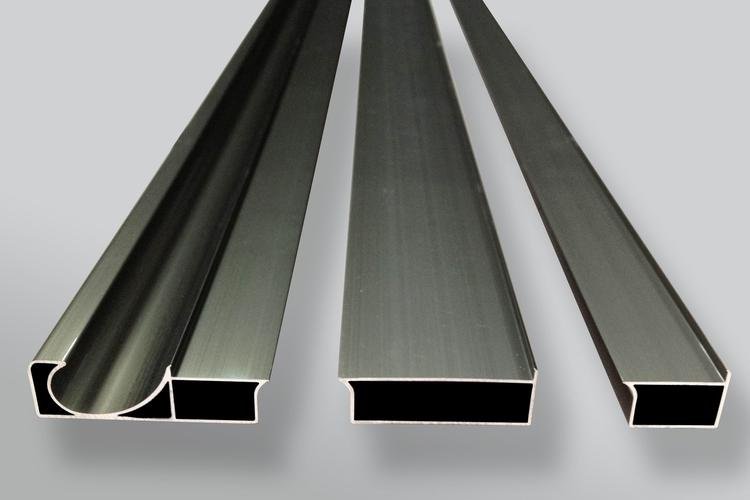
III. Main Industrial Application Scenarios of Light Metals
Light metals are selected for practical use based on four dimensions: density, strength, safety and cost. Core applications across industries are as follows:
1. New Energy Industry
- Lithium: Core raw material for lithium‑ion batteries and energy‑storage batteries, vital for new‑energy vehicles, photovoltaic energy storage and consumer electronics.
- Aluminum: Battery casings and heat‑dissipation structural parts, reducing weight to improve battery endurance.
2. Aerospace Sector
- Titanium alloys: Aircraft fuselage, engine parts and aerospace structural components, balancing lightweight design with high strength and high‑temperature resistance.
- Magnesium alloys and aluminum‑lithium alloys: Fuselage frames and interior structural parts, cutting aircraft weight and fuel consumption.
3. Automobile Manufacturing
- Aluminum and magnesium alloys: Body frames, wheel hubs and engine parts, realizing vehicle lightweighting to lower fuel consumption and boost endurance for new‑energy vehicles.
- Titanium: Precision core components for high‑end racing cars and new‑energy vehicles.
4. Healthcare Industry
- Titanium: Implants including artificial bones, joints and dental implants, featuring non‑rejection, corrosion resistance and strength matching human biomechanics.
- Beryllium: Transmission windows for medical X‑ray equipment to enable precise imaging; dust exposure is strictly controlled to avoid toxic hazards.
5. Civil‑Use and General Industry
- Aluminum: Doors, windows, cookware, appliance casings and pipelines, the most cost‑effective general‑purpose light metal.
- Magnesium: Pyrotechnics, alloy additives and precision electronic casings.
- Calcium and strontium: Modifiers for construction, chemical and pyrotechnic materials.

IV. Light Metals vs. Heavy Metals & Horizontal Comparison of Common Light Metals
1. Light Metals vs. Heavy Metals
| Comparison Dimension | Light Metals | Heavy Metals |
|---|---|---|
| Density Standard | Less than 5 g/cm³ | More than 5 g/cm³ |
| Core Features | Low density; some have high chemical reactivity; lightweight | High density, high mechanical strength; some are toxic |
| Main Applications | Aerospace, new energy industries, lightweight structural components | Mechanical load‑bearing parts, electroplating, precision counterweights |
2. Horizontal Comparison of Main Industrial Light Metals
| Metal Name | Density | Core Advantages | Main Drawbacks |
|---|---|---|---|
| Lithium | 0.534 g/cm³ | Lowest density among all metals | High chemical reactivity, unsuitable for structural use, high cost |
| Magnesium | 1.74 g/cm³ | Lightest structural metal for industrial use | Moderate corrosion resistance |
| Aluminum | 2.70 g/cm³ | Low cost, easy to machine and process | Moderate tensile strength |
| Titanium | 4.51 g/cm³ | High strength, corrosion resistance, excellent biocompatibility | Relatively high price |
3. Clarification of Common Industrial Misconceptions
- Hydrogen is not a conventional light metal: It only becomes metallic under extreme high pressure and is gaseous under normal conditions, with no general industrial value.
- Titanium is not the lightest metal but the optimal structural light metal for high‑end applications.
- Light metals do not always have low strength: Titanium alloys match steel in strength while weighing only 60 % of steel.
- Reactive light metals (lithium, sodium, potassium) cannot be directly used as structural components and only serve as raw materials or alloy modifiers.
V. Frequently Asked Questions (FAQs)
A1:What is the world’s lightest metal?
Lithium, with a density of 0.534 g/cm³, is the least‑dense stable metal known to date.
Q1:Which is lighter, titanium or aluminum?
Aluminum (2.70 g/cm³) is lighter than titanium, yet titanium outperforms aluminum significantly in strength, corrosion resistance and high‑temperature resistance.
A2:Are light metals safe to use?
Q2:Aluminum, magnesium and titanium are safe for daily use. Lithium, sodium and potassium are highly chemically reactive and require professional storage. Elemental beryllium is highly toxic and strictly regulated in industrial applications.
A3:What are the lightest metal alloys?
Q3:Magnesium‑lithium alloys (approx. 1.3–1.6 g/cm³) and aluminum‑lithium alloys (approx. 2.58 g/cm³) are mainstream lightweight alloy options.
A4:Why do industries commonly use aluminum and magnesium instead of lithium for structural parts?
Q4:Lithium is excessively reactive, prone to corrosion and lacks structural strength for direct forming. Aluminum and magnesium offer good stability, easy machinability and controllable costs.
Conclusion
Overall, lithium is the least‑dense elemental metal, while magnesium, aluminum and titanium are the most practically applicable light metals in industry. In material selection, weight alone should not be the only consideration; strength requirements, safety standards and budget must be comprehensively evaluated based on application scenarios.
With the rapid growth of new‑energy, aerospace and lightweight manufacturing industries, research and applications of light metals continue to advance. New lightweight materials such as magnesium‑lithium alloys, aluminum‑lithium alloys and titanium alloys will become core drivers of future industrial development.
References
- Royal Society of Chemistry: Density databases and physicochemical property standards for metals in the periodic table
- ASTM International: Industrial standards for light metals and alloys, including ASTM B98/B98M and ASTM F136
- Science Notes: Global light‑metal density rankings and popular science literature on alkali‑metal properties




 English
  Spanish
  Afrikaans