
Zinc-plated steel and stainless steel are the two most widely used metal materials in industrial, construction, DIY, and other applications. Many engineering purchasers and practitioners struggle with choosing between them. Their core differences lie in corrosion resistance, cost, workability, and other key dimensions, making them suitable for completely different scenarios. This article breaks down their differences in detail, covering basic definitions, core distinctions, practical identification, and application selection.
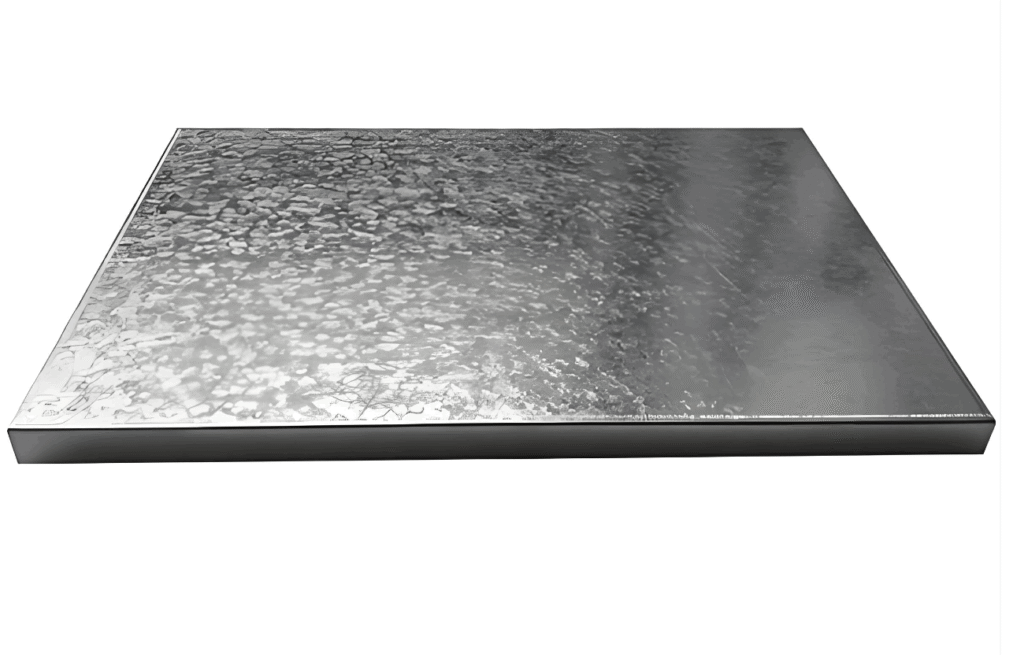
I. What is Zinc-Plated Steel?
Definition & Process
Zinc-plated steel is made from ordinary carbon steel coated with a layer of zinc through surface treatment to achieve corrosion resistance. There are two main types based on the plating method:
- Hot-dip galvanizing: The steel is immersed in molten zinc, forming a thick zinc‑iron alloy layer, typically 50–100 μm. It offers strong adhesion and high corrosion resistance, ideal for outdoor structural parts.
- Electro-galvanizing: Zinc is deposited onto the steel surface via electrolysis. The zinc layer is thinner (usually 5–15 μm), with a bright, attractive finish, but lower corrosion resistance, making it suitable for indoor use.
Corrosion Protection Principle: Sacrificial Anode Protection
Zinc is electrochemically more active than iron. In corrosive environments, the zinc layer oxidizes first, protecting the underlying steel. Even with minor scratches exposing the base iron, the surrounding zinc still provides protection.
Common Standards
Zinc-plated steel products must comply with relevant standards. For hot-dip galvanizing, the coating weight is generally required to be at least 500 g/㎡ (approx. 70 μm).
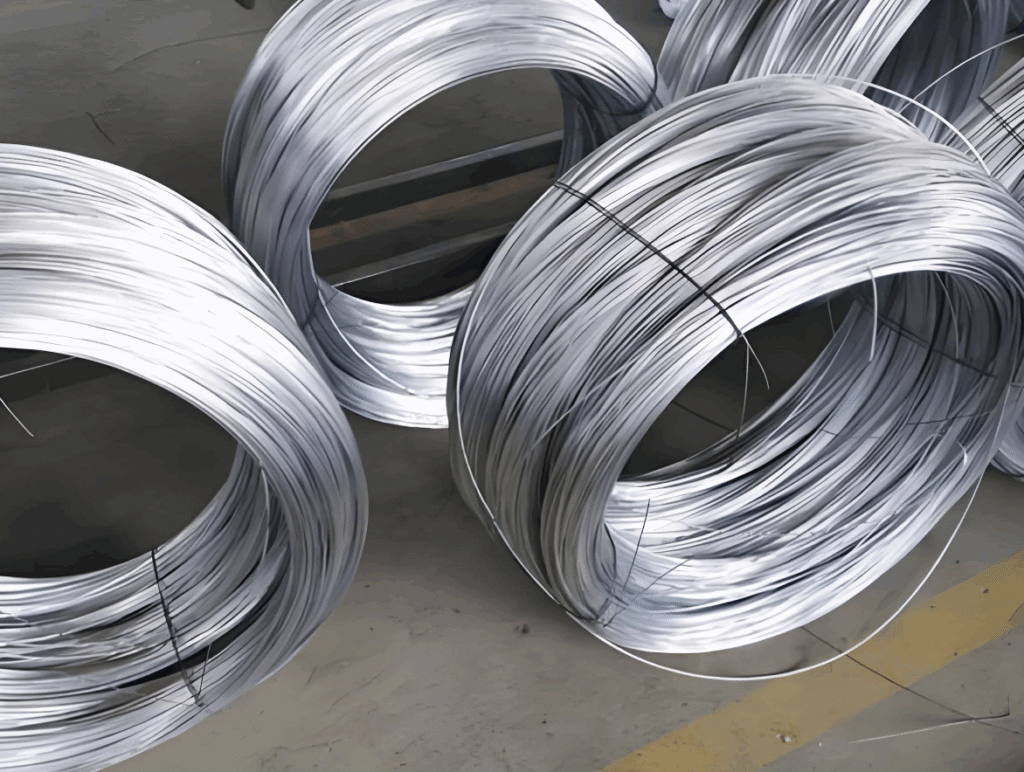
II. What is Stainless Steel?
Definition & Composition
Stainless steel is an alloy steel composed of iron, chromium (at least 10.5%), and alloying elements such as nickel and molybdenum. Its key feature is “stain resistance,” not absolute immunity to corrosion.
Corrosion Protection Principle: Self-Repairing Passive Film
Stainless steel’s corrosion resistance comes from a chromium-rich oxide film (passive film) on its surface. Chromium reacts with oxygen to form a dense, durable layer. Even if scratched, the film self-repairs in the presence of oxygen.
Common Grades
- 304 stainless steel: General-purpose austenitic stainless steel with 18% chromium and 8% nickel, suitable for most indoor and outdoor environments.
- 316 stainless steel: Contains 2–3% molybdenum, significantly improving resistance to chloride corrosion. It is especially suitable for marine or chemical plant environments.
III. Zinc Plated vs Stainless Steel
The core difference between zinc-plated steel and stainless steel comes down to their corrosion protection mechanisms, which further affect performance in corrosion resistance, strength, durability, cost, appearance, and workability. These differences directly determine their suitable applications.
3.1 Corrosion Resistance
- Zinc-plated steel:Corrosion resistance depends entirely on the zinc layer. The sacrificial anode mechanism only works while the coating is intact. It performs well in dry, non-corrosive environments but corrodes much faster in humid, acidic, alkaline, or coastal settings. In neutral salt spray, it shows no obvious rust within 24 hours, but white corrosion appears in acidic salt spray, with an annual corrosion rate up to 50 μm. Once the zinc layer is damaged or worn, the carbon steel substrate rusts quickly with no self-repair.
- Stainless steel:Corrosion resistance comes from its alloy composition and passive film, not surface coating. It maintains excellent performance in harsh environments with chlorides, acids, or alkalis. 316 stainless steel has better corrosion resistance than 304, making it ideal for coastal and chemical sites. Unlike zinc-plated steel, which easily develops red rust at cut edges, stainless steel has consistent, uniform corrosion resistance with no obvious weak points.
3.2 Strength & Durability
- Zinc-plated steel:Moderate strength, with tensile strength typically 300–400 MPa. Service life depends heavily on coating thickness and environment:
- Dry environment: approx. 5–10 years
- Harsh corrosive environment: only 2–5 yearsHot-dip galvanized steel can last 20–30 years outdoors. Regular maintenance is required to extend life.
- Stainless steel:Higher strength, with tensile strength 500–700 MPa, better hardness and wear resistance.
- General environment: 15–30 years
- Harsh environment: 10–20 yearsSome high-grade stainless steels can last 50+ years with minimal maintenance.
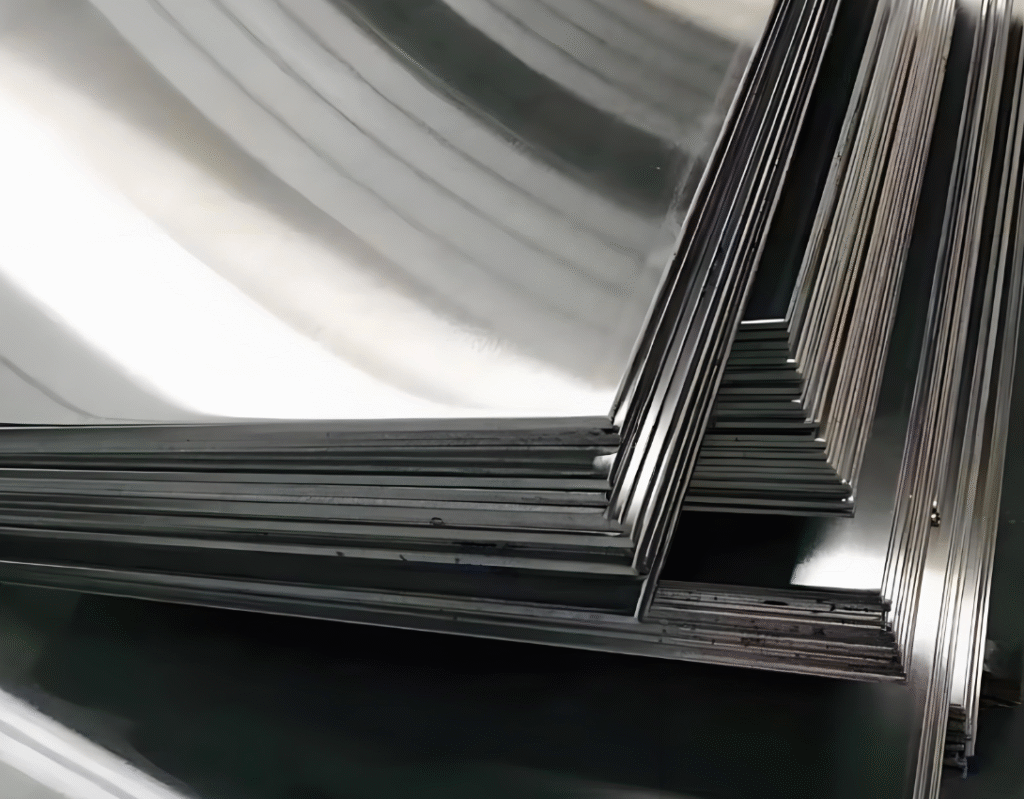
3.3 Cost
- Zinc-plated steel:Low upfront cost — about 1/3 to 1/2 the price of stainless steel. However, long-term maintenance is expensive: inspections and touch-ups are usually needed every 3–5 years.
- Stainless steel:High upfront cost:
- 304 stainless steel: 2–3 times the cost of zinc-plated steel
- 316 stainless steel: 3–5 times the cost of hot-dip galvanized steelYet maintenance cost is extremely low. Over a full life cycle (especially 10+ years), stainless steel often becomes more cost-effective.
3.4 Appearance
- Zinc-plated steel:Silvery-white or grayish, often with visible spangles. Surface is relatively rough with moderate gloss. Limited surface finishing options. Suitable for non-decorative applications such as scaffolding and structural supports.
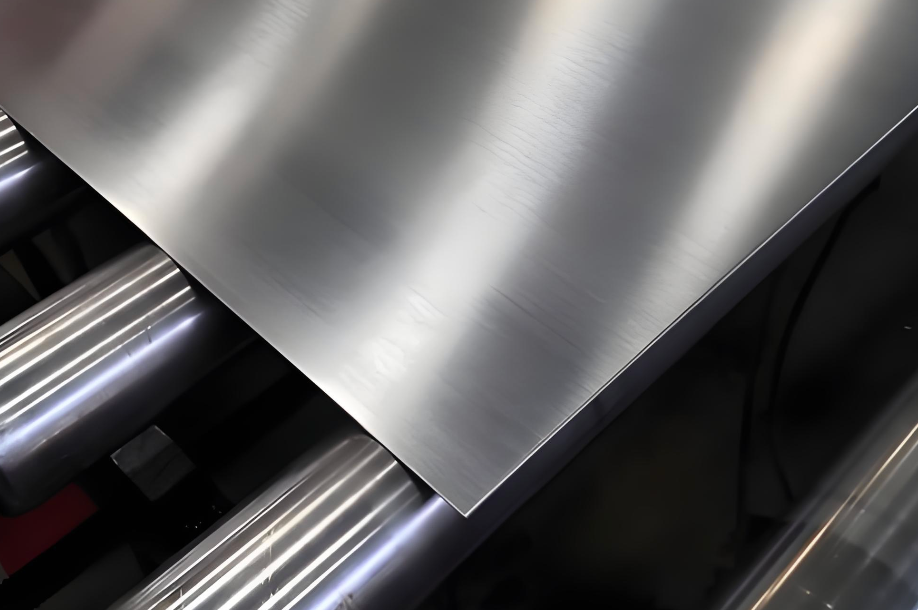
- Stainless steel:Bright silver-white, smooth, and high-quality finish. Can be brushed, mirror-polished, sandblasted, etc. Far superior for visible, decorative uses: handrails, curtain walls, high-end furniture, appliances.
3.5 Workability
- Zinc-plated steel:Easy to cut, weld, and bend without specialized equipment, supporting fast on-site construction. However, welding damages the zinc layer, so welded areas must be touched up to prevent rust.
- Stainless steel:Harder to machine. Cutting and welding often require specialized tools (e.g., TIG welding). Higher process requirements and greater tool wear. Cut ends should be treated to avoid edge corrosion.
3.6 Food-Grade & Hygienic Suitability
- Zinc-plated steel:Not suitable for food contact. Zinc coating may flake or dissolve, contaminating food or water. Rust after coating damage makes it unhygienic and unable to meet food or pharmaceutical standards.
- Stainless steel:Fully suitable for food-grade and hygienic applications. Smooth, non-porous surface resists bacteria, has no harmful leaching, and meets industry standards. Widely used in food processing, medical devices, and drinking water systems.
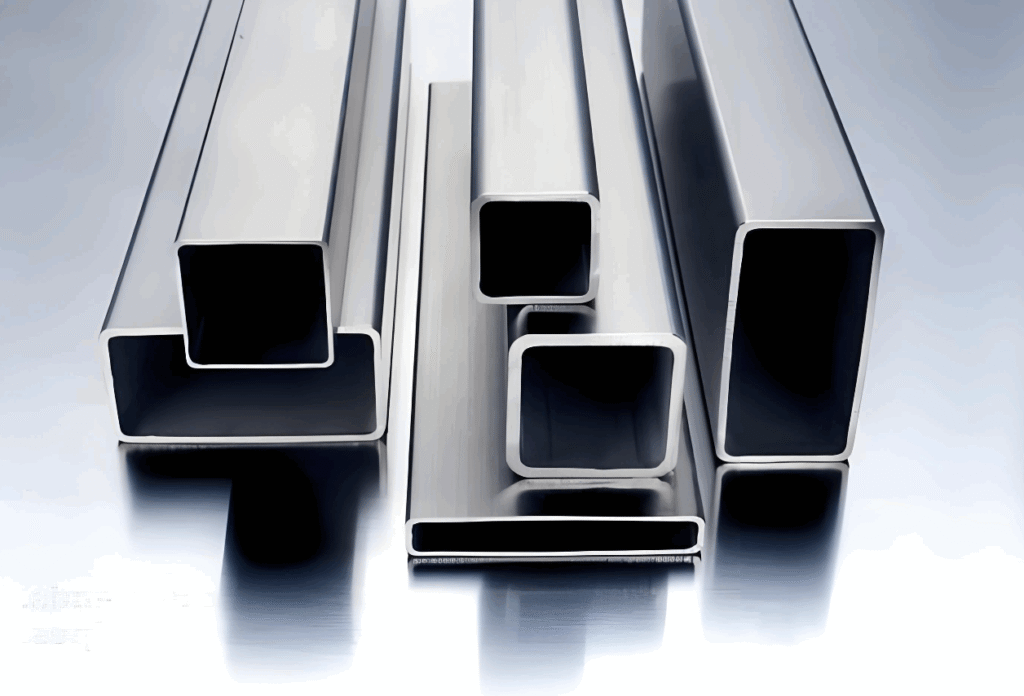
IV. Practical Guidance
4.1 How to Tell Zinc-Plated Steel & Stainless Steel Apart
Four simple, on-site methods:
- Visual identification:Zinc-plated steel has spangles, matte or semi-bright silver-gray, rough texture.Stainless steel is bright silver, smooth, no spangles, with clear metallic luster even after brushing or sandblasting.
- Magnet test:Zinc-plated steel (carbon steel base) is strongly magnetic.Common 304/316 austenitic stainless steels are non-magnetic or weakly magnetic.
- Chemical test:Apply dilute hydrochloric acid or white vinegar:
- Zinc-plated steel: bubbles quickly, coating dissolves, rust appears
- Stainless steel: no obvious reaction
- Hardness & weight:Stainless steel is harder. Scratching leaves less obvious marks.Similar sizes: zinc-plated steel feels slightly heavier.
4.2 Can They Be Used Together?
Yes, but galvanic corrosion must be prevented.
Zinc has a lower electrode potential than stainless steel. When in direct contact, zinc acts as the anode and corrodes rapidly.
Use insulating gaskets or coatings between them. After welding, repair the zinc layer to maintain corrosion resistance.
4.3 Maintenance
- Zinc-plated steel: Inspect every 1–2 years. Repair damaged areas with touch-up paint or re-plating. Avoid long-term exposure to harsh environments.
- Stainless steel: Wipe clean with water. Avoid strong salts, acids, or alkalis. Passivate cut/welded edges to extend service life.
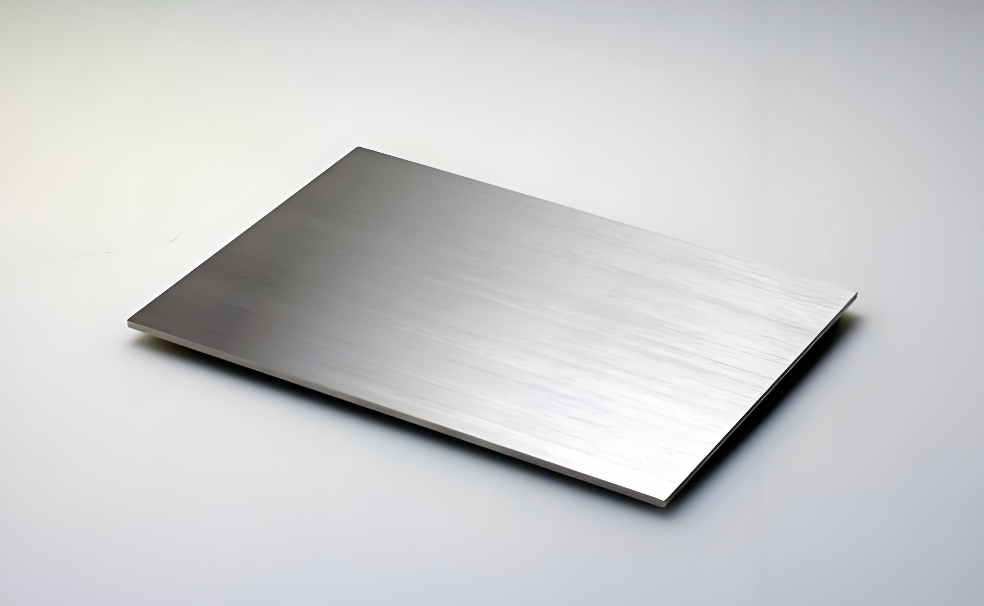
V. Scenario-Based Selection Guide
Choose Zinc-Plated Steel If:
- Budget is limited, service life requirement is short (under 5 years), and cost efficiency is priority.
- Environment is dry and non-corrosive: indoor shelves, inland fences, temporary structures.
- Heavy on-site cutting, welding, or bending is needed for fast construction.
- Appearance and food-grade hygiene are not critical.
Tip: Use hot-dip galvanized outdoors for thicker coating; electro-galvanized is cost-effective indoors.
Choose Stainless Steel If:
- Environment is harsh: coastal, chemical, humid, or high-chloride. Use 316 for extreme conditions.
- Food-grade, hygienic, or medical standards are required.
- Long service life and low maintenance are needed (e.g., high-altitude or permanent installations).
- High aesthetic appearance is important for visible or decorative parts.
Tip: 304 for general use; 316 for marine/chemical environments.
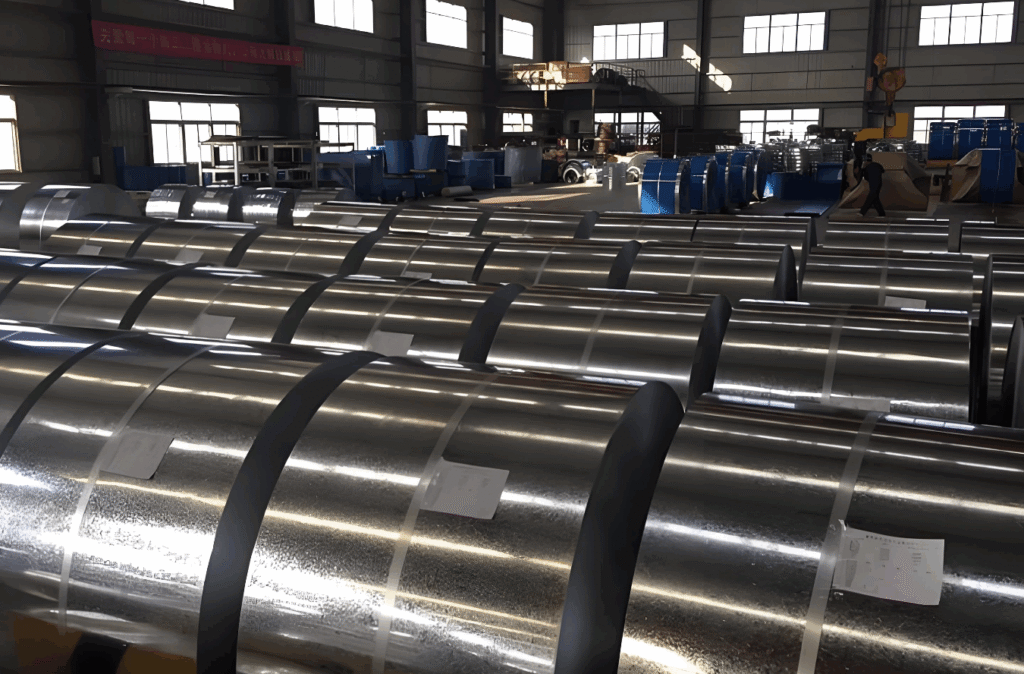
VI. FAQ
Q1: Is zinc plating better than stainless steel?
A: Neither is universally better — only suitable for different scenarios. Choose zinc-plated for low-budget, dry, short-term uses. Choose stainless steel for harsh environments, long life, food safety, or high aesthetics.
Q2: Does zinc-plated steel rust?
A: Yes. It relies on the zinc layer. Once damaged, the base steel rusts quickly, especially in harsh environments. Regular maintenance extends life.
Q3: Which is more cost-effective long-term?
A: Stainless steel. Higher upfront cost, but far lower maintenance and much longer life result in lower total cost over 10+ years.
Q4: Can stainless steel be zinc plated?
A: Usually unnecessary. Stainless steel already has excellent corrosion resistance. Galvanizing adds cost without meaningful benefit.
Q5: Which is easier to machine?
A: Zinc-plated steel is easier to cut, weld, and bend without specialized gear. Stainless steel requires more professional processing.
Q6: Do they perform differently in salt spray?
A: Yes. Zinc-plated steel corrodes quickly. Stainless steel (especially 316) performs far better in salt spray environments.
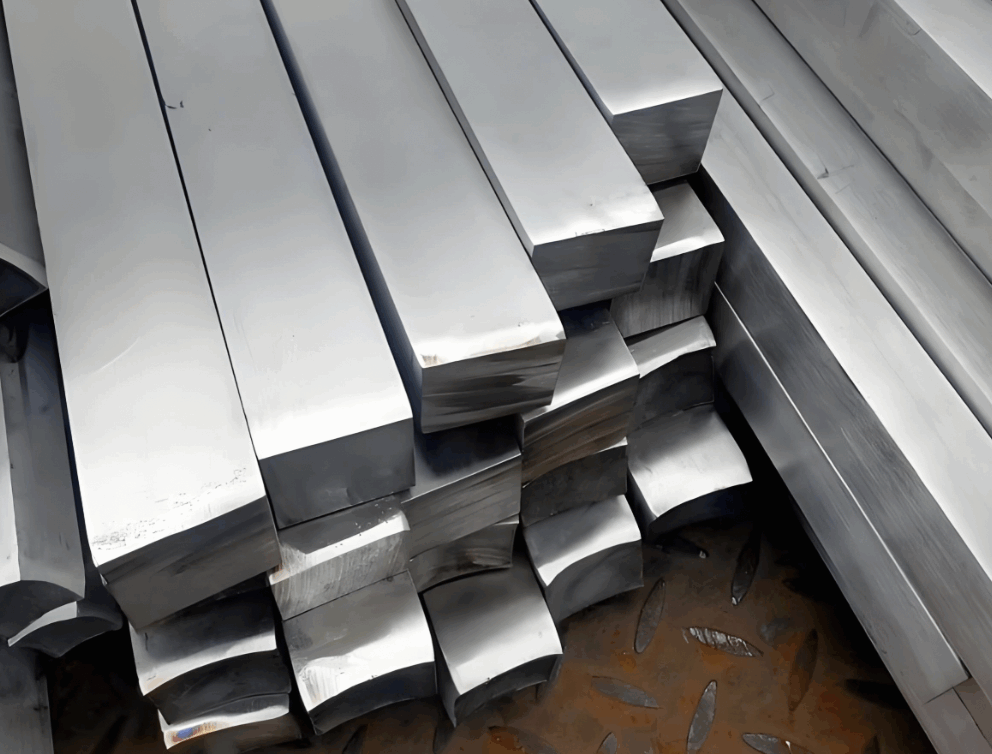
VII. Conclusion
The fundamental difference between zinc-plated steel and stainless steel is their corrosion protection mechanism:
- Zinc-plated steel uses a sacrificial zinc layer.
- Stainless steel relies on a self-repairing chromium passive film.
This leads to major differences in corrosion resistance, strength, cost, appearance, and workability.
Selection rule:
- Dry environment, low budget, on-site fabrication → choose zinc-plated (electro-galvanized indoor, hot-dip galvanized outdoor).
- Harsh environment, long life, food safety, high appearance → choose stainless steel (304 general, 316 coastal/chemical).
Understanding how to identify and maintain these materials helps avoid mistakes and reduce long-term costs. Whether for engineering procurement, manufacturing, or DIY projects, matching material to environment, budget, and requirements will lead to the best choice.
Reference Sources
- 1. GB/T 2518-2019 《Continuously Hot dip Galvanized and Zinc Alloy Coated Steel Plates and Strips》:specifies the technical requirements, test methods, inspection rules, etc. for hot-dip galvanized and zinc alloy coated steel plates and strips. It is the core standard for the production and inspection of galvanized steel, and clarifies key parameters such as hot-dip galvanized zinc layer thickness and anti-corrosion performance.
- 2. GB/T 3280-2015 《Cold rolled Stainless Steel Plates and Strips》: specifies the dimensions, shape, technical requirements, test methods, etc. of cold-rolled stainless steel plates and strips, covering the core parameters of commonly used stainless steel models such as 304 and 316, and is an important basis for stainless steel selection and inspection.
- 3. GB/T 4237-2015 《Hot rolled Stainless Steel Plates and Strips》: A technical standard for hot-rolled stainless steel products, which supplements the relevant requirements for stainless steel hot rolling process and is applicable to stainless steel material selection in mechanical manufacturing, construction and other scenarios.
- 4. GB/T 8165-2018 《Stainless Steel Composite Steel Plates and Strips》: specifies the technical requirements for stainless steel composite steel plates and strips, applicable to composite metal material scenarios that require a balance between cost and corrosion resistance.




 English
  Spanish
  Afrikaans