
As a core connecting component in steel structure systems, a steel plate base serves as the key part connecting steel columns to concrete foundations. Its primary functions include distributing concentrated loads transmitted by steel columns to prevent compression damage to concrete foundations, securing structural positions, and ensuring overall structural stability. This paper comprehensively elaborates on steel base plates from the perspectives of definition, types, pricing, technical parameters, procurement and selection, as well as application scenarios.

1. Definition of Steel Plate Base
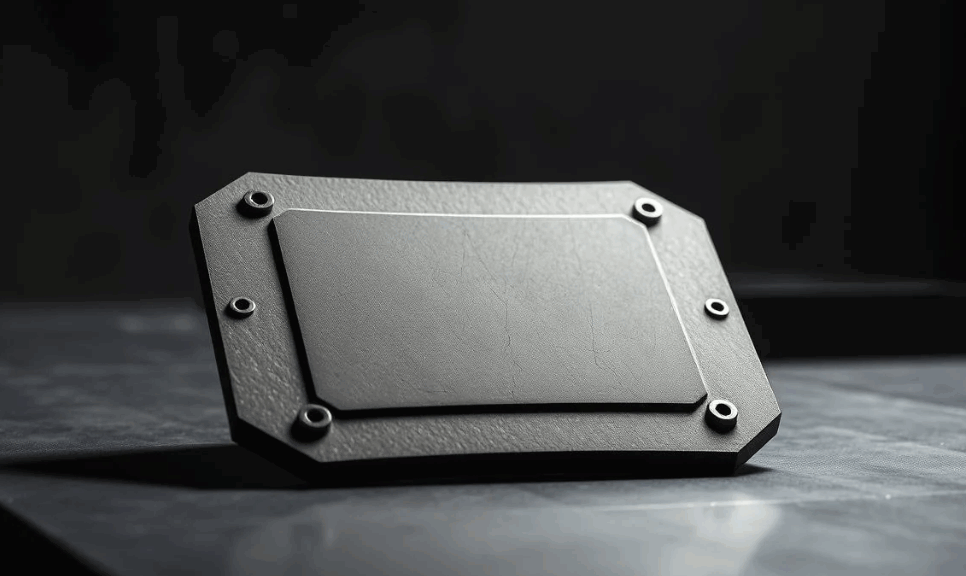
A steel base plate is a flat steel component fabricated from steel plates. It is generally fixed at the bottom of steel columns via welding or bolt connection, acting as a transitional part between steel columns and concrete foundations. It fulfills three core functions:
First, load transmission. It evenly distributes axial load, shear load and bending moment load borne by steel columns to concrete foundations, avoiding foundation damage caused by local stress concentration.
Second, structural fixation. It accurately positions steel columns through anchor bolts and other accessories to prevent structural displacement.
Third, environmental adaptability and protection. It adapts to diverse service environments, mitigates corrosion and vibration impacts on structural connections, and extends the service life of steel structures.
2. Common Types of Steel Plate Base
- Classified by hole design: Holed steel base plates (pre-drilled) and solid steel base plates (blank plates). Holed base plates are pre-drilled for anchor bolt connection with concrete foundations, suitable for scenarios requiring precise positioning and detachable installation, such as scaffold supports and temporary equipment fixation. Solid base plates are mainly fixed by welding with higher structural stability, ideal for heavy-load and permanent installation scenarios including steel column foundations of high-rise buildings.
- Classified by installation method: Grouted steel base plates and non-grouted steel base plates. Grouted base plates adopt non-shrinkage high-strength grout to fill gaps between the base plate and foundation, forming a dense supporting layer after solidification. They are applicable to gaps ≥10mm and structures bearing dynamic loads or large horizontal forces, such as crane columns and beams, and tall structures. Non-grouted base plates directly fit the foundation surface and are leveled with shims. They suit gaps ≤5mm and static load conditions, featuring convenient construction with no curing period required.
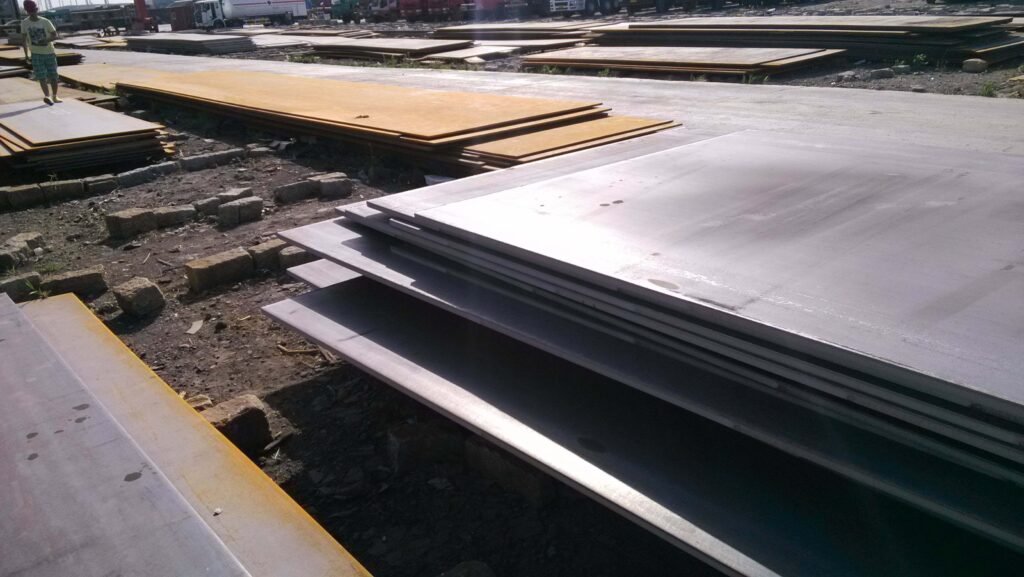
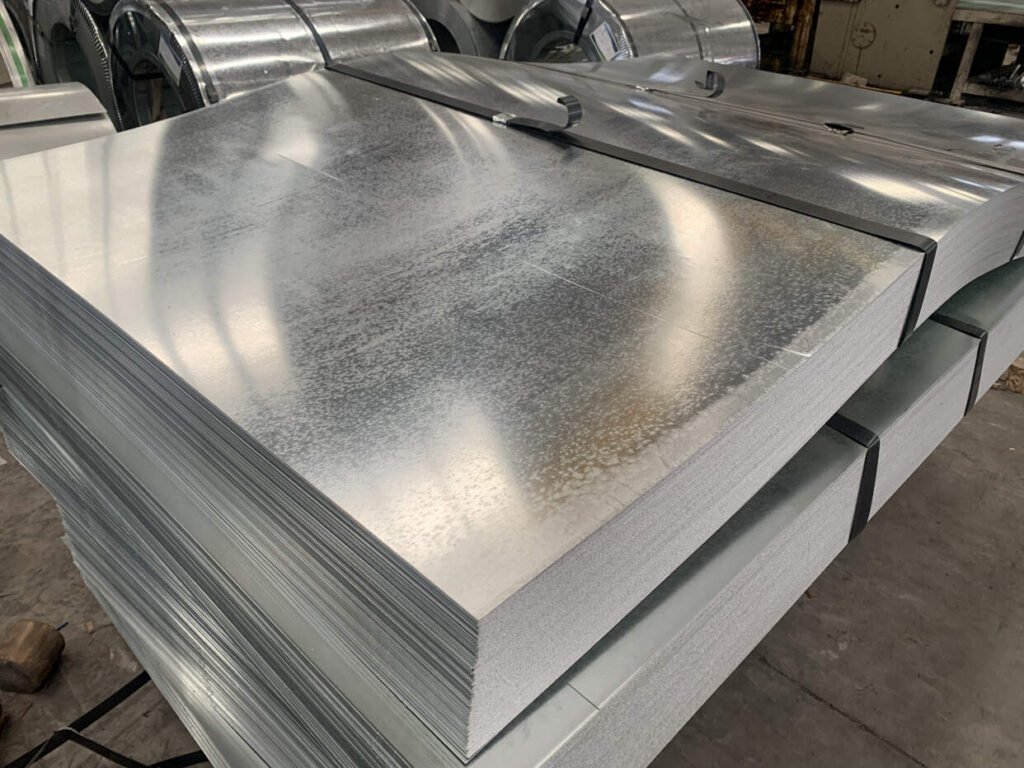
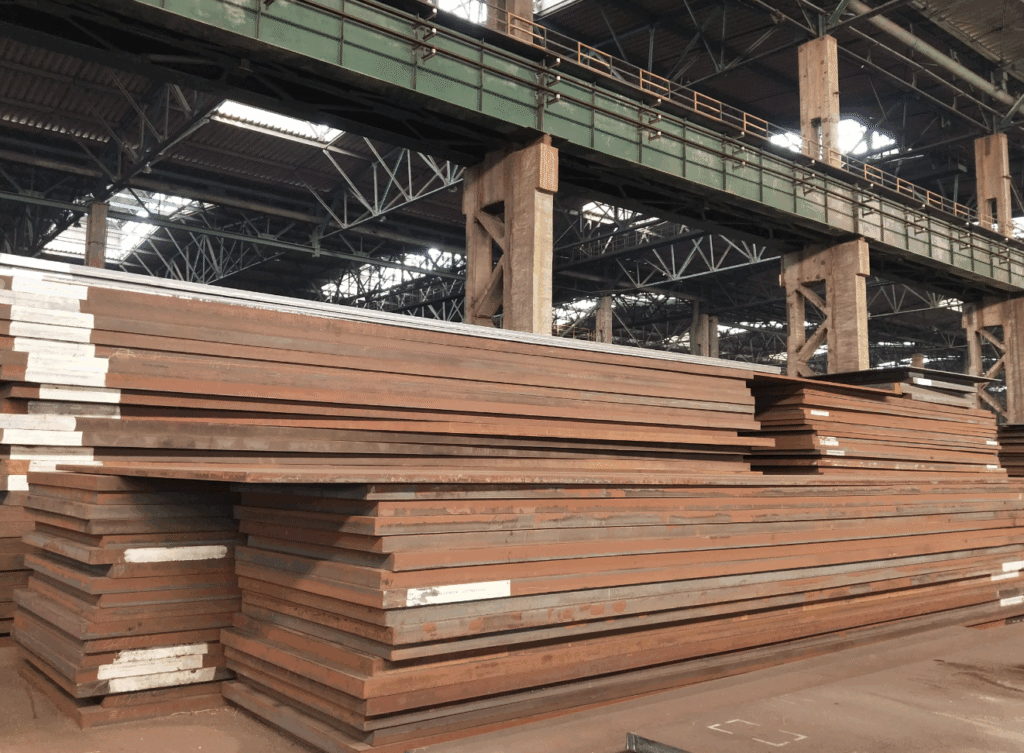
- Classified by material: Plain carbon steel base plates, stainless steel base plates and galvanized steel base plates. Plain carbon steel base plates (commonly ASTM A36, S275JR) boast high cost performance and are widely used for indoor dry environments, being the most prevalent type in industrial and civil construction. Stainless steel base plates (304, 316) excel in corrosion and oxidation resistance, fitting outdoor, humid or corrosive environments such as bridge and coastal projects. Galvanized steel base plates (hot-dip galvanized, cold galvanized) gain improved anti-corrosion performance via galvanization. Hot-dip galvanizing provides over 3 times higher corrosion resistance than cold galvanizing, making them perfect for outdoor curtain walls, photovoltaic supports and similar applications.
- Classified by application scenario: Column base plates, scaffold base plates and equipment base plates. Column base plates are the most common type, applied to steel column foundations of high-rise buildings and industrial plants. Scaffold base plates support scaffold bottoms to disperse loads and prevent ground settlement. Equipment base plates secure heavy industrial machinery to reduce vibration displacement during operation, including industrial machinery and cranes.
3. Technical Parameters of Steel Plate Base
- Dimension and thickness: Conventional dimensions range from 50×50mm to 500×500mm, with larger customized sizes available. The thickness spans 6mm to over 20mm, and can reach 100mm for extra heavy-load conditions. In accordance with Standard for Design of Steel Structures (GB 50017-2017), the thickness of base plates supporting beams or trusses on masonry or concrete shall not be less than 12mm. Thickness selection follows the principle that greater load and larger base area require thicker plates, with specific values determined by professional load calculation.
- Material standards: mainstream materials with clear applicable scenarios. ASTM A36 carbon steel features high tensile strength and universal applicability, being the most widely adopted material. S275JR complies with European engineering standards. 304 and 316 stainless steel are designed for corrosive environments. Hot-dip galvanized steel suits general outdoor corrosive environments, with zinc coating thickness complying with relevant standards to guarantee anti-corrosion effects.
- Load-bearing capacity: Mainly determined by material, thickness, size and installation method. Transmission of axial load, shear load and bending moment load shall conform to design codes. A standard carbon steel base plate (150×150×6mm) supports 5–10 tons, while a heavy-load base plate (300×300×20mm) bears over 50 tons. Exact capacity shall be calculated professionally to avoid structural failure caused by overload.

4. Pricing of Steel Plate Base
The price of steel base plates is affected by material, size, thickness, order quantity and surface treatment. Based on market data as of April 2026, the reference price ranges for procurement budgeting are as follows:
- Plain carbon steel base plates: 6mm thick (100×100mm): approximately 15–25 RMB per piece; 12mm thick (200×200mm): approximately 45–65 RMB per piece; 20mm thick (300×300mm): approximately 120–150 RMB per piece.
- Galvanized steel base plates: Hot-dip galvanized (100×100×6mm): approximately 25–35 RMB per piece; Cold galvanized (100×100×6mm): approximately 20–30 RMB per piece. Hot-dip galvanized products are slightly pricier yet superior in corrosion resistance.
- Stainless steel base plates: 304 grade (100×100×6mm): approximately 80–100 RMB per piece; 316 grade (100×100×6mm): approximately 120–150 RMB per piece. They cost more than carbon steel and galvanized products and are applied to highly corrosive environments.
- Customized steel base plates: Prices are 20%–50% higher than standard products according to customized dimensions, thickness and processing techniques. Unit price decreases with larger order quantity, and final prices shall be negotiated with suppliers.

5. Differences Between Steel Base Plates and Shims
In engineering practice, steel base plates and shims are frequently confused. Though both serve steel structure connection, they differ greatly in function and application scenarios, with core distinctions as below:
A steel base plate directly connects to the bottom of steel columns and is fixed via welding or anchor bolts. Its core function is to disperse column loads and fix steel column positions, acting as the primary connecting component between steel columns and foundations. A shim is mainly used to fill gaps between steel base plates and concrete foundations for surface leveling and auxiliary load transmission. It does not connect directly to steel columns. The number of stacked shims shall not exceed 3 layers. Excessive shims shall be replaced with thick plates or grouting treatment to prevent loosening and slippage under loading.
In short, a steel base plate is a primary connecting component, while a shim is an auxiliary leveling component. They are irreplaceable and shall be properly matched according to on-site gap size and load conditions. Improper interchange will induce potential structural safety hazards.
6. Installation Guidelines for Steel Plate Base
Installation quality directly determines structural stability. Key construction specifications summarized from practical engineering experience are listed as follows for strict implementation:
- Pre-installation preparation: Clean oil stains and dust on concrete foundation surfaces to ensure flatness and cleanness. Inspect dimensions, thickness, hole positions and surface treatment quality of steel base plates; unqualified products are prohibited for use. Prepare supporting accessories including anchor bolts, welding materials and grout (if required) to ensure specification compatibility.
- Positioning and fixation: Precisely place steel base plates at preset foundation positions and adjust horizontal tolerance within code limits. Holed base plates are fixed with anchor bolts followed by anti-loosening treatment. Solid base plates are fixed by welding in compliance with Code for Welding of Steel Structures (GB 50661) to avoid insufficient welding and missing welding defects.
- Gap treatment: Treat gaps between base plates and foundations according to gap size. For gaps ≤5mm, adopt shims for leveling with no more than 3 stacked layers. Each shim shall extend 10–20mm beyond the base plate perimeter and be spot-welded after positioning. For gaps ≥10mm, fill with non-shrinkage high-strength grout. Fully pre-wet foundation surfaces without water accumulation before grouting. The grout layer thickness shall be 30–50mm. Adopt gravity grouting or pressure grouting to eliminate voids underneath base plates. No loading or disturbance is allowed during the curing period.
- Acceptance criteria: After installation, inspect base plate horizontalness, fixation firmness, welding quality and grouting compactness. Subsequent construction procedures can only proceed upon qualified acceptance, which shall comply with Standard for Acceptance of Construction Quality of Steel Structures (GB 50205).
7. Application Scenarios of Steel Plate Base
Featuring reliable load-bearing capacity and flexible adaptability, steel base plates are extensively applied in construction, industry and infrastructure. Combined with industrial practice and Google search demand relevance, major application scenarios are outlined below:
- Construction sector: This is the dominant application field, covering high-rise buildings, industrial plants, warehouses and office buildings. In high-rise construction, steel base plates support steel columns to disperse loads and secure overall structural stability. For industrial plants, they fix heavy equipment and cranes to alleviate operational vibration. In curtain wall engineering, hot-dip galvanized steel base plates act as connectors between keels and main structures to improve corrosion resistance and service life. For instance, hot-dip galvanized embedded parts (including steel base plates) adopted in a super high-rise curtain wall project in Chongqing achieved tensile strength ≥15kN and extended service life by over 15 years.
- Industrial sector: Applied to industrial machinery, equipment foundations and production line supports, including fixation of motors, pumps and conveyors. Steel base plates disperse equipment loads to prevent displacement and vibration, reducing maintenance costs. A customized steel base plate solution for heavy equipment in an industrial plant improved equipment stability by 50% and cut maintenance costs by 30%.
- Infrastructure sector: Including bridges, tunnels, towers and photovoltaic supports. In bridge engineering, steel base plates fix bridge piers and bearings to adapt to dynamic load requirements. Legged steel base plates applied in a high-speed railway bridge project enhanced fatigue resistance by 40% and passed 1 million dynamic load cycle tests. Galvanized steel base plates are adopted for photovoltaic supports to resist outdoor corrosion and prevent settlement. For tower structures, they secure bottom foundations and maintain verticality and stability.
8. Selection Guide for Steel Plate Base
Steel base plate selection shall follow the principles of safe adaptability and economic rationality based on engineering requirements, service environment and load capacity. The core selection logic for designers and purchasers is as follows:
- Selection by load capacity: Light-load conditions (≤10 tons): 6–10mm thick plain carbon steel base plates, with dimensions matched to steel column sizes. Medium-load conditions (10 tons < load ≤ 30 tons): 12–16mm thick carbon steel or galvanized steel base plates. Heavy-load conditions (>30 tons): carbon steel or stainless steel base plates with thickness ≥18mm, with customized design available when necessary to meet load-bearing requirements.
- Selection by service environment: Indoor dry environments (general plants, office buildings): plain carbon steel base plates without extra anti-corrosion treatment. Outdoor, humid and corrosive environments (bridges, coastal projects, curtain walls): galvanized or stainless steel base plates. Hot-dip galvanized base plates are preferred for general outdoor corrosion conditions, while 304/316 stainless steel suits highly corrosive scenarios.
- Selection by installation requirement: Holed base plates for precisely positioned, detachable applications (temporary equipment, scaffolds) with hole sizes matching anchor bolt specifications. Solid base plates for permanent heavy-load projects (steel column foundations) with welded fixation for higher stability. Grouted base plates combined with non-shrinkage high-strength grout are suitable for large gaps and dynamic load conditions.
9. Frequently Asked Questions
Q: What are the core functions of a steel base plate?
A: It connects steel columns to concrete foundations, distributes concentrated loads from steel columns to prevent foundation compression damage, secures steel column positions and guarantees overall stability of steel structures. It is an indispensable connecting component in steel structure systems.
Q: How is the thickness of a steel base plate determined?
A: Thickness is primarily determined by load capacity, base area and material, following the principle that greater load and larger area require thicker plates. Meanwhile, per Standard for Design of Steel Structures (GB 50017-2017), base plates supporting beams or trusses on masonry or concrete shall be no thinner than 12mm. Exact thickness is confirmed via load calculation, with conventional thickness ranging from 6mm to over 20mm.
Q: Which steel base plate material is suitable for outdoor environments?
A: Galvanized (hot-dip galvanized) or stainless steel is preferred for outdoor use. Hot-dip galvanizing outperforms cold galvanizing in corrosion resistance and fits general outdoor environments. 304 and 316 stainless steel base plates are applicable to coastal, chemical and other highly corrosive conditions for prolonged service life.
Q: How to treat gaps between steel base plates and foundations?
A: For gaps ≤5mm, use shims for leveling with maximum 3 stacked layers, followed by spot welding after positioning. For gaps ≥10mm, fill with non-shrinkage high-strength grout for compact filling. For gaps between 5–10mm, grouting is prioritized. Shim treatment is only acceptable for light static load and urgent construction schedules with firm shim fixation guaranteed.
10. Conclusion
As a core connecting component of steel structures, the quality, design, selection and installation of steel base plates directly affect engineering safety and stability. Design engineers, procurement specialists and construction operators shall strictly comply with industrial codes and select appropriate products according to actual engineering demands.
References
- Standard for Design of Steel Structures (GB 50017-2017), approved and issued by the Ministry of Housing and Urban-Rural Development of the People’s Republic of China. It serves as the core code for steel structure design, construction and acceptance, specifying design principles, calculation methods and structural requirements for steel base plates.
- Standard for Acceptance of Construction Quality of Steel Structures (GB 50205), regulating construction quality acceptance requirements of steel structures, including installation acceptance criteria for steel base plates.
- Code for Welding of Steel Structures (GB 50661), clarifying welding quality requirements of steel base plates to eliminate structural safety hazards caused by welding defects.


 English
  Spanish
  Afrikaans