
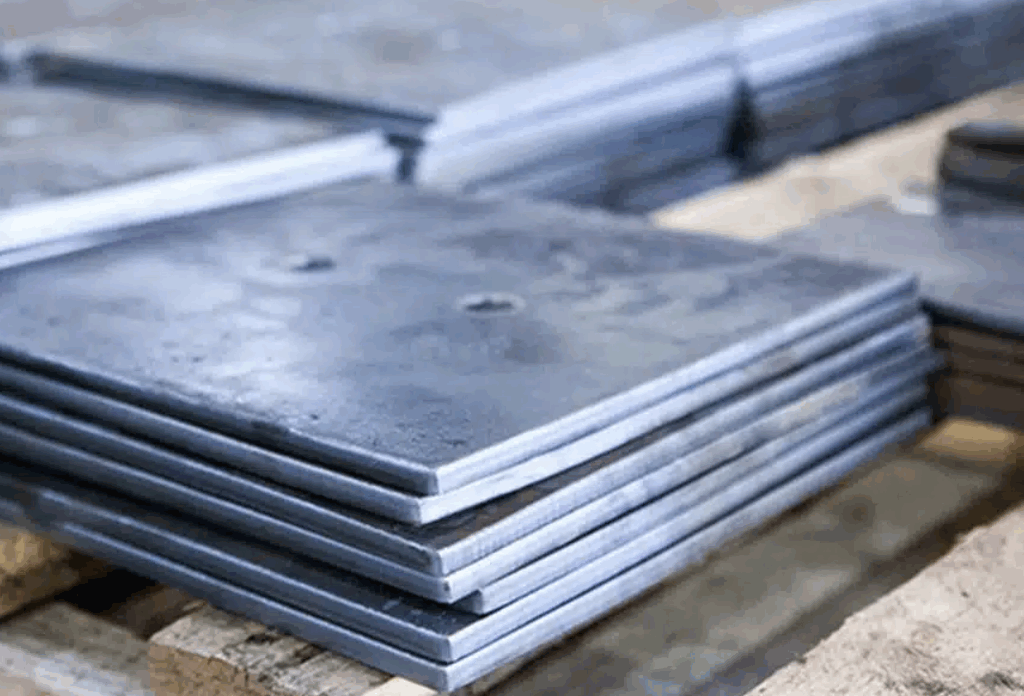
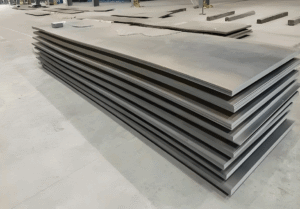
Level 3 steel plates are widely used hard ballistic rifle plates for military, law enforcement, tactical training and civilian emergency protection. They are primarily manufactured from AR500 abrasion-resistant ballistic steel and compatible with all types of tactical plate carriers. Compared with ceramic and UHMWPE composite plates, Level 3 steel armor stands out for its multi-hit resistance, long service life and low procurement cost, making it the mainstream option for bulk government orders, outdoor self-defense and shooting range barriers.
This article provides a full breakdown of Level 3 steel plates covering official certification standards, core ballistic parameters, plate styles, material comparisons and procurement pitfalls.

1. What Are Level 3 Steel Plates?
1.1 Definition of NIJ Level III Ballistic Standards
Level 3 refers to the Level III rifle protection rating specified by the U.S. Department of Justice NIJ standards. Two mainstream certification specifications are widely recognized: the legacy NIJ 0101.06 standard and the updated NIJ 0101.07 RF1 standard, both serving as core entry requirements for international cross-border procurement.
- NIJ 0101.06 Level III baseline requirement: The standalone plate can stop six rounds of 7.62×51 M80 NATO full metal jacket ammunition at a velocity of 2780 ft/s without a soft armor backer, defending against standard full-power NATO rifle threats.
- NIJ 0101.07 RF1 upgraded requirement: Beyond M80 rounds, the standard adds testing for 7.62×39mm AK steel-core rounds and 5.56 M193 rounds, delivering broader ballistic coverage and becoming the preferred certification standard for overseas law enforcement procurement.
1.2 Core Differences Between Level 3 and Level 3+ Steel Plates
Both grades adopt AR500 ballistic steel substrates, yet they differ drastically in testing criteria and ballistic performance, a frequent source of confusion among buyers:
- Standard Level 3 steel plates: Only meet baseline M80 NATO round testing. They carry no mandatory protection requirement against 5.56 M855 green-tip steel-penetrating rounds and suffer faster performance degradation after multiple impacts on the same point.
- Level 3+ reinforced steel plates: Undergo additional rigorous testing against M855 and AK47 steel-core rounds on top of Level 3 criteria. They support successive edge multi-hit impacts with superior back-face deformation control, suited for high-conflict and high-intensity duty scenarios.
1.3 Material Properties of AR500 Ballistic Steel
All compliant Level 3 steel armor plates are constructed from AR500 abrasion-resistant armor steel. “AR” denotes abrasion resistance, while 500 represents the Brinell hardness value, far exceeding that of ordinary structural steel.
- Mechanical advantages: Stable plastic deformation under impact, only forming shallow indentations upon impact without catastrophic fragmentation seen in ceramic plates.
- Service lifespan: AR500 steel plates coated with standard polyurea finish have a shelf life of up to 20 years, vastly outperforming ceramic plates with a 5–8 year service cycle.
- Surface protection: Qualified products are coated with FragLock polyurea anti-spall coating to trap fragmented bullet debris and prevent secondary fragment injuries.
2. Core Performance Specifications of Level 3 Steel Plates
2.1 List of Stoppable Ammunition
NIJ-certified standard Level 3 AR500 steel plates independently stop the following common rifle ammunition:
- 7.62×51 M80 NATO 147-grain full metal jacket rounds (mandatory baseline test projectile)
- 5.56×45 M193 standard lead-core rounds
- 7.62×39mm AK47 M43 standard steel-core rounds Only upgraded Level 3+ plates reliably stop 5.56 M855 green-tip armor-piercing rounds.
2.2 Standard Thickness, Weight & Dimensions
The 10×12 inch (250×300mm) torso-sized plate is the universal standard for cross-border procurement.
- Thickness: Baseline AR500 steel core measures 6.35mm (0.25 inch); total thickness with heavy anti-spall coating reaches 8–9mm.
- Weight: Single baseline coated 10×12 inch plate weighs 3.3–3.5kg; fully wrapped anti-spall coated versions weigh 3.6–3.8kg.
- Common plate sizes: 8×10 inch compact chest plates, 10×12 inch standard torso plates, 11×14 inch large coverage plates, plus auxiliary side protection plates sold as matching accessories.
2.3 Application Scenarios
- Professional use: Daily patrol for military and law enforcement, SWAT raids, fixed shooting range barriers, security duty equipment.
- Civilian use: Outdoor wilderness self-defense, emergency disaster shelter protection, personal tactical gear for shooting enthusiasts.
- Bulk procurement: Mass orders for overseas security firms, standardized protective kits for tactical training academies.
3. Classifications of Level 3 Steel Plates
Level 3 steel plates are categorized into four major styles based on curvature and cut shape, engineered to fit different tactical habits.
3.1 Flat Plate
No curved contour, simplest construction and lowest price point. Ideal for fixed shooting range barriers and basic emergency kits. The downside is poor torso conformity that causes chest discomfort during long-duration wear, limiting it to stationary applications.
3.2 Single-Curve Plate
Features a single segmented contour matching human chest anatomy for improved body conformity. It ranks as the top-selling universal style in cross-border trade, balancing comfort and cost-effectiveness as the primary choice for regular military and law enforcement orders.
3.3 Shooter’s Cut Plate
A diagonal shoulder cutout reserves clearance for rifle stock mounting, manufactured in left-handed and right-handed variants. It eliminates shoulder interference during prone and standing shooting, favored by tactical trainers and recreational shooters.
3.4 11×14 Full-Cut Large Coverage Plate
Wider and longer dimensions fully covering critical organs across the chest and upper abdomen. Recommended for high-risk duty and wilderness self-defense, though the extra weight reduces mobility.
4. Comprehensive Comparison: Level 3 Steel Plates vs Ceramic Plates
4.1 Advantages of Level 3 Steel Plates
- Multi-hit resistance: Withstands multiple impacts on the same point without structural fragmentation and requires minimal repairs.
- Extended service life: 20-year functional lifespan with tolerance for extreme temperatures, high humidity and rough handling.
- Cost efficiency: At just 1/3 to 1/5 the procurement cost of equivalent-area ceramic plates, perfect for bulk purchasing.
- Low maintenance: Waterproof polyurea coating allows simple wipe-down cleaning after exposure to mud or rain, with no special storage requirements.
4.2 Disadvantages of Level 3 Steel Plates
- Heavy weight: A standard 10×12 inch single plate weighs roughly 3.5kg, creating noticeable fatigue during long-distance foot patrols.
- Spall risk: Uncoated bare steel plates eject fragmented bullet shrapnel upon impact, mandating anti-spall coating for safe use.
- Higher blunt trauma deformation: Without supplementary cushion layers, steel plates produce deeper back-face indentation than lightweight ceramic-PE composite alternatives.
4.3 Pros and Cons of Ceramic Level III Plates
- Advantages: Lighter weight (1.7–2.2kg for matching dimensions) to reduce long-wear fatigue; minimal back-face deformation lowering blunt trauma injury risk.
- Disadvantages: Brittle structure prone to internal cracking from drops or heavy blows, which fully neutralizes ballistic protection. Plates shatter after a single impact with no multi-hit capability; limited 5–8 year service life; high unit pricing inflates bulk procurement expenses significantly.
4.4 Scenario-Based Selection Advice
Choose Level 3 steel plates for: Mass equipment orders, fixed shooting range installations, tight budget projects, humid wilderness environments, and long-term backup storage.
Choose ceramic composite plates for: Extended foot patrols, special operations requiring maximum mobility, lightweight priority use cases, and low-frequency deployment.
5. Level 3 Steel Plate Purchasing Guide
5.1 Core Verification Criteria Before Purchase
- Certification credentials: Request third-party ballistic lab test reports compliant with NIJ 0101.06 or NIJ 0101.07 standards, and cross-check plate model, dimensions and protection rating.
- Substrate material: Confirm plates use genuine AR500 armor steel; reject alternatives made from ordinary carbon steel or generic wear plates.
- Coating configuration: Prioritize dual-layer polyurea anti-spall coating and confirm coating thickness and fragment containment performance with suppliers.
- Plate style & dimensions: Select Shooter’s Cut, single-curve or flat profiles based on intended use, and verify inch/millimeter measurements match internal plate carrier pouch dimensions.
5.2 Tiered Budget Purchase Plans
- Entry-level cost-effective option: Baseline coated flat Level 3 plates for shooting range barriers and backup protective gear, suitable for large orders with limited budgets.
- Standard all-purpose option: Single polyurea coated single-curve Shooter’s Cut 10×12 inch plates, the mainstream selection for military, law enforcement and personal tactical equipment.
- High-end reinforced option: Dual heavy coated Level 3+ plates engineered to counter AK and M855 high-power ammunition for high-threat operational environments.
5.3 Common Procurement Pitfalls to Avoid
- Falsified thickness labeling: Some manufacturers market 5mm thin steel as standard 6.35mm plates; verify thickness with calipers upon delivery.
- Low-cost uncertified products: Plates priced at half the industry average almost always lack official ballistic testing and carry unreliable protection performance.
- Mismatched carrier sizing: Confirm internal pouch dimensions of your tactical plate carrier before ordering to prevent ill-fitting oversized plates.
- Inadequate shipping protection: Steel plate sharp edges scratch the anti-spall coating without full foam wrapping; confirm packaging standards with suppliers in advance.
Frequently Asked Questions
Q1: Can Level 3 steel plates stop 5.56 M855 green-tip rounds?
Standard baseline Level 3 plates have no mandatory M855 penetration resistance certification, creating a high risk of breakthrough at close range. Only Level 3+ reinforced plates with dedicated M855 ballistic testing reliably block these armor-piercing rounds.
Q2: What total weight comes with a set of two 10×12 inch Level 3 steel plates?
Two baseline coated plates weigh a combined 6.6–7kg; fully wrapped heavy anti-spall coated pairs total 7.2–7.6kg, bringing the full loaded weight close to 10kg when paired with a tactical plate carrier.
Q3: How long do Level 3 steel plates last, and when should they be replaced?
Genuine AR500 plates with intact polyurea coating carry a 20-year shelf life. Immediate replacement is required if the coating suffers widespread peeling, plate indentations exceed 5mm in depth, or edge cracking occurs from impact damage.
Q4: How to eliminate spall hazards with steel ballistic plates?
Select finished plates equipped with FragLock dual-layer polyurea anti-spall coating, which traps fragmented bullet debris to eliminate secondary shrapnel injuries. Bare uncoated steel plates are not recommended for purchase.
Q5: Is it acceptable to buy Level 3 steel plates without NIJ certification?
Not recommended. Uncertified plates labeled merely “Level 3” lack official lab test documentation and often fail to meet advertised thickness and hardness standards, posing critical penetration safety risks. Customs clearance and government military procurement globally do not recognize uncertified armor plates.
Q6: Should I pick flat plates or single-curve plates?
Flat plates work for stationary storage and fixed shooting range barriers. Single-curve plates are preferred for daily wear, patrol duty and tactical shooting training, delivering superior torso conformity and significantly reducing long-wear fatigue.
Conclusion
With consistent ballistic stopping power, long service lifespan and outstanding cost-performance balance, Level 3 steel plates represent a highly versatile rifle-grade protective solution. Standard NIJ Level 3 AR500 steel plates defend against common rifle threats including 7.62 M80 NATO rounds and AK47 ammunition, while upgraded Level 3+ variants withstand high-risk M855 armor-piercing projectiles.
For static deployment, bulk orders and budget-restricted projects, flat steel Level 3 plates are the optimal choice. Daily patrol and shooting training users should select single-curve Shooter’s Cut models. Those prioritizing lightweight mobility for prolonged field operations may compare against ceramic composite plate alternatives. Always validate NIJ official lab certification reports, confirm genuine AR500 substrates and complete anti-spall coating specifications during procurement to avoid substandard armor with falsified parameters and guarantee full alignment with your protective operational requirements.
Reference Documents
- Official NIJ ballistic protection standard publications NIJ 0101.06 and NIJ 0101.07 RF1 (Official PDF released by the U.S. Department of Justice OJP)
- AR500 Armor Original Equipment Level III Steel Plate Specification Manual (Ballistic test data, standard thickness and weight metrics)
- Spartan Armor Systems Steel Ballistic Plate Material & Multi-Hit Performance Test Report




 English
  Spanish
  Afrikaans