
Custom-sized cut steel plates can drastically boost production efficiency and cut secondary processing costs for machinery manufacturing, building structures, equipment enclosures and industrial components. This article systematically covers the full knowledge framework of custom cut steel plates, including material grades, cutting technologies, pricing factors, procurement procedures and application scenarios.
1. What Is Custom Cut Steel Plate?
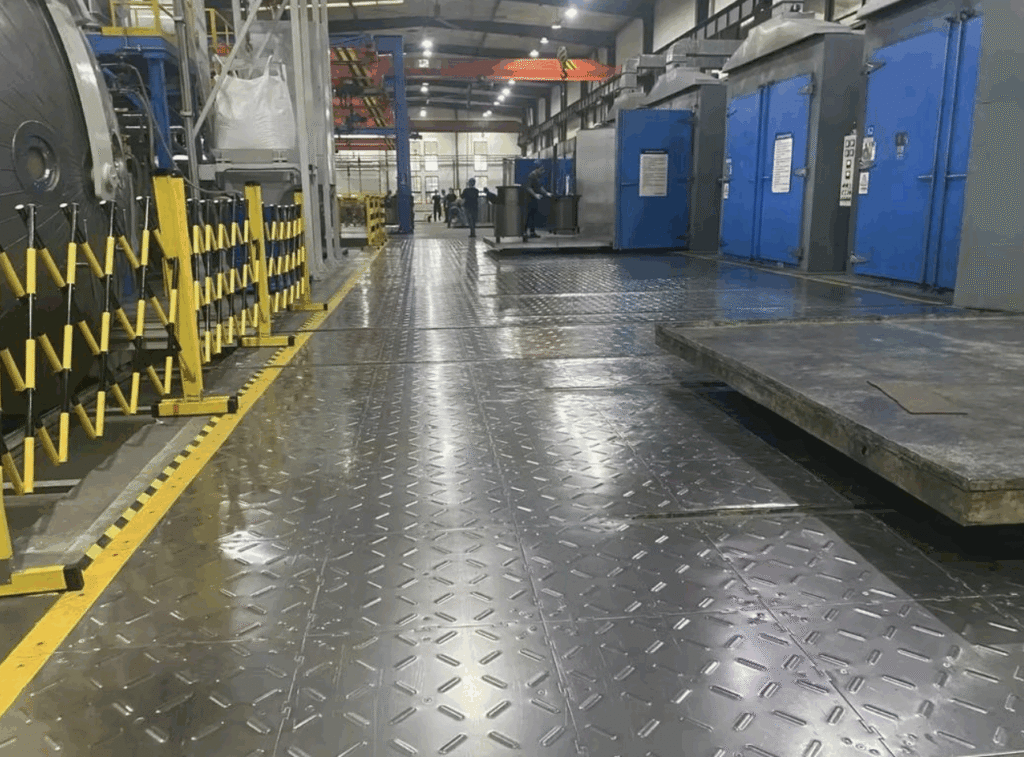
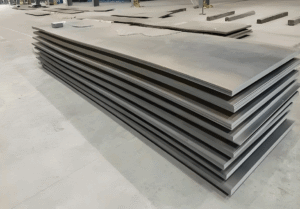
Custom cut steel plates refer to steel blanks precisely machined to finished dimensions per customers’ drawings, dimensional specifications or CAD files prior to delivery.
Core differences from standard-size steel plates:
✔ Fabricated against custom drawings instead of stock standard dimensions
✔ Capable of intricate geometric cutting including holes, slots and special-shaped profiles
✔ Multiple precision grades available via laser, plasma or waterjet cutting
✔ Minimizes on-site machining and material waste
👉 Essentially, custom cut steel plate is an integrated product combining base steel material and value-added cutting services.
2. Common Steel Plate Material Grades
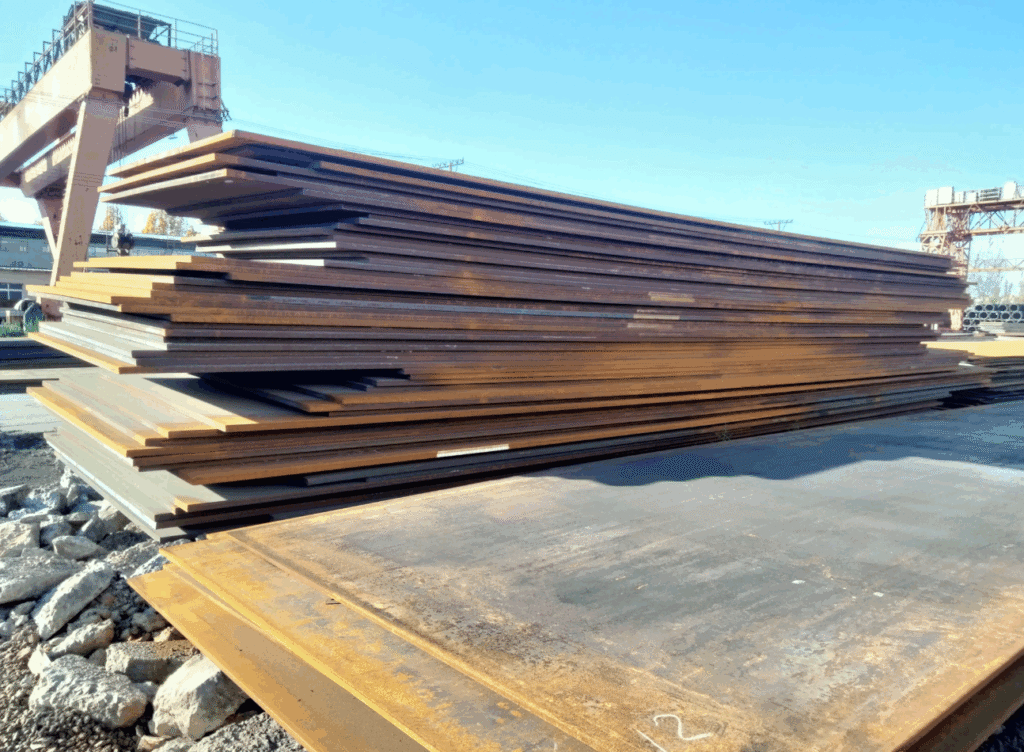
Different application scenarios require corresponding steel grades; proper material selection is critical to balancing performance and overall costs.
2.1 Carbon Steel Plate
Common grades: A36, S235, S355
Features: High tensile strength, cost-effective, easy to machine
Applications: Structural supports, mechanical base frames, load-bearing components
2.2 Stainless Steel Plate
Common grades: 304, 316
Features: Excellent corrosion resistance, high temperature tolerance, long service life
Applications: Food processing machinery, chemical processing equipment, outdoor structural frames
2.3 Alloy Steel Plate
Features: Ultra-high strength, superior wear resistance
Applications: Heavy-duty machinery, mining equipment, large engineering structures
3. Comparison of Steel Plate Cutting Technologies
Cutting methods directly determine machining precision, total cost and lead time.
3.1 Laser Cutting
Tolerance: ±0.1 mm
Features: Smooth cut edges, ideal for complex graphic profiles
Applicable thickness: Thin to medium-thick steel plates
✔ Advantages: Ultra-high precision, fast processing speed
✖ Disadvantages: Higher processing cost for extra-thick plates
3.2 Plasma Cutting
Features: Fast cutting speed, low processing expense
Applicable thickness: Medium and heavy steel plates
✔ Advantages: Outstanding cost-performance ratio
✖ Disadvantages: Relatively rough cutting edges
3.3 Waterjet Cutting
Features: Cold cutting process with no heat-affected zones
Applicable scenarios: Special materials and high-precision fabrication requirements
✔ Advantages: Zero thermal deformation on workpieces
✖ Disadvantages: Higher overall cost, slower cutting efficiency
4. Machinable Thickness & Dimension Ranges
Machining capacities vary across manufacturers; the industry standard ranges are listed below:
- Thin plates: 0.5 mm – 6 mm
- Medium-thick plates: 6 mm – 50 mm
- Heavy plates: 50 mm – 200 mm and above
Maximum processing dimensions commonly reach 2000 mm × 6000 mm or larger, subject to factory equipment specifications.

5. Key Factors Determining Custom Cut Steel Plate Pricing
Custom steel plate pricing is not a fixed unit rate, which is determined by the following variables:
- Raw material cost Cost ranking: Stainless steel > Alloy steel > Carbon steel
- Plate thickness and total weight Thicker plates incur higher material charges
- Cutting complexity Cost ranking: Simple straight cuts < Multi-hole layouts < Intricate irregular profiles
- Selected cutting process Processing cost hierarchy: Laser cutting > Waterjet cutting > Plasma cutting (varies by cost structure)
- Order quantity and batch volume Larger bulk orders qualify for lower unit prices
- Additional surface finishing requirements Deburring, polishing, sandblasting and other treatments generate extra service fees
6. Standard Procurement Workflow for Custom Steel Plates
The standard industrial procurement procedure is outlined step-by-step:
Step 1: Submit design drawings or dimensional specifications
Accepted formats: CAD, DXF, PDF or hand-drawn dimension sketches
Step 2: Confirm material grade and plate thickness
Options: Carbon steel, stainless steel or alloy steel
Step 3: Select preferred cutting technology
Options: Laser cutting, plasma cutting or waterjet cutting
Step 4: Engineering quotation issuance
Quotation calculated based on total material weight, cutting path length or machining working hours
Step 5: Production and fabrication
CNC programming → Automated cutting → Deburring treatment → Quality inspection
Step 6: Packaging and shipment
Anti-rust coating treatment plus export-standard packaging

7. Frequently Asked Questions (FAQ)
Q1: Is single-piece custom cutting available?
A: Yes, single-unit and small-batch orders are fully acceptable.
Q2: Which design file formats are supported?
A: CAD, DXF, STEP and PDF files are all compatible.
Q3: What is the maximum thickness achievable via cutting?
A: The limit differs by cutting technology; most facilities can process plates thicker than 200 mm based on their equipment capacity.
Q4: Do you support export shipments?
A: Full export service is available, including global logistics and export-compliant packaging.
Q5: Can rush production lead times be arranged?
A: Expedited manufacturing services are offered, subject to prior confirmation of equipment and process capacity.
Conclusion
Custom cut steel plate serves as an all-in-one engineering solution integrating material selection, precision machining and technical support services.
For buyers, pricing is never the sole core consideration. Critical evaluation metrics include:
- Whether the selected material matches service environmental conditions
- If machining precision meets engineering tolerance requirements
- Reliability and consistency of delivery lead times
- Stable mass production and bulk order fulfillment capacity
Partnering with a supplier with mature full-process machining capabilities delivers greater long-term value than merely pursuing the lowest purchase cost.
Reference Standards
The following industry standards support in-depth research on steel fabrication and material specifications:
- ASTM International – Steel Plate Material Standards
- ISO 9013 – Classification of Thermal Cutting Processes
- AWS (American Welding Society) – Steel Fabrication Technical Guidelines




 English
  Spanish
  Afrikaans