
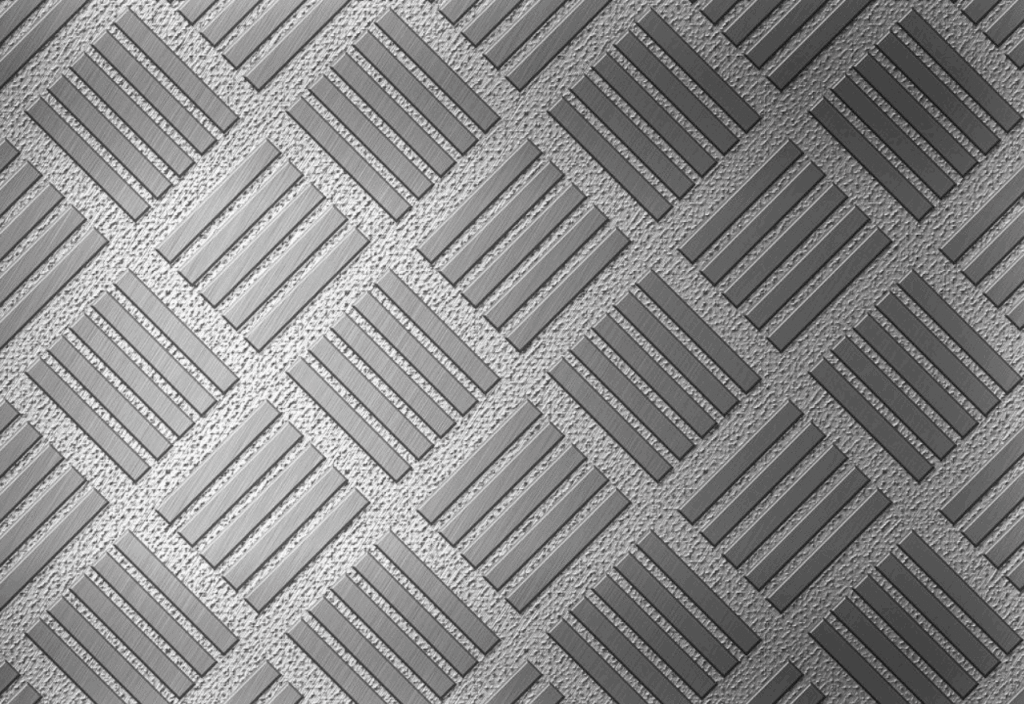
1/4 inch diamond plate steel, also known as tread plate, features a base thickness of 0.25 inches (6.35 mm) with raised diamond patterns on one side. It is a hot‑rolled carbon steel anti‑slip plate that follows the ASTM A786 standard¹ widely adopted in North America. The raised diamond texture delivers reliable slip resistance, while the steel substrate offers excellent impact resistance and heavy load capacity. It is commonly used for trailer decks, industrial ramps, equipment platforms and other heavy‑duty anti‑slip applications.
We have supplied tread and diamond plate steel to trailer manufacturers, industrial equipment firms and steel structure projects for years. Our team has rich experience in plate cutting and secondary fabrication, and is familiar with ASTM‑compliant procurement requirements for North American projects. This article covers the technical specs, weight, common applications, thickness comparisons, fabrication and maintenance tips, and procurement considerations of 1/4 inch diamond plate steel to support your project selection and purchasing evaluation.
What Is 1/4 Inch Diamond Plate Steel?
Diamond plate steel is also referred to as tread plate or checkered plate. The 1/4 inch measurement describes the base substrate thickness and does not include the height of the raised diamond pattern — this is the most common point of confusion during procurement. The reverse side of the sheet remains flat, with the anti‑slip diamond pattern rolled onto only one face.
Two primary material grades are widely available:
- ASTM A786: North America’s dedicated standard for hot‑rolled carbon steel tread plate¹, the preferred option for industrial projects.
- A36 carbon steel: A general structural carbon steel that can be rolled into diamond plate, suited for budget‑conscious non‑critical applications².
It is manufactured via hot rolling. Two common surface finishes are available: black hot‑rolled finish and hot‑dip galvanized diamond plate. Black hot‑rolled plate comes at a lower cost but will corrode over time. Hot‑dip galvanized plate adds corrosion protection and works better for outdoor humid environments.
Technical Specifications of 1/4 Inch Diamond Plate Steel
| Item | Specifications |
|---|---|
| Base Thickness | 0.25 in (6.35 mm) |
| Standard Sheet Size | 4 ft × 8 ft (48 in × 96 in) |
| Weight per Square Foot | 10.2 lbs/sq ft |
| Material Standard | ASTM A786 / A36 Hot‑Rolled Carbon Steel |
| Pattern | Single‑sided raised diamond lugs |
| Surface Finish | Hot‑rolled black, hot‑dip galvanized |
| Custom Service | Cut‑to‑size, slitting |
Note: Plate thickness tolerances comply with ASTM A786 requirements. Minimum yield strength is 30 ksi, and tensile strength ranges from 58–80 ksi. Weight per square foot is calculated using AISC steel weight formulas³. The raised diamond pattern may create up to ±5% variation in actual weight. Confirm the real plate weight with your supplier before quoting.
Typical Applications for 1/4 Inch Diamond Plate Steel
This heavy‑duty anti‑slip steel plate is designed for industrial environments requiring high load capacity, impact resistance and slip protection:
- Trailer decks: The most popular use case, for heavy‑duty cargo and equipment trailers. It withstands abrasion from cargo and heavy dynamic impact.
- Truck running boards, access steps and truck bed liners.
- Industrial loading ramps and heavy‑duty access platforms for plant sites.
- Stair treads, equipment walkways and anti‑slip workshop flooring.
- Equipment base plates, machine guards and base protection for construction machinery.
- Anti‑slip walkways at construction sites.
Selection note: 1/4 inch plate is not recommended for light‑duty decorative projects. For these applications, choose 1/8 inch diamond plate or aluminum diamond plate for lighter weight and lower material cost.
1/4 Inch Diamond Plate vs Other Thickness Options
Different base thicknesses deliver major differences in load capacity, self‑weight and material cost, forming the core of project selection:
- 1/8 inch diamond plate: Light‑gauge sheet for decorative use and light stair treads. Low load rating and not suitable for sustained heavy loads.
- 3/16 inch diamond plate: Medium‑duty grade for partial trailer treads and light ramps under moderate loading.
- 1/4 inch diamond plate: Heavy‑duty grade with strong impact resistance. Ideal for full trailer decks, heavy loading ramps and continuously loaded platforms, with higher self‑weight and material cost.
1/4 Inch Steel Diamond Plate vs 1/4 Inch Aluminum Diamond Plate
Many buyers compare carbon steel diamond plate against aluminum diamond plate. Key differences are listed below:
- Weight: Steel plate is substantially heavier; aluminum plate provides clear lightweight advantages.
- Rust resistance: Carbon steel oxidizes and rusts and requires paint or galvanized protection. Aluminum is naturally corrosion‑resistant and fits humid outdoor conditions.
- Strength and impact performance: Carbon steel has superior load and impact resistance and resists denting under heavy impact. Aluminum has good ductility but dents more easily under heavy point loads.
- Pricing: Carbon steel diamond plate has a lower purchase price at equal thickness; aluminum plate carries a higher unit cost.
- Best use cases: Carbon steel for heavy industrial loading; aluminum for lightweight outdoor structures, decorative work and low‑load walkways.

Fabrication & Maintenance Guide
Fabrication Methods
- Welding: 1/4 inch carbon diamond plate can be welded with standard procedures. Clean scale and oxidation from the patterned surface before welding, and select electrodes suitable for mild carbon steel. Apply corrosion protection to welds after welding, as weld zones corrode first without treatment.
- Cutting: Plasma cutting, oxyfuel cutting and band saw cutting are all viable options. Plasma cutting delivers high efficiency for custom on‑site shapes, while band sawing produces cleaner cut edges.
- Bending: The thicker gauge requires heavy‑duty press brake equipment. The orientation of the diamond pattern during large‑angle bending affects forming results. Confirm fabrication processes with your fabricator in advance.
Rust Prevention & Installation
Hot‑rolled carbon diamond plate has no inherent anti‑rust coating. For outdoor exposure, protective treatment is mandatory. Common choices include primer plus topcoat paint, or purchasing pre‑hot‑dip galvanized sheets.
When installing the plate as platform or trailer decking, design proper support beam spacing to prevent deflection under sustained load. Use fasteners with matching corrosion ratings.
Factors Affecting 1/4 Inch Diamond Plate Steel Pricing
Many buyers ask for pricing on 1/4 inch diamond plate steel. Unit prices are not fixed and mainly depend on these variables:
- Material specification: ASTM A786 dedicated tread plate costs more than standard A36 diamond plate.
- Surface finish: Hot‑dip galvanized plate carries a higher cost than black hot‑rolled plate.
- Fabrication requirements: Custom shaped cutting and slitting incur extra processing fees; standard 4×8 full sheets offer lower per‑unit pricing.
- Order volume: Larger bulk orders qualify for better pricing, while small retail orders have higher rates.
- Steel market conditions: Hot‑rolled carbon steel prices fluctuate with global steel market trends.
Diamond Plate Steel Buying Guide
Review these key points before placing your order to avoid procurement disputes:
- Confirm the base substrate thickness, and distinguish base thickness from raised pattern height. Some suppliers quote total thickness including lugs, resulting in thinner actual base steel.
- Verify material grade: Prioritize ASTM A786; select A36 for budget‑limited projects.
- Confirm surface finish: Hot‑rolled black or hot‑dip galvanized.
- Sheet dimensions: Choose standard 4×8 full sheets or request cut‑to‑size dimensions. Cutting services normally incur extra processing charges.
- Provide total area when requesting quotes. Use weight per square foot to calculate total weight for supplier quotation.
- Check lead time and minimum order quantity. Custom cut sheets usually have longer lead times than standard full sheets.
Frequently Asked Questions
Q1: How much does 1/4 inch diamond plate steel weigh per square foot?
A: The theoretical weight is approximately 10.2 lbs per square foot, calculated using AISC steel weight formulas³. Actual weight can vary ±5% depending on rolling pattern tolerances.
Q2: Is 1/4 inch diamond plate suitable for trailer decking?
A: Yes, it works well for full decks on heavy‑duty trailers with excellent abrasion and impact resistance. For light trailers, 3/16 inch plate can reduce material costs.
Q3: What material is 1/4 inch diamond plate steel? What is the difference between A786 and A36?
A: It is primarily hot‑rolled carbon steel. ASTM A786 is a standard written specifically for tread plate¹, with mechanical properties optimized for anti‑slip walkways and trailer decks. A36 is a general structural carbon steel², meeting general structural requirements but not a dedicated tread plate specification.
Q4: Will 1/4 inch steel diamond plate rust?
A: Hot‑rolled carbon steel plate will rust. Corrosion progresses slowly in dry indoor spaces. For humid outdoor applications, galvanizing or painted coating is required.
Q5: Can 1/4 inch diamond plate steel be custom cut?
A: Most metal service centers offer custom cutting per drawings. Profiled cutting and slitting usually attract additional cutting fees.
Q6: Is there a difference between tread plate and diamond plate?
A: Both terms refer to the same product. Tread plate is the technical industry term, while diamond plate is the common name referencing its diamond‑shaped raised lugs.
Q7: Should I use 1/4 inch or 3/16 inch diamond plate for a ramp?
A: Select 1/4 inch plate for heavy loading ramps with frequent vehicle traffic. For small light‑duty ramps, 3/16 inch plate meets requirements and reduces material expense.
Conclusion
1/4 inch diamond plate steel is a heavy‑duty hot‑rolled carbon tread plate. Thanks to its high load capacity, impact resistance and slip resistance, it is a preferred plate material for trailer decks, industrial loading ramps and heavy‑duty platforms.
During material selection, evaluate project load requirements, operating environment and budget while comparing different plate thicknesses and steel/aluminum options. When purchasing, carefully verify base thickness, material standard and surface finish to prevent losses caused by misinterpreted specifications.
If your project requires ASTM A786 1/4 inch diamond plate steel, contact us to receive data sheets, Material Test Reports (MTR), and project quotes for custom cut plates.



 English
  Spanish
  Afrikaans