
Steel road plates are essential temporary pavement materials widely used in municipal emergency repairs, infrastructure construction, earthwork projects, and heavy equipment entry operations. Currently, steel road plates on the market feature diverse categories, inconsistent specifications and parameters, and uneven quality between new and used plates. Most buyers are prone to making mistakes in product selection, price comparison, and scenario matching. Combining universal industrial engineering standards, this article comprehensively sorts out the material specifications, load-bearing performance, application scenarios, differences between new and used steel road plates, and key procurement guidelines for targeted purchasing reference.
1. Definition and Core Advantages of Steel Road Plates
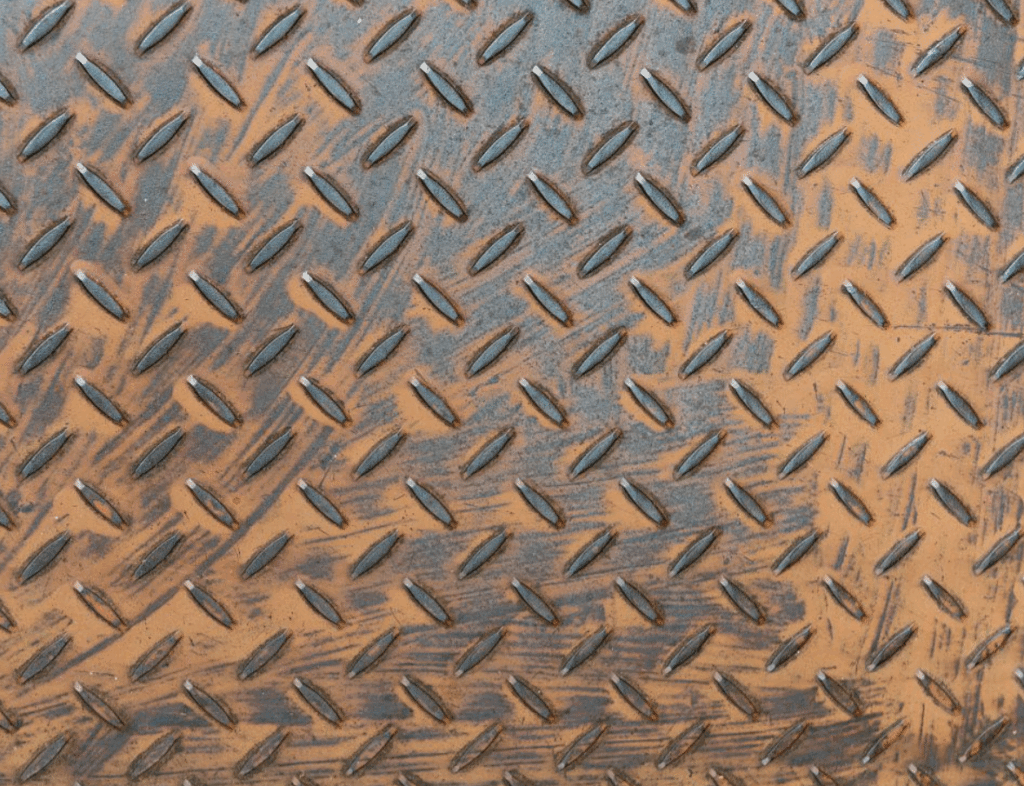
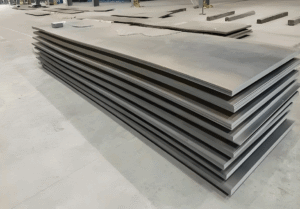
Also known as subgrade steel plates or temporary road steel plates, steel road plates are heavy-duty engineering plates processed from hot-rolled carbon steel materials. Specially designed for temporary site access, foundation pit protection, and ground reinforcement, they are widely applied in various short-term and temporary construction scenarios. Different from permanent pavement materials, they deliver outstanding practicality and cost-effectiveness for engineering projects.
Compared with concrete hardened pavement and composite road plates, standard industrial steel road plates offer five core advantages that make them the preferred choice for construction projects:
- Super Load Capacity for Heavy-Duty Conditions: High-strength steel plates can withstand the rolling impact of heavy excavators, crawler cranes, concrete pump trucks, and heavy-duty transport vehicles. Designed with a 1.2-1.5 times dynamic load safety factor, they perfectly adapt to dynamic engineering load conditions without deformation or fracture, meeting the requirements of various heavy-load construction scenarios.
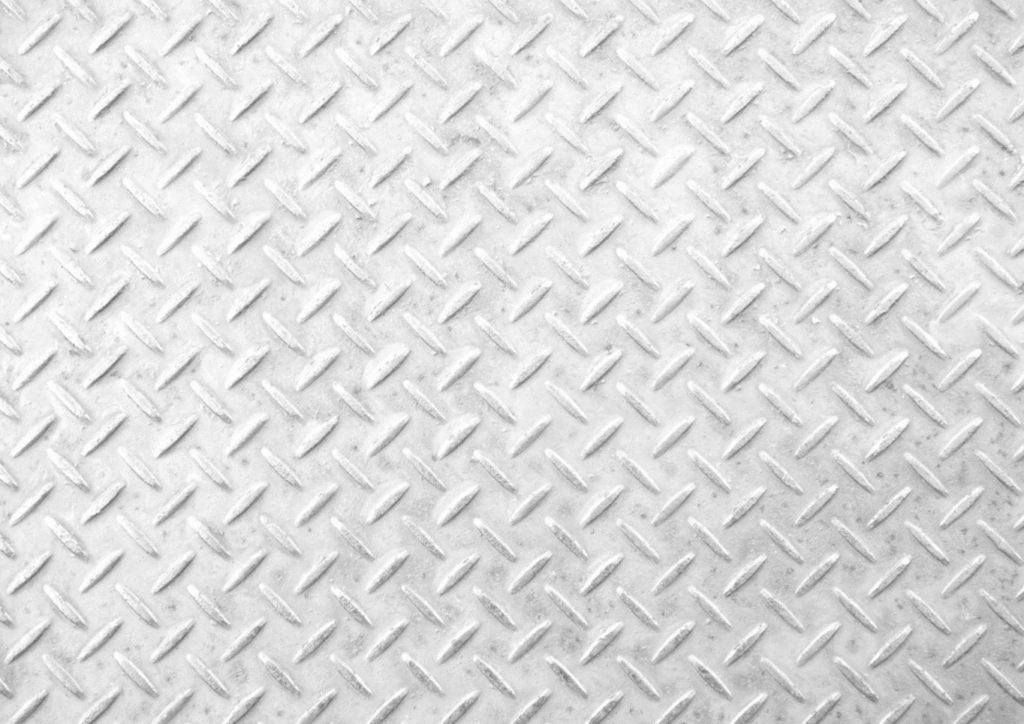
- Anti-Slip Performance for High Construction Safety: The plate surface can be treated with anti-slip patterns or anti-slip aggregates to effectively prevent vehicle skidding and pedestrian slipping. Suitable for complex site conditions including rainy days, muddy ground, and gravel surfaces, they fully comply with engineering construction safety specifications.
- Reusable with Excellent Cost Performance: Premium carbon steel features high wear resistance, corrosion resistance, and deformation resistance. A single installation can be reused dozens of times, greatly reducing engineering material consumption and lowering overall project costs for long-term construction.
- High Construction Efficiency Without Schedule Delays: No complicated pouring or curing procedures are required. Steel plates can be quickly paved and spliced on arrival and easily disassembled and transferred after construction, significantly shortening site preparation cycles.
- Wide Adaptability for Diverse Scenarios: They are flexibly applicable to complex grounds such as soft soil, muddy, potholed, and loose gravel sites. Meanwhile, they can serve as protective covers for foundation pits and trenches, ensuring both traffic accessibility and site safety.
The mainstream steel grades for commercial steel road plates are Q235B, S235JR, and A36 carbon steel. Q235B is the universal grade for domestic infrastructure projects, while S235JR and A36 are the dominant grades for export markets. All grades deliver stable yield strength and excellent mechanical properties, fully complying with domestic and international engineering construction standards.
2. Standard Specifications and Technical Parameters of Steel Road Plates
2.1 Mainstream Standard Sizes
Standard large-size steel plates are widely available in stock, ideal for large-area pavement and equipment passage. The core conventional dimensions include 1200×1200mm, 2400×1200mm, and 3000×1500mm, as well as the overseas common 10×10 feet specification, catering to both domestic construction and international procurement demands. All standard-sized plates are prefabricated with standard lifting holes for fast and convenient loading and unloading with hoisting equipment.
2.2 Conventional Thickness and Applicable Working Conditions
Plate thickness is the primary determinant of load-bearing capacity. Greater thickness brings higher overall rigidity and deformation resistance, supporting heavier equipment tonnage. The mainstream thickness specifications and their matched scenarios are clearly classified as follows:
- 8-12mm Thickness: Suitable for light-duty construction scenarios, capable of bearing light dump trucks and mini excavators. Ideal for small short-term construction sites, temporary pedestrian passages, and light equipment transfer areas.
- 16-18mm Thickness: The mainstream specification for general engineering with optimal balance of load capacity and cost performance. It adapts to medium-sized construction machinery and conventional heavy-duty transport vehicles, widely used in municipal emergency repairs, general infrastructure projects, and pipeline construction sites.
- 20mm+ Thickness: A heavy-duty specification manufactured with high-strength carbon steel. It supports hundred-ton crawler cranes, large pump trucks, and other heavy equipment, applicable to high-load scenarios such as large-scale infrastructure, mine construction, and heavy machinery access passages.
3. New vs Used Steel Road Plates: Comprehensive Comparison
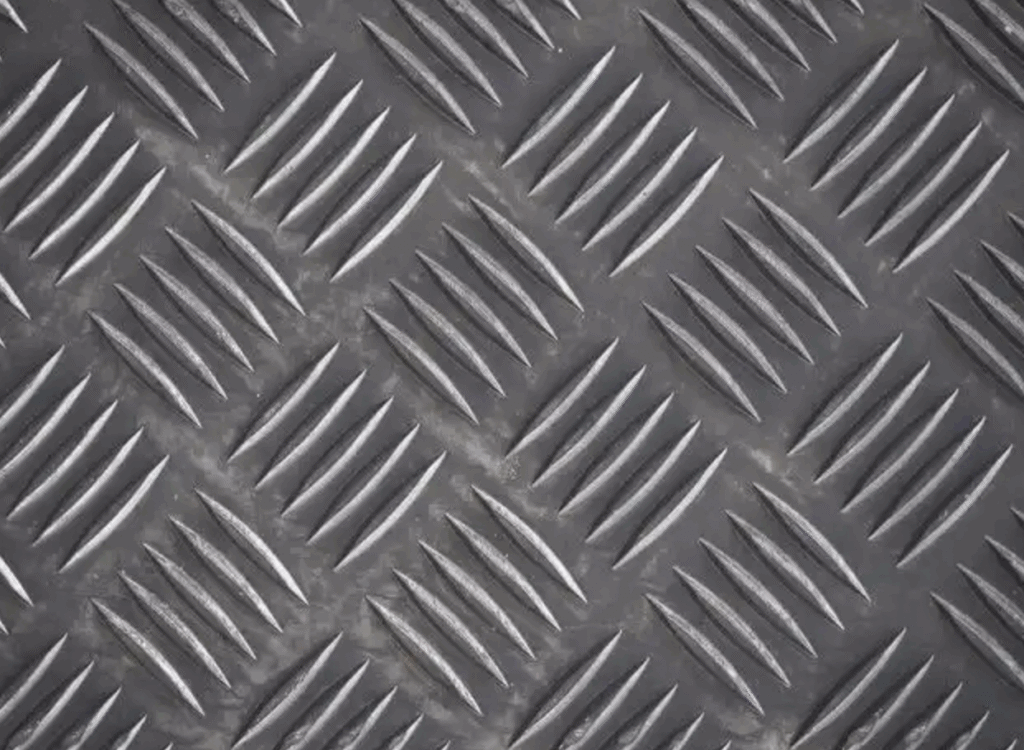
New and recycled steel road plates are the two primary procurement options. They differ significantly in price, performance, warranty, and applicable scenarios. Buyers shall select properly based on construction duration, budget, and load requirements to avoid cost waste and potential construction risks caused by blind procurement.
3.1 New Steel Road Plates
New steel road plates are processed with brand-new hot-rolled carbon steel raw materials, featuring pure material composition, stable mechanical properties, no deformation, corrosion, or wear. All technical parameters meet national, American, and European engineering standards.
Core Advantages: 100% qualified load-bearing performance, flat and anti-slip surface, zero potential safety hazards, reusable for long-term cyclic construction, complete warranty system, and available factory quality inspection reports for verification.
Applicable Scenarios: Long-term large-scale infrastructure projects, high-standard municipal engineering, cross-border export procurement, and regular construction sites requiring repeated reuse.
Price Features: Relatively high unit price, but longer service life and zero maintenance costs deliver higher cost performance for long-term projects.
3.2 Used Steel Road Plates
Used steel road plates are recycled from completed engineering projects. After strict screening, grinding, rust removal, and leveling repair, deformed and severely corroded substandard plates are eliminated, retaining only high-quality plates with qualified performance for reuse.
Core Advantages: Low price and high cost performance, available in stock for immediate delivery with no long production cycle, effectively reducing procurement costs for short-term projects.
Applicable Scenarios: Short-term temporary construction, small emergency repair projects, one-time site pavement, and budget-limited short-term projects.
Procurement Notes: Verify the flatness, corrosion degree, and load-bearing performance of used plates during selection to avoid inferior plates with deformation or uneven wall thickness that may compromise construction safety.
4. Key Factors Affecting Steel Road Plate Prices
- Material Grade: High-strength Q355B steel is priced higher than conventional Q235B. Imported A36 and S235JR export-grade materials have slightly higher costs than domestic grades, with higher strength corresponding to higher material costs.
- Plate Thickness: Greater thickness consumes more raw materials and requires higher load-bearing processing standards, leading to higher unit prices. 20mm heavy-duty plates are much more expensive than 8mm light-duty plates.
- Product Condition: New steel plates are more expensive than refurbished used plates, while high-quality 90% new used plates offer balanced price and optimal cost performance.
- Procurement Quantity: Bulk and large-quantity purchases enjoy tiered wholesale discounts; larger order volumes lower unit and per-piece procurement costs.
- Custom Processing: Custom services including anti-slip treatment, reinforcement welding, non-standard cutting, and special drilling will generate additional processing fees.
- Logistics and Delivery: Cross-regional and cross-border long-distance delivery leads to varied costs for full-truck and less-than-truckload shipments, affecting the overall procurement budget.
5. Core Performance and Safety Standards of Steel Road Plates
As critical load-bearing engineering materials, the safety performance of steel road plates directly determines the safety of construction personnel and mechanical equipment. Compliance and stable performance are the core procurement criteria. High-quality industrial steel road plates meet strict industrial safety standards to adapt to various heavy-load and complex construction conditions.
- Anti-Slip Safety Performance: Plates adopt anti-slip pattern or aggregate treatment with qualified friction coefficients, effectively preventing skidding caused by ponding and gravel on rainy days, ensuring safe passage for vehicles and pedestrians under all-weather construction conditions.
- Load-Bearing Safety Standard: Designed in line with engineering dynamic load standards with a 1.2-1.5 times safety margin to offset impact force from vehicle driving and equipment rolling, preventing plate deformation and fracture caused by instantaneous overload. Standard 18mm plates stably bear 30-50 ton axle-load equipment, while 20mm+ high-strength plates adapt to hundred-ton heavy-duty machinery.
- Safe Installation and Dismantling: Pre-reserved standard lifting holes match professional hoisting equipment, enabling stable and efficient loading and unloading, eliminating safety risks from manual handling and installation, and greatly improving construction efficiency.
- Durability and Wear Resistance: Reinforced by hot rolling treatment, steel plates feature excellent wear resistance, extrusion resistance, and corrosion resistance, adapting to harsh outdoor working environments including open-air exposure, muddy humidity, and gravel abrasion with long cyclic service life.
6. Main Application Scenarios of Steel Road Plates
Steel road plates are applicable to almost all temporary construction scenarios. With flexible pavement, high adaptability, and reliable durability, they have become indispensable materials for infrastructure projects. The core application scenarios are summarized as follows:
- Temporary Site Access Roads: Quickly form flat hardened pavement on soft, muddy, and potholed construction sites to support daily passage of construction vehicles and personnel, avoiding vehicle trapping and blocked access.
- Foundation Pit and Trench Safety Covering: Serve as temporary covers for foundation pits and pipeline trenches to block construction gaps, prevent falls of personnel and equipment, and balance safety protection and temporary passage functions.
- Municipal Road Emergency Repair: Applied in road damage repair, pipeline emergency maintenance, and pavement renovation to quickly build temporary traffic passages, ensure traffic diversion during construction, and minimize construction impact on public traffic.
- Soft and Muddy Ground Reinforcement: Specially used for earthwork sites, post-rain muddy grounds, and loose mine sites. Steel plate pavement solidifies soft ground, improves site bearing capacity, and supports normal operation of large machinery.
- Heavy Equipment Access Passages: Build dedicated access and operation paths for crawler cranes, excavators, pump trucks, and other heavy machinery, solving the problem of insufficient bearing capacity of soft ground for heavy equipment.
Frequently Asked Questions (FAQ)
1. What specification of steel road plates are suitable for heavy equipment construction?
8-12mm plates fit light and small equipment passage; 16-18mm mainstream plates are ideal for medium-sized machinery and conventional heavy vehicles; 20mm+ high-strength thickened plates are recommended for hundred-ton crawler cranes and large pump trucks. Comprehensive selection based on site passage frequency and dynamic load coefficient is required to ensure construction safety.
2. Are used steel road plates worth purchasing?
Used steel road plates deliver extremely high cost performance and are perfectly suitable for short-term temporary construction, small emergency repairs, and one-time pavement projects, greatly reducing project procurement costs. It is essential to select high-quality plates that have been screened, derusted, and leveled, and avoid inferior deformed or severely corroded products. Brand-new plates are more cost-effective for large-scale projects requiring long-term repeated reuse.
3. How much weight can a 1-inch (25mm) steel road plate bear?
With a 1.2-1.5 times dynamic load safety factor, 1-inch thick high-strength steel road plates provide a static load capacity of 80-100 tons and stably support heavy equipment with 60-80 tons of dynamic axle load. Featuring strong bearing capacity and anti-deformation performance, they are dedicated plates for heavy-load scenarios such as large-scale infrastructure and mine construction.
4. Can non-standard custom steel road plates be manufactured for special construction sites?
Yes. Professional suppliers provide full-range custom processing services, including non-standard size cutting, special anti-slip treatment, reinforcement welding, and precision drilling according to site dimensions, load requirements, and construction processes, fully adapting to various special working conditions.
5. What is the delivery cycle for bulk orders of steel road plates?
In-stock standard-sized steel plates can be delivered within 24 to 48 hours after order confirmation; small-batch custom processed products take 3 to 5 working days. Bulk customized orders can be prioritized for production to meet project schedule requirements, with expedited processing available for urgent projects.
Conclusion
The selection and procurement of steel road plates directly affect construction safety, project schedule, and overall costs. During procurement, buyers shall match appropriate material grades, thicknesses, specifications, and product types (new or used) based on construction scenarios, equipment load, project duration, and budget. Prioritizing formal suppliers with sufficient stock, custom processing capabilities, and comprehensive after-sales services can effectively avoid quality hazards, schedule delays, and cost overruns. Whether for municipal emergency repairs, infrastructure construction, site reinforcement, or heavy equipment passage, standardized and high-quality steel road plates provide stable, safe, and efficient construction support, serving as an optimal solution for temporary road construction. Feel free to contact us for professional one-on-one solutions including targeted selection guidance and real-time quotation.
References
- Specifications for Design of Highway Asphalt Pavement (JTG D50) & Specifications for Design of Highway Cement Concrete Pavement (JTG D40)
- National Standard for Hot Rolled Carbon Structural Steel (GB/T 700-2006) (Technical Specifications for Q235B Steel)
- European Standard S235JR & American Standard A36 Carbon Structural Steel Technical Specifications




 English
  Spanish
  Afrikaans