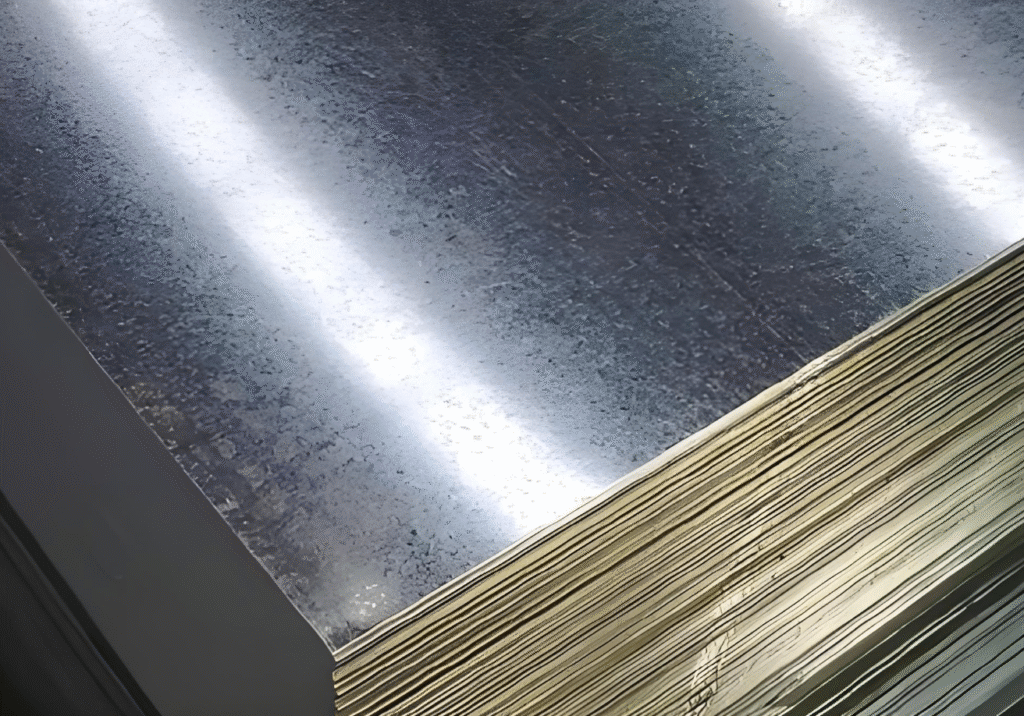
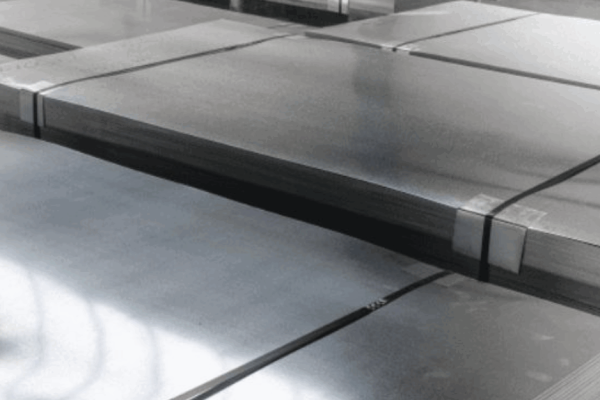
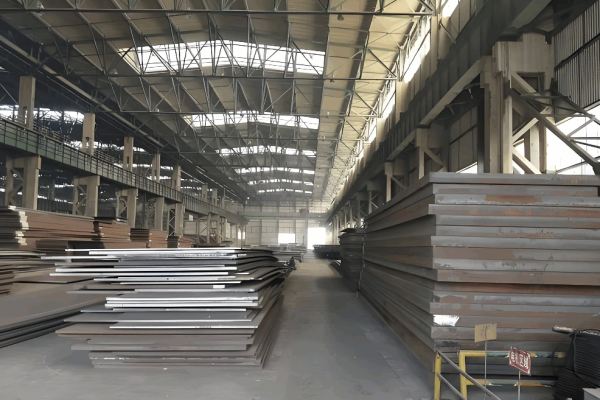
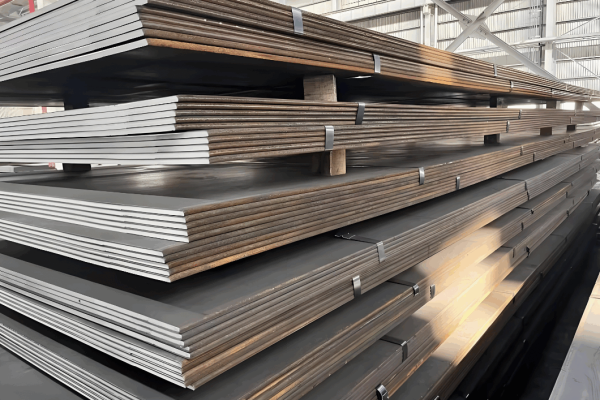
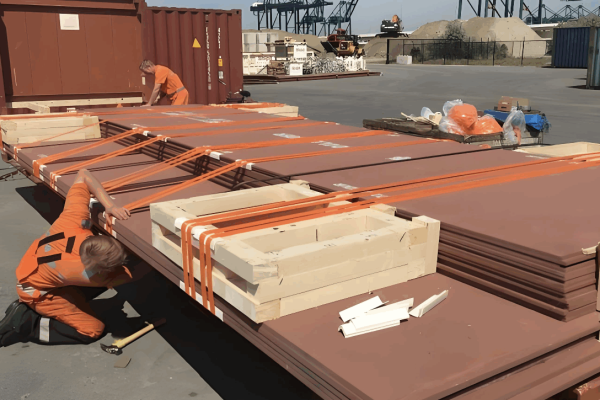
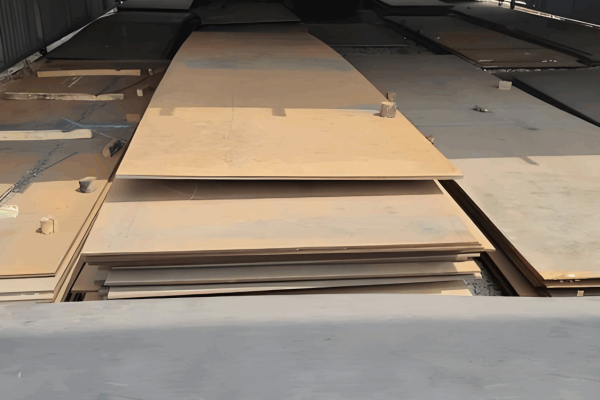
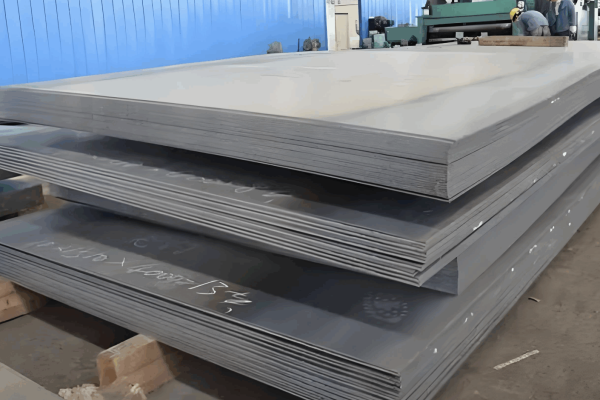
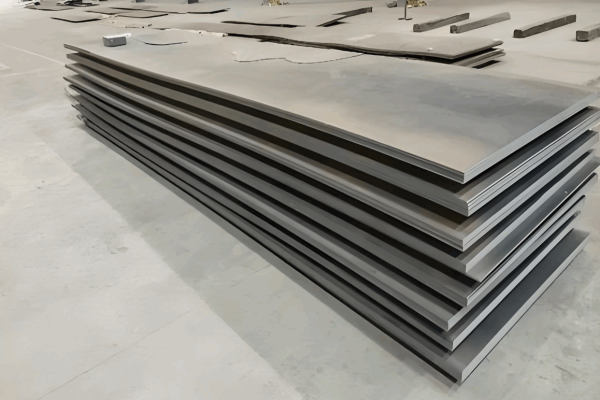
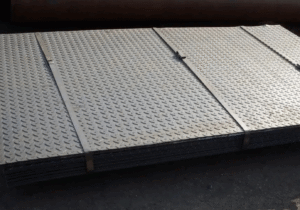
TongHui is one of the leading thick steel plates manufacturers and suppliers in China, located in Liaocheng, Shandong Province. We specialize in providing high specification, multi material thick steel plates. The product is widely used in the core load-bearing structures of heavy machinery, energy equipment, high-rise buildings, bridges, shipbuilding, and large-scale engineering projects due to its excellent structural strength, outstanding load-bearing capacity, and excellent processability. It supports personalized customization. Welcome to consult!
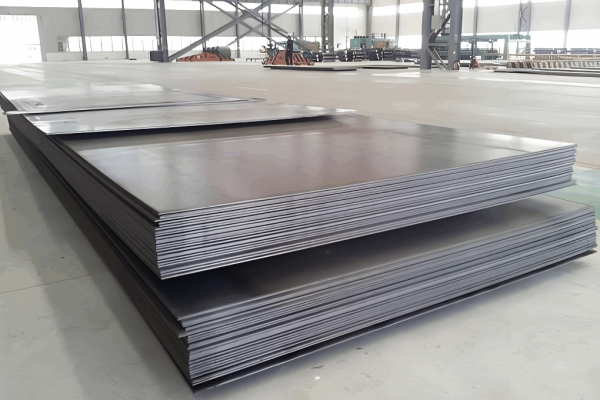
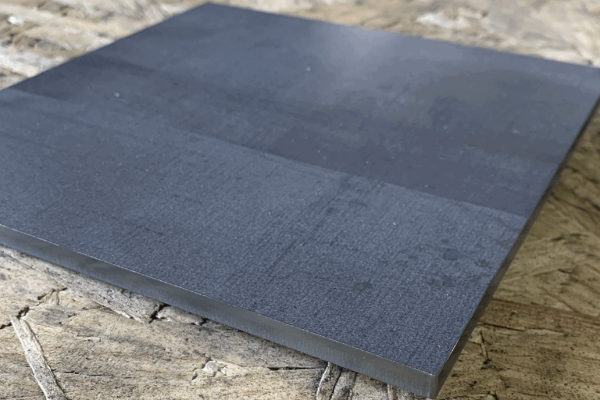
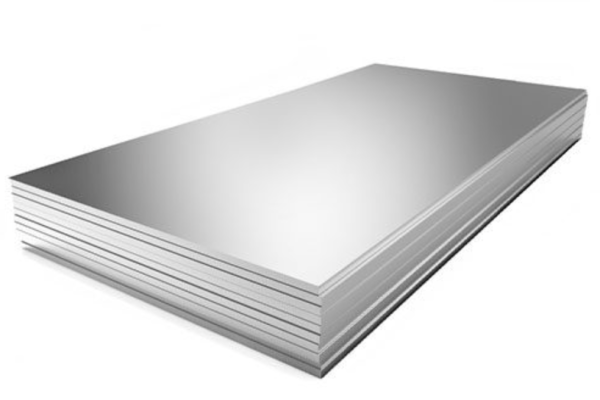
Thick steel plate refers to flat steel with a thickness of not less than 1/4 inch (0.25″, approximately 6.35mm). This is the key distinction from “thin plate” or “sheet metal”. Its specifications are typically described by thickness (in inches) combined with standard dimensions. For example, a “1/2″ thick, 4×8 foot plate” refers to a steel plate approximately 12.7 millimeters thick, 1219 millimeters wide, and 2438 millimeters long. The most common materials are A36 carbon steel or A572 high-strength low-alloy (HSLA) steel. As a core material for heavy-duty structures (construction, machinery, equipment), this type of plate is renowned for its excellent load-bearing and welding properties.
Thick Steel Plate Price
The price of heavy steel plates is dynamically influenced by multiple factors, with no uniform pricing standard.Core Influencing Factors:
Material: There is a substantial price gap between ordinary steel (e.g., Q235B) and high-strength steel/special steel (e.g., wear-resistant steel NM500).
Specifications: Thickness, dimensions, and whether it is cut-to-length.
Purchase Volume: Wholesale prices (calculated per ton) are significantly lower than retail prices (calculated per sheet/square meter).
Market Conditions: Fluctuate daily in response to raw material costs and market demand.
Pricing Model & Reference:The mainstream pricing is based on RMB per ton.
Get your exclusive customized thick steel plate solution!
We provide you with thick steel plates of various specifications and parameters
Grade
Thickness
Width
Length
AR500
1/4"-1"
4"-120"
8"-480"
A36
1/4"-16"
4"-120"
8"-480"
A572
3"-6"
4"-120"
8"-480"
A516
3"-8"
4"-120"
8"-480"
A514
3"-8"
4"-120"
8"-480"
4140
3"-10"
4"-120"
8"-240"
Thick Steel Plate Application Field
Our thick steel plates are applied in various industries
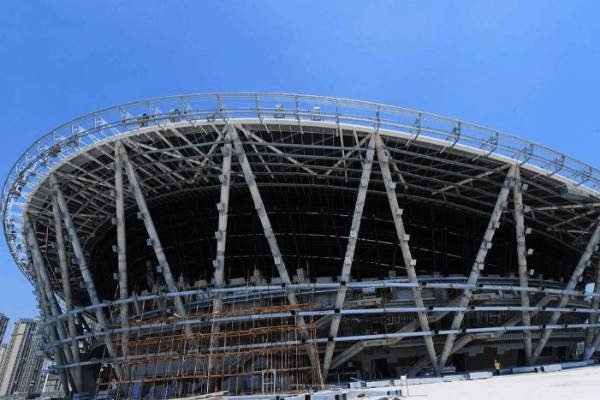
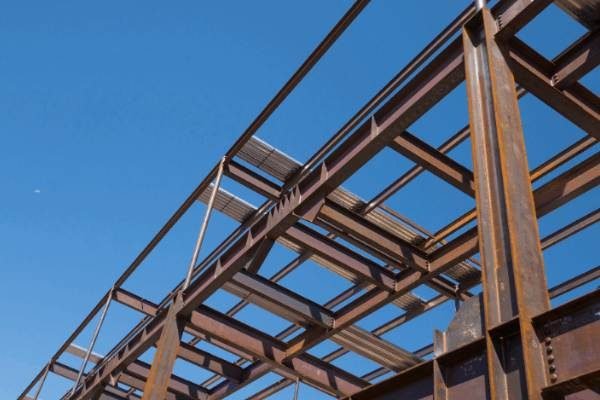
Steel plates are used for sports venues
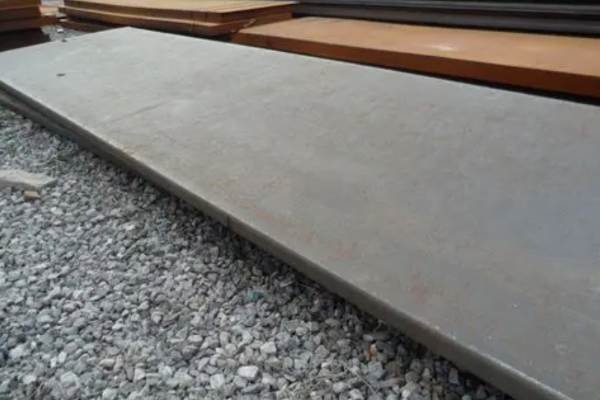
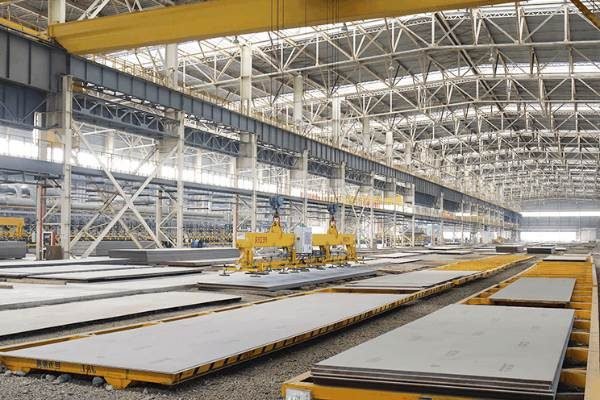
Steel plates are used in industrial plants
Steel plates are used for bridges
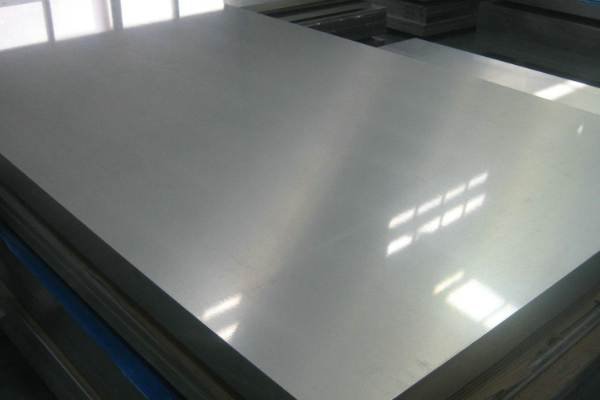
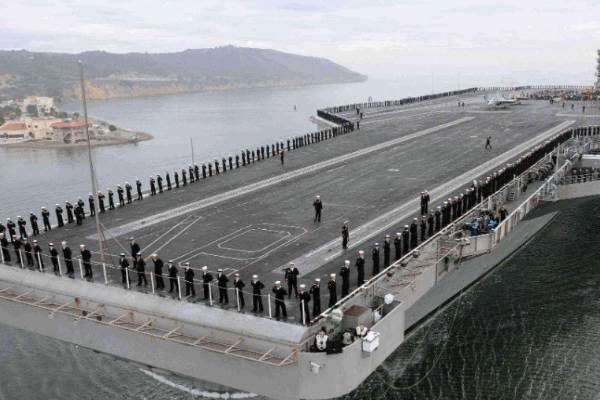
Steel plates are used for ship decks
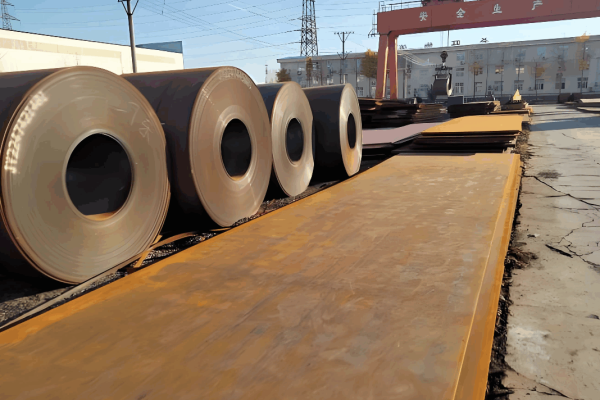
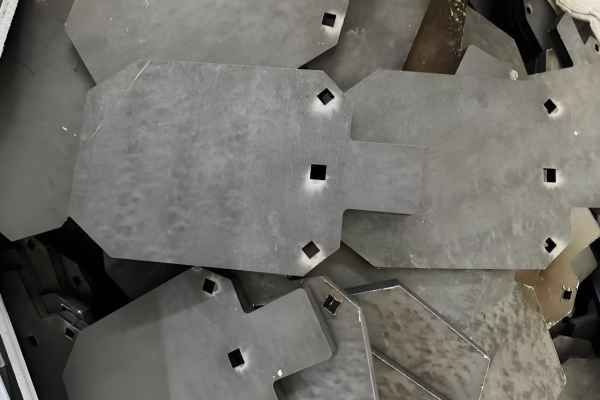
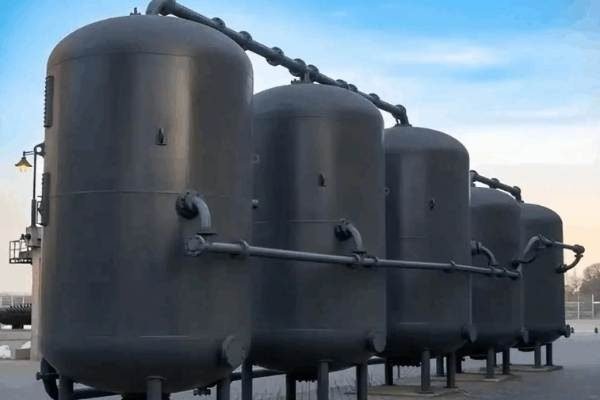
Steel plate used for drum
Frequently Asked Questions
What is the thickest steel plate available?
In commercial production,the maximum available thickness of steel plates depends on the rolling capacity of top-tier steel mills.Currently,the ultimate thickness ranges from approximately 300 to 400 millimeters(about 12 to 16 inches).
Such extra-thick steel plates must be manufactured by the world’s leading heavy plate mills(e.g.,China Baowu,Germany Dillinger,etc.)and are classified as small-batch customized products.The core technical challenge lies in ensuring internal density,microstructural uniformity,and mechanical properties across the ultra-thick cross-section,resulting in extremely high production difficulty and costs.
These plates are primarily used in national strategic equipment such as nuclear power pressure vessels,giant hydropower units,and super press dies.If the designed thickness exceeds this limit,engineering projects typically adopt large forgings or multi-layer welded structures as alternative solutions.Practical procurement requires in-depth technical consultations with steel mills.
How thick is grade 250 plate?
The thickness of such steel plates is completely determined by specific order requirements,with an extremely wide production range—typically from thin plates of a few millimeters to extra-thick plates of hundreds of millimeters can be rolled.For example,for the commonly used Q235B/A36 steel plates,the market stock thickness may range from 1.5mm to 200mm or even thicker.
You need to first select the”Grade 250″material(e.g.,Q235 or A36)based on design or application requirements,and then separately specify the exact required thickness(e.g.,”20mm thick”).The strength grade and physical thickness are two independent technical parameters.
Is 20 or 22 gauge steel thicker?
It is crucial to immediately clarify a key concept:the”Grade 20″and”Grade 22″referred to here denote the steel grades(materials)and have nothing to do with the physical thickness of the steel plate.
Conclusion:Thickness cannot be compared.Whether a steel plate is thick or thin depends on its specification(e.g.,20mm or 50mm),rather than whether its grade is Grade 20 or Grade 22 steel.
The core difference lies in the material(carbon content):
Grade 20 Steel:With an average carbon content of approximately 0.20%,it is classified as low-carbon steel.It is characterized by low strength,good plasticity,and excellent weldability and workability.
Grade 22 Steel:With an average carbon content of around 0.22%,it has slightly higher strength than Grade 20 Steel,but inferior plasticity and weldability.
What is the thickness of a steel plate?
The thickness of steel plates has no fixed value;it is a core dimensional parameter fully customized according to requirements.
The thickness range is extremely wide,covering industrially defined thin plates(e.g.,0.2mm)to extra-thick plates(over 200mm),all of which can be manufactured.Commonly used medium and heavy plates for construction and machinery applications typically range from 6mm to 100mm.
How to determine the required thickness?The selection of thickness depends entirely on your design purpose,load-bearing requirements,and safety standards,and is calculated and confirmed by structural engineers.For example:
Lightweight storage racks may use 2-3mm thick plates.
Main beams of factory building steel structures commonly adopt 10-25mm thick plates.
Heavy machinery bases may require 30-50mm thick plates.
The wall thickness of nuclear power pressure vessels can reach over 200mm.



 English
  Spanish
 Afrikaans