4140 Steel Plate
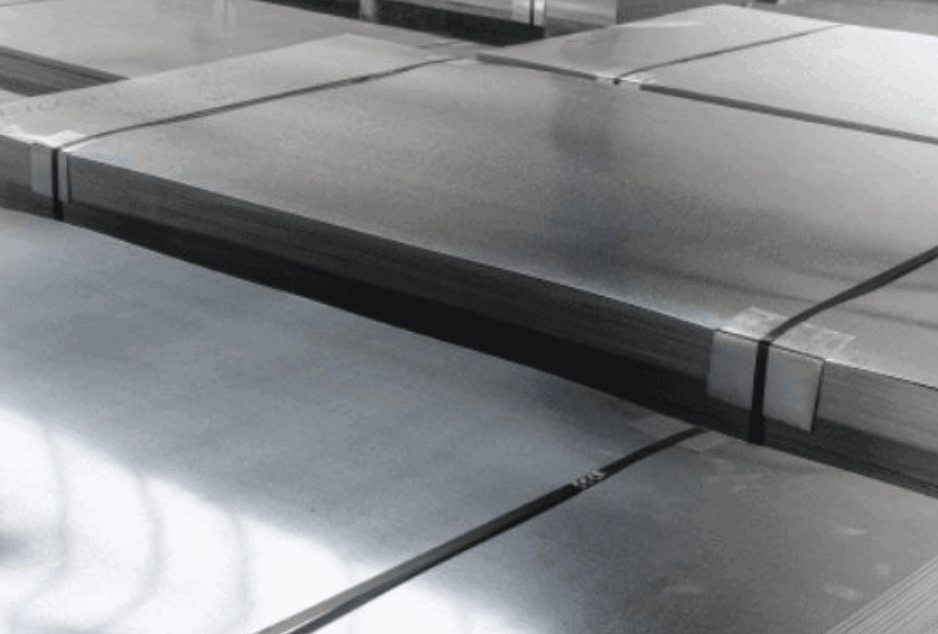
TongHui is one of the leading 4140 steel plates manufacturers and suppliers in China, located in Liaocheng, Shandong Province.
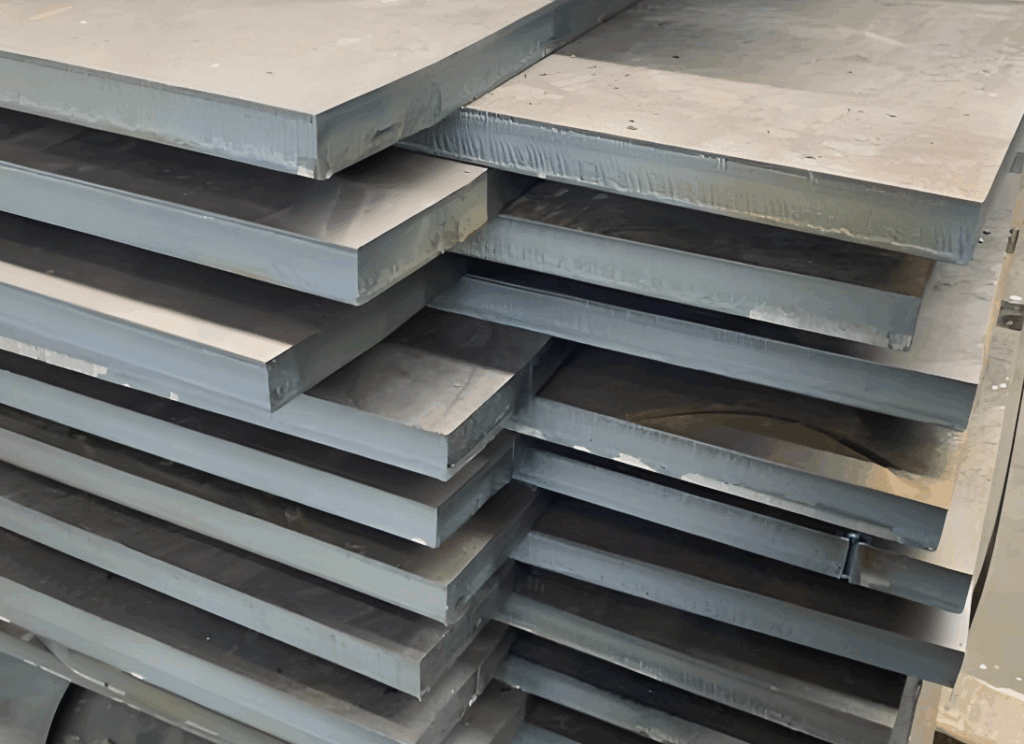
We offer you premium 4140 chrome-molybdenum alloy steel plates, which combine high strength, high toughness, and excellent hardenability. The tensile strength is ≥1080MPa, and the wear and fatigue resistance are outstanding. The products are refined through precise processes, with high purity and uniform microstructure, and support customized hardness through heat treatment. We strictly control quality and provide diverse specifications and precision machining services. Welcome to inquire!
What is 4140 Steel Plate
4140 Steel Plate Price
The price of 4140 steel plate (USD/metric ton) varies significantly depending on specifications, heat treatment processes and order quantities. Hot-rolled base material (6–12mm, standard precision, with a minimum order quantity of ≥10 metric tons) is priced at approximately $900–1,200 per metric ton. Quenched and tempered finished products cost around $1,200–1,500 per metric ton. Thick plates (25–50mm) as well as custom-cut or precision plates are priced at roughly $1,400–1,800 per metric ton. Prices for small-batch retail purchases or products with special surface treatments are higher.
Get your exclusive customized 4140 steel plate solution!
4140 Steel Plate Properties


As a chromium-molybdenum alloy structural steel, its alloy elements can significantly enhance the depth of hardenability. The hardness and strength can be customized through processes such as quenching + tempering (quenching and tempering), carburizing, etc. The microstructure is uniform and stable after heat treatment.
After standard quenching and tempering treatment, it achieves an optimal balance of high strength and good toughness. Its typical tensile strength can reach over 850–1000 MPa, with yield strength exceeding 650 MPa, while maintaining considerable elongation and impact toughness. This combination of strength and toughness makes it highly suitable for manufacturing structural components that endure high stress and impact loads.
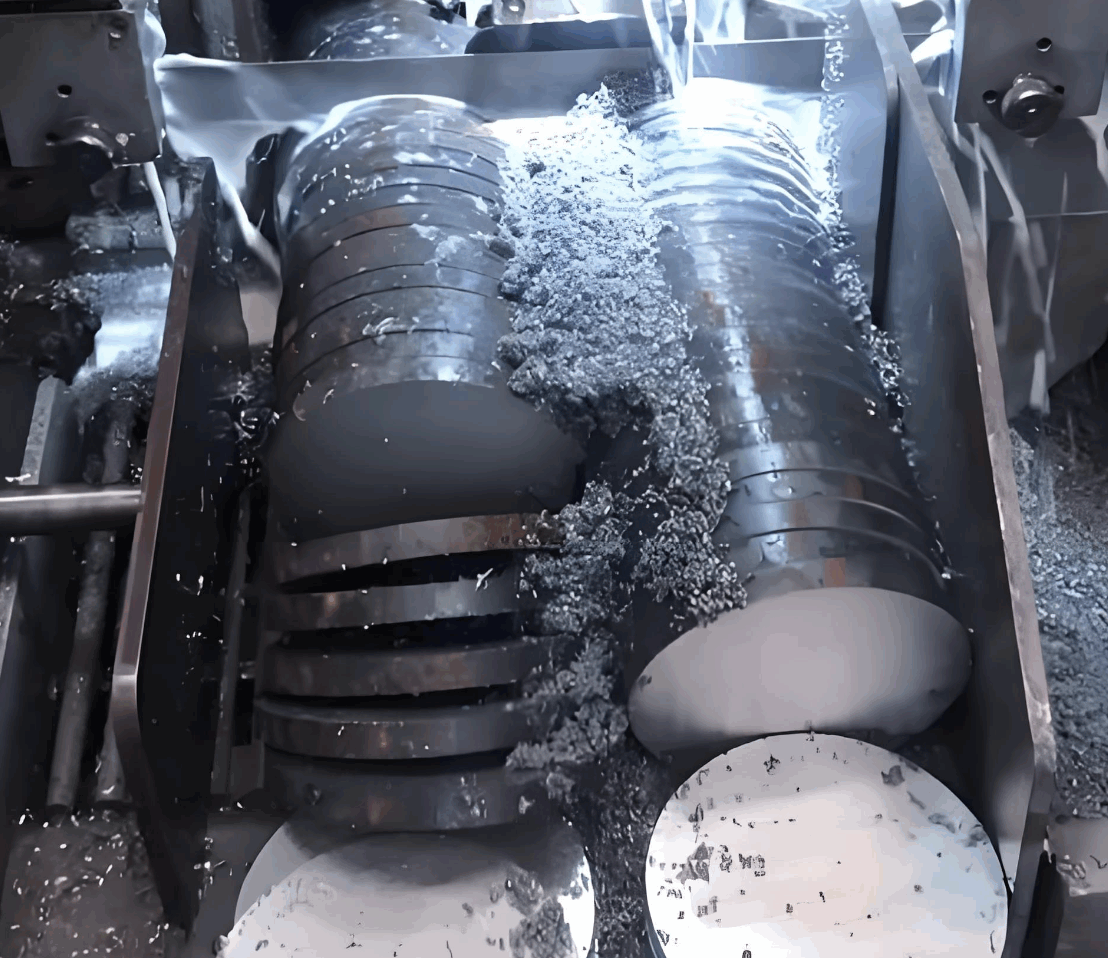
The plate features high-purity structure and moderate carbon equivalent, allowing for conventional machining operations such as cutting, bending, drilling and milling. Preheating and post-heating are required for welding; standardized operation can ensure weld strength and joint toughness to meet the needs of customized production.
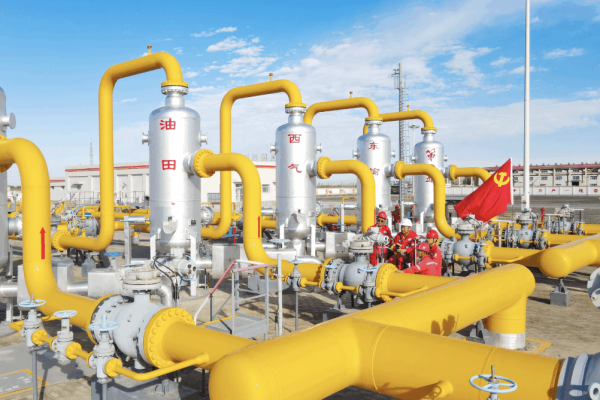
It has better heat resistance and stress corrosion resistance than ordinary carbon steel. Widely applicable to the automotive, aerospace, machinery manufacturing, oil and gas equipment industries, it is commonly used for key high-stress components such as gears, shafts, molds and high-pressure vessels, boasting high cost performance.
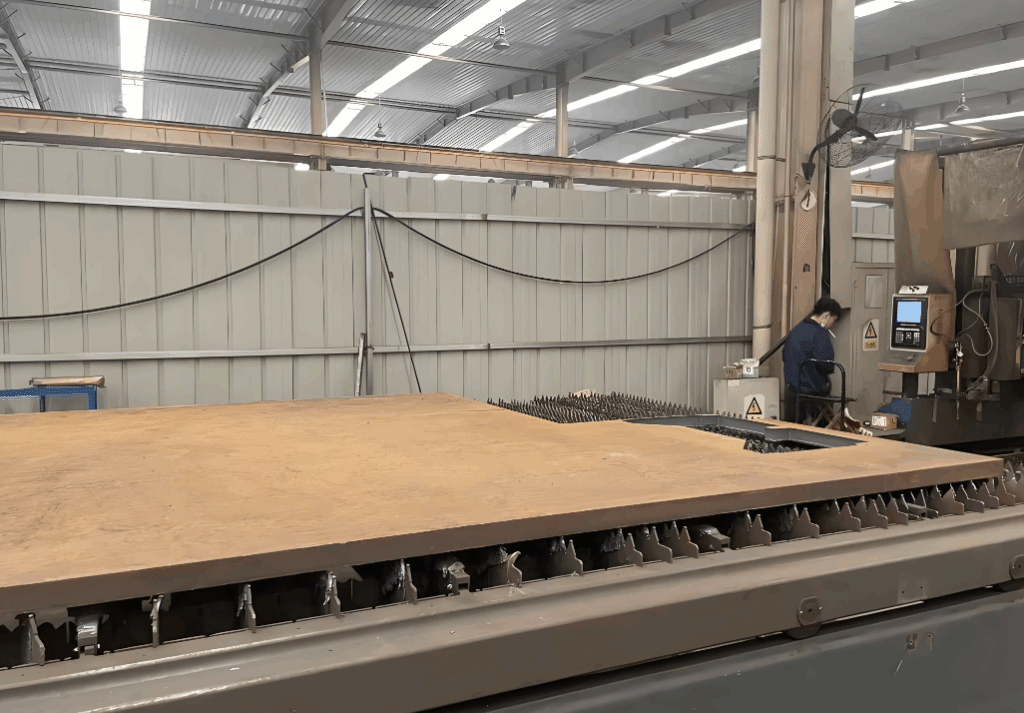
4140 Steel Plate Application Field
Our 4140 steel plate is applied in various fields!
Frequently Asked Questions
Does 4140 come in sheet?
What is equivalent to 4140 steel plate?
- Chinese Standard: GB/T 3077 35CrMo, whose composition is highly matched with 4140 (AISI/SAE), is the most commonly used equivalent grade in China.
- European Standard: EN 10083-3 42CrMo4, usually applied in the EU region, has basically the same properties as 4140 after quenching and tempering.
- International/Other Standards: ISO 683-1 42CrMo4; Japanese JIS SCM435 (slight composition difference, but can be equivalent after quenching and tempering); German DIN 42CrMo4.
Supplementary Note: Equivalence does not mean complete identity. When purchasing or replacing, it is necessary to verify the chemical composition, heat treatment condition, mechanical properties, execution standard, as well as flaw detection and surface requirements to avoid affecting application.
What are the disadvantages of 4140 steel?
- Relatively High Cost and Processing Expenses:It contains chromium and molybdenum alloying elements, so its raw material and smelting costs are higher than those of ordinary carbon steel. Its heat treatment processes such as quenching and tempering are complex, and welding requires preheating and post-heating temperature control, which increases working hours and consumable costs.
- High Threshold for Welding Technology:With a relatively high carbon equivalent, it is prone to cold cracks and hardened structures during welding. Strict implementation of preheating (about 200–300℃), interpass temperature control and post-weld tempering is required, and ordinary processes cannot guarantee the quality of weld joints.
- Limited Low-temperature Toughness:Without special modification, its toughness decreases significantly in low-temperature environments, and it is prone to brittle fracture, making it unsuitable for ultra-low-temperature working conditions.
- Moderate Corrosion Resistance:Lacking a passivation film for protection, its resistance to atmospheric, acid and alkali corrosion is weaker than that of stainless steel. Additional surface treatments (e.g., galvanizing, spray painting) are required for application in corrosive environments.
Learn More About Steel Plates
Address:
Liaocheng City, Shandong Province, China