A588 Steel Plate
What is A588 Steel Plate
A588 Steel Plate Price
The spot reference price for A588 steel plate (structural grade) in the U.S. market is approximately USD 1,100 – 1,400 per metric ton (FOB U.S. Mill).
The specific price depends on the following key variables:
Specifications & Quantity: Thickness, width, and order tonnage directly affect the unit price, with volume purchases typically receiving discounts.
Market & Delivery Terms: The above price is a benchmark FOB price from major U.S. mills. Exporting to other regions (e.g., Asia) requires adding ocean freight, tariffs, and local charges.
Cost & Supply-Demand Dynamics: Prices are fundamentally driven by raw material (iron ore/coking coal) costs, mill capacity utilization, and demand from regional infrastructure projects.
Get your exclusive customized A588 steel plate solution!
A588 Steel Plate Properties


Through the precise proportioning of alloying elements such as copper, chromium, and nickel, it naturally forms a dense oxide protective film in outdoor environments. Its atmospheric corrosion resistance is 5-8 times that of ordinary carbon steel, enabling long-term service without additional coating and significantly reducing maintenance costs.
With a yield strength of ≥345MPa and a tensile strength of 485-655MPa, it boasts excellent yield ratio and fatigue resistance. It can withstand complex loads, making it suitable for outdoor engineering projects with strict requirements on structural strength.
It performs exceptionally well in cold bending, cutting, stamping, and other processing operations. No special pretreatment is required during welding, and the strength of the welded joint has a high matching degree with the base metal, without affecting the overall structural safety. It adapts to diverse engineering construction needs.
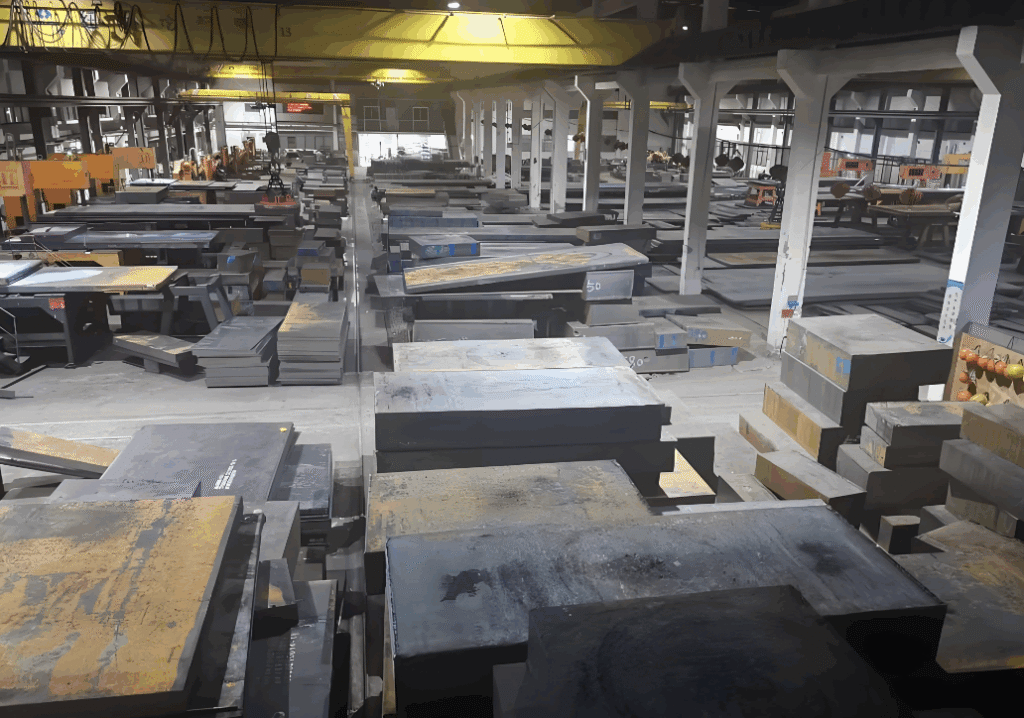
The coating-free design reduces environmental pollution, and the material is 100% recyclable. With a service life of 20-30 years, its long-term comprehensive cost is much lower than the combination of ordinary carbon steel + coating. It is a cost-effective choice for cross-border outdoor engineering projects.
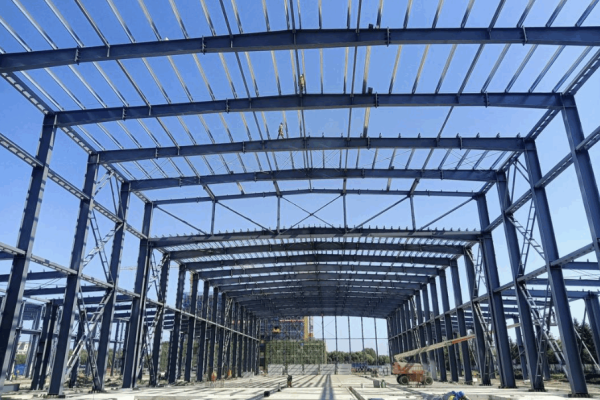
A588 Steel Plate Application Field
Our A588 steel plate is applied in various fields!
Frequently Asked Questions
What is A588 steel equivalent to?
- Chinese Equivalent: Q355NH (formerly Q345NH) per GB/T 4171. It has similar composition and mechanical properties, with a yield strength ≥355MPa and comparable weather resistance, serving as a reliable alternative.
- European Equivalent: S355J2W/S355J2WP per EN 10025-5. As a Cu-Cr-P series weathering steel with a yield strength ≥355MPa, it is widely used in outdoor projects like bridges and buildings.
- American Associated Grade: Equivalent to Corten B (COR-TEN B), belonging to the same weathering steel series as A242 (Corten A) but with higher strength (yield strength ≥345MPa).
What is the difference between A36 and A588 steel?
Core Differences Between A36 and A588 Steel:
- Material Positioning: A36 is a low-carbon structural steel under ASTM standard, while A588 is a low-alloy high-strength weathering steel (Cu-Cr-Ni series) containing corrosion-resistant elements such as 0.20%-0.40% copper and ≤0.40% chromium.
- Mechanical Properties: A36 has a yield strength ≥250MPa and tensile strength 400-550MPa; A588 features yield strength ≥345MPa and tensile strength 485-655MPa, with significantly higher strength.
- Corrosion Resistance: A588 forms a dense oxide film outdoors, boasting atmospheric corrosion resistance 5-8 times that of A36, and can serve long-term without coating.
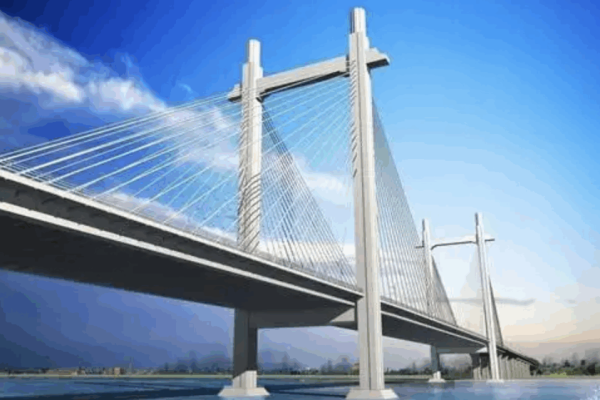
- Application Scenarios: A36 is suitable for indoor general structures; A588 is adapted for outdoor engineering like bridges and buildings, with lower long-term comprehensive cost.
- Cost Difference: A588’s unit price is 10%-15% higher than A36, but its maintenance-free advantage offsets the initial premium.
Is A588 steel good for knives?
- Its carbon content is extremely low (usually ≤0.19%), far below the over 0.5% carbon content required for tool steel. It cannot achieve the high hardness (needing HRC55+) necessary for knives through heat treatment, resulting in easy dulling of the cutting edge and inability to maintain sharpness.
- Its alloy system focuses on corrosion resistance (copper, chromium, etc.) rather than the wear resistance and toughness ratio required for knives. The edge is prone to chipping and excessive wear when cutting or handling hard objects.
- Its mechanical properties are designed with structural strength and weather resistance as the core, not the edge strength and cutting performance required for knives.
Learn More About Steel Plates
Address:
Liaocheng City, Shandong Province, China