
Many buyers struggle with common issues when purchasing steel plates for driveways: difficulty picking suitable materials, mismatched thickness and dimensions, worries about rust and shifting plates, and uncertainty about laying plates over gravel surfaces. Drawing on real-world project applications, this guide covers material options, specification parameters, installation procedures, rust prevention maintenance, and use-case differences. It helps users select properly matched driveway steel plates and avoid common purchasing and usage pitfalls.
1. What Are Steel Plates for Driveways?
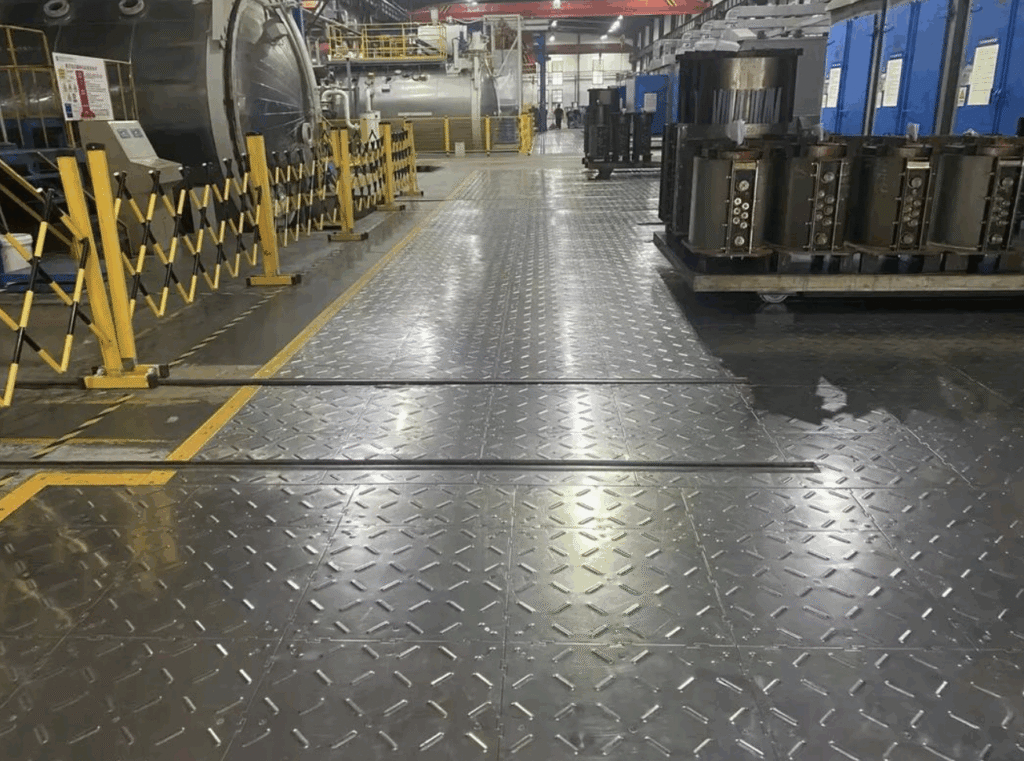
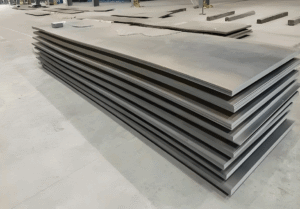
Driveway-specific steel plates are high-strength steel panels engineered for load-bearing road protection. Unlike standard construction steel plates, they are optimized through specialized processes to balance load capacity, anti-slip performance and weather resistance. They are widely used for driveway reinforcement, temporary road surfacing and soft ground protection. Based on production techniques and functions, they fall into three main categories: plain load-bearing steel plates, anti-slip patterned steel plates, and galvanized steel grating plates. They fit long-term residential use, temporary construction access, and heavy-duty vehicle passage scenarios.
2. Key Advantages of Driveway Steel Plates
- Outstanding load capacity with reliable ground protection: Made of high-strength carbon steel substrates, premium driveway steel plates evenly disperse vehicle weight. They effectively prevent sinking, cracking and potholes on soft or gravel driveways, fully protecting the underlying pavement structure.
- Wide compatibility with all ground surfaces: They can be laid directly on dirt, gravel, grass or paved surfaces. Suitable for daily residential traffic, RV and light truck parking, construction machinery passage, and emergency road protection during rainy seasons.
- Cost-effective and reusable: Solid and wear-resistant, these plates can be rented for temporary construction or permanently installed for residential driveways. Compared with concrete or asphalt pavement, they eliminate recurring repair costs and deliver superior long-term value.
- Fast installation with no curing period: No complicated construction steps or long curing time are required. Plates can be laid and opened to traffic the same day, making them ideal for emergency road construction and short-term project access.
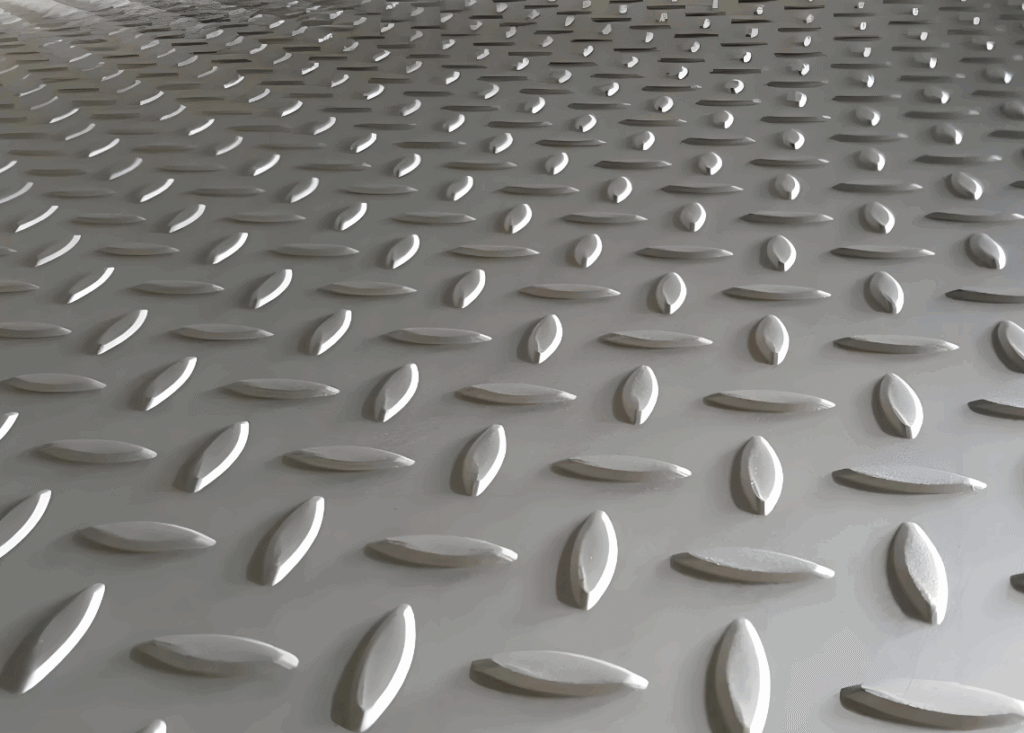
- Anti-slip and drainage design for safe travel: Patterned anti-slip plates and grating plates feature built-in anti-slip textures and drainage holes. They reduce skidding and standing water on rainy days, ensuring safe passage for vehicles and pedestrians.
3. Material Options for Driveway Steel Plates & Applicable Scenarios
3.1 Hot-Dip Galvanized Steel Plates
Hot-dip galvanized steel is the most popular material for residential driveways. Manufactured from premium carbon steel, the panels undergo high-temperature hot-dip galvanization to form a dense, strongly adhered zinc coating. The zinc layer delivers excellent rust and corrosion resistance against rain, humid air and mild soil alkalinity, making it perfect for long-term outdoor exposure.
Balancing moderate weight, flat surfaces, basic anti-slip performance and reliable load capacity, this cost-effective material easily handles passenger cars and small SUVs, making it the top choice for permanent residential driveway reinforcement.
3.2 A572 Grade 50 Structural Steel
A572 Grade 50 is a high-strength structural steel with high yield strength, excellent toughness and superior impact resistance, with minimal deformation under heavy loads. Its load-bearing capacity is over 30% higher than standard galvanized steel. It withstands repeated compression and impact from trucks, trailers and light construction equipment without bending, denting or fracturing.
It is mainly used for temporary construction driveways and industrial roads with frequent heavy vehicle traffic. It is not recommended for ordinary residential use due to its higher overall cost.
3.3 AR400 / AR500 Abrasion-Resistant Steel Plates
AR-series wear-resistant steel is ultra-high-strength specialty steel featuring high surface hardness, exceptional wear resistance, crush resistance and scratch resistance. Its impact resistance far exceeds conventional structural steel. It resists deformation even under frequent heavy machinery compression and friction against rough gravel surfaces, boasting a service life 2 to 3 times longer than standard steel plates.
It is applied to large construction sites, mine temporary access roads and dedicated lanes for heavy engineering vehicles under continuous high-load operation.
3.4 Weathering Steel
Weathering steel is alloyed with phosphorus, copper, chromium and other weather-resistant elements for superior atmospheric corrosion resistance. It requires infrequent touch-up anti-rust coatings. In humid, rainy or coastal salt-spray environments, it naturally forms a dense oxide protective film that stops internal steel rusting.
It works well for driveways in rainy southern regions, coastal yards and fully exposed outdoor roads. Its main drawback is a higher price tag, suited for long-term installations requiring maximum durability.

4. Thickness & Dimension Selection Guide for Driveway Steel Plates
4.1 Thickness Selection Based on Vehicle Load
- Pedestrians & light electric vehicles: Recommended thickness 2–4 mm, load capacity ≤ 1 ton. Lightweight and easy to install for temporary walkways and electric vehicle paths.
- Standard passenger cars & SUVs: Recommended thickness 4–6 mm, load capacity 1–5 tons. The universal standard thickness for residential driveways, resistant to deformation under daily vehicle traffic and suitable for permanent installation.
- RVs & light-duty trucks: Recommended thickness 6–8 mm, load capacity 5–15 tons. High-strength substrates prevent denting and bending under sustained heavy vehicle pressure.
- Construction machinery & heavy trucks: Heavy-duty plates of 8 mm thickness or above, load capacity over 15 tons. Ideal for frequent passage of excavators, loaders and large trucks with outstanding impact and deformation resistance.
4.2 Standard Sizes & Paving Requirements
Common standard sizes for driveway steel plates include 2m×6m, 1.5m×6m and 2m×8m, which can be freely spliced to match driveway width. When laying multiple plates, leave a 5–10 cm overlapping joint to avoid suspended gaps and warping, maintaining a flat road surface and preventing wheel jamming or bumpy rides. Custom narrow ramp plates are available for sloped driveways to create smooth transitions and improve driving comfort.
5. Temporary vs Permanent Driveway Steel Plate Selection
5.1 Temporary Driveway Steel Plates
Designed for short-term construction projects, road repair emergencies and temporary vehicle parking with usage cycles of 1 to 12 months. Choose economical 4–6 mm galvanized or carbon steel plates with basic load-bearing performance, no advanced wear or weather resistance required.
These plates are available for rent or purchase. Rental options offer better short-term value, with plates returned after use to eliminate storage burdens, perfectly matching temporary short-term demands.
5.2 Permanent Driveway Steel Plates
For residential yards and fixed long-term driveways with a service life of over 5 years. Prioritize hot-dip galvanized anti-slip plates or weathering steel with a minimum thickness of 6 mm, equipped with built-in anti-slip textures and long-lasting anti-corrosion coatings to cut down routine maintenance.
Panels must be secured with bolts to prevent shifting caused by long-term weather exposure and vehicle compression, delivering stable durability for years of continuous use after one installation.
6. Standard Installation & Securing Procedures for Driveway Steel Plates
Proper installation and fixing stop plates from shifting, warping, slipping and generating noise. Professional paving can be completed in a few simple steps applicable to all ground types.
6.1 Step-by-Step Installation Guide
- Ground preparation: Clear debris, level potholes and compact soft subsoil to create a smooth, stable laying base.
- Plate positioning: Map out panel placement according to driveway dimensions, align panels and reserve standard overlapping widths at joints.
- Reinforced fixation: Secure plate corners and splicing seams with dedicated fixing bolts and pressure strips to prevent displacement.
- Anti-slip enhancement: Fill gaps between plates with anti-slip rubber strips for outdoor driveways to boost travel safety.
- Edge protection: Chamfer all exposed plate edges to eliminate sharp corners that may scratch tires or vehicle bodies.
6.2 Critical Installation Mistakes to Avoid
Never lay plates over suspended or uneven ground, as heavy vehicle compression will crack and deform panels. Heavy-load driveways require full reinforcement; bare unfastened laying is prohibited. Create drainage slopes if installing in rainy weather to avoid standing water that accelerates rusting. Keep plate joints narrow to stop gravel and sediment from lodging and destabilizing the surface.
6.3 Safe Driving Guidelines After Installation
Drive slowly across newly laid plates first to check for shifting or warping before regular use. Avoid hard braking and sharp steering in place to reduce surface wear and plate movement. Regularly inspect fasteners and retighten loose components promptly.
7. Rust Prevention & Daily Maintenance Guide for Driveway Steel Plates
While material quality determines the baseline lifespan of steel plates, consistent anti-rust maintenance drastically extends service life. Unmaintained plain carbon steel develops obvious rust within 1–2 years, while properly maintained galvanized and weathering steel can last 8–10 years or longer.
7.1 Main Causes of Steel Plate Rust
Prolonged rainwater immersion, high humidity and coastal salt spray are the primary rust triggers. Scratches or abrasion that strip the galvanized protective layer expose raw steel to air and moisture, triggering rapid oxidation. Accumulated sediment and alkaline residue on plate surfaces also speed up corrosion and aging.
7.2 Routine Maintenance Practices
Regularly sweep sediment, standing water and debris off plate surfaces to keep panels dry and clean. Inspect anti-corrosion coatings every six months; touch up minor scratches and chipped areas with anti-rust paint immediately. Clear standing water after heavy rains or humid seasons to avoid prolonged water exposure. Reapply reinforced anti-corrosion coatings once a year for coastal and high-alkali environments.
7.3 Tips to Maximize Service Life
Select hot-dip galvanized or weathering steel for permanent outdoor use to minimize rust risks from the start. Avoid long-term friction and impact from sharp objects to preserve protective coatings. Before storing temporarily used plates, fully clean dirt and moisture, then store in dry, ventilated spaces for repeated reuse.
Frequently Asked Questions
Q1: Is it worth installing steel plates on driveways?
A1: Absolutely. Compared with concrete and asphalt pavement, steel driveway plates feature lower installation costs, faster construction and full reusability. They resolve sinking, mud and cracking issues at the source and cut long-term road repair expenses, offering excellent cost efficiency for both permanent residential driveways and temporary construction access.
Q2: What is the typical service life of driveway steel plates?
A2: Service life depends on material grade and maintenance conditions. Unmaintained plain carbon steel lasts only 1–3 years. Properly maintained hot-dip galvanized steel serves 8–10 years. Weathering steel and AR wear-resistant plates exceed 10 years of service and are ideal for long-term installations.
Q3: Will driveway steel plates damage vehicle tires?
A3: Standard certified anti-slip driveway steel plates feature smooth patterned surfaces with polished, chamfered edges free of sharp burrs, so they will not scratch or damage tires. Compared with muddy or gravel roads, flat steel surfaces reduce tire abrasion and deliver smoother driving. Only unpolished low-quality plates with sharp unprocessed edges carry risks of tire scuffs, so buyers must carefully inspect panel finishing during purchasing.
Conclusion
Steel driveway plates provide an efficient solution for road protection and load reinforcement. The core selection principles are matching material and thickness to usage scenarios, vehicle load and local environmental conditions. For standard residential traffic, 6 mm hot-dip galvanized anti-slip steel plates deliver the best value; heavy-duty construction sites require high-strength structural steel or wear-resistant AR plates.
Standardized installation and regular anti-rust maintenance unlock full plate performance and extend service life. Match your driveway subsoil type, vehicle weight and usage cycle to select the right product for a stable, safe and long-lasting driveway surface.
If you want more details about driveway steel plates, please contact Tonghui, and we will provide professional steel plate solutions tailored to your needs.
Reference Materials
- GB/T 31439.1-2015 General Technical Specifications for Structural Steel Road Panels
- Industry General Technical Code for Anti-Corrosion Performance of Hot-Dip Galvanized Steel
- Mechanical Properties & Engineering Application Standards for A572 Grade 50 Structural Steel


 English
  Spanish
  Afrikaans