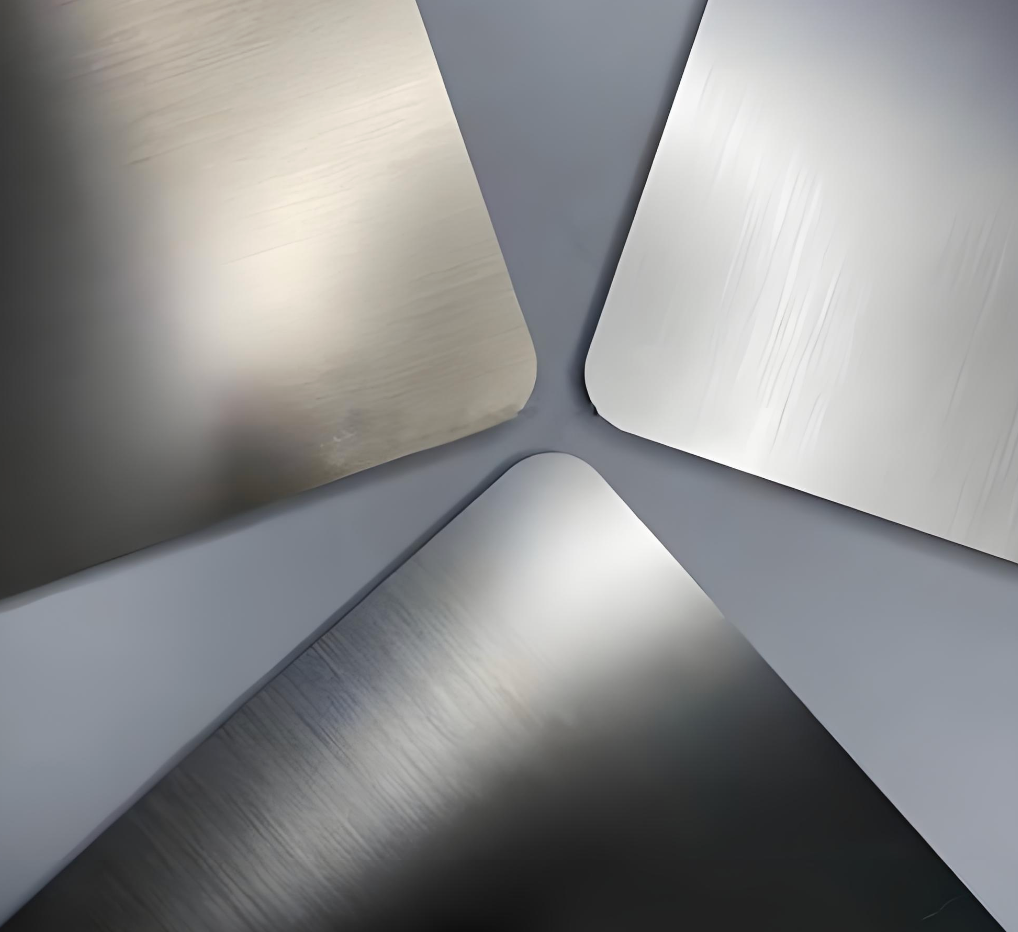
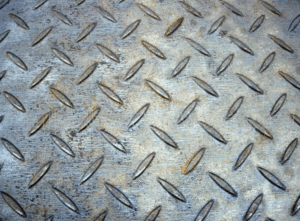
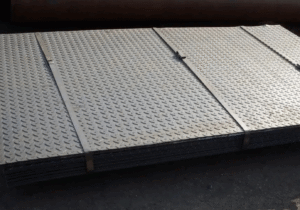
410 stainless steel plates

410 Stainless Steel Plate

TongHui is one of the leading 410 stainless steel plates manufacturers and suppliers in China, located in Liaocheng, Shandong Province.
410 stainless steel plates combine high strength, excellent corrosion resistance, and good machinability, making them suitable for various scenarios. We offer a full range of specifications and stable quality 410 stainless steel plates. Welcome to inquire about pricing!

410 stainless steel plates

What is 410 Stainless Steel Plate

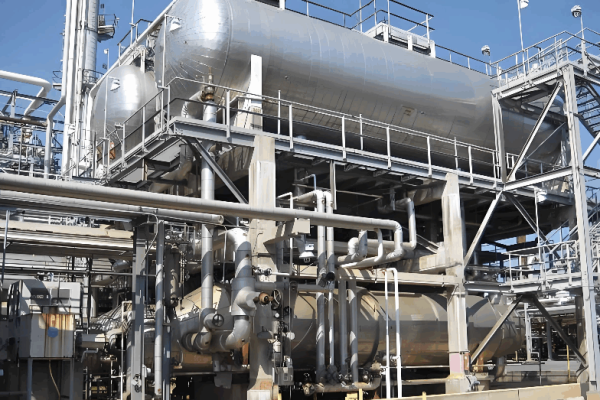
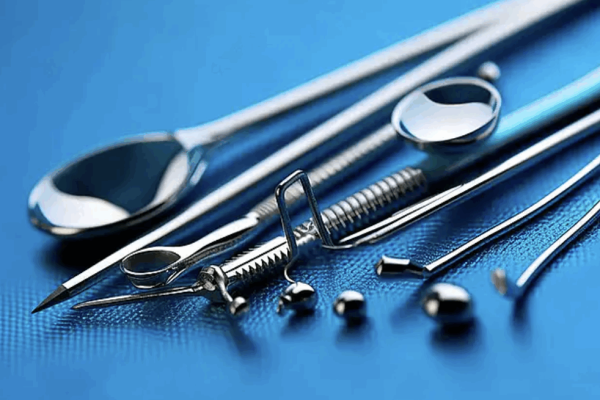
As a core product in the martensitic stainless steel series, 410 stainless steel plate contains a chromium content of 11.5%-13.5% and no nickel or low nickel. Thanks to its martensitic structure, it combines high strength, good hardness, and excellent machinability. Its corrosion resistance is suitable for mild corrosive environments, and its strength and wear resistance can be further improved through heat treatment such as quenching and tempering. Different from austenitic stainless steel with high corrosion resistance, it focuses more on mechanical performance advantages. As a cost-effective stainless steel plate, it is widely used in machinery manufacturing, chemical equipment, medical accessories, food machinery and other industries. It is an ideal choice that balances performance and cost, meeting the core demand for material stability in industrial-grade scenarios.

410 Stainless Steel Plate Price

As of the beginning of 2026, the mainstream quotation of 410 stainless steel plates in the international market is 1,150-1,500 USD per ton, which fluctuates according to specifications, surface treatments and purchase volumes.

The basic hot-rolled NO.1 surface plates are approximately 1,150-1,250 USD per ton;

The cold-rolled 2B surface plates are 1,300-1,450 USD per ton; and products with special surfaces (such as brushed, mirror finish) and custom processed parts can reach more than 1,500 USD per ton.

410 stainless steel plates

Get your exclusive customized 410 stainless steel plate solution!

410 Stainless Steel Plate Properties

410 stainless steel plates
Excellent Mechanical Properties

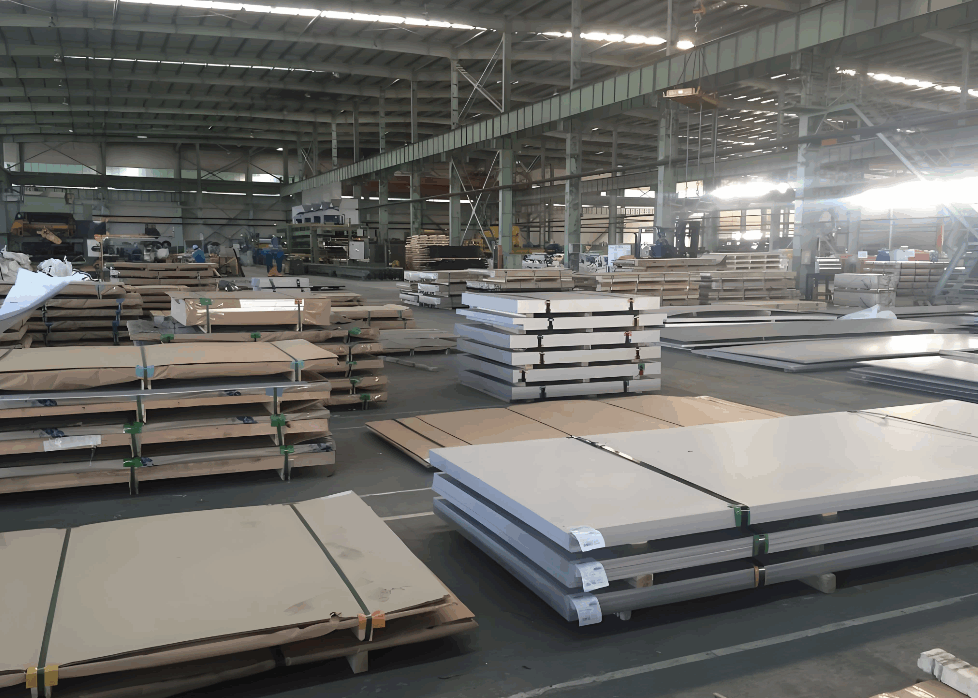
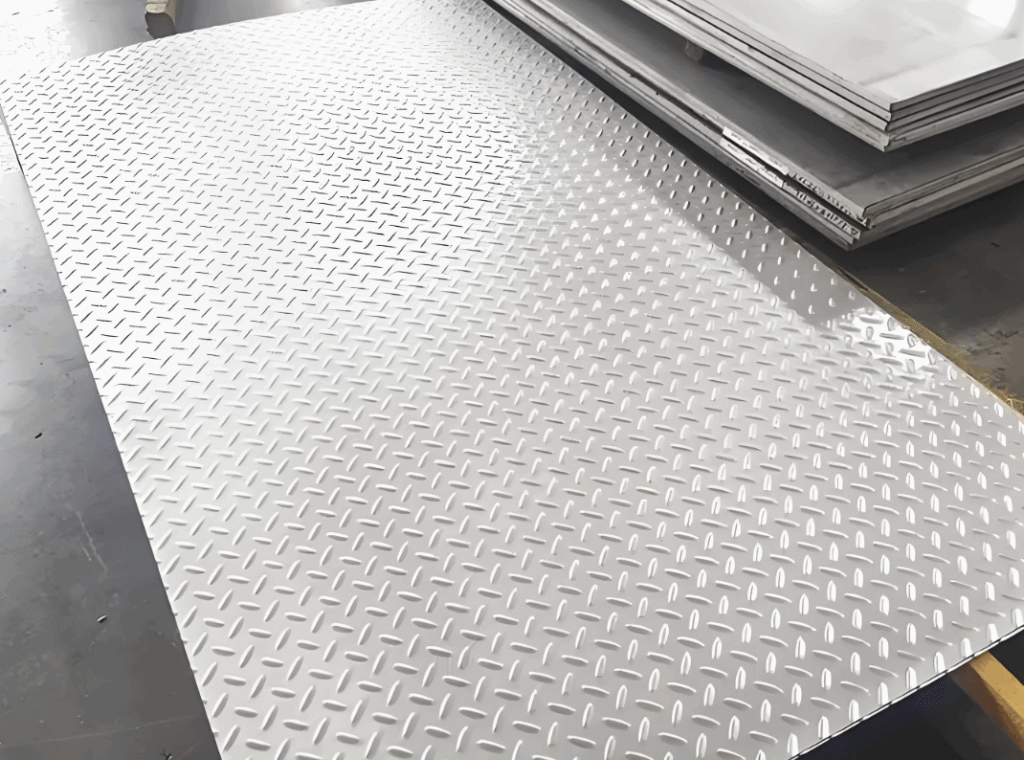
410 stainless steel plate possesses high strength, good hardness and toughness. After heat treatments such as quenching and tempering, its strength and wear resistance can be further improved. It also has excellent machinability, being adaptable to various processing technologies including cutting, stamping and forging.
Basic Corrosion Resistance

Containing 11.5%-13.5% chromium, it forms a dense oxide film that can resist mild corrosive environments such as atmosphere, fresh water and mild acid-base. Suitable for industrial scenarios without strict corrosion resistance requirements, its corrosion resistance is inferior to that of austenitic stainless steels like 304/316, but it can meet basic anti-corrosion needs.

High Cost-Performance Advantage

The low nickel or nickel-free composition design significantly reduces raw material costs. Compared with high-nickel stainless steels, it has more competitive pricing while ensuring core mechanical properties, making it an economical stainless steel material that balances performance and cost.

Flexible Scenario Adaptability

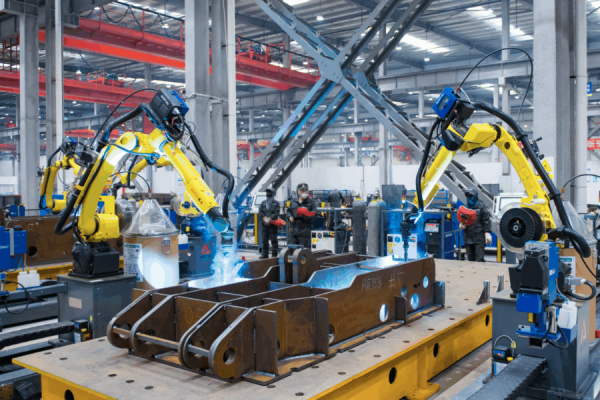
With strong material stability, it can undergo secondary processing such as welding (weldable with suitable welding processes) and heat treatment according to requirements. It can not only meet the strength requirements of machinery manufacturing and equipment accessories, but also adapt to scenarios with certain hygiene requirements such as medical and food machinery, boasting a wide range of application adaptability.

410 Stainless Steel Plate Application Field

Our 410 stainless steel plate is applied in various fields!

Frequently Asked Questions

Is 410 stainless better than 304? 

410 Stainless Steel vs. 304 Stainless Steel: No Absolute Superiority, Only Adaptability Differences:

There is no absolute “better” between 410 and 304 stainless steel. The core differences stem from material types and composition designs, adapting to different scenario requirements:
  1. Mechanical Properties: 410 is a martensitic stainless steel (containing 11.5%-13.5% chromium, low nickel/nickel-free), and its strength, hardness and wear resistance are significantly superior to 304 after heat treatment; 304 is an austenitic stainless steel (containing 18% chromium and 8% nickel) with better toughness and ductility.
  2. Corrosion Resistance: With high chromium-nickel content, 304 forms a more stable passive film, whose acid-base resistance and chloride ion corrosion resistance are far superior to 410, making it more suitable for humid and highly corrosive environments; 410 can only resist mild corrosive scenarios such as atmosphere and fresh water.
  3. Cost and Adaptability: 410 is nickel-free/low-nickel with lower price, suitable for scenarios requiring high strength such as machinery manufacturing and cutting tools; although 304 has higher cost, it excels in hygiene and corrosion resistance, applicable to food, medical and chemical industries.
Core Selection Principle: Choose 304 for high corrosion resistance, and 410 for high strength/cost-effectiveness.
410 stainless steel is a classic grade in the martensitic stainless steel series, with a core composition of 11.5%-13.5% chromium and low nickel or nickel-free content. Thanks to its martensitic structure, it is an economical stainless steel focusing on mechanical properties. It possesses high strength, good hardness and toughness; after heat treatments such as quenching and tempering, its strength and wear resistance can be further improved. Meanwhile, it boasts excellent machinability, adapting to various processes including cutting, stamping and forging.
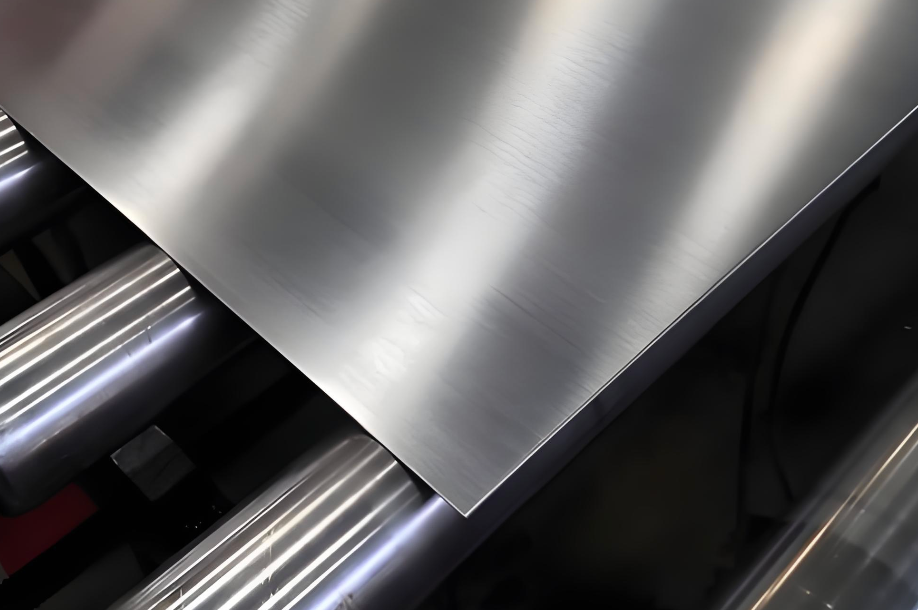
It can form a dense oxide film to resist mild corrosive environments such as atmosphere, fresh water and mild acid-base, meeting basic anti-corrosion needs (its corrosion resistance is inferior to that of austenitic stainless steels like 304/316). Due to its low raw material cost and high cost-performance ratio, it is widely used in industrial scenarios requiring high strength but no strong corrosion resistance, such as machinery manufacturing, cutting tools, chemical equipment and medical accessories.

Learn More About Steel Plates

Contact Our Expert Team

Address:

Liaocheng City, Shandong Province, China

Side Contact Form