
This article systematically sorts out the core specification parameters, latest price trends, material selection methods, supplier screening criteria, and processing & application considerations of 1/8-inch steel plates throughout the entire procurement process. It provides comprehensive professional references for procurement decisions, helping to quickly identify suitable products.
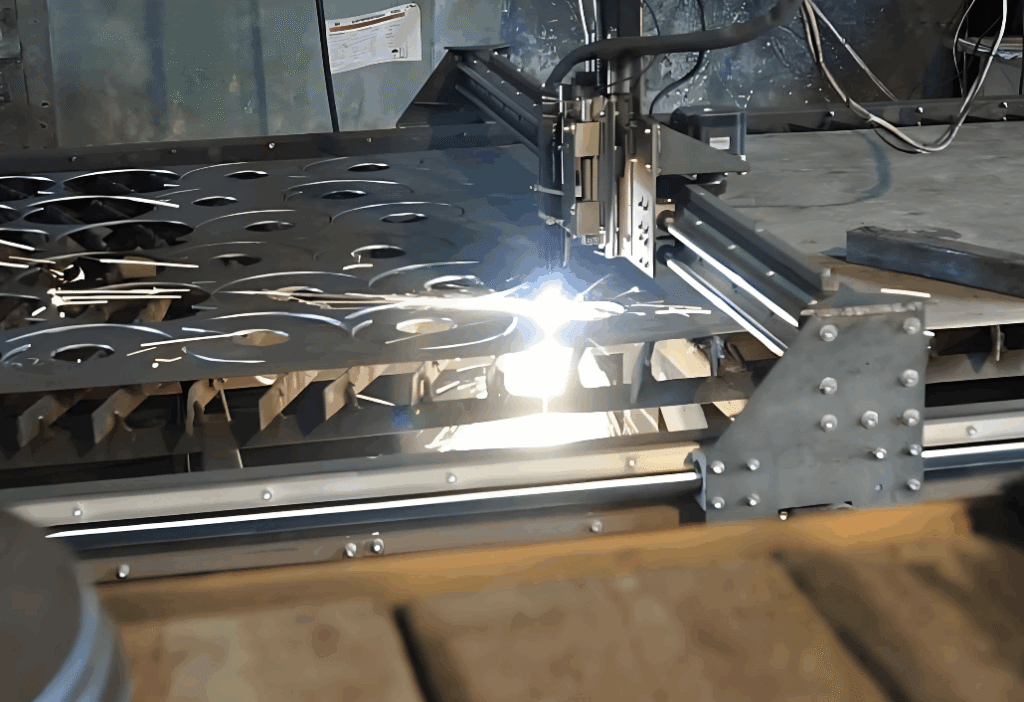
I. Core Specifications and Technical Parameters of 1/8-Inch Steel Plate
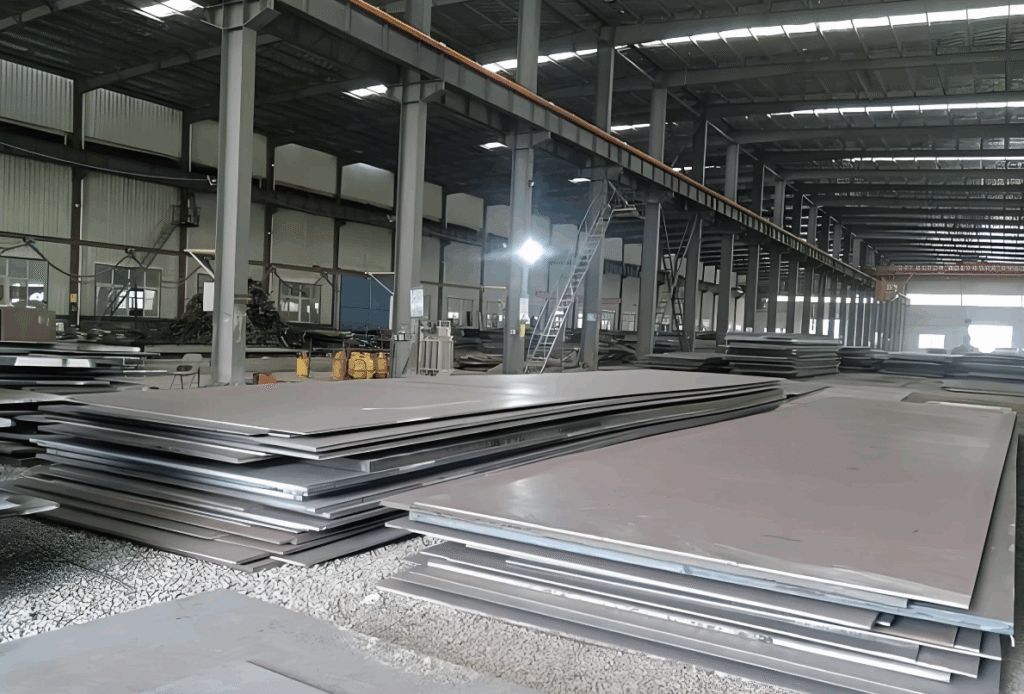
Specification parameters are the fundamental prerequisite for procurement. It is essential to accurately control core indicators such as thickness tolerance, dimensional specifications, and weight to avoid mismatches with application scenarios due to parameter deviations.
Detailed Basic Specifications:
In terms of thickness tolerance, the tolerance range of conventional 1/8-inch steel plates is ±0.015 inches, while precision ground steel plates can achieve ±0.001 inches, which are suitable for machining mechanical parts with high precision requirements. Common size combinations include 1/8″×4″×36″, 1/8″×12″×24″, and 4ft×8ft. Among them, the 4ft×8ft specification is the mainstream choice for construction and industrial procurement due to its strong versatility.
The weight calculation can refer to the formula: Weight (kg) = Thickness (mm) × Width (m) × Length (m) × 7.85 (steel density). Taking a 4ft×8ft (approximately 1.22m×2.44m) 1/8-inch steel plate as an example, the weight of a single plate is about 74.8kg.
Core Technical Characteristics:
1/8-inch steel plates have good weldability; most materials can be stably welded by conventional processes such as CO₂ gas shielded welding and manual arc welding. Surface treatment is divided into two types: hot rolling and cold rolling. Cold-rolled steel plates have higher surface finish and smaller tolerances, suitable for scenarios with high appearance requirements, while hot-rolled steel plates are more suitable for structural parts with low surface precision requirements. Corrosion resistance varies greatly depending on the material: stainless steel is superior to carbon steel, and 316L stainless steel containing molybdenum has the best performance in corrosive environments.
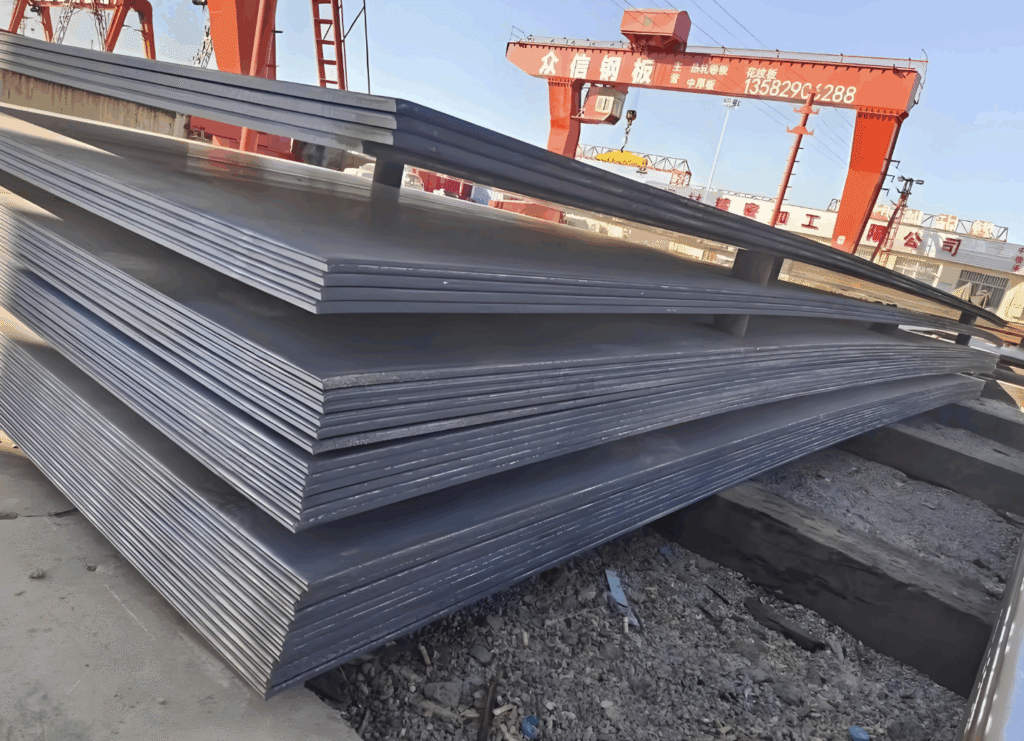
II. Price Trends of 1/8-Inch Steel Plate
In January 2026, the steel market showed a narrow oscillation pattern. The price of 1/8-inch steel plates is greatly affected by factors such as material, order quantity, and supplier type. The following are the latest market trends and cost control suggestions:
- Current Market Price Range: According to the monitoring data of the National Bureau of Statistics and the steel market in early January 2026, the prices of 1/8-inch steel plates of different materials are as follows: the retail price of A36 carbon steel is about CNY 3.8–4.5 per kg (small batch, 1–10 kg), and the wholesale price is about CNY 3,200–3,500 per ton (minimum order quantity ≥ 5 tons); the retail price of 304 stainless steel is about CNY 12–15 per kg, and the wholesale price is about CNY 11,500–12,500 per ton; the retail price of 316L stainless steel is about CNY 18–22 per kg, and the wholesale price is about CNY 17,000–18,500 per ton. Overall, prices have increased by 0.1–0.3% compared with late December 2025, among which the increase of hot-rolled coils is relatively obvious.
- Analysis of Price Influencing Factors: Material grade is the core influencing factor; the price of stainless steel is about 2–3 times that of carbon steel, and the price of 316L stainless steel containing molybdenum is higher than that of 304 stainless steel. In terms of order quantity, the unit price for bulk procurement can be reduced by 10–20%. For example, the unit price of A36 carbon steel with a minimum order of 5 tons is 8–10% lower than that with a minimum order of 1 ton.
- Purchasing Cost Control Tips: Determine the minimum order quantity reasonably, estimate the usage based on actual demand, and avoid over-purchasing that leads to capital occupation. Compare the total cost between factory direct supply and local suppliers; for international procurement, comprehensively consider transportation time and tariffs; for emergency procurement, give priority to local suppliers to reduce logistics costs. Avoid over-specification of materials; for example, A36 carbon steel is sufficient for conventional dry environments without the need to use 316L stainless steel.
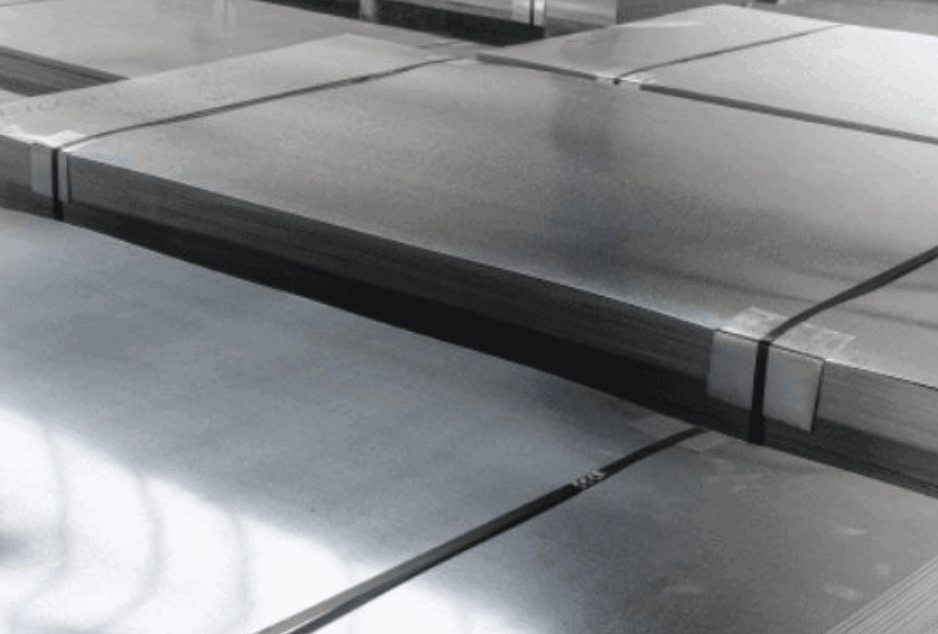
III. Material Selection Guide for 1/8-Inch Steel Plate
Material selection directly determines the service performance and service life of steel plates, which needs to be comprehensively judged based on application environment, stress requirements, and processing requirements. The following is a detailed comparison of mainstream materials and selection suggestions:
1、Classification and Characteristic Comparison of Mainstream Materials
| Material Type | Core Composition Requirements | Key Performance | Application Scenarios |
| A36 Carbon Steel | C ≤ 0.26%, Mn 0.60-0.90% | Yield Strength ≥ 250MPa, High Cost-Effectiveness, Good Weldability | General Building Structures, Mechanical Parts in Non-Corrosive Environments |
| 304 Stainless Steel | Cr 18-20%, Ni 8-10.5%, No Molybdenum | Good Corrosion Resistance, High Temperature Resistance Up to 816℃ | Conventional Humid Environments, Non-Strong Acid Food Processing Equipment |
| 316L Stainless Steel | Cr 16-18%, Ni 10-14%, Mo 2-3% | Strong Corrosion Resistance, Especially in Chloride-Containing Environments | Marine Environments, Acidic Food Processing, Chemical Equipment |
| 4140 Alloy Steel | Cr 0.80-1.10%, Mo 0.15-0.25% | High Strength, Wear Resistance, Fatigue Resistance | Load-Bearing Mechanical Parts, Core Components of Industrial Equipment |
2、Material Selection Principles: First, judge according to the application environment—304 or 316L stainless steel is preferred for humid and corrosive environments, and A36 carbon steel can be selected for ordinary dry environments to control costs. Second, consider the stress requirements—4140 alloy steel is selected for scenarios with heavy load-bearing. Finally, take processing requirements into account—high-carbon materials should be avoided for scenarios requiring frequent welding, and A36 carbon steel or 304 stainless steel is preferred.
3、Reminders of Selection Misunderstandings: Many purchasers only take price as the core selection criterion and ignore environmental adaptability. For example, using ordinary carbon steel in coastal environments leads to rust in a short period, increasing replacement costs. In addition, it should be noted that “304/316L ≠ food-grade”; steel plates used in food processing equipment need to be additionally confirmed to comply with the GB 4806.9-2023 standard to ensure that the heavy metal migration amount meets the standard.
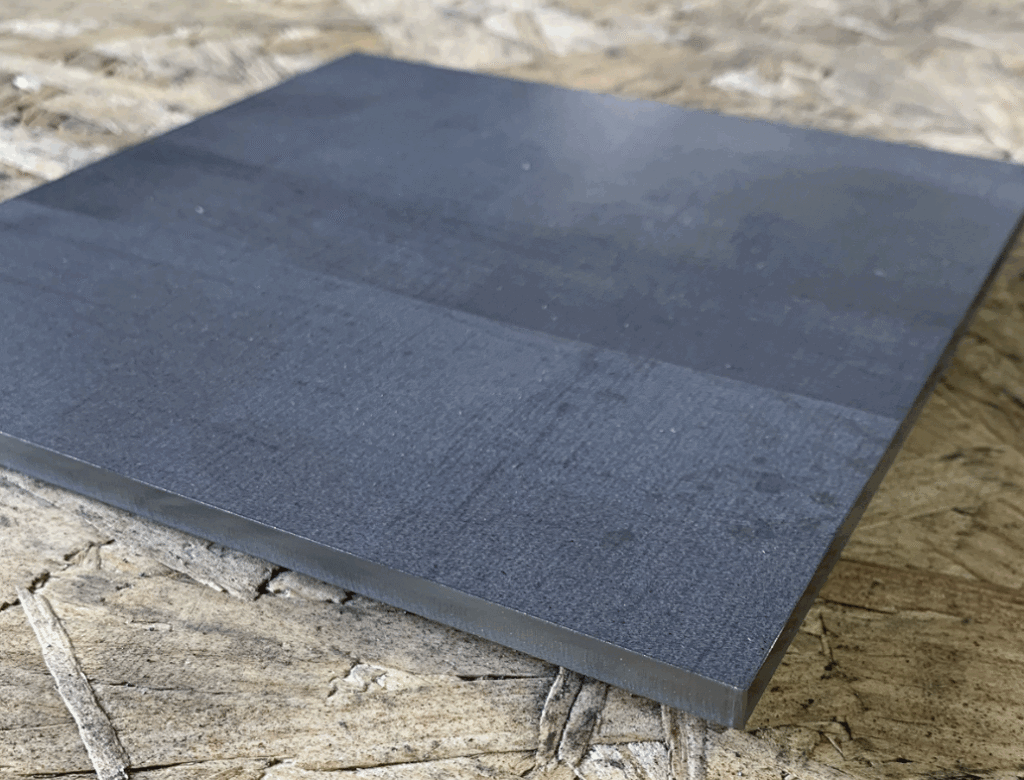
IV. Suggestions for Selecting Suppliers of 1/8-Inch Steel Plate
- Supplier Screening Criteria: In terms of qualification certification, priority should be given to suppliers with ASTM, EN, or GB standard certifications. For export procurement, it is necessary to confirm that the supplier has CE certification (for the EU market) or API certification (for the petroleum industry). Focus on welding quality, dimensional accuracy, and delivery timeliness in user reviews, which can be learned through platform reviews and industry reputation. After-sales service needs to confirm whether return and exchange services, processing support, and technical consultation are provided; for industrial procurement, it is recommended to choose suppliers that can provide customized specifications.
- Procurement Notes: Clarify specifications and material requirements before signing the contract, mark key parameters such as thickness tolerance, dimensions, and material standards to avoid ambiguity. Confirm the delivery cycle and transportation method; for emergency procurement, the delay compensation clause should be specified in the contract. Reserve time for quality inspection; after arrival, spot checks can be carried out on thickness, material composition, and mechanical properties to ensure compliance with procurement requirements.
V. Processing and Application Considerations for 1/8-Inch Steel Plate
Correct processing methods and use & maintenance can extend the service life of steel plates and reduce the risk of failure. The following are the key points of common processing technologies and use & maintenance specifications:
- Key Points of Common Processing Methods: In terms of welding, CO₂ gas shielded welding is preferred for 1/8-inch steel plates. Recommended welding parameters for A36 carbon steel: welding wire diameter 0.8mm, current 80–120A, arc voltage 18–22V, gas flow rate 15–20L/min. Before welding, it is necessary to clean the rust and oil stains on the base metal to avoid porosity. Laser cutting can achieve a precision of ±0.02mm, suitable for precision size processing; the cutting speed is recommended to be controlled at 3–5m/min to avoid burrs on the cut caused by excessive speed. During bending processing, the minimum bending radius is 1.5 times the thickness of the steel plate to avoid cracking of the plate due to excessive bending.
- Key Points of Use & Maintenance: 1/8-inch carbon steel plates need to be properly rust-proofed, which can be achieved by painting, galvanizing, etc. In humid environments, it is recommended to check the rust-proof layer every 6 months and touch up the paint in time if damage is found. Stainless steel materials should avoid contact with strong corrosive media (such as strong acids and alkalis); neutral detergents should be used for cleaning to avoid scratching the surface and affecting corrosion resistance. Steel plates used for structural support need to be regularly inspected for stress conditions, and replaced in time if deformation occurs.
VI. Conclusion
The core decision-making logic for 1/8-inch steel plate procurement is: first, clarify the specific specifications (distinguish between 1/8 inch and 1.8mm) and application scenarios; then, match the corresponding materials according to the environment and stress requirements; finally, lock in a cost-effective procurement plan by comparing the prices and services of different types of suppliers. If you need to purchase 1/8-inch steel plates, you can contact us at Tonghui.
VII. Frequently Asked Questions
Q: Can 1/8-inch steel plates be welded? Is there any difference in welding difficulty between different materials?
A: Most 1/8-inch steel plates of different materials can be welded. Among them, A36 carbon steel and 304 stainless steel are relatively easy to weld, suitable for novice operation; welding of O1 tool steel and 4140 alloy steel requires preheating treatment, which is slightly more difficult, and it is recommended to be operated by professional welders. For details, please refer to the welding process specifications of the corresponding materials.
Q: What is the minimum order quantity for purchasing 1/8-inch steel plates?
A: The minimum order quantity for retail procurement can be as low as 1kg, suitable for small-batch DIY needs; the conventional minimum order quantity for wholesale procurement is 5–10 tons, which varies among different suppliers. Some manufacturers can negotiate to reduce the minimum order quantity, but the unit price will increase accordingly.
Q: What is the specific price difference between 1/8-inch stainless steel plates and carbon steel plates?
A: Taking the market situation in January 2026 as an example, the retail price of 1/8-inch 304 stainless steel plates is about 3 times that of A36 carbon steel plates, and the wholesale price is about 2.5 times; the price of 316L stainless steel plates is about 4–5 times that of A36 carbon steel plates. The specific difference fluctuates with the market situation.
Reference Sources
- International Steel Standards
Standard names: ASTM A36, ASTM A681, ASTM A29
Scope of application: Performance parameters, selection criteria, and quality judgment standards for materials such as A36 carbon steel and 4140 alloy steel mentioned in the article - Domestic food safety standards
Standard name: GB 4806.9-2023 National Food Safety Standard Metal Materials and Articles for Food Contact
Scope of application: Selection requirements for 304/316L stainless steel used in food processing equipment in the article (meeting the standards for heavy metal migration and surface smoothness)




 English
  Spanish
  Afrikaans