
Ceramic plates and steel plates are two mainstream plate materials widely used in daily household tableware and tactical ballistic protection. Many buyers get confused when making purchases. For household use, which is safer, more user-friendly and more durable: ceramic dinner plates or stainless steel plates? For tactical protection, what are the gaps between ceramic ballistic plates and steel ballistic plates in protective performance, practical adaptability and cost-effectiveness?
Neither material is universally superior; their suitability depends entirely on usage scenarios. This article compares the core differences between ceramic plates and steel plates across two major applications from multiple dimensions, including real-world usability, professional performance parameters, durability, safety and cost efficiency.
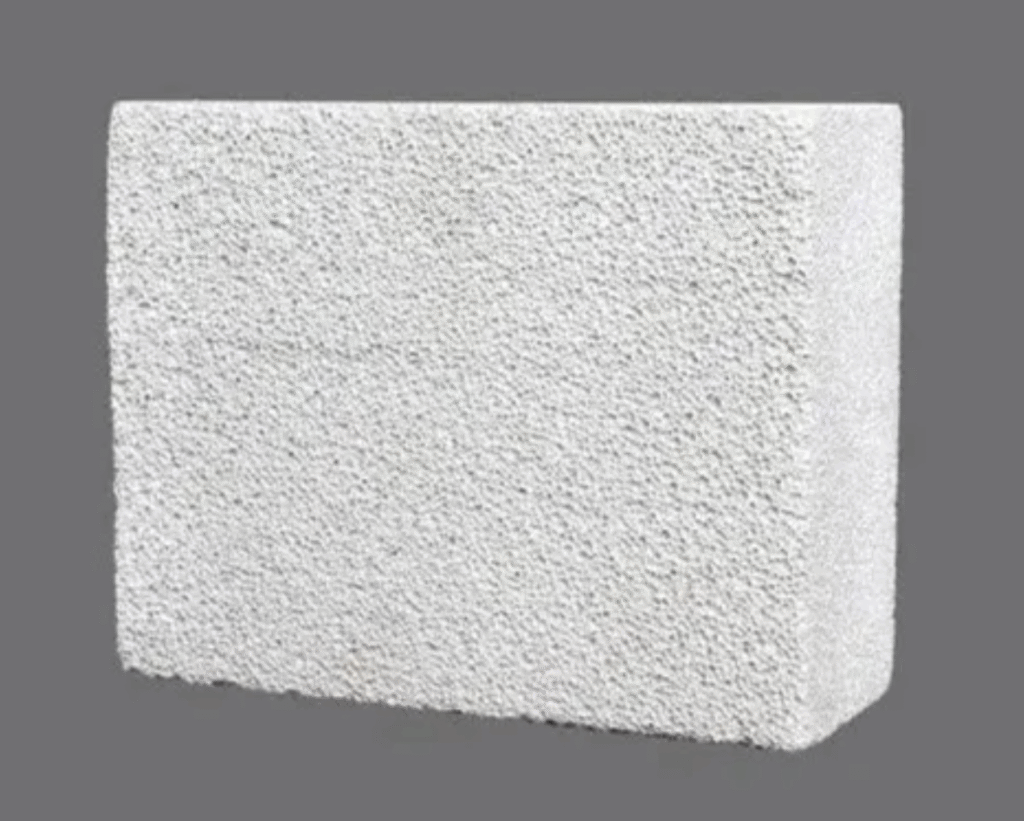
1. Classification of Plates for Two Core Application Scenarios
To avoid confusion during selection, we first define the two categories of plates covered in this guide, which satisfy the vast majority of users’ search and purchasing demands.
1.1 Household Use: Ceramic Dinner Plates vs Stainless Steel Dinner Plates
Household ceramic dinner plates are made of kaolin fired at high temperatures and coated with a glaze layer, making them the dominant tableware for homes and catering industries. Stainless steel dinner plates are primarily crafted from food-grade 304 and 316 stainless steel, featuring shatter resistance, long service life and easy cleaning. They are widely used for daily family meals, children’s dining and outdoor camping. Both materials are food-safe and fit regular catering scenarios.
1.2 Tactical Use: Ceramic Ballistic Plates vs Steel Ballistic Plates
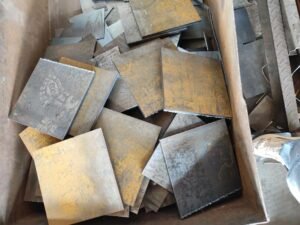
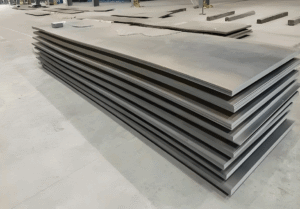
Tactical protective plates comply with the US NIJ 0101.06 ballistic standard and serve as core protective inserts for body armor. Ceramic ballistic plates are usually composed of alumina, silicon carbide or boron carbide ceramic combined with a polymer backing. They absorb bullet kinetic energy through fragmentation upon impact. Steel ballistic plates are manufactured from high-strength AR500 and AR550 ballistic steel, relying on material hardness and deformation buffering to stop projectiles. They are common equipment for military and police training as well as personal protection.
2. Comprehensive Parameter Comparison Table: Ceramic Plates vs Steel Plates
The table below integrates key parameters for both scenarios to intuitively display core differences between the two materials and facilitate quick comparison for buyers.
| Comparison Dimensions | Ceramic Plates (Tableware / Ballistic) | Steel Plates (Stainless Steel Tableware / Ballistic Steel) |
| Durability & Damage Resistance | Tableware: Scratch-resistant, stable texture but fragile. Ballistic plates: Excellent single-impact performance, prone to cracking after impact and incapable of secondary protection. | Tableware: Shock-resistant, bump-proof and deformation-resistant. Ballistic plates: Wear-resistant and compression-resistant, capable of withstanding multiple spaced impacts with superior daily durability. |
| Weight & Portability | Tableware: Moderate weight with comfortable grip. Ballistic plates: Significant lightweight advantage, weighing only 4-7 pounds per piece for high wearing mobility. | Tableware: Lightweight and easy to carry. Ballistic plates: Bulky weight of 6-10 pounds per piece, causing fatigue and limiting mobility after long-term wear. |
| Safety Performance | Tableware: Non-toxic and flavor-neutral for food. Ballistic plates: Minimal backface deformation, low risk of blunt trauma and no spallage hazards. | Tableware: Food-grade, non-toxic and high-temperature resistant. Ballistic plates: Risk of metal fragment spallage; blunt trauma values approach the NIJ standard limit and require professional anti-spall coating. |
| Core Performance | Tableware: Excellent heat retention and premium presentation. Ballistic plates: Ultra-high hardness that effectively resists armor-piercing rounds for high-level threat protection. | Tableware: High-temperature resistant, easy to clean and outdoor-friendly. Ballistic plates: Stable defense against conventional ammunition, ideal for daily training and basic protection. |
| Maintenance Difficulty | Tableware: Easy to clean with smooth glaze but vulnerable to drops and bumps. Ballistic plates: Sensitive to impact and extrusion, requiring careful storage and transportation. | Tableware: Rugged, washable and bump-resistant with nearly zero maintenance. Ballistic plates: Require regular coating inspection to prevent rust and coating peeling. |
| Cost Performance | Moderate price for daily tableware; high-end ballistic ceramic plates come with high procurement and single-use costs. | High cost performance for household tableware; ballistic steel plates are affordably priced with a long service life and superior long-term value. |
| Best Application Scenarios | Family daily meals, formal banquet plating, high-level tactical protection, long-duration tactical missions | Children’s dining, outdoor camping, daily portable use, tactical training, basic protection, budget-oriented selection |
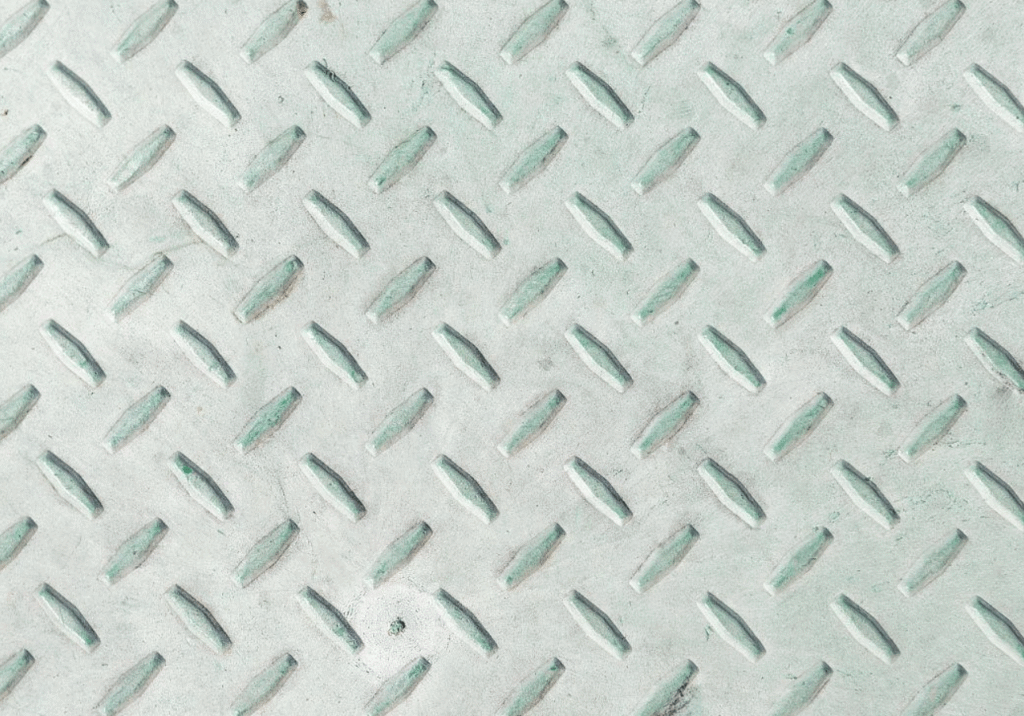
3. In-Depth Comparison for Household Use: Ceramic Dinner Plates vs Stainless Steel Dinner Plates
3.1 Appearance and Food Presentation
Boasting smooth, delicate glaze, soft texture and diverse color designs, ceramic dinner plates deliver strong decorative effects. They fully highlight the color and texture of ingredients, suiting formal occasions such as family dinners, holiday feasts and business banquets as premium tableware options. Chemically stable, they resist yellowing and discoloration even after long-term use and maintain consistent visual quality.
Stainless steel dinner plates feature a minimalist, rigid design with limited style diversity, resulting in weaker presentation effects that make them unsuitable for formal dining. Nevertheless, their neat, smooth edges work well for casual, practical scenarios including outdoor camping, picnics and children’s daily meals, matching all types of casual environments.
3.2 Food Safety and Impact on Food Flavor
Qualified high-fired ceramic plates feature dense, non-porous glaze with high chemical inertness. They do not react with acidic or alkaline ingredients, making them safe for serving hot dishes, soups and acidic fruits without altering the natural flavor of food, earning them recognition as healthy tableware materials.
Food-grade 304 and 316 stainless steel plates also offer excellent safety performance. They withstand high temperatures and corrosion without releasing harmful substances, compatible with high-temperature cooking and microwave heating (select models only). However, stainless steel carries a subtle metallic taste that a small number of users can detect when serving light dishes, desserts and hot soups, slightly compromising the dining experience.
3.3 Durability and Drop Resistance
The primary drawback of ceramic dinner plates is brittleness and poor impact resistance. Minor drops or bumps may cause cracks, chips or complete shattering, requiring careful handling. They are not ideal for independent use by children or the elderly, nor for bumpy outdoor activities. Low-quality ceramic plates with worn glaze tend to trap stains and breed bacteria.
Stainless steel dinner plates excel in durability with outstanding resistance to drops, bumps and deformation. They remain intact after sliding off countertops, outdoor collisions or stacked storage, boasting an almost unlimited service life. Their smooth, non-porous surface repels residue, simplifies cleaning and inhibits bacterial growth, offering a high fault tolerance rate.
3.4 Heat Retention and User Experience
Ceramic conducts heat slowly and retains thermal energy effectively. It maintains the temperature of hot meals and soups for extended periods to elevate dining comfort. With smooth, rounded edges and a gentle weight, it delivers a pleasant grip ideal for daily adult use.
Stainless steel transfers heat rapidly; hot food quickly raises the temperature of plate surfaces and rims, posing a scald risk that requires insulated handles on most models. It retains heat poorly, cooling hot meals fast, which is suitable for dishes that need to cool down quickly, though its overall comfort lags behind ceramic plates.
3.5 Price and Maintenance Costs
Standard household ceramic dinner plates are affordably priced with balanced cost performance, while hand-painted and bone china premium versions command higher prices. Maintenance only requires avoiding drops and harsh impacts alongside routine washing with water and dish soap; however, damaged ceramic plates cannot be repaired and must be replaced.
Stainless steel dinner plates carry lower overall prices and minimal bulk purchasing costs, ideal for household stock and outdoor activities. Maintenance is nearly cost-free, with strong resistance to washing, abrasion and aging. Users only need to avoid prolonged contact with highly salty or acidic food to prevent minor corrosion, eliminating frequent replacement needs over long-term use.

4. In-Depth Comparison for Tactical Use: Ceramic Ballistic Plates vs Steel Ballistic Plates
4.1 Protective Performance and NIJ Protection Levels
Both plate types can reach the highest Level IV protection standard under NIJ 0101.06 and block standard rifle rounds, yet they differ greatly in protective mechanisms and high-threat performance. Ceramic ballistic plates rely on hard brittle fragmentation to absorb energy. Ultra-hard silicon carbide and alumina instantly shatter armor-piercing bullet tips to dissipate kinetic energy rapidly, delivering superior defense against high-power ammunition such as .30-06 AP armor-piercing rounds. Their backface deformation depth averages only 15 mm, far below the NIJ 44 mm maximum limit, drastically reducing blunt trauma risks from bullet impacts.
Steel ballistic plates stop projectiles through high-alloy hardness and deformation buffering, reliably blocking standard handgun and rifle rounds but underperforming against advanced armor-piercing ammunition. Test data shows steel plates reach nearly 40 mm backface deformation upon impact, approaching the NIJ critical threshold and raising risks of rib bruising and internal organ damage during heavy impacts, limiting them to scenarios with non-armor-piercing ammunition threats.
4.2 Weight and Mobility While Worn
Light weight constitutes the core advantage of ceramic ballistic plates. A standard single ceramic plate weighs merely 4–7 pounds. Its lightweight construction cuts down load burden, preserving full limb mobility for military and police personnel during long shifts, cross-country marches and tactical sprints. Wear fatigue stays low, suiting extended field missions.
Steel ballistic plates suffer a clear weight disadvantage, with standard single units weighing 6–10 pounds. Full sets create substantial extra load. While static protection sees minimal impact, prolonged movement, tactical marches and rapid response operations face restricted limb range, increased physical exertion and drastically reduced tactical mobility.
4.3 Spall Resistance and Impact Energy Absorption
Ceramic ballistic plates deliver superior energy absorption. Upon bullet impact, uniform plate fragmentation evenly disperses kinetic energy without risks of flying metal shrapnel, boosting overall protective safety. Though impact points lose protective capability after damage, intact surrounding areas remain fully functional, ensuring stable single-shot protection.
High-velocity bullet impacts on steel ballistic plates generate large volumes of flying metal fragments and debris. Plates without professional anti-spall coatings expose the wearer’s face, neck and torso to secondary injuries. Their weaker shock buffering transmits more direct kinetic force, resulting in greater impact pain and trauma risks compared to ceramic alternatives.
4.4 Durability and Multi-Hit Resistance
Ceramic ballistic plates only protect individual impact points once. Fragmentation after a single hit permanently disables that zone; subsequent rounds striking damaged areas fail to stop penetration. Their brittle structure is vulnerable to invisible internal cracking from daily bumps, squeezing or drops during storage, transport and wear, impairing protective integrity and lowering overall durability.
Steel ballistic plates feature exceptional ruggedness free from brittle cracking, tolerating bumps, compression and abrasion with high fault tolerance during training, transport and storage. They offer reliable multi-hit resistance: multiple bullets striking separate zones only leave superficial indentations without compromising structural integrity, supporting a far longer service life than ceramic ballistic plates.
4.5 Costs and Service Lifespan
Complex manufacturing processes and high raw material costs push up market prices for ceramic ballistic plates, which count as consumables requiring full replacement after a single impact and raising long-term usage expenses. Sealed, undamaged ceramic plates have a storage lifespan of 5–8 years but demand strict maintenance to avoid collisions and humid environments.
Steel ballistic plates stand out for cost efficiency with low upfront purchase prices and infrequent replacement requirements. They remain usable for over 10 years as long as no severe deformation, large-scale coating peeling or rust penetration occurs. Though users must inspect coatings and rust regularly, total maintenance expenses stay minimal, making them perfect for high-frequency daily training.

5. Advantages and Disadvantages of the Two Plate Materials
5.1 Ceramic Plates (Tableware & Ballistic Armor)
Core Advantages: For household use, premium texture, zero interference with food flavor, strong heat retention and full food safety. For tactical use, light weight, superior mobility, top-tier high-threat ballistic protection, low blunt trauma risk and no secondary shrapnel injuries, catering to premium protection requirements.
Core Drawbacks: Overall brittleness and poor impact resistance leading to easy breakage. Ballistic ceramic plates only withstand single-point impacts, with low durability, strict maintenance demands and high procurement and replacement costs alongside low fault tolerance.
5.2 Steel Plates (Stainless Steel Tableware & Ballistic Steel)
Core Advantages: Extreme durability, drop and bump resistance, abrasion resistance and extended service life; low pricing, outstanding cost efficiency and minimal maintenance. Tactical steel plates support multi-shot resistance with high fault tolerance for high-frequency usage scenarios.
Core Drawbacks: Household stainless steel plates lack premium texture, conduct heat rapidly to cause scald risks and may slightly alter food taste. Tactical steel plates carry excess weight limiting mobility, create shrapnel hazards, increase blunt trauma risk and offer weaker defense against armor-piercing ammunition.

6. Scenario-Based Selection Guide
6.1 Scenarios Where Ceramic Plates Are Preferred
- Formal home dinners, family gatherings, holiday feasts and business banquets prioritizing elegant dining presentation and texture
- Long-term daily household dining with a focus on food health and preserving natural food flavors
- Professional tactical patrols, extended outdoor protection and high-threat environments requiring lightweight, Level IV ballistic defense
- Protective missions demanding maximum wearer mobility, comfort and elimination of secondary shrapnel injuries
6.2 Scenarios Where Steel Plates Are Preferred
- Daily meals for children and the elderly, outdoor camping, picnics and portable trips requiring shatter-resistant durability
- High-frequency household use prioritizing budget savings and reduced tableware replacement costs
- Daily tactical training, basic threat protection and buyers with limited budgets
- Equipment subject to frequent transport and storage without access to careful maintenance, demanding high durability and fault tolerance
7. Frequently Asked Questions
7.1 Are stainless steel dinner plates safe for daily use?
Certified food-grade 304 and 316 stainless steel plates are completely safe. They resist high temperatures and corrosion without releasing heavy metal toxins, complying with national standards for food-contact materials. Users only need to avoid low-quality 201 stainless steel products and refrain from long-term storage of highly salty, acidic or hot pickled food to ensure safe daily use.
7.2 Which delivers stronger protection: ceramic ballistic plates or steel ballistic plates?
Both materials provide equivalent defense against standard handgun and non-armor-piercing rifle rounds. Against high-threat ammunition such as .30-06 AP armor-piercing rounds, ceramic ballistic plates deliver vastly superior protective strength and stability with lower trauma risks, making them the primary choice for high-risk environments. Steel ballistic plates are only suitable for basic protection against conventional threats.
7.3 Do ceramic ballistic plates break easily?
Yes. Ceramic ballistic plates feature a brittle composition. Minor bumps, compression or drops may trigger invisible internal cracks that compromise protective performance. Furthermore, any impact point sustains permanent damage after a single hit and loses ballistic capability, requiring careful storage and gentle handling.
7.4 Will long-term use of stainless steel tableware harm human health?
Standard food-grade stainless steel maintains stable chemical properties and poses no health risks under regular use. Claims of heavy metal leaching and poisoning only apply to uncertified low-grade stainless steel products or extreme misuse such as prolonged exposure to high heat and corrosive food. No health concerns arise with compliant, proper daily use.
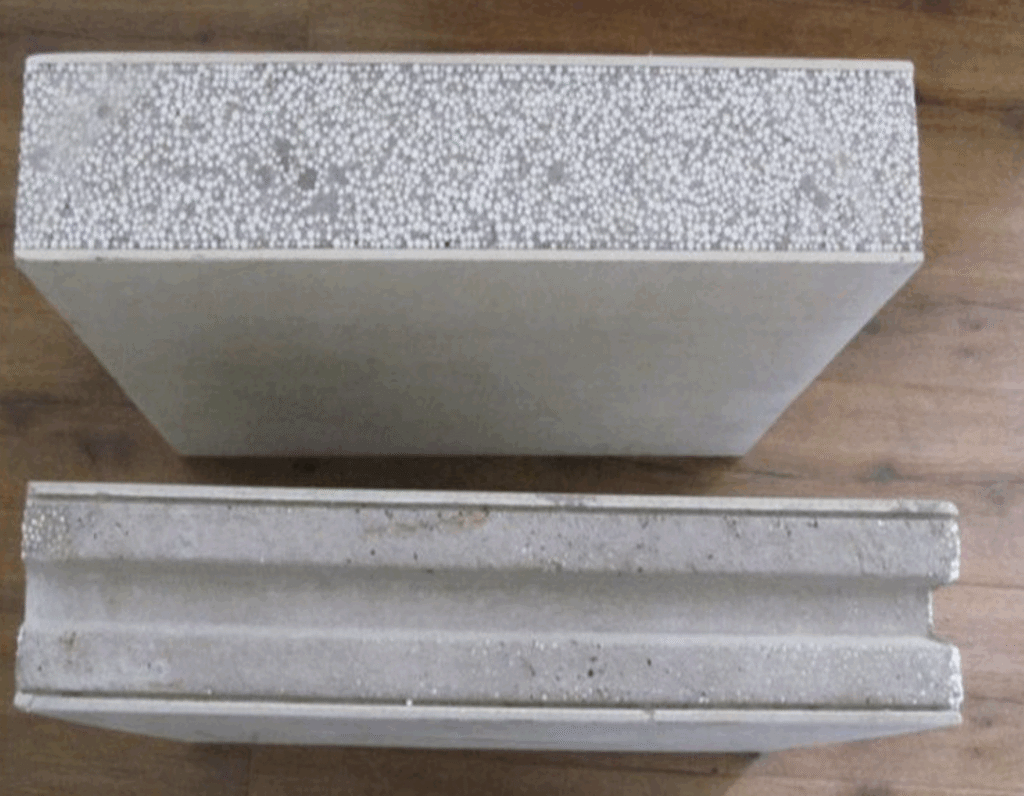
Conclusion
Ultimately, plate selection hinges on matching material performance to application scenarios; neither ceramic nor steel plates hold universal superiority. For tableware, ceramic plates suit buyers prioritizing elegant presentation, health and dining comfort, while stainless steel plates fit those seeking durability, portability and value for money. For ballistic protection, ceramic plates serve high-risk field operations, long-duration mobility missions and advanced threat defense, whereas steel plates are ideal for routine training, basic protection, budget-focused purchases and heavy-use equipment requiring ruggedness.
Buyers can select plates aligned with their exact scenarios, core priorities and budget ranges to mitigate each material’s weaknesses while maximizing its strengths, striking a balance between cost efficiency and practical functionality.
Reference Materials
- US NIJ 0101.06 Ballistic Standard for Body Armor (Level III / Level IV Protection Specifications)
- AR500 Armor, Steel vs Ceramic Body Armor Professional Test Report, 2026
- Everyday Armor, Level 4 Ceramic vs Steel Plates Comprehensive Comparison, 2026




 English
  Spanish
  Afrikaans