
Also known as anti-slip plate, diamond plate and lentil pattern plate, steel tread plate is widely referred to as Checker Plate or Diamond Plate in overseas markets. As a high-performance anti-slip load-bearing steel material, it is extensively used in construction, industrial facilities and transportation sectors, commonly applied on walkways, stair treads, working platforms, vehicle floors and more.
In accordance with prevailing industrial standards, this article comprehensively introduces the categories, performance, application scenarios, selection criteria and maintenance tips of steel tread plates, delivering a complete reference for material selection and procurement in various projects.
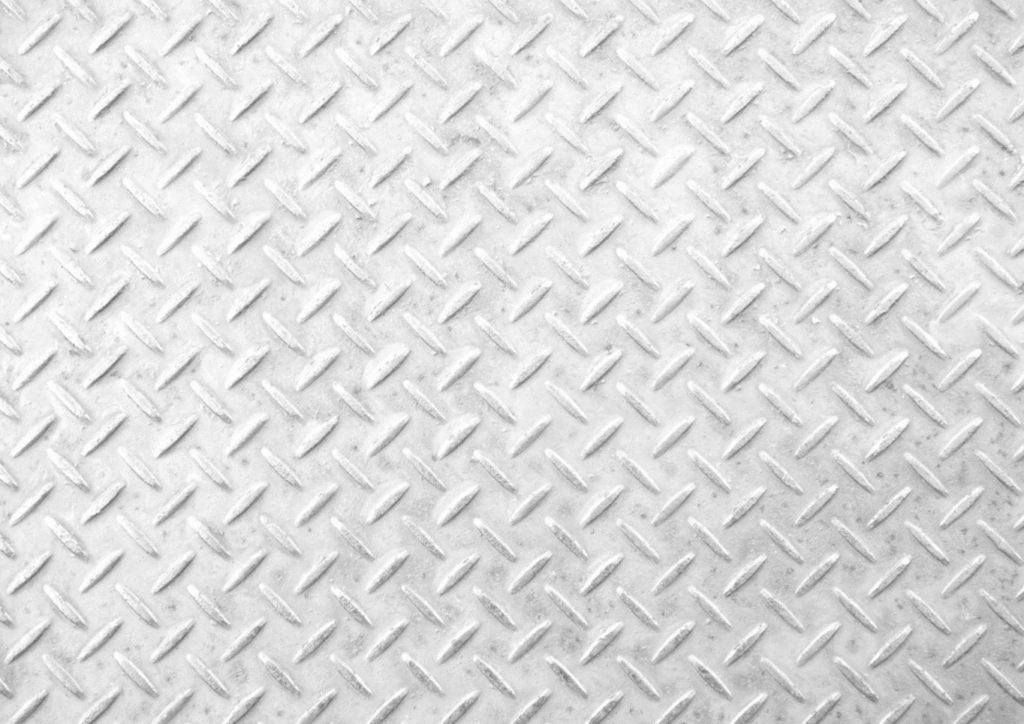
1. Definition and Core Performance Parameters of Steel Tread Plate
Steel tread plate is a special steel plate manufactured by rolling raised patterns on the surface of carbon structural steel or alloy steel. The raised patterns are designed to deliver anti-slip performance, with diamond pattern, lentil pattern and round bean pattern being the mainstream types.
It features four key physical properties. First of all, it provides reliable anti-slip performance. The uneven surface greatly reduces slipping risks for personnel and materials under both dry and wet conditions. Secondly, it boasts excellent load-bearing capacity. The steel substrate features superior mechanical properties to withstand heavy loads, impacts and long-term static pressure. Thirdly, it maintains high structural stability and resists deformation and bending, making it suitable for outdoor and high-frequency use. In addition, it is easy to process, allowing cutting, welding and bending for convenient installation and on-site modification.
Thickness and dimension are the two major indicators for standard specifications. Conventional thickness ranges from 2.0mm to 12.0mm, among which 3.0mm, 4.5mm and 6.0mm are the most widely used for engineering projects. The standard length of finished plates is generally 6000mm, and common widths include 1260mm, 1500mm and 1800mm. Custom non-standard sizes are also available upon request.
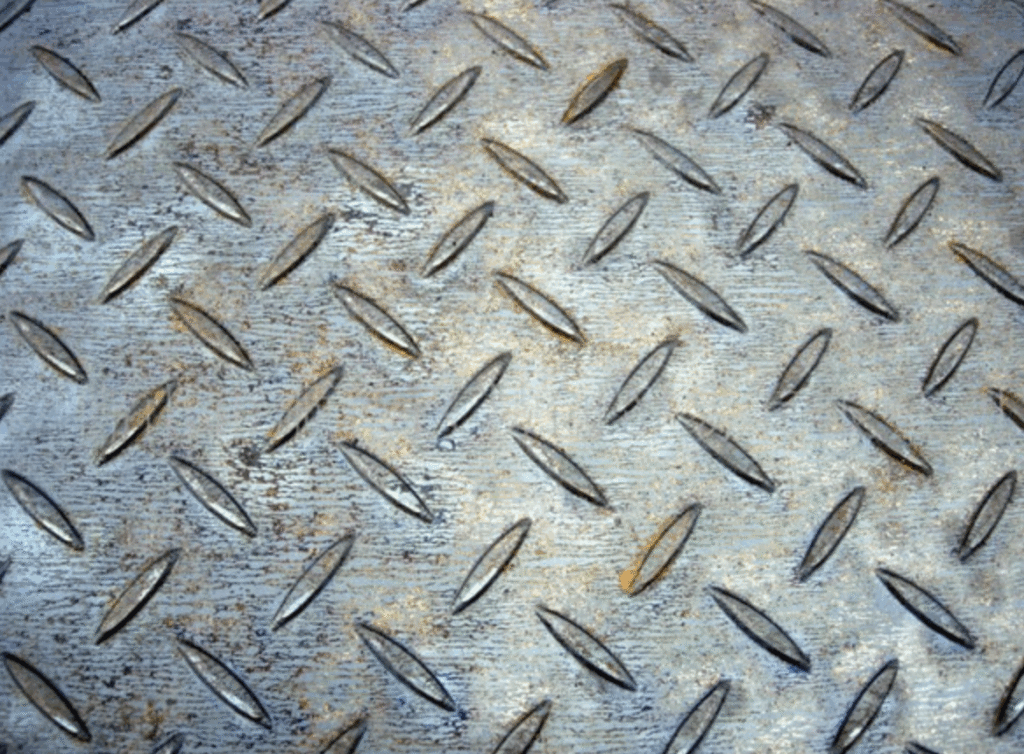
2. Classification and Features of Steel Tread Plate
Classified by base material, mainstream products fall into three categories: mild steel tread plate, galvanized steel tread plate and stainless steel tread plate. They differ greatly in corrosion resistance, cost and applicable environments.
2.1 Mild Steel Tread Plate
Made of low-carbon steel, it is the most cost-effective option. It offers excellent weldability and stable mechanical strength with low procurement cost, which makes it the top choice for indoor industrial applications. However, it has no inherent rust resistance and tends to corrode rapidly in humid, outdoor or corrosive environments. It is mainly used for dry indoor workshops, enclosed factory platforms and indoor stair treads.
2.2 Galvanized Steel Tread Plate
This product is produced by applying hot-dip galvanizing or electro-galvanizing treatment on mild steel tread plates. A dense protective layer is formed on the steel surface to isolate moisture and air, greatly enhancing rust resistance. Balancing high strength and weather resistance at a moderate price, it is widely adopted for outdoor walkways, exposed equipment platforms, exterior stair treads of factories and semi-open warehouses. It is the most popular type for outdoor engineering projects.
2.3 Stainless Steel Tread Plate
304 and 316 stainless steel are the predominant grades. They deliver outstanding resistance against corrosion, acid, alkali and high temperature, and can serve stably for a long time in high-humidity, highly corrosive and marine salt spray environments. Featuring a neat surface and low maintenance requirements, stainless steel tread plates come with a much higher price tag compared with carbon and galvanized steel versions. They are primarily used in chemical workshops, food processing plants, ship decks, coastal dock platforms and sewage treatment facilities where strict anti-corrosion performance is required.
Besides material, pattern design also affects practical performance. Diamond pattern offers uniform anti-slip effect and universal applicability. Lentil pattern has higher raised grains for better anti-slip performance under heavy loads, ideal for heavy-duty vehicles and large equipment platforms.

3. Application Scenarios of Steel Tread Plate
Combining superior anti-slip performance and load-bearing capacity, steel tread plates are applied across four major fields: construction, industrial manufacturing, transportation and marine engineering.
3.1 Construction Industry
It is used for building stair treads, stair nosings, indoor and outdoor ramps, roof access walkways and exterior connecting corridors of buildings, serving as a standard material for civil and industrial building accessories.
3.2 Industrial Plants
Common applications include factory floors, elevated working platforms, equipment access walkways, loading docks and factory trench covers, perfectly adapting to round-the-clock heavy-duty operation in industrial sites.
3.3 Transportation Industry
The plates are installed on truck beds, construction vehicle foot pedals, railway platform walkways and footrests of engineering machinery. Their high strength enables them to withstand vehicle vibration and friction from cargo.
3.4 Marine and Outdoor Facilities
Typical uses cover ship decks, cabin walkways, coastal dock platforms and outdoor pipeline access passages. Galvanized or stainless steel tread plates are generally selected for these scenarios to resist erosion from salt spray and rainwater.
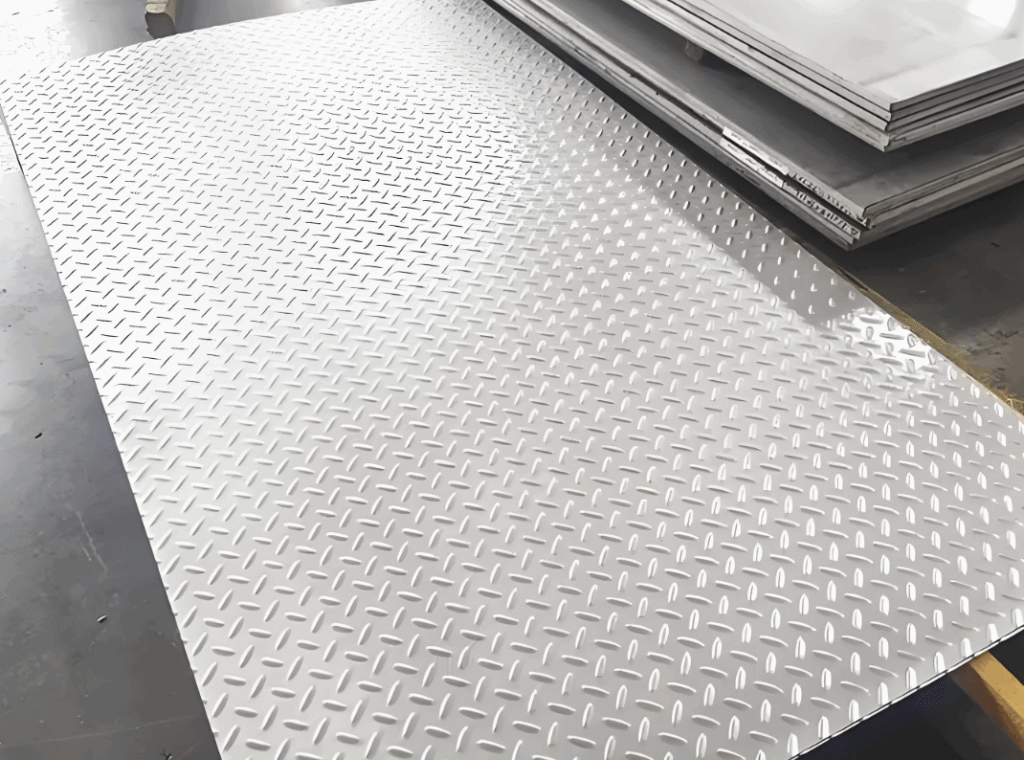
4. Selection Guide for Steel Tread Plate
Three core factors — service environment, load requirement and budget — should be taken into account to select the proper steel tread plate, which is also the key principle for engineering procurement.
4.1 Selection by Thickness
Plate thickness directly determines load-bearing capacity. Recommendations for different scenarios are as follows:
- 2.0mm to 3.0mm plates: Ideal for light-duty pedestrian walkways and indoor stair treads to bear regular pedestrian loads.
- 4.0mm to 6.0mm plates: The mainstream choice for ordinary workshop platforms and outdoor pedestrian walkways, striking a balance between structural strength and cost.
- Plates of 8.0mm and above: Suitable for heavy-load platforms, truck beds and large equipment walkways to resist compression and impact from heavy objects.
4.2 Selection by Service Environment
- Dry indoor environments: Prioritize mild steel tread plates to cut procurement costs.
- Open-air, rainy and semi-humid environments: Hot-dip galvanized steel tread plates are recommended for long-term rust prevention.
- Chemical, marine and acid-alkali corrosive environments: 304 or 316 stainless steel tread plates are mandatory to prevent corrosion damage.
4.3 Selection by Anti-slip Requirements
Standard diamond pattern is sufficient for regular pedestrian areas. Lentil pattern is preferred for heavy-duty industrial sites with excessive oil stains to boost anti-slip performance.

5. Advantages and Disadvantages of Steel Tread Plate
5.1 Main Advantages
- Stable anti-slip performance effectively eliminates slipping hazards for personnel and materials.
- High structural strength provides excellent resistance against impact and compression for extended service life.
- Great processability supports mature cutting, welding and assembly processes to improve construction efficiency.
- Diverse product categories cater to projects with different budget ranges.
5.2 Main Disadvantages
- Mild steel is prone to rust and requires regular anti-corrosion treatment in humid conditions.
- The relatively heavy weight limits its application in projects with lightweight requirements.
- Stainless steel tread plates have a high unit price, which increases overall project investment.
6. Daily Use and Maintenance Tips
Proper maintenance can effectively prolong the service life of steel tread plates, and maintenance methods vary by material.
- Mild steel tread plate: Keep the area dry, and regularly remove dust and standing water on the surface. Apply anti-rust paint periodically to slow down corrosion during long-term service.
- Galvanized steel tread plate: Clean the surface with clean water or neutral detergent only. Strong acid or alkaline cleaners must be avoided to prevent damage to the galvanized layer. Apply supplementary anti-corrosion paint timely if local galvanized coating peels off.
- Stainless steel tread plate: Featuring excellent stain and corrosion resistance, it only needs regular removal of oil stains and debris, with no frequent anti-corrosion treatment required.
For all types of steel tread plates, accumulated sediment and oil stains on the surface should be cleared in a timely manner, as these substances will reduce anti-slip effect and accelerate plate wear.
7. Frequently Asked Questions
7.1 Are steel tread plate, anti-slip plate and diamond plate the same product?
Yes. Steel tread plate, Checker Plate and Diamond Plate refer to the same product. These are different common names used domestically and overseas, and all are widely accepted in the industry.
7.2 Is galvanized steel tread plate a must for outdoor use?
Galvanized steel tread plate is highly recommended for regular outdoor scenarios, as it delivers far better rust resistance than ordinary mild steel plate. For coastal areas or sites exposed to chemical corrosion, stainless steel tread plate is a better upgrade option.
7.3 What is the maximum load capacity of steel tread plate?
The load capacity depends mainly on plate thickness and laying span. A standard 6mm steel tread plate can bear pedestrians and light tools under standard laying spans. Plates of 8.0mm and above are applicable for heavy loads such as forklifts and light vehicles. Specific load parameters shall be calculated in accordance with national standards.
7.4 What is the service life of galvanized steel tread plate?
High-quality hot-dip galvanized steel tread plates can last 8 to 15 years in normal outdoor environments. The service life will be shortened in rainy areas or regions with dense salt spray.
Conclusion
As a mature anti-slip load-bearing steel material for industrial use, steel tread plate features clear classification and extensive application coverage. When purchasing and selecting products, define the service environment, load demand and project budget first, then confirm the material, thickness and pattern. In this way, you can pick out well-matched and cost-effective products. Whether for building construction, factory renovation, transportation or marine supporting projects, qualified steel tread plates serve as fundamental materials to ensure on-site safety and improve engineering quality. We can customize non-standard sizes and support bulk procurement. Feel free to contact us with your project parameters for tailored solutions.
For procurement inquiries, please contact Tonghui!
List of Reference Standards
- GB/T 3277-2015 Steel Tread Plates: The core national standard for domestic steel tread plates, specifying dimensions, shape, weight, allowable deviation, pattern types, thickness and mechanical properties.
- GB/T 13912-2020 Metallic coatings – Hot-dip galvanized coatings on fabricated iron and steel articles – Specifications and test methods: The executive standard for galvanized coatings of galvanized steel tread plates.
- GB/T 24511-2017 Stainless steel sheets and plates for pressure equipment: Reference standard for material and performance of stainless steel tread plates.




 English
  Spanish
  Afrikaans