
Many people mistakenly believe zinc plated steel can completely avoid rust thanks to its anti-corrosion coating. In real-world engineering projects, outdoor equipment construction and daily hardware applications, zinc plated steel is not permanently rust-proof. Rust will still form under specific environmental conditions, once the coating is damaged or after long-term service. This article comprehensively analyzes the rust and anti-corrosion properties of zinc plated steel, covering its root causes of rusting, corrosion protection mechanisms, environmental performance differences, process comparisons, and maintenance practices.
1. Will Zinc Plated Steel Rust?
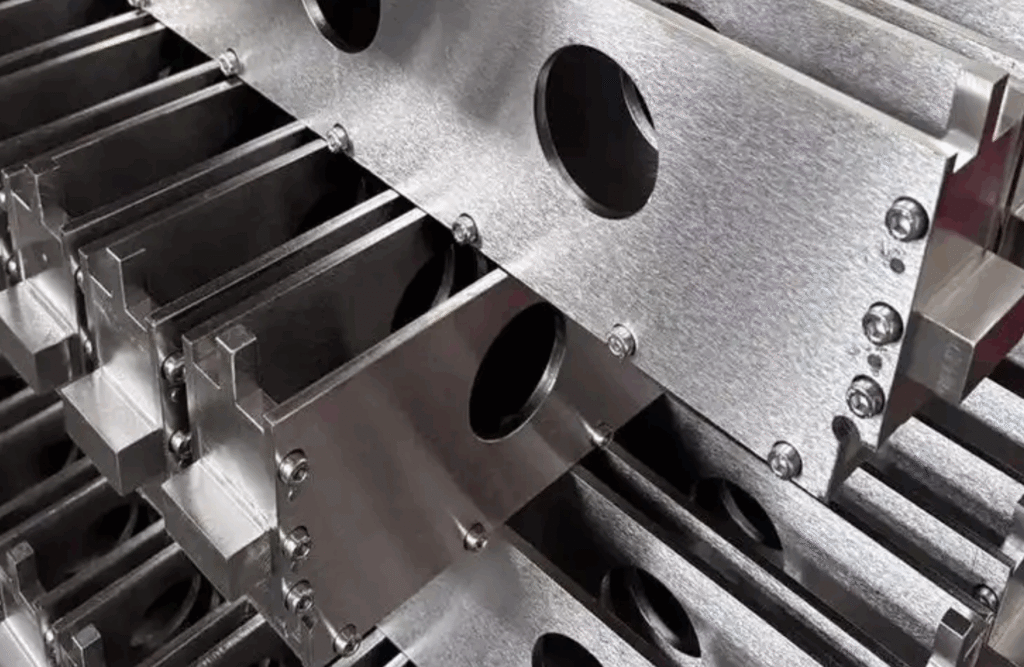
The definitive answer is yes—no zinc plated steel can resist rust indefinitely. The core advantage of zinc plating is to delay rust formation for a long time, rather than eliminate rust entirely. Its anti-corrosion performance only lasts while the zinc coating remains intact.
In mild indoor environments with low humidity and no corrosive contaminants, zinc plated steel can stay rust-free for years or even decades. However, when exposed to outdoor rain, coastal salt spray, industrial acid and alkali pollutants, the zinc coating will gradually wear down and crack, eventually losing its protective effect and allowing rust to form on the underlying steel substrate. The widespread misconception that “zinc plated steel never rusts” leads to frequent material selection errors in engineering design.
2. Dual Anti-Rust Mechanisms of Zinc Plated Steel
Zinc plated steel outperforms bare carbon steel in corrosion resistance due to two complementary protective mechanisms of the zinc coating, which follow universal industry principles of metal corrosion and protection.
2.1 Barrier Protection
The zinc coating forms a dense metallic film fully covering the steel substrate, physically isolating oxygen, moisture and air contaminants from direct contact with the base metal. When exposed to natural air, the zinc surface slowly generates a compact basic zinc carbonate passivation film that seals tiny surface pores, further blocking oxidation reactions that cause rust.
2.2 Sacrificial Anode Protection (Core Anti-Corrosion Mechanism)
Electrochemically, zinc has a standard electrode potential of -0.76 V, while iron measures -0.44 V. Zinc is far more chemically active than iron. If scratches, abrasion or cracks break the zinc coating and expose the steel base, moisture creates a micro-galvanic cell. The zinc layer corrodes first as a sacrificial anode, providing cathodic protection to the steel and preventing rust on the substrate.
This sacrificial protection explains why minor coating damage does not trigger immediate steel rust. However, the protective effect fades progressively as the zinc metal continues to corrode until the coating is fully consumed.
3. Main Scenarios & Root Causes of Zinc Plated Steel Rust
Rust on zinc plated steel always occurs when the zinc coating’s protective capacity fails, mainly under three common conditions often overlooked during application.
3.1 Thin or Damaged Zinc Coating
Low-cost zinc plated products often suffer from substandard thin coatings, uneven plating or missing plating areas, resulting in insufficient anti-corrosion performance straight from manufacturing. Scratches, bumps and abrasion during transportation, installation and operation also break the zinc layer, exposing local steel surfaces and generating rust spots quickly.
3.2 Harsh Corrosive Environments Accelerate Zinc Coating Degradation
Dry indoor settings barely wear down zinc coatings, while corrosive environments drastically speed up coating failure. Constant rain exposure and large temperature fluctuations outdoors trap moisture on the steel surface and accelerate zinc oxidation. Chloride ions in coastal salt spray break down the zinc passivation film and strip the coating rapidly. Industrial atmospheres containing sulfur dioxide, acid and alkali pollutants continuously erode zinc and shorten its service life dramatically.
3.3 Natural Aging Without Regular Maintenance
Even fully intact zinc coatings in mild environments slowly thin out over decades via natural oxidation. Once the zinc layer becomes too thin to provide effective protection, corrosive media reach the steel substrate and trigger widespread rusting.
4. Service Life of Zinc Plated Steel by Environment
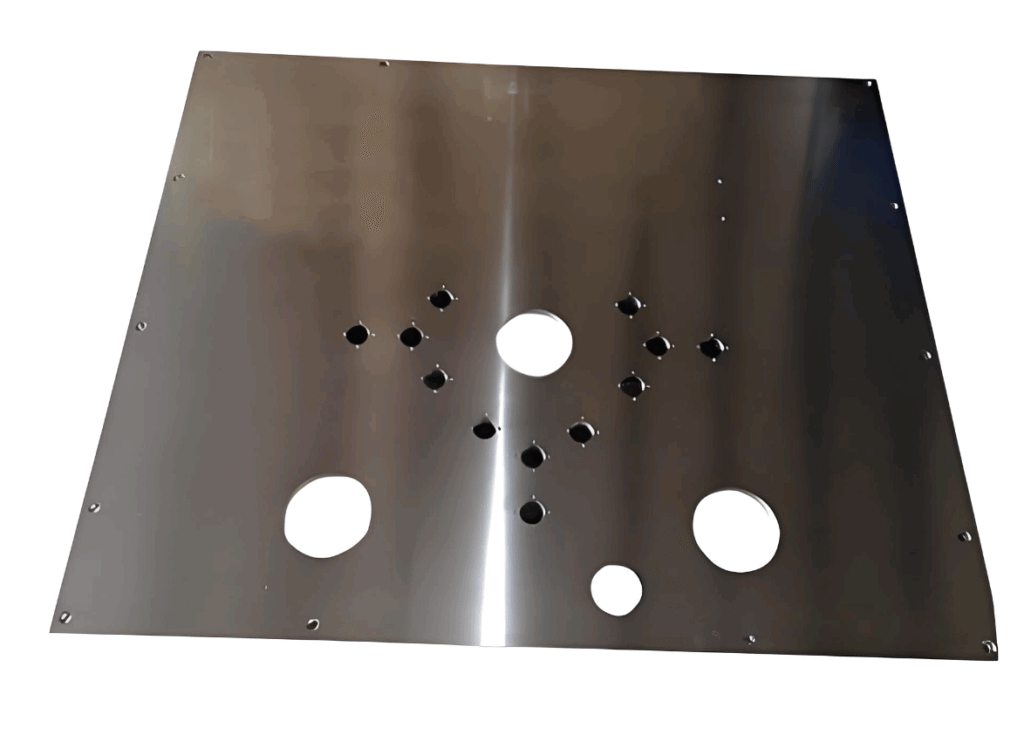
The anti-rust lifespan of zinc plated steel heavily depends on operating conditions, with huge gaps in service duration across different scenarios. The following industry test data serves as a reliable reference for material selection and maintenance planning.
4.1 Dry Indoor Environments
Indoor spaces free of moisture, dust and corrosive fumes wear zinc coatings extremely slowly. Zinc plated steel can remain in service for 15 to 30 years with almost no obvious rust.
4.2 Regular Outdoor Atmospheric Environments
Urban outdoor areas without salt spray or industrial pollution face gradual zinc loss from rain, wind and air oxidation. The service life ranges from 5 to 15 years, with minor local rust developing in later stages.
4.3 Coastal Salt Spray Environments
High salinity near coastlines and islands causes severe chloride corrosion that rapidly destroys zinc coating structures. The anti-rust lifespan drops sharply to only 1 to 5 years, making this the highest-risk setting for rust formation.
4.4 Industrial Corrosive Environments
Chemical plants, acid-base workshops and heavily polluted industrial zones subject zinc coatings to continuous chemical erosion. Zinc plated steel lasts merely 2 to 8 years and tends to develop large connected rust patches.
5. Anti-Rust Comparison: Electro Zinc Plating vs Hot-Dip Galvanizing
Electro zinc plating (cold galvanizing) and hot-dip galvanizing are the two mainstream zinc coating processes, with major differences in corrosion resistance and suitable applications. This is one of the most confusing points for buyers selecting construction materials.
5.1 Differences in Manufacturing Process & Coating Thickness
Electro zinc plating relies on electrochemical deposition to create thin, smooth and uniform coatings with limited zinc reserves. Hot-dip galvanizing submerges steel into molten high-temperature zinc, forming much thicker coatings with stronger adhesion and far more zinc material for long-term protection.
5.2 Differences in Anti-Corrosion Performance & Service Life
Electro zinc plating delivers limited rust resistance, suited only for dry indoor low-load components and prone to rapid rust when placed outdoors. Hot-dip galvanizing’s thick coating and robust sacrificial protection deliver superior corrosion resistance for outdoor and semi-outdoor use, with a service life 2 to 3 times longer than electro zinc plating.
5.3 Application Selection Guidelines
Cost-effective electro zinc plated steel works for indoor hardware, small decorative fittings and dry-location equipment. Hot-dip galvanized steel is the top choice for outdoor steel frames, brackets, guardrails, coastal facilities and industrial load-bearing components to avoid premature rust issues.
6. Anti-Corrosion Comparison: Zinc Plated Steel vs Stainless Steel
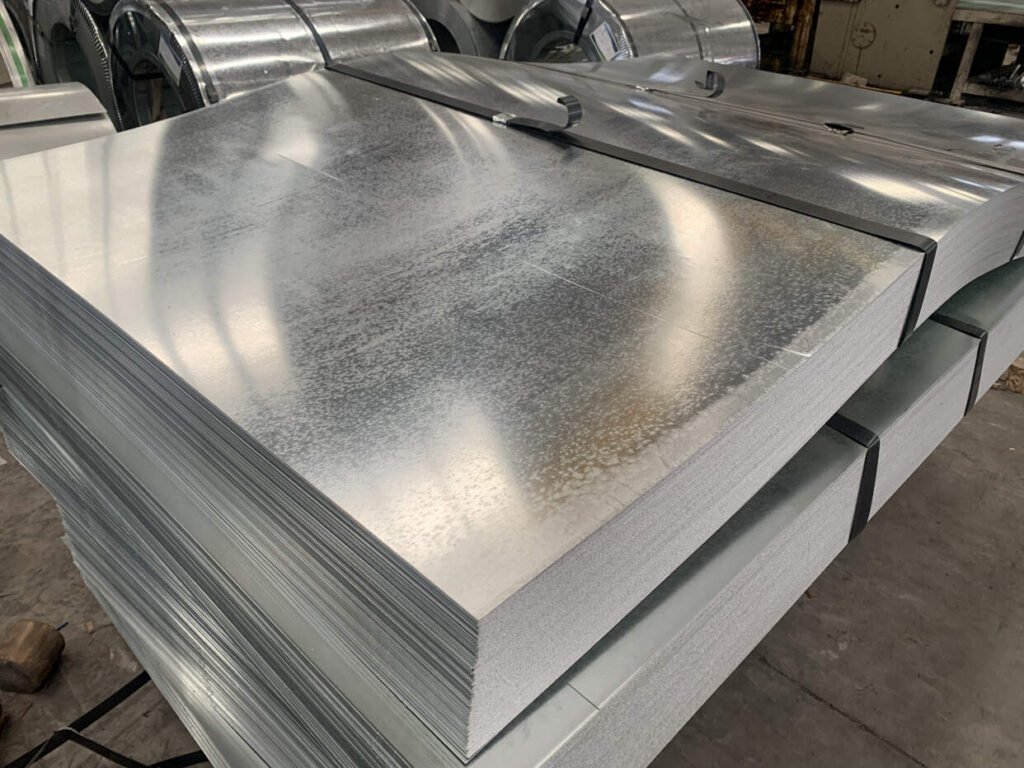
Many buyers struggle to choose between zinc plated steel and stainless steel for high-corrosion applications. The key distinctions lie in anti-rust principles, service life and overall cost efficiency.
6.1 Different Anti-Corrosion Mechanisms
Zinc plated steel relies on an external sacrificial zinc coating, a consumable protection system that fails once the zinc layer depletes. Stainless steel achieves self-protection through stable passive films formed by its internal alloy elements, which do not lose effectiveness with surface wear.
6.2 Differences in Corrosion Resistance & Service Life
Grade 201 and 304 stainless steel deliver far more stable rust resistance outdoors, in salt spray and industrial environments than zinc plated steel. Grade 316L stainless steel lasts over 20 years longer than standard zinc plated steel in heavily corrosive conditions and rarely develops rust.
6.3 Cost Efficiency & Application Matching
Zinc plated steel features low material costs and high cost performance for short-term projects in mild environments with limited budgets. Stainless steel carries higher upfront costs but requires minimal maintenance and lasts for decades, ideal for long-term outdoor, coastal and chemical facilities with severe corrosion risks. Per specification HG/T 20538-2016, stainless steel is recommended to replace standard zinc plated steel for environments with moderate or higher corrosion levels (Class C3 and above).
7. Drawbacks & Limitations of Zinc Plated Steel
Practical application and corrosion theory reveal clear limitations of zinc plated steel that should be addressed during material selection and deployment.
- Time-limited protection: Zinc coating is a consumable protective material with no permanent anti-rust capability. It will inevitably degrade over time and cannot meet ultra-long-term high-corrosion resistance requirements.
- Poor performance in extreme environments: Zinc coatings wear extremely fast in coastal salt spray, strong acid/alkali and high-temperature humid settings, drastically reducing anti-rust effectiveness and service life.
- Low mechanical resistance: Zinc coatings are soft and vulnerable to abrasion and impact damage. Friction or physical collisions easily crack the coating and trigger localized rust.

8. Anti-Rust Protection & Repair Methods for Zinc Plated Steel
Reasonable material selection, routine maintenance and timely repairs can greatly extend the anti-rust lifespan of zinc plated steel and cut corrosion-related replacement costs.
8.1 Quality Control During Material Selection
Choose certified zinc plated products with consistent, complete coatings free of missing plating or surface defects. Opt directly for hot-dip galvanized steel for outdoor and corrosive environments; avoid thin electro zinc plated components for long-term outdoor exposure.
8.2 Daily Operation & Maintenance
Add protective packaging during transportation and installation to prevent scratches and dents on zinc coatings. Keep steel surfaces dry at all times, and promptly remove standing water, salt residues, dust and corrosive stains. Regular cleaning of outdoor structural parts reduces buildup of corrosive contaminants.
8.3 Advanced Secondary Protection
For zinc plated steel operating in high-corrosion environments, apply specialized zinc protective paint or sealant coatings to create a double-layer barrier that blocks salt spray and acid-alkali pollutants and slows zinc consumption.
8.4 Repair for Minor Coating Damage & Rust
For small scratches and light rust spots, grind away all rust and oxidation residues, fully dry the surface, then apply dedicated zinc repair paint to restore the protective layer and stop rust from spreading. Components with large-area coating peeling or deep corrosion have low repair value and should be replaced to maintain structural stability of equipment.
Frequently Asked Questions
Q1: Will zinc plated steel rust when exposed to rain?
Yes, it will corrode gradually. Rainwater continuously washes and oxidizes the zinc coating. Long-term outdoor rain exposure accelerates zinc loss; no obvious rust appears in the short term, but corrosion will develop over years. Hot-dip galvanized steel is recommended for permanently wet outdoor locations.
Q2: Is zinc plated steel suitable for long-term outdoor use?
Hot-dip galvanized steel works well for long-term outdoor service in regular atmospheric conditions, with a service life of 5–15 years. Standard electro zinc plated steel is not recommended for permanent outdoor placement, as its thin coating develops obvious rust within 1–3 years.
Q3: How fast does zinc plated steel rust in saltwater?
Saltwater and coastal salt spray create highly corrosive conditions that quickly break down zinc passivation films. Standard zinc plated steel develops visible rust within several months to one year submerged in saltwater, with an overall service life under 5 years. Stainless steel is recommended for high-salinity applications.
Q4: Can damaged zinc coatings be repaired?
Minor localized damage can be fixed via rust grinding followed by specialized zinc repair paint. Components with large coating loss or deep corrosion are not cost-effective to repair and should be replaced.
Conclusion
In summary, zinc plated steel provides anti-rust performance but never permanent corrosion resistance. Rust will form once the zinc coating wears thin or sustains damage. Its dual barrier and sacrificial anode protection deliver excellent cost-effective corrosion resistance in dry indoor environments, yet the coating’s service life shortens drastically in rainy outdoor, coastal salt spray and industrial corrosive zones.
Select electro zinc plating, hot-dip galvanizing or stainless steel according to your operating environment and target service life. Combine scientific routine maintenance and timely coating repair to control project costs, minimize rust formation, and guarantee stable long-term operation of steel structures and equipment.
References
[1] Chinese Journal of Corrosion and Protection. Research on Corrosion Behavior and Mechanism of Zinc Plated Steel Exposed to Simulated Marine Atmosphere
[2] Journal of Materials Research. Study on Atmospheric Corrosion Characteristics and Protection Mechanisms of Zinc Plated Steel
[3] HG/T 20538-2016 Specification for Design of Underground Piping in Chemical Engineering Projects




 English
  Spanish
  Afrikaans