
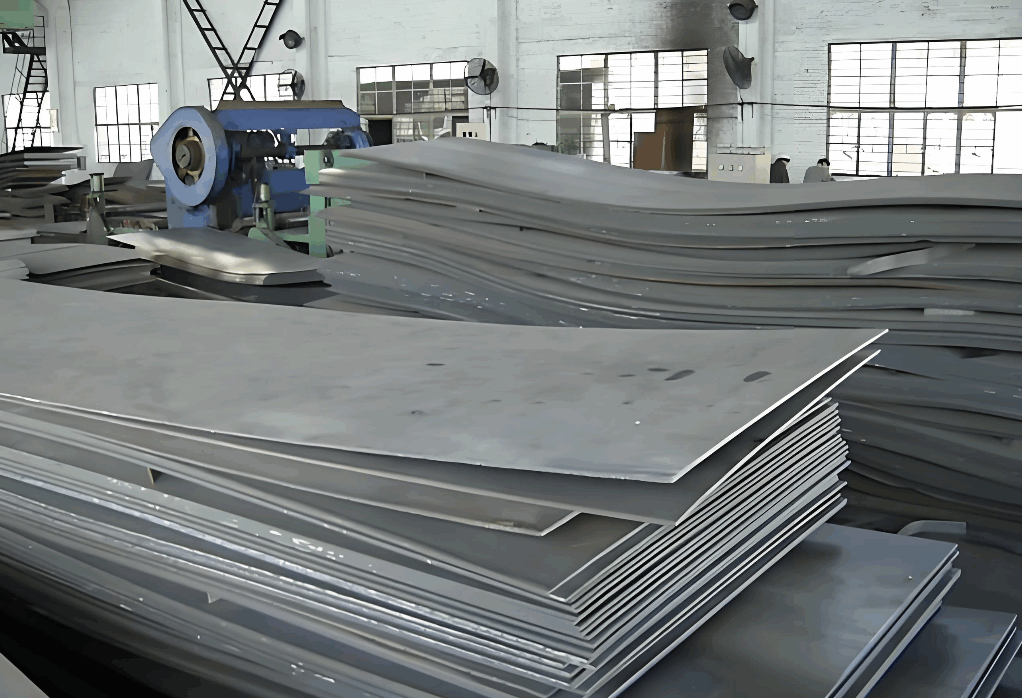
Half inch steel plate is a versatile medium-thick steel plate widely used in industrial manufacturing, building construction, metal fabrication and DIY maintenance. Its nominal thickness is 0.5 inches, equivalent to an exact metric thickness of 12.7 mm. According to standard steel industry classifications, there is a clear distinction between steel plates and steel sheets. Half inch steel plate is categorized as medium plate, featuring uniform thickness, strong structural stability and excellent load-bearing capacity. It stands apart from thin decorative steel sheets that deform easily.
This plate fits a full spectrum of applications, including industrial steel base plates, mechanical equipment components, trailer chassis fabrication, outdoor equipment manufacturing, custom metal hardware and equipment repair. It boasts outstanding workability for welding, cutting, drilling and bending, balancing structural strength and processing flexibility. It is a mainstream standard specification favored by global engineering procurement teams, metal fabrication shops and individual DIY builders. This article provides comprehensive coverage of its standard specifications, weight calculation formulas, mainstream material grades, application scenarios, processing performance and professional purchasing guidelines.

1. Standard Specifications of Half Inch Steel Plate
Half inch steel plate is manufactured in compliance with ASTM American steel standards and universal international dimensional criteria. Unified industry standards govern thickness tolerances, panel dimensions and product classifications, laying a standardized foundation for construction, fabrication and procurement.
1.1 Thickness Conversion & Tolerance Standards
Nominal thickness: 0.5 inches = 12.7 mm. Mass-produced plates follow the ASTM A6 tolerance standard. Standard stock plates maintain a thickness tolerance of ±0.3 mm, while high-precision custom plates achieve a tighter tolerance of ±0.1 mm, meeting strict requirements for structural load-bearing, precision machining and sealing component production.
1.2 Standard Stock Panel Sizes
Standard stock panels follow US customary dimensions and custom cutting services are available for any custom length and width to suit niche DIY projects and specialty equipment parts. Key standard sizes are listed below:
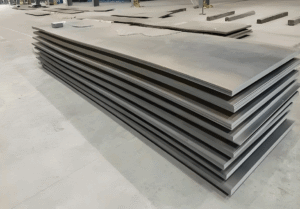
- 4ft×8ft (1219mm×2438mm): The most common stock size, suitable for most fabrication and construction projects
- 5ft×10ft (1524mm×3048mm): Large-format panels for heavy machinery and large-scale steel structure projects
- Custom sizes: Custom-cut to any length and width on demand for special DIY builds and unique equipment components
1.3 Core Product Classifications
Based on production techniques and material properties, half inch steel plates fall into three primary categories for different working environments:
- Hot rolled steel plate: Highest production volume with optimal cost performance. It delivers great toughness and stable load-bearing performance for general industrial structures and infrastructure construction.
- Cold rolled steel plate: Superior flatness, smooth surface finish and precise dimensional accuracy, ideal for precision machining, aesthetic components and high-tolerance machinery parts.
- Stainless steel plate: Exceptional rust and corrosion resistance for humid, outdoor and acidic/alkaline working environments, eliminating the need for secondary anti-corrosion treatments.
2. Standard Weight Calculations for Half Inch Steel Plate
Weight is a critical metric for engineering cost estimation, load design and shipping planning. Steel densities vary slightly across material grades. Below are industry-standard weight figures and calculation formulas for quick on-site measurement and bulk procurement costing.
2.1 Standard Weight Benchmarks
- Carbon steel (A36, general hot rolled carbon steel): Approximately 20.8 pounds per square foot, or 94.5 kilograms per square meter
- Stainless steel (304/316): Slightly higher density than carbon steel, at roughly 97.2 kilograms per square meter; corrosion-resistant stainless steel plates carry marginally higher unit weight than carbon alternatives
2.2 Universal Weight Calculation Formula
Plate Weight (kg) = Length (m) × Width (m) × Thickness (mm) × Steel Density (g/cm³)
Carbon steel uses a standard density of 7.85 g/cm³, while stainless steel adopts 7.93 g/cm³. This formula accurately calculates the weight of plates cut to any custom dimension.
Compared with 3/8 inch thin plates, half inch steel plate delivers greater self-weight and superior structural stability. When stacked against 1 inch thick plate, it is lighter, more cost-effective and easier to machine, making it the optimal all-purpose specification bridging light and heavy-duty applications.
3. Main Material Grades for Half Inch Steel Plate
Material grades differ drastically in mechanical performance, corrosion resistance and machinability. Selecting the correct grade prevents structural failures and reduces long-term operational costs. The four most widely used grades in the industry are outlined below.
3.1 ASTM A36 Carbon Steel Plate
A36 is the core American standard structural carbon steel, manufactured to ASTM A36/A36M specifications, with performance equivalent to domestic Q235B steel. It is the highest-volume material for half inch steel plate. It features stable chemical composition with carbon content ≤0.26%, manganese ranging from 0.60% to 0.90%, and tightly controlled sulfur and phosphorus impurities. It offers balanced tensile strength, strong toughness, excellent weldability and low material cost. Its mechanical properties include a minimum yield strength of 250 MPa and tensile strength between 400–550 MPa, fully meeting medium and light structural load demands for building steel frames, equipment base plates, construction machinery and trailer chassis.
3.2 304 / 316 Stainless Steel Plate
Grade 304 stainless steel delivers outstanding atmospheric and mild acid corrosion resistance with zero rust risk, suitable for open-air outdoor installations, humid water environments and food processing equipment. It requires no paint or galvanized anti-rust coating, boasting a service life 3–5 times longer than standard carbon steel. Grade 316 stainless steel adds molybdenum alloying elements to outperform 304 in saltwater and chemical corrosion resistance, making it the top choice for marine equipment, chemical machinery and precision corrosion-resistant components. Both stainless steel grades maintain stable weldability and minimal deformation after processing, ideal for long-term outdoor service and high-hygiene operating conditions.
3.3 HRPO Pickled & Oiled Hot Rolled Plate
HRPO hot rolled pickled and oiled plates undergo advanced surface finishing to remove mill scale and surface rust, delivering exceptional flatness without pre-grinding required prior to welding, painting or bending. Compared to standard hot rolled plate, it offers higher processing tolerance and superior finished surface quality at a lower cost than cold rolled plate. It is the preferred material for custom DIY builds, automotive repairs, small metal brackets and precision small-component fabrication.
3.4 Material Grade Selection Summary
- Indoor dry load-bearing projects: ASTM A36 carbon steel plate for maximum cost efficiency
- Open-air outdoor and humid environments: Grade 304 stainless steel plate
- Chemical and marine high-corrosion conditions: Upgrade to Grade 316 stainless steel plate
- Precision machining and aesthetic DIY components: HRPO pickled & oiled plate
4. Application Scenarios of Half Inch Steel Plate
With its balanced thickness, stable load-bearing capacity and versatile machinability, half inch steel plate covers four core application sectors: industrial construction, commercial metal fabrication, DIY automotive & household modification, and outdoor pressure-resistant equipment. It ranks among the most universally applicable steel plate specifications available.
4.1 Industrial & Building Construction
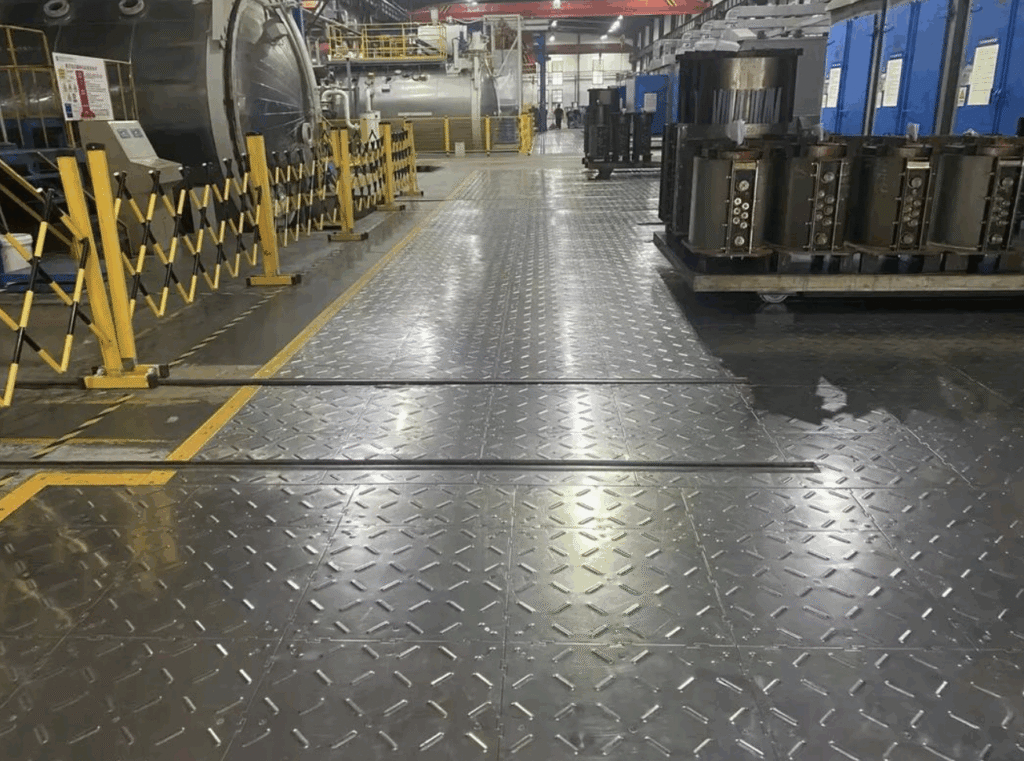
Commonly used for steel base slabs, equipment mounting bases, factory load-bearing supports, tank reinforcement plates, wear-resistant construction machinery parts and secondary bridge structural components. The 12.7 mm thickness evenly distributes concentrated equipment loads to eliminate deformation and sagging common with thin sheets, supporting long-term medium-light structural loads and serving as a staple material for infrastructure projects.
4.2 Commercial Metal Fabrication & Trailer Manufacturing
Widely applied to cargo trailer chassis reinforcement, truck floor panels, steel structural connectors, machine frame welding and complete metal hardware assembly. This plate resists cracking during bending and produces consistent high-quality welds, enabling efficient mass production for small and medium fabrication shops.
4.3 Automotive Repair & Household DIY Customization
Suitable for chassis reinforcement, automotive component restoration, custom metal support frames, worktop panels, protective barriers and small load-bearing frames. Its manageable weight allows individual builders to complete cutting, drilling and welding without heavy industrial machinery, cementing its popularity among global DIY metalworking enthusiasts.
4.4 Outdoor & Medium-Low Pressure Applications
Stainless steel half inch plates are deployed for outdoor guardrails, open-air equipment platforms, water contact fittings, sealing gaskets and medium-low pressure components. They deliver strong weather resistance, resisting rust and permanent deformation under long-term exposure to wind, rain and temperature fluctuations with minimal routine maintenance required.
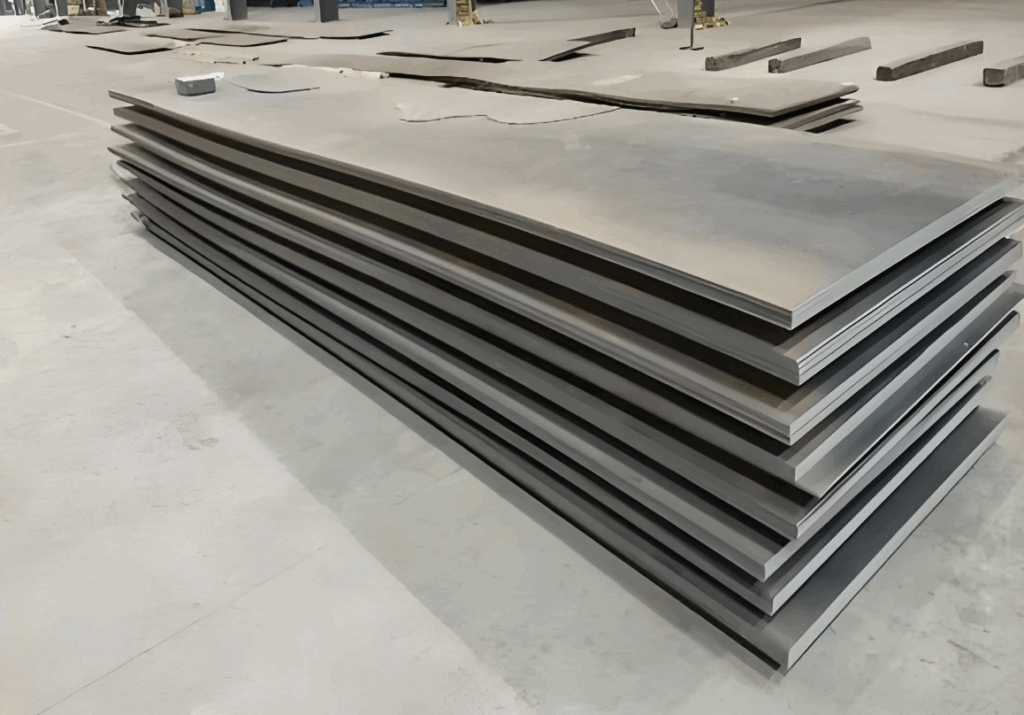
5. Performance Advantages & Machining Characteristics of Half Inch Steel Plate
5.1 Load-Bearing & Structural Stability
Half inch steel plate provides sufficient load capacity for trailers, civil auxiliary steel structures and equipment mounting bases. It delivers over 40% higher bending and deformation resistance than 3/8 inch thin plates, with uniform load distribution and far lower risk of fatigue deformation over extended service life under standard equipment and structural loads.
5.2 Core Machining Performance
This plate grade is highly workable and compatible with all mainstream metalworking processes:
- Welding: Resists cracking and porosity, forming smooth full weld beads, compatible with both hot and cold welding techniques
- Cutting, drilling & grinding: Low technical barriers for manual and automated machining
- Bending: Resists splitting and delamination during moderate forming, offering generous processing tolerance for mass factory production and hands-on DIY work.
5.3 Weather Resistance & Service Life
Carbon steel plates treated with galvanization or paint last over 10 years indoors and 5–8 years in standard outdoor environments. 304 and 316 stainless steel plates require no anti-corrosion coating, delivering an outdoor service life exceeding 15 years with superior oxidation and corrosion resistance compared to thin steel sheets.
6. Sourcing & Material Selection Guide for Half Inch Steel Plate
6.1 Application-Based Selection Principles
- Dry indoor load-bearing structures: ASTM A36 hot rolled carbon steel plate for optimal cost performance
- Open-air, humid outdoor environments: Grade 304 stainless steel plate
- Chemical and marine corrosive environments: Grade 316 stainless steel plate
- Precision machined and aesthetic custom parts: HRPO pickled & oiled plate
6.2 Core Quality Inspection Standards for Procurement
Four key indicators must be verified during purchasing:
- Thickness tolerance compliance with ASTM A6 standards to avoid uneven load distribution from inconsistent plate thickness
- Flat surface without warping, buckling or indentations
- Clean surface free of loose mill scale, surface cracks and casting pinholes
- Verified material certification reports confirming compliant A36, 304 or other specified grades
6.3 Primary Price Influencing Factors
Plate pricing depends mainly on material grade, manufacturing process, order volume and cutting requirements:
- Stainless steel carries a far higher unit cost than standard carbon steel; cold rolled and HRPO finished plates cost more than hot rolled plate
- Bulk full-sheet orders reduce unit pricing, while custom cut-to-size orders incur extra processing fees
- Global raw steel market fluctuations and international logistics costs also create minor shifts in end-market pricing
6.4 Alternative Specification Reference
- Light-load, weight-sensitive projects: Switch to 3/8 inch steel plate to cut material weight and total cost
- Heavy-duty industrial structures requiring enhanced rigidity: Upgrade to 1 inch steel plate for higher structural strength For nearly all general-purpose applications, half inch steel plate delivers the best balance of cost and performance.
7. Frequently Asked Questions
Q1: What is the core difference between steel plate and steel sheet?
Per universal industry classification standards, materials thinner than 3 mm are defined as steel sheets, while material 3 mm and thicker qualify as steel plate. Half inch (12.7 mm) material falls firmly into the medium plate category. The key distinction is superior load-bearing capacity, structural rigidity and deformation resistance, making it suitable for structural support. Thin sheets are limited to decorative cladding and light shielding and cannot withstand concentrated loads.
Q2: Is half inch steel plate suitable for welding?
Yes, it is ideal for welding. Both A36 carbon steel and 304 stainless steel half inch plates offer stable welding performance. Its medium thickness eliminates common issues including burn-through in thin sheets and incomplete penetration in extra-thick plates. It works seamlessly with manual arc welding, MIG welding and other mainstream welding processes, earning recognition as an optimal thickness for general welding fabrication.
Q3: Can half inch steel plate be used for structural load-bearing applications?
Absolutely. Its standard thickness and mechanical properties satisfy medium-light load requirements for civil auxiliary steel structures, trailer chassis, equipment mounting bases and load-bearing support frames. It is an industry-standard structural material, widely specified to replace thin sheets and mitigate structural safety risks.
Conclusion
Half inch (12.7 mm) steel plate stands as a universal foundational metal material for industrial construction, metal fabrication, DIY maintenance and outdoor equipment manufacturing, thanks to standardized dimensional specifications, consistent mechanical performance, versatile machinability and broad application compatibility. ASTM A36 carbon steel variants offer unbeatable cost performance for most general working conditions, while stainless steel grades deliver long-term corrosion resistance for harsh environments. Buyers and fabricators should select material grades based on operating conditions, load requirements and processing methods to balance project costs while maximizing construction quality and equipment service life.
Reference Documents
- ASTM A36/A36M Standard Specification for Carbon Structural Steel
- ASTM A6 Standard Specification for General Requirements for Rolled Structural Steel Bars, Plates, Shapes, and Sheet Piling
- US Customary Steel Plate Weight Calculation Industry Handbook




 English
  Spanish
  Afrikaans