
In home renovation, commercial fit-outs and industrial space retrofitting, switch plates are easily overlooked yet essential accessories that greatly affect overall decoration texture and long-term electrical safety. Based on professional industry standards, this article comprehensively introduces the core advantages, surface finishes, standard sizes, installation methods, maintenance tips and scenario-based selection guidelines of stainless steel switch plates, helping you solve all selection and usage problems in one place.
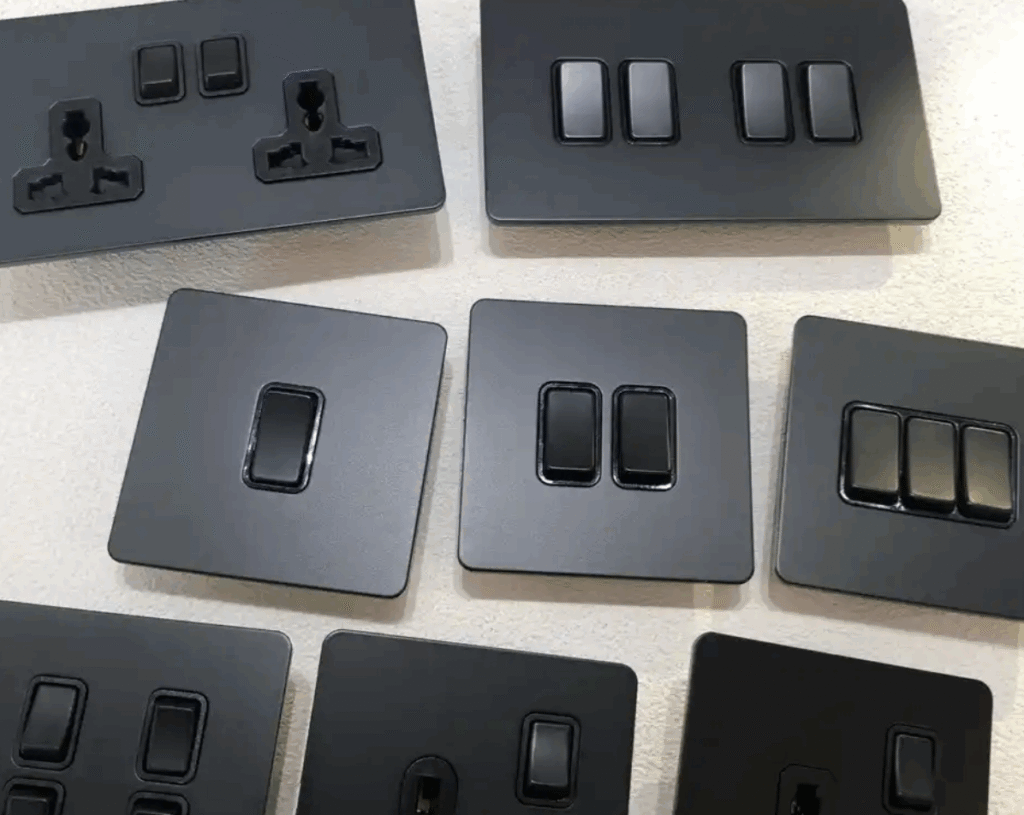
I. What Are Stainless Steel Switch Plates?
Stainless steel switch plates are electrical decorative fittings made of high-quality stainless steel faceplates, paired with insulated bases and standard switch and socket cores. They serve as upgraded alternatives to traditional plastic, chrome and brushed nickel plates, widely used in residential, commercial and industrial electrical renovation and new installation projects. Qualified products on the market are mostly made of 304 stainless steel, while 316 stainless steel is adopted for harsh outdoor and coastal environments, delivering far better structural stability and durability than ordinary decorative plates.
1. Main Surface Finishes
Classified by surface craftsmanship and application scenarios, stainless steel switch plates are available in four mainstream finishes to match different decoration styles and practical needs:
- Brushed Finish: The most popular option on the market. Featuring a fine brushed surface, it is scratch-resistant and fingerprint-proof. Versatile for modern minimalist and industrial-style decoration, suitable for both residential and commercial use.
- Mirror Finish: Polished to a high-gloss surface for a premium and delicate texture. Ideal for luxury and high-end residential decoration, yet prone to fingerprints, making it more suitable for dry spaces with low cleaning frequency.
- Matte Finish: Adopting a low-saturation matte treatment, it is wear-resistant, anti-glare and understated in appearance. Perfect for commercial spaces requiring a quiet visual effect, such as offices, hotels and hospitals.
- Waterproof Finish: Equipped with a sealed waterproof structure for enhanced protection. It effectively blocks rainwater and moisture intrusion, ideal for outdoor areas, balconies and humid bathrooms.
2. Core Application Scenarios
With stable material performance, stainless steel switch plates make up for the inherent defects of traditional plates and fit diverse scenarios. For residential use, they are perfect for humid and oil-prone areas including kitchens, bathrooms, balconies and living rooms. For commercial use, they adapt to high-traffic spaces such as office buildings, hotels, shopping malls, restaurants and convenience stores. They also meet the strict wear-resistance, anti-corrosion and fireproof requirements of factories, industrial workshops and outdoor facilities.
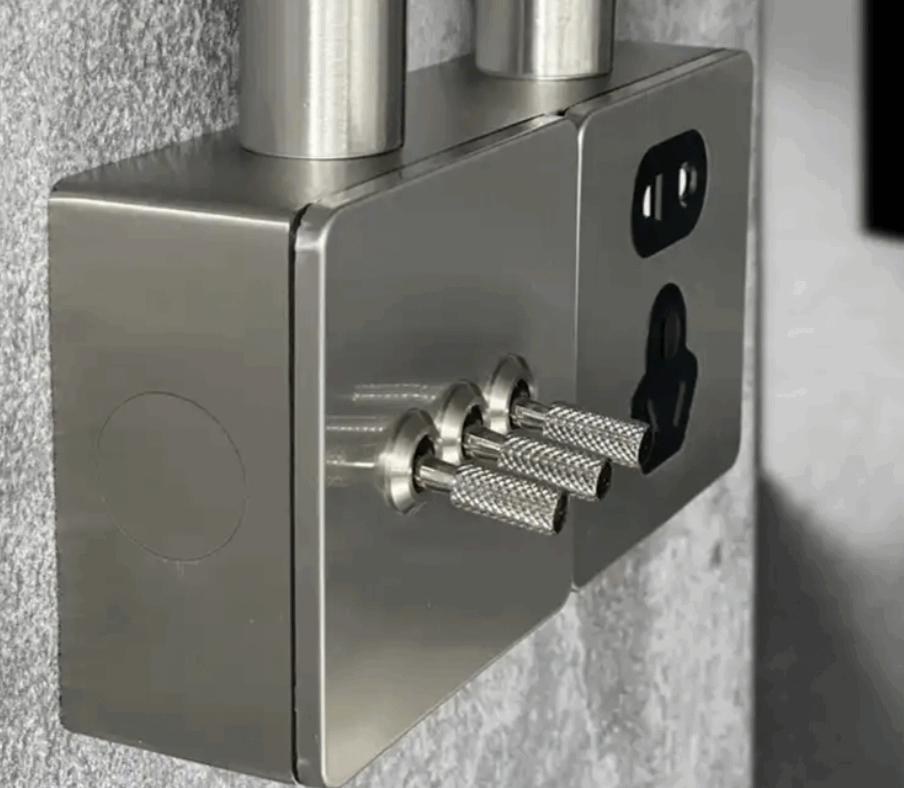
II. Core Advantages of Stainless Steel Switch Plates
Compared with plates made of traditional materials, stainless steel switch plates stand out in durability, safety and practicality, making them the top choice for decoration upgrades.
1. Excellent Rust and Corrosion Resistance for Harsh Environments
High-quality 304 and 316 stainless steel forms a dense chromium oxide passivation layer on its surface, effectively isolating moisture, oxygen, oil stains and salt spray. It prevents oxidation, discoloration and rust fundamentally. Whether in greasy kitchens, humid bathrooms, coastal salt spray areas or slightly corrosive industrial environments, it maintains a flawless appearance, unlike yellowing plastic plates and rust-prone ordinary metal plates.
2. Heavy-Duty Performance with Longer Service Life
Stainless steel features high hardness, impact resistance and deformation resistance. Daily switching operations, routine cleaning and minor collisions will not cause scratches, cracks or dents. Traditional plastic plates only last 3 to 5 years and tend to age and embrittle. In contrast, stainless steel switch plates have a service life of more than 20 years with minimal replacement needs, offering higher long-term cost performance.
3. Flame Retardant for Enhanced Electrical Safety
Qualified stainless steel switch plates comply with strict electrical safety standards. The non-combustible base material delivers outstanding flame retardancy, avoiding combustion and flame spread in case of short circuits or overheating, thus effectively reducing electrical fire risks. Adopting a metal faceplate and insulated base dual structure, they eliminate electric conduction hazards, resolving users’ safety concerns about metal electrical fittings and meeting high safety standards for residential and commercial applications.
4. Versatile Aesthetics to Upgrade Decoration Texture
Mainstream brushed and matte finishes feature a minimalist and premium look, compatible with modern minimalist, industrial, luxury and commercial decoration styles. They unify the visual effect of wall switches and sockets throughout the house, eliminating the cheap look of plastic plates. The delicate metallic texture upgrades the overall space grade, serving as a refined detail for high-end residential and commercial decoration.
5. Easy to Clean and Maintain
The dense and smooth stainless steel surface resists oil accumulation and dust buildup. Daily cleaning only requires wiping with a damp cloth to remove dust and mild oil stains. It never absorbs stains like plastic plates, keeping a brand-new appearance with long-term use and greatly reducing daily maintenance trouble.
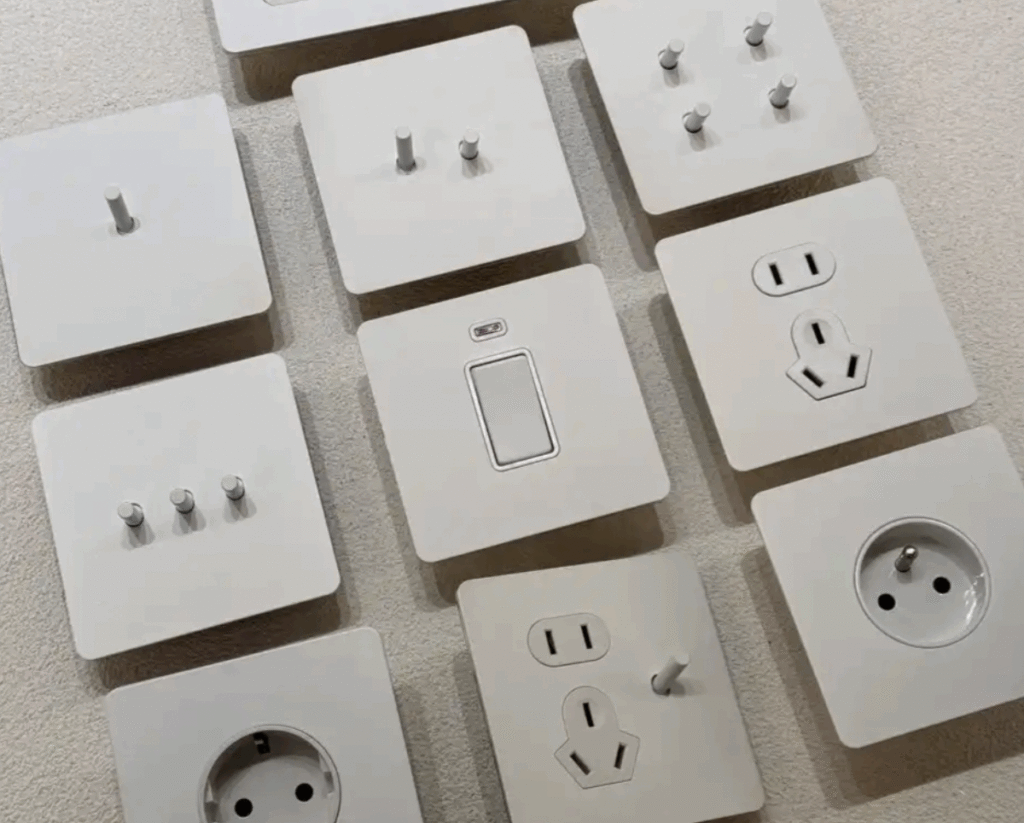
III. Stainless Steel Switch Plates vs. Plastic / Brushed Nickel / Chrome Plates
Most users struggle to choose among stainless steel, plastic, brushed nickel and chrome switch plates. A comprehensive comparison in application scenarios, cost performance, durability and safety helps users make accurate decisions quickly.
1. Stainless Steel Plates vs. Plastic Plates
Plastic plates only have the advantage of low cost, suitable for temporary and low-budget decoration. However, they have obvious drawbacks: they easily turn yellow, crack and age over time, with poor moisture and oil resistance, low flame retardancy and loose structure after frequent use. Stainless steel plates outperform plastic plates in moisture resistance, fire resistance, wear resistance and aging resistance. Despite a higher upfront cost, their ultra-long service life avoids frequent replacements, delivering better long-term cost performance for permanent residential and commercial decoration.
2. Stainless Steel Plates vs. Brushed Nickel / Chrome Plates
Brushed nickel and chrome plates boast exquisite decorative effects but weak corrosion resistance. They are prone to oxidation, discoloration and spot formation in humid, greasy or coastal salt spray environments, and damaged surface coatings cannot be repaired. Stainless steel plates feature superior rust and corrosion resistance, stronger stability and wider applicability. Conventional stainless steel plates are more cost-effective, while high-end brushed nickel and chrome plates come at a premium price. Nickel and chrome finishes are only suitable for dry indoor spaces rather than kitchens, outdoor areas and high-frequency commercial scenarios.
3. Scenario-Based Selection Summary
Plastic plates work for low-budget temporary decoration; brushed nickel or chrome plates are ideal for dry bedrooms and living rooms pursuing high-end aesthetics; 304 brushed stainless steel plates are the priority for kitchens, bathrooms, commercial spaces, industrial sites and coastal humid areas, balancing practicality, safety and cost performance.
IV. Standard Sizes and Selection Methods for Stainless Steel Switch Plates
Proper sizing is the key to flawless installation. Mismatched sizes will cause poor fitting, uneven mounting and blocked holes. Standard universal sizes adopted in global residential and commercial decoration fit most pre-embedded junction boxes without circuit modification.
1. Main Standard Size Specifications
- 86 Type (Universal Standard): Measuring 86mm×86mm, it is the most widely used specification for residential and commercial switches, including single-gang, double-gang, 5-hole socket and network socket plates, compatible with most standard junction boxes.
- 118 / 120 Type: Elongated combined plates designed for multi-switch and multi-socket combinations, commonly used in old renovation projects and customized circuit layouts.
- Reinforced Industrial Type: Thickened 86-type stainless steel plates for commercial and industrial use, with thicker base materials for enhanced impact resistance and wear resistance.
2. Size Measurement and Selection Guide
For old plate replacement, no complex measurement is needed. Most household plates are standard 86 type, and you can directly replace them with the same size. For new decoration, confirm the specification, hole spacing and installation depth of pre-embedded junction boxes. A standard box depth of ≥50mm ensures perfect fitting. For non-standard junction boxes and special layouts, adjustable universal plates are recommended to avoid installation mismatches.
V. Installation of Stainless Steel Switch Plates
1. Simple Installation Steps & Precautions
Cut off the corresponding power supply before installation to ensure construction safety. Remove the old plate and inspect internal wires and junction boxes for aging or moisture damage. Align and fix the switch core, attach the stainless steel plate flat against the wall, and tighten the fixing screws. Keep the plate level and closely fitted during installation. Avoid forced installation to prevent surface scratches and deformation.
2. Daily Cleaning and Maintenance Tips
Wipe with a soft cloth and clean water to remove daily dust and mild stains. For stubborn kitchen oil stains, use mild neutral detergent and dry the surface with a clean cloth afterward to prevent water marks. Never use steel brushes or strong acid and alkaline cleaners, as they will damage the stainless steel surface finish and cause scratches and oxidation. For long-term idle spaces, regular dust wiping maintains plate cleanliness and extends service life.
3. Long-Term Rust Prevention Maintenance
No special maintenance is required for conventional household use. For coastal areas, humid environments and high-grease kitchens, wipe the plates monthly to remove accumulated oil and salt deposits. High-quality 304 stainless steel features stable inherent anti-corrosion performance, requiring no additional waxing or coating treatment.
VI. Stainless Steel Switch Plates Buying Guide
1. Kitchen-Specific Plates for Home Use
304 brushed stainless steel plates are the top choice for kitchens. Featuring oil resistance, washability and fingerprint resistance, they adapt to high-temperature, greasy and slightly humid kitchen environments. With versatile modern aesthetics, they are applicable to single switches, 5-hole sockets and multi-functional sockets for unified interior styling.
2. Commercial & Industrial Plates
Reinforced 304 stainless steel standard plates are recommended for high-traffic commercial and industrial spaces such as office buildings, hotels, shopping malls and factories. The thickened base material delivers superior impact resistance, wear resistance and flame retardancy to withstand intensive daily use. They support bulk procurement with unified specifications for standardized engineering construction.
3. Whole-House Residential Renovation Plates
Standard 86-type matte and brushed stainless steel plates are ideal for whole-house renovation. With versatile minimalist styles and balanced cost performance, they ensure all-scenario applicability, reliable daily safety and long-lasting aesthetics, completely solving the aging and yellowing problems of traditional plastic plates.
4. Bulk Engineering Procurement Suggestions
For large-scale engineering purchases, prioritize standard-sized products made of genuine 304 stainless steel. Verify flame retardant and insulation safety certifications to avoid installation problems caused by non-standard products. Choose thickened wear-resistant models to meet long-term engineering service requirements.
VII. Frequently Asked Questions
1. Do stainless steel switch plates rust?
Qualified switch plates made of 304 and 316 stainless steel will not rust under normal use. Their surface passivation layer resists daily moisture and oil erosion, fully adapting to humid kitchens and bathrooms. Rust spots only occur on inferior 201 stainless steel plates or plates used in extreme environments with strong acid, alkali or high salt spray. 304 stainless steel perfectly meets anti-rust demands for residential and ordinary commercial scenarios.
2. Are metal switch plates safe for home use?
Certified stainless steel switch plates are completely safe for household use. Adopting a dual structure of metal faceplate and insulated base, the outer metal layer never contacts conductive parts. With qualified insulation and flame retardant performance that meets residential electrical safety standards, certified products have no electric leakage or conduction risks and provide better fire safety than plastic plates.
3. Can stainless steel plates directly replace old plastic plates?
Yes, no circuit modification or junction box replacement is required. As long as the new and old plates share the same size (universal 86 type), you can directly remove the plastic plates, reconnect the wires and install the stainless steel plates. It is a beginner-friendly renovation solution suitable for most residential upgrade projects.
VIII. Conclusion
Stainless steel switch plates are high-quality decorative electrical accessories with balanced safety, durability, aesthetics and practicality. They effectively solve the pain points of traditional plastic plates (aging, poor fire resistance, difficult cleaning) and ordinary metal plates (easy oxidation and rusting). They serve as cost-effective priority options for family old-house renovation, whole-house fine decoration, and commercial & industrial engineering projects.
For selection, prioritize 304 stainless steel material and standard 86-type size. Match suitable finishes according to scenarios including home kitchens, residential spaces, commercial buildings and industrial sites. With standardized installation and maintenance methods, the switch plates can maintain optimal performance for years, ensuring long-term residential and commercial electrical safety.
References
- General Industry Standards for Anti-Corrosion and Weather Resistance of Stainless Steel Electrical Equipment Housings
- National Standard Size Specifications for 86-type, 118-type and 120-type Household Switches and Sockets
- Flame Retardant and Insulation Safety Testing Standards for Electrical Equipment in Building Decoration




 English
  Spanish
  Afrikaans