
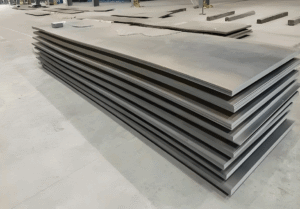
Steel floor plate, also known as patterned steel floor plate or anti-slip steel floor plate, is a functional steel substrate featured with raised patterns on the surface. Boasting core advantages including anti-slip performance, high load-bearing capacity, corrosion resistance and excellent durability, it is widely applied in industrial, construction, transportation and multiple other fields. This article provides comprehensive and practical information regarding steel floor plate from the perspectives of basic knowledge, selection guidelines and procurement references.
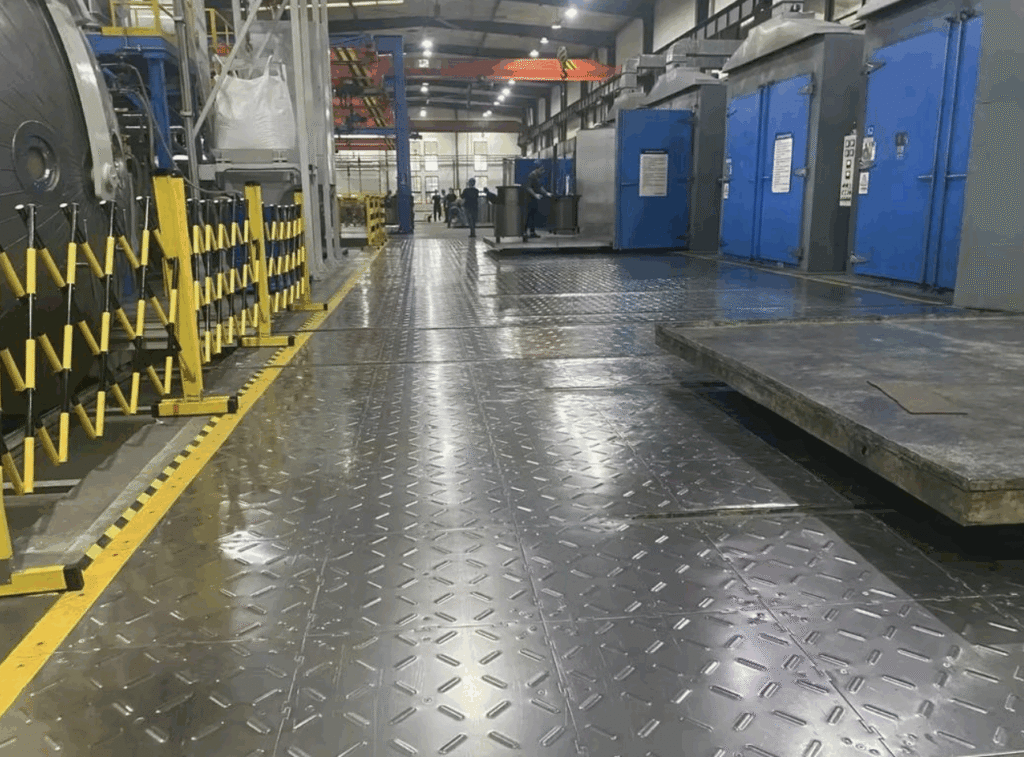
1. What is Steel Floor Plate?
Steel floor plate is processed via hot rolling, cold rolling and other techniques, with regularly raised patterns on its surface. Its primary base materials include carbon steel and stainless steel. Some products can be further treated by galvanization or painting to enhance anti-corrosion performance.
It mainly functions as anti-slip and load-bearing material, while featuring wear resistance, easy cleaning and high customizability. Its thickness, dimension and surface treatment can be adjusted according to on-site requirements to adapt to diverse application scenarios. The product complies with core requirements for hot-rolled steel floor plates specified in ASTM A786 standard. It is applicable to flooring, stair treads, transportation equipment and general structural projects.
2. Core Properties of Steel Floor Plate
- Superior anti-slip performance:Raised surface patterns effectively increase friction force. It reduces slipping risks for personnel even under harsh conditions such as high humidity and oil contamination, making it ideal for industrial walkways, commercial kitchens, loading and unloading platforms and other slippery areas.
- High load-bearing capacity:Steel is inherently characterized by high strength and impact resistance. Steel floor plate can withstand heavy equipment rolling and high-frequency pedestrian traffic without deformation or damage, with a service life of several decades. It is particularly suitable for heavy-duty industrial sites and warehouses.
- Corrosion resistance and long service life:Basic steel floor plate can be processed with hot galvanizing, cold galvanizing or paint coating to improve rust and corrosion resistance. Such treatment enables adaptability to outdoor, humid and corrosive environments and lowers subsequent maintenance costs. Galvanized steel floor plate in particular effectively resists moisture erosion and extends service life.
- Strong versatility:Customization is available in dimension, thickness and pattern. It satisfies bulk demand for large-scale industrial and construction projects, as well as personalized requirements for small-scale projects, combining practicality with moderate decorative performance.
3. Types and Applicable Scenarios of Steel Floor Plate
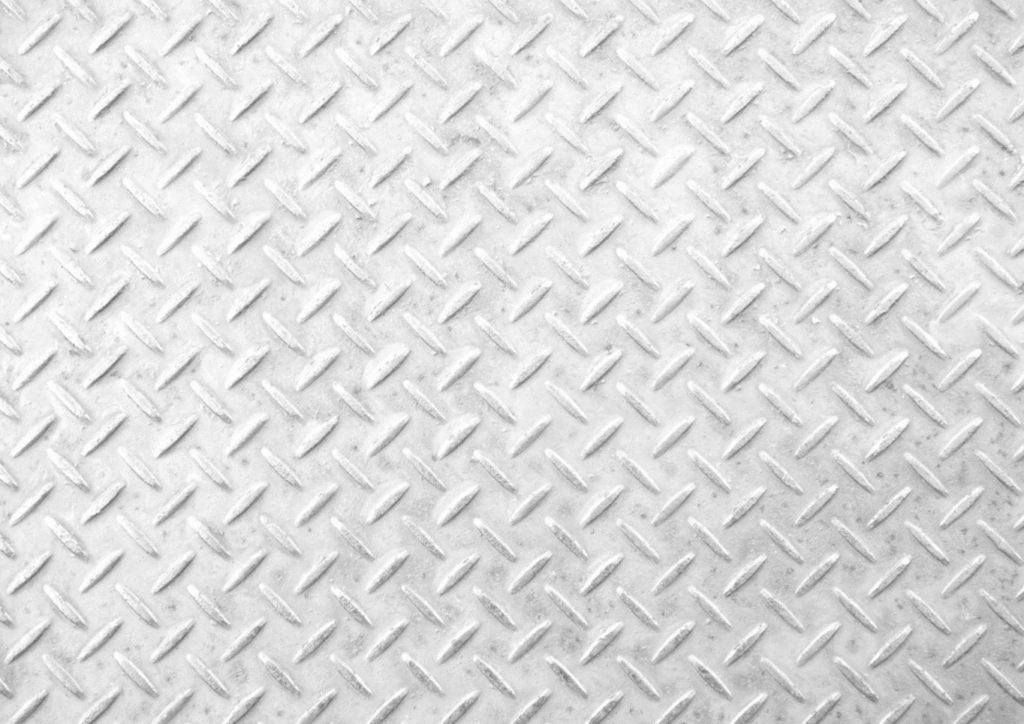
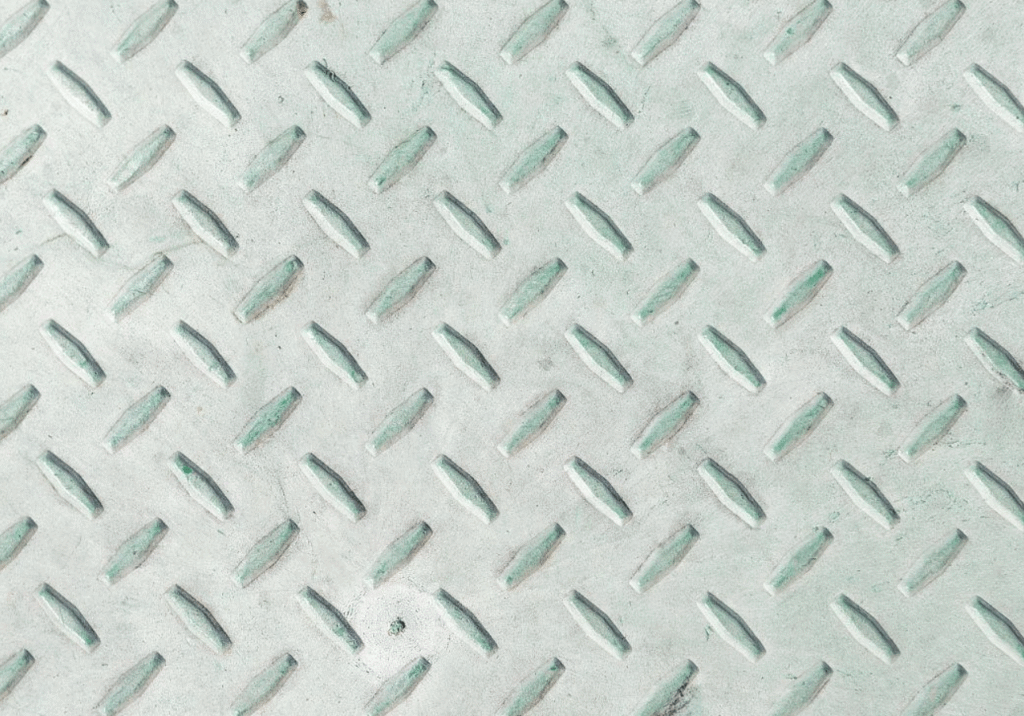
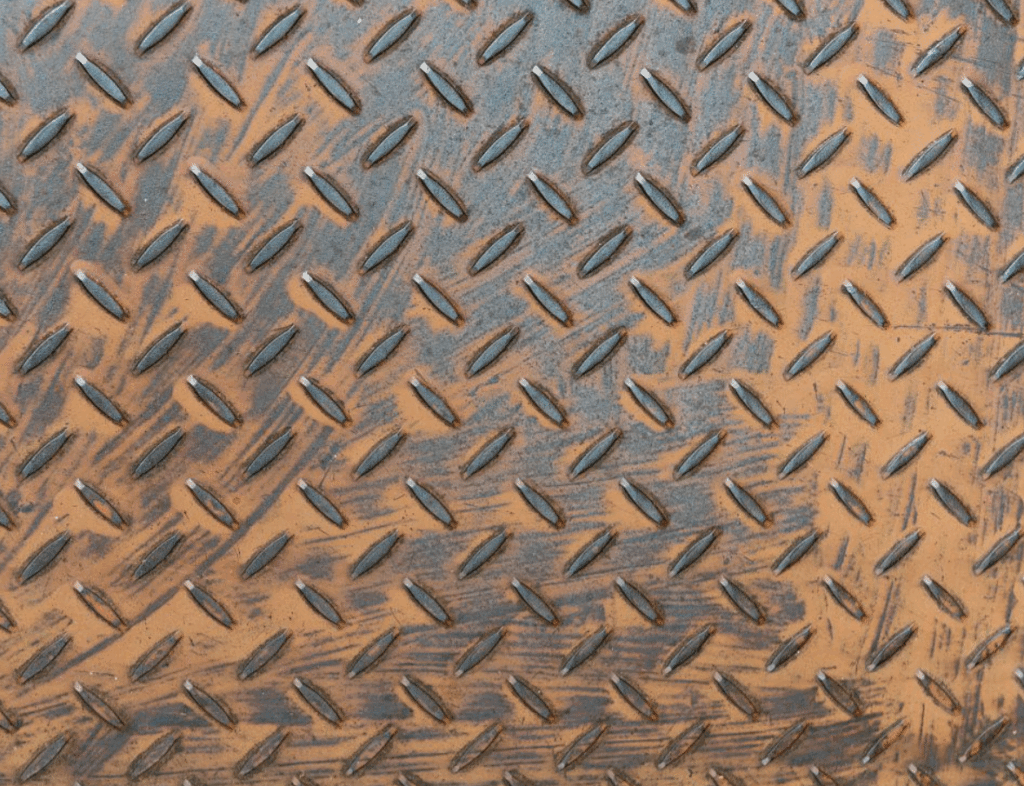
3.1 Diamond Pattern Steel Floor Plate
Core features: With raised diamond patterns on the surface, it delivers the best anti-slip performance. Mostly manufactured from hot-rolled carbon steel or stainless steel, it covers a wide thickness range from 0.8mm to 10mm and supports full customization. With mature manufacturing technology and moderate pricing, it is the most extensively used type in the industry.
Applicable scenarios: Loading and unloading platforms, ramps, industrial walkways, commercial kitchens, truck beds, ship decks and other areas with frequent pedestrian traffic and load bearing. It performs exceptionally well in humid and oily environments.
3.2 Hot-Rolled Steel Floor Plate
Core features: Produced via hot rolling process, it boasts compact internal steel structure, high strength, outstanding load-bearing capacity, distinct surface patterns and excellent wear resistance at relatively low cost. It is the first choice for industrial and construction applications. Various material grades are optional for different load-bearing demands, fully complying with material and technical requirements for hot-rolled steel floor plates in ASTM A786 standard.
Applicable scenarios: Building structures, warehouse flooring, heavy equipment platforms, factory floors, bridge treads and other high-load, high-wear-resistance sites, especially for bulk application in large industrial projects.
3.3 Galvanized Steel Floor Plate
Core features: Based on ordinary steel floor plate, a zinc layer is formed on the surface via hot galvanizing or cold galvanizing. This greatly improves anti-corrosion and anti-rust properties, effectively resisting erosion from moisture, rainfall and corrosive gases with low later-stage maintenance cost. Its price is slightly higher than ordinary steel floor plate.
Applicable scenarios: Outdoor platforms, bridges, docks, chemical workshops, humid warehouses and other corrosion-prone areas. It is especially suitable for long-term outdoor and humid projects to prolong service life.
3.4 Perforated Steel Floor Plate
Core features: With uniformly distributed holes on the surface, it integrates anti-slip, drainage and ventilation functions. It effectively prevents water accumulation and ensures air circulation. Mostly made of stainless steel or galvanized carbon steel, it supports customized hole size and density adjustment.
Applicable scenarios: Humid zones, ventilation platforms, grating structures, chemical workshops, sewage treatment plants and other sites requiring drainage and ventilation. It achieves load bearing and anti-slip performance while resolving water accumulation and ventilation issues.
4. Price of Steel Floor Plate
- Hot-rolled steel floor plate (Grade 44W/50W): Thickness 1.5mm–5mm, priced at 2,000–4,500 RMB per ton. Bulk orders (≥10 tons) enjoy an 80%–90% discount, representing the most cost-effective option.
- Galvanized steel floor plate (Grade 44W/50W): Thickness 1.5mm–5mm, priced at 2,800–5,500 RMB per ton. Extra galvanizing processing increases cost by 30%–40% compared with ordinary hot-rolled steel floor plate.
- Stainless steel floor plate (304 grade): Thickness 1.5mm–5mm, priced at 8,000–12,000 RMB per ton. High material cost makes it suitable for high-end and highly corrosive environments. 316 stainless steel is more expensive, ranging from 10,000–15,000 RMB per ton.
- Perforated steel floor plate: Price is 10%–20% higher than corresponding base material steel floor plate. Higher hole density and smaller hole size lead to higher pricing.
Key price influencing factors: material grade (higher grade at higher price), thickness (greater thickness at higher price), order quantity (larger bulk at lower unit price), surface treatment (galvanizing and painting cost more than plain finish), and transportation distance (additional freight cost for remote areas).
When purchasing, do not prioritize low price over quality. Low-cost products often suffer from insufficient thickness and inferior filling materials, resulting in early deformation and coating peeling.
5. Specifications of Steel Floor Plate
5.1 Standard Dimensions
- Width & Length: Common standard sizes include 1220mm×2440mm (4′×8′), 1220mm×3050mm (4′×10′), 1500mm×3050mm (5′×10′). Custom dimensions are available per project requirements. For bulk customized orders, production lead time shall be confirmed with suppliers in advance.
- Thickness: Available in 0.8mm–10mm, with 1.5mm–5mm as mainstream conventional thickness. Greater thickness delivers higher load capacity and higher cost. Thin sheets (0.8mm–2mm) suit light-load scenarios (e.g. commercial exhibition halls, small platforms), while thick sheets (3mm–10mm) apply to heavy-load sites (e.g. heavy equipment platforms, warehouses).Note that steel thickness shall be no less than 0.8mm to avoid deformation and potential safety hazards.
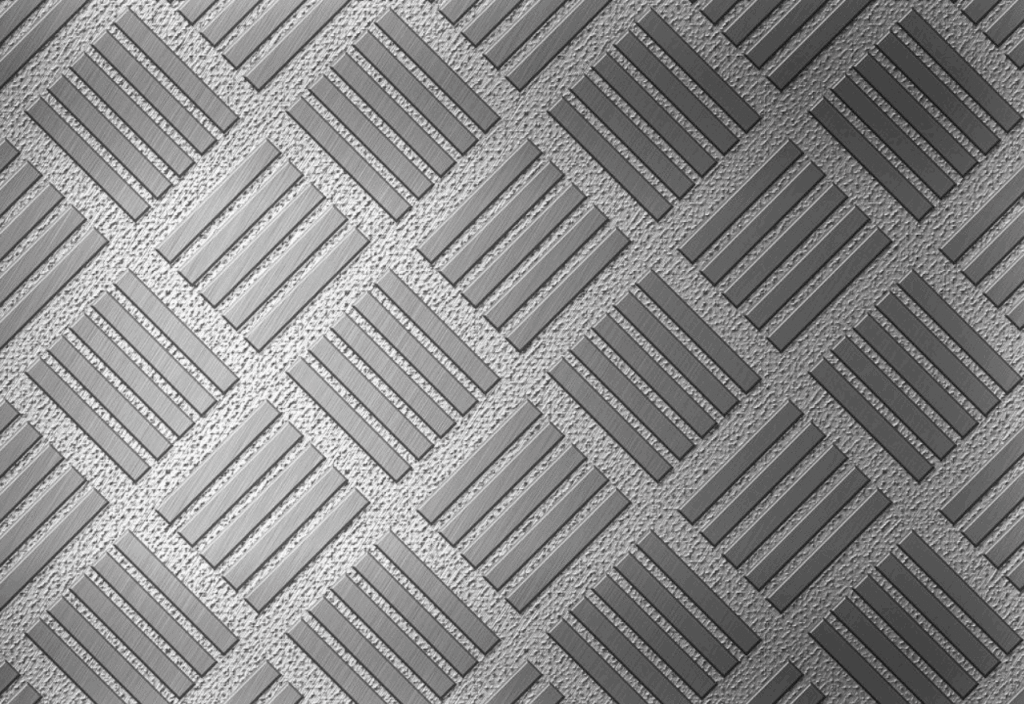
- Pattern height: Typical pattern height ranges from 1.5mm to 3mm. Higher pattern height provides better anti-slip performance but slightly reduced surface flatness, which can be selected according to on-site anti-slip demands. Higher patterns are recommended for slippery environments.
5.2 Material Grades
Steel floor plate grades are mainly classified by yield strength. The most widely adopted industrial grades are 44W, 50W and 60W, all complying with ASTM A786 standard. Their properties and applicable scenarios are differentiated as follows:
- Grade 44W: Yield strength ≥290MPa, tensile strength ≥415MPa. A universal grade with economical pricing, suitable for light and medium-load scenarios including commercial kitchens, small industrial walkways and ordinary platforms. It is the most widely used grade in the industry.
- Grade 50W: Yield strength ≥345MPa, tensile strength ≥485MPa. Balanced strength and cost, applicable to medium and heavy-load sites such as warehouses, medium equipment platforms and building treads with outstanding cost performance for most industrial and construction projects.
- Grade 60W: Yield strength ≥415MPa, tensile strength ≥550MPa. High-strength grade resistant to heavy equipment rolling and high-impact loads. Ideal for heavy-duty industrial plants, large equipment platforms and bridges, with relatively higher cost and selected per actual load-bearing requirements.
For special scenarios such as marine structures, API 2W-50 and API 2W-60 grades are optional. API 2W-50 features yield strength of 345–517MPa, and API 2W-60 reaches 416–621MPa. Both satisfy notch toughness requirements under low-temperature conditions and adapt to harsh marine environments.
6. Application Scenarios of Steel Floor Plate
With advantages of anti-slip performance, high load capacity, durability and corrosion resistance, steel floor plate is applied across industrial, construction, transportation and commercial fields.
6.1 Industrial Applications
Core requirements: High load capacity, high wear resistance, anti-slip property and easy cleaning. Hot-rolled steel floor plate and Grade 60W are preferred. Galvanized steel floor plate is selected for humid and corrosive industrial environments.
Specific applications: Factory workshop floors, warehouse flooring, heavy equipment platforms, industrial walkways, chemical workshops and sewage treatment plant platforms. It withstands heavy machinery load and frequent foot traffic while resisting oil contamination and industrial corrosion.
Anti-static steel floor plate is required for special industrial sites including computer rooms and electronic workshops, with key focus on surface resistance and conductive coating adhesion.
6.2 Construction & Infrastructure
Core requirements: Load bearing, anti-slip performance, durability and outdoor adaptability. Hot-rolled and galvanized steel floor plates are preferred with customizable dimensions per building layout.
Specific applications: bridge treads, scaffold planks, parking lot flooring, steel structure building floors, outdoor platforms and stair treads. It endures outdoor weathering and ensures pedestrian safety, and can serve as permanent formwork in partial projects.
Products with fire resistance grade above B1 are mandatory for special infrastructure including power distribution rooms and fire protection zones to ensure operational safety.
6.3 Transportation Sector
Core requirements: Anti-slip property, wear resistance and impact resistance. Diamond pattern and galvanized steel floor plates are preferred for mobile application scenarios.
Specific applications: truck beds, trailer floors, ship decks, auxiliary platforms at airport aprons and railway platforms. It prevents cargo sliding and pedestrian slipping, resists corrosion from outdoor and marine environments and extends service life.
6.4 Commercial Applications
Core requirements: Anti-slip performance, aesthetic appearance and easy cleaning. Diamond pattern and stainless steel floor plates are preferred, with customizable patterns and dimensions matching interior design styles.
Specific applications: commercial kitchens, retail store flooring, hotel lobbies, gym floors and exhibition hall surfaces. It guarantees walking safety while creating industrial-style aesthetic texture compatible with diverse decoration designs.
7. How to Select Suitable Steel Floor Plate
7.1 Clarify Application Scenarios and Core Demands
First determine indoor/outdoor installation, humidity conditions, light/heavy load level, and core requirements (anti-slip, corrosion resistance, load capacity, aesthetics).
For example: thin diamond pattern steel floor plate for indoor light-load exhibition halls; galvanized steel floor plate for outdoor humid docks; Grade 60W hot-rolled steel floor plate for heavy industrial equipment platforms; anti-static steel floor plate for computer rooms with emphasis on surface resistance and conductive coating performance.
7.2 Select Proper Type and Surface Treatment
Choose product type per scenario: diamond pattern plate for slippery areas, perforated plate for drainage and ventilation demands, galvanized plate for outdoor corrosion environments, and stainless steel plate for high-end projects.
Surface treatment is selected based on corrosion exposure: plain finish for ordinary indoor environments; galvanized or painted finish for humid and corrosive sites to prevent rusting and deterioration.
Users may also judge internal filling uniformity by tapping sound, and avoid products with inferior filling materials.
7.3 Confirm Specifications and Material Grades
- Dimension: Adopt standard sizes for bulk projects for better cost performance, or custom sizes per actual site layout.
- Thickness: 1.5mm–2mm for light load, 3mm–5mm for medium load, 6mm–10mm for heavy load. Minimum thickness shall be 0.8mm to avoid deformation.
- Material grade: 44W and 50W for light and medium loads; 60W for heavy loads; API 2W series for special marine scenarios to meet load-bearing standards.
7.4 Verify Industrial Standards and Quality Requirements
Prior to procurement, confirm product compliance with ASTM A786 standard. Request certificates of conformity and test reports from suppliers to verify core parameters including yield strength and tensile strength.
For special scenarios such as computer rooms and fire protection zones, additionally verify specialized standards including GB/T 14732-2005 and fire resistance ratings to prevent non-conforming products.
Prioritize qualified manufacturers with sound reputation, and confirm after-sales services including installation guidance and warranty period (premium products generally enjoy 5–10 years of warranty).
8. Frequently Asked Questions
A1:What is the difference between steel floor plate and steel checker plate?
Q1:There is no essential difference. Steel checker plate is a widely used alias for steel floor plate, referring to raised-pattern steel sheets with anti-slip and load-bearing functions, only differing in nomenclature. Note that some customers confuse steel checker plate with grid grating products; all checker plate mentioned in this article refers to patterned steel floor plate.
A2:Which material grade is optimal for heavy-load scenarios?
Q2:Grade 60W steel floor plate is the primary choice, with yield strength ≥415MPa and tensile strength ≥550MPa. It sustains heavy equipment rolling and high-impact loads for heavy industrial plants and large equipment platforms. For heavy-duty marine applications, API 2W-60 is recommended, with yield strength of 416–621MPa and excellent low-temperature notch toughness.
A3:Can steel floor plate be customized in size and pattern?
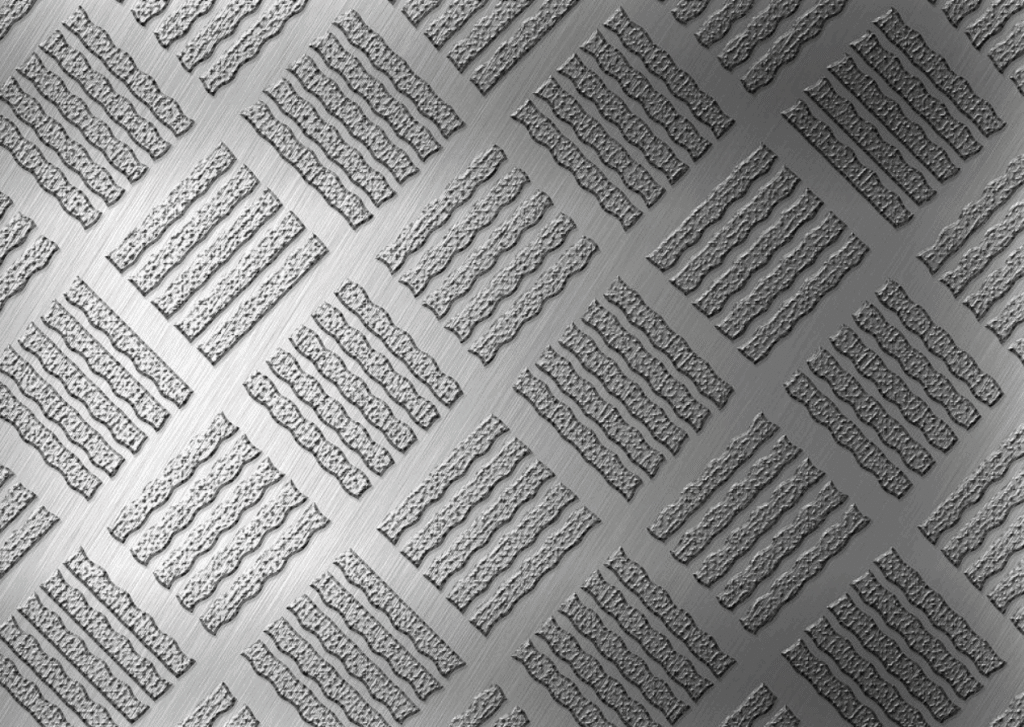
Q3:Yes. Most suppliers support full customization of dimension, thickness and pattern. Custom widths, lengths and pattern styles (diamond, grid, customized logos) are available per project requirements. Prior to customization, confirm production lead time, extra processing cost and detailed parameters with suppliers to avoid dimensional deviations.

A4:How to maintain steel floor plate to prolong service life?
Q4:Daily maintenance is simple with three key precautions:① Regular cleaning to remove accumulated oil and debris. Clean with water or neutral detergents, and avoid corrosive cleaning agents.② Prevent scratches from sharp objects, especially on galvanized and painted surfaces. Timely repair scratched areas with anti-rust paint to avoid rusting.③ Periodic inspection: Check panel joints, surface coatings and supporting brackets monthly for loosening, peeling or instability for timely maintenance. For elevated steel floor plates, inspect underlying cables regularly to prevent winding and extrusion damage, and conduct comprehensive cable arrangement maintenance annually.
A5:What is the minimum order quantity (MOQ)?
Q5:MOQ varies by supplier. Standard-sized conventional-thickness steel floor plate usually has a wholesale MOQ of 1–5 tons. Small-batch orders below 1 ton are available via online platforms from partial suppliers with single-piece ordering at higher unit prices. Customized products generally require an MOQ above 5 tons.
9. Conclusion
Steel floor plate is an indispensable functional material across industrial, construction and transportation industries, characterized by anti-slip performance, high load capacity, durability and high customizability.
Proper selection relies on matching product parameters with on-site application demands, with comprehensive consideration of type, specifications, material grade and pricing.
For further supplier information and customized quotations, please leave an inquiry with Tonghui for professional and timely responses.
References
- ASTM International. ASTM A786/A786M-15(2021) Standard Specification for Hot-Rolled Carbon, Low-Alloy, High-Strength Low-Alloy, and Alloy Steel Floor Plates[EB/OL]. 2025-09-24.
- API2W-50 丨 API2W-60 丨 APIspec2W-2006. 2025-05-18.



 English
  Spanish
  Afrikaans