
Level 4 steel plates are among the highest-grade rifle-resistant hard armor plates certified under the NIJ system. Known for their durability and cost-effectiveness, they are widely used in civilian protection, law enforcement, military operations, and other high-threat scenarios, making them a top choice for users seeking maximum ballistic protection. This article provides a comprehensive overview of Level 4 steel plates, covering their basics, core properties, material comparisons, purchasing guidelines, usage, and frequently asked questions.
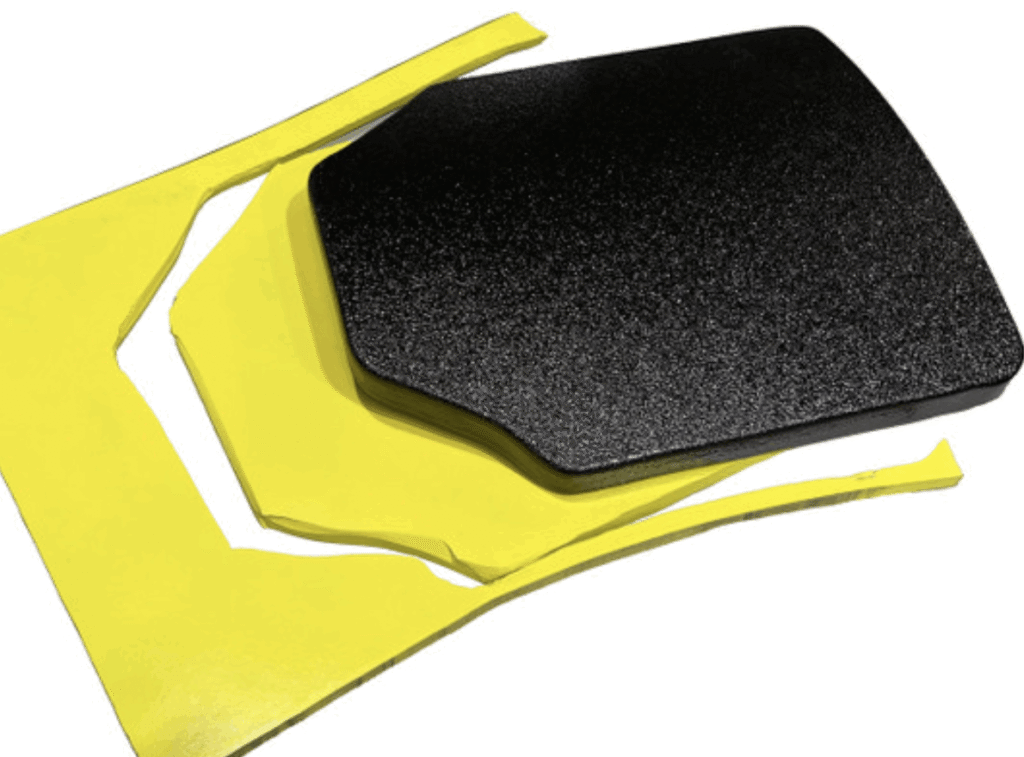
1. What Are Level 4 Steel Plates?
Level 4 steel plates, also known as Level IV ballistic steel plates, are high-hardness armor plates developed in compliance with the US National Institute of Justice (NIJ) Standard 0101.06. As rigid protective materials, they differ from soft body armor and must be used with plate carriers. Their primary function is to stop high-power rifle rounds, especially armor-piercing ammunition, making them one of the most popular Level IV protective materials available.
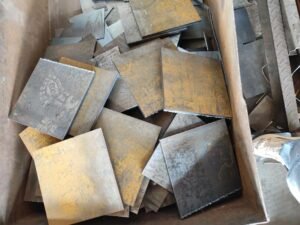
Unlike ordinary steel plates, Level 4 steel plates undergo specialized heat treatment and are alloyed with precise ratios of iron, carbon, chromium, molybdenum, nickel, and other elements to drastically increase hardness and impact resistance. They reliably defeat high-threat rifle rounds and perform reliably across diverse environments.
NIJ 0101.06 Standard Explained
The NIJ is the world’s leading certification body for ballistic protective equipment. Its NIJ 0101.06 standard is the primary compliance benchmark for Level 4 steel plates and a critical factor when purchasing—only products that pass this standard qualify as legitimate Level IV armor.
Under NIJ 0101.06, a Level 4 steel plate must:
- Stop a single 166-grain .30-06 M2 AP armor-piercing round (velocity 2880 ft/s) at a distance of 15 meters or less
- Remain fully intact with no perforation or excessive deformation
- Pass additional testing for spall resistance, high and low-temperature stability, etc.
Products labeled “Level 4” without NIJ certification carry serious safety risks, including potential penetration or fragmentation, and should be avoided entirely.
Compared to older standards, NIJ 0101.06 raises performance requirements, defines baseline multi-hit protection, and imposes strict limits on backface deformation to reduce the risk of blunt trauma injury—key advantages over generic protective steel plates.
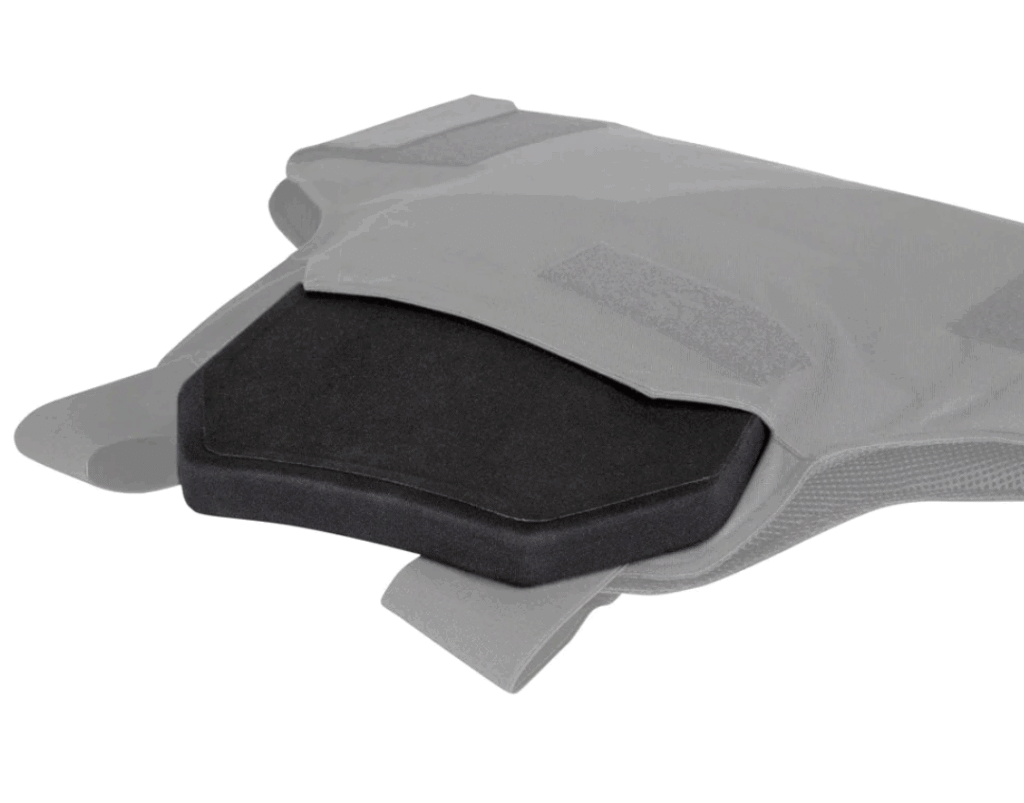
2. Core Specifications of Level 4 Steel Plates
- Hardness: Typically ≥ 600 HBW, usually made of martensitic or hardened alloy steel, enhanced through quenching and tempering for superior penetration resistance.
- Thickness & Weight: Commonly 6.5mm–12mm; greater thickness improves protection but increases weight. A standard 10×12-inch plate weighs approximately 8–10 lbs (3.6–4.5 kg) per piece, heavier than ceramic or polyethylene alternatives.
- Dimensions: Most commonly 10×12 inches (front/back) and 6×6 inches (side plates). Custom sizes such as 11×14 inches and multi-curve designs are also available for improved ergonomics and comfort.
- Protective Coverage: Certified to defeat 7.62×63mm M2 AP (.30-06 AP), 5.56×45mm M855 steel-core rounds, and all lower threats covered under Level II, IIIA, and III, including most pistol and standard rifle rounds.
3. Advantages & Disadvantages of Level 4 Steel Plates
3.1 Key Advantages
- Strong Multi-Hit Performance: Unlike ceramic plates, which often require replacement after one impact, steel plates can withstand multiple high-power hits and remain serviceable if undamaged, ideal for prolonged high-risk use.
- Cost-Effective: Among Level IV materials, steel is significantly less expensive than ceramic or polyethylene, with even greater savings in bulk orders.
- Stable Ballistic Performance: High-hardness steel provides consistent protection against armor-piercing and rifle rounds, performing reliably across temperatures, humidity, and harsh environments.
- Low Maintenance: Most plates include spall liners and anti-corrosion coatings. Routine inspection of coating integrity is sufficient; no complex upkeep is required.
3.2 Limitations
- Heavy Weight: Heavier than ceramic (6–8 lbs) and polyethylene (5–7 lbs) plates, which can reduce mobility during long-duration wear.
- Blunt Trauma Risk: Energy dispersion is less efficient than ceramic; improper fitting may increase risk of rib injury, reducible with properly fitted carriers.
- Corrosion Risk: Damaged coatings can lead to rust in humid environments, requiring regular inspection and repair.
- Limited Extreme Threat Protection: Less effective against certain ultra-high-power sniper and anti-material rounds compared to premium ceramic composite plates.
4. Level 4 Steel Plates Applications
- Civilian Use: Outdoor enthusiasts, private security personnel, and range staff where high-level protection is legal and needed.
- Law Enforcement: Police, SWAT, border security, and counter-terrorism or anti-narcotics operations.
- Military Use: Soldiers and peacekeepers in combat and high-threat field environments.
- Bulk Procurement: Distributors, security companies, and defense contractors benefit from favorable bulk pricing.
5. Level 4 Steel Plates Price
Prices vary by grade, thickness, size, certification, and coatings:
- Retail:
- Single 10×12 Level 4 steel plate: $150–$300
- Front/back set (2×10×12): $300–$600
- Custom/multi-curve: +10%–30%
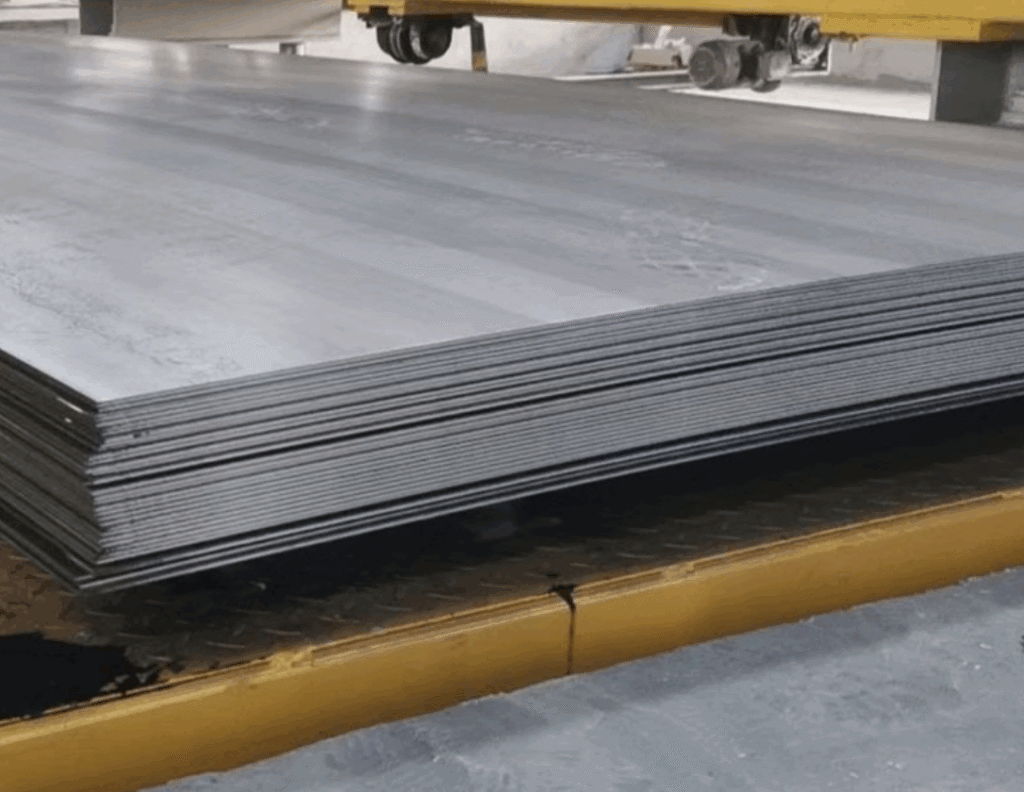
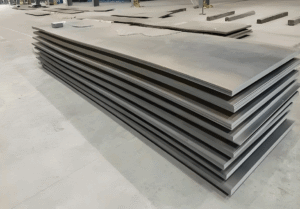
- Wholesale (10 tons+): $480–$650 per ton, negotiable based on material (AR500, Armox 500 Pro), thickness, and coatings.
Key Price Factors
- Material grade (premium alloys cost more)
- Thickness
- NIJ certification (adds 20%–50%)
- Coating type (spall + anti-corrosion vs. basic coating)
6. Level 4 Steel vs. Other Level IV Armor Materials
Comparison Table of Core Dimensions
| Comparison Dimensions | Level 4 Steel Plates | Level 4 Ceramic Plates | Level 4 Polyethylene Plates |
| Weight | Heavier (8-10lbs per plate) | Medium (6-8lbs per plate) | Lightest (5-7lbs per plate) |
| Multi-hit Protection | Strong (can withstand multiple impacts) | Weak (must be replaced immediately after being hit) | Medium (some can withstand 2-3 impacts) |
| Price | Lowest (more advantageous for bulk purchase) | Medium | Highest |
| Mobility | Poor | Medium | Best |
| Maintenance Difficulty | Low (only regular coating inspection is required) | High (fragile, need to avoid collision) | Medium (avoid high temperature and sharp impact) |
| Application Scenarios | Military, Law Enforcement, Bulk Purchase | Civilian, Law Enforcement (with certain weight requirements) | Civilian, Special Operations (with high mobility requirements) |
Selection Guide
- Choose Level 4 steel: Budget-conscious users needing multi-hit performance where weight is less critical (fixed security, base defense, bulk orders).
- Choose ceramic: Balanced protection and mobility for patrol, outdoor operations, and law enforcement.
- Choose polyethylene: Maximum light weight for special operations, long missions, and high-mobility needs.
7. Level 4 Steel Plates Usage & Maintenance Tips
- Usage: Use a properly sized plate carrier for a snug fit. Avoid sharp impacts, excessive heat, and rough physical strain that could deform the plate or damage coatings.
- Maintenance: Inspect coatings monthly; repair chips or scratches promptly. Wipe clean after use and store in dry conditions.
- Storage: Keep in a cool, dry, ventilated area, preferably in a protective bag, away from moisture, acids, and alkalis.
- After Impact: Inspect for bending, cracking, or severe damage; replace if compromised.
8. FAQ
Q1: What bullets can Level 4 steel plates stop?
A1: Per NIJ 0101.06, they defeat .30-06 M2 AP, 5.56 M855, and all lower-level threats (pistol rounds, standard rifle rounds). They are not designed for certain large-caliber sniper rounds.
Q2: Are Level 4 steel plates legal for civilian use?
A2: Yes, where permitted by local laws. Suitable for civilians with high-protection needs. Always purchase NIJ-certified products.
Q3: Can Level 4 steel plates be reused?
A3: Yes. They support multi-hit use if undamaged. Replace if bent, cracked, or coating is severely compromised.
9. Conclusion
Level 4 steel plates offer exceptional durability, multi-hit performance, and cost efficiency in the Level IV armor category, making them ideal for military, law enforcement, and civilian high-protection applications. While heavier than alternative materials, they remain a practical choice for users prioritizing reliability and value.
Always prioritize NIJ 0101.06 certified products and perform regular maintenance to ensure long service life and consistent protection.
Reference Source
- Official document of the National Institute of Justice (NIJ) in the United States: “NIJ Standard 0101.06 Ballistic Resistance of Body Armor” (latest version in 2026), with core reference to Level 4 protection standards, testing requirements, and certification specifications.
- Industry professional information: “Technical Manual for Bulletproof Armor Materials”, referring to the material characteristics, heat treatment process, core parameter standards, and performance comparison with other material protective plates of Level 4 steel plate.




 English
  Spanish
  Afrikaans