
Cold Rolled Steel Plate is one of the most widely used metal materials in modern manufacturing. Thanks to its excellent surface finish, high dimensional accuracy, superior formability, and consistent mechanical properties, cold rolled steel plates are extensively used in automotive manufacturing, home appliance production, machinery fabrication, electrical enclosures, architectural decoration, and precision component processing.
This article provides a comprehensive overview of Cold Rolled Steel Plate, including its definition, manufacturing process, key properties, specifications, industry standards, applications, and purchasing recommendations, helping buyers and engineers better understand this essential material.
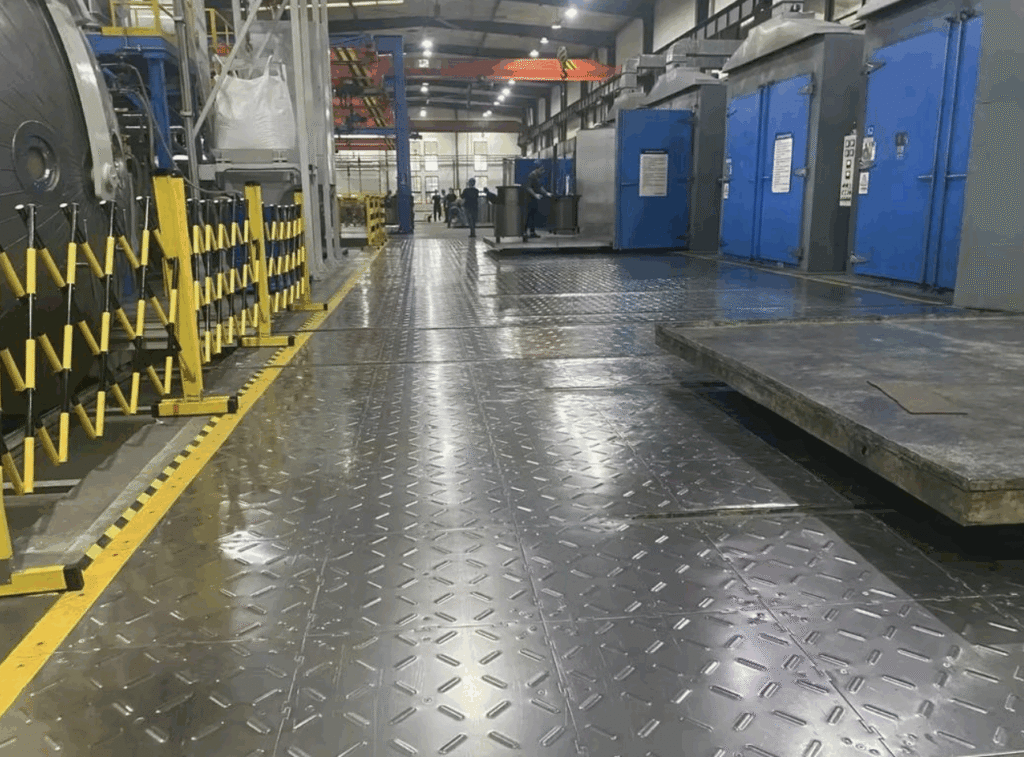
What Is Cold Rolled Steel Plate?
Cold Rolled Steel Plate is produced from hot rolled steel coils that undergo a pickling process to remove surface scale before being further reduced in thickness through rolling mills at room temperature.
Compared with hot rolled steel plates, cold rolled steel plates undergo additional processing, resulting in:
- Higher dimensional accuracy
- Smoother surface finish
- Better mechanical properties
- Improved formability
Cold Rolled Steel Plate Manufacturing Process
The production of cold rolled steel plates typically involves the following steps:
1. Hot Rolled Coil Preparation
Hot rolled steel coils are used as the base material.
2. Pickling
Acid solutions are used to remove surface oxides and scale, improving the quality of subsequent processing.
3. Cold Rolling
The steel is passed through rolling mills at room temperature to further reduce its thickness and improve dimensional precision.
4. Annealing
Annealing eliminates work hardening caused by cold deformation and restores ductility and formability.
5. Temper Rolling (Skin Passing)
A light rolling process improves flatness, surface quality, and dimensional consistency.
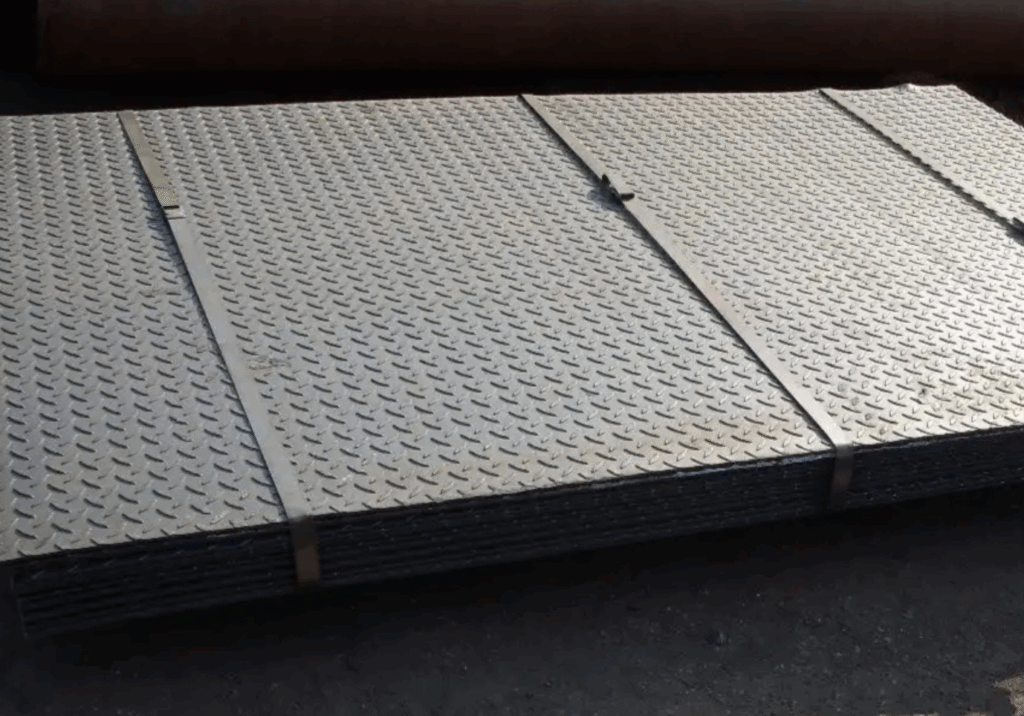
Key Advantages of Cold Rolled Steel Plate
Cold rolled steel plates are preferred across many industries because of their outstanding performance characteristics.
1. High Dimensional Accuracy
The cold rolling process allows precise thickness control.
Typical thickness tolerances can reach:
- ±0.02 mm
- ±0.05 mm
This makes cold rolled steel ideal for precision manufacturing applications.
2. Excellent Surface Quality
Cold rolled steel plates feature smooth and clean surfaces with little or no mill scale.
Benefits include:
- Easier painting and coating
- Improved electroplating performance
- Enhanced product appearance
As a result, they are widely used in automotive body panels and home appliance housings.
3. Higher Strength
Work hardening occurs during the cold rolling process, leading to:
- Higher yield strength
- Higher tensile strength
- Better wear resistance
4. Excellent Formability
After annealing, cold rolled steel plates provide excellent:
- Stamping performance
- Bending capability
- Deep drawing properties
These characteristics make them suitable for manufacturing complex components.
5. Good Weldability
Most low-carbon cold rolled steel grades can be welded using:
- MIG Welding
- TIG Welding
- Resistance Spot Welding
This makes them highly suitable for automotive and sheet metal fabrication industries.
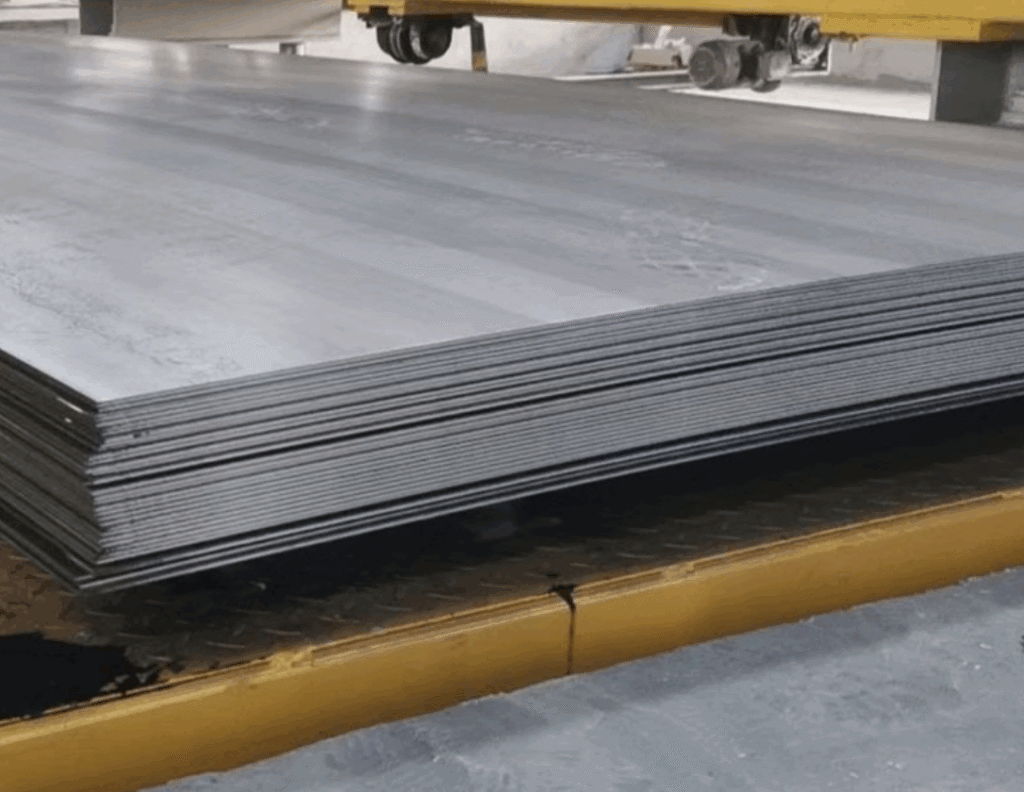
Cold Rolled Steel Plate vs. Hot Rolled Steel Plate
Many buyers compare cold rolled and hot rolled steel before selecting a material.
| Comparison Item | Cold Rolled Steel Plate | Hot Rolled Steel Plate |
|---|---|---|
| Manufacturing Process | Processed at room temperature after hot rolling | Processed at high temperatures above the steel’s recrystallization point |
| Surface Finish | Smooth, clean, and uniform | Rough surface with mill scale |
| Dimensional Accuracy | High precision and tight tolerances | Lower precision and wider tolerances |
| Strength | Higher yield strength and hardness due to work hardening | Lower strength but better ductility |
| Thickness Tolerance | More accurate and consistent | Less accurate |
| Formability | Excellent for precision forming and stamping | Suitable for general fabrication |
| Cost | Higher due to additional processing | Lower due to simpler production process |
| Typical Applications | Automotive parts, appliances, electrical enclosures, precision components | Structural steel, construction, bridges, heavy machinery |
When to Choose Cold Rolled Steel Plate
Cold rolled steel is recommended for:
- Precision components
- Visible appearance parts
- Precision stamped parts
- Electrical equipment enclosures
- Automotive body panels
When to Choose Hot Rolled Steel Plate
Hot rolled steel is recommended for:
- Structural steel fabrication
- Bridge construction
- Heavy-duty equipment
- Large machinery bases

Common Cold Rolled Steel Plate Grades and Standards
Several international standards are commonly used in the global market.
1. ASTM A1008
One of the most widely used cold rolled carbon steel standards in North America.
Features:
- Excellent formability
- Good weldability
- Widely used in automotive manufacturing
2. SAE 1010
A low-carbon steel grade known for:
- Excellent ductility
- Easy stamping and forming
Ideal for deep drawing applications.
3. SAE 1018
A medium-low carbon steel grade offering:
- Higher strength
- Good machinability
Commonly used for mechanical components.
4. SPCC
A cold rolled steel grade defined by Japanese JIS standards.
Common applications:
- Home appliances
- Precision sheet metal fabrication
- Electrical equipment
5. DC01
A European standard cold rolled steel grade under EN standards.
Features:
- Excellent surface finish
- Stable stamping performance
Widely used in export-oriented manufacturing.

Cold Rolled Steel Plate Sizes and Dimensions
Common Thickness Range
- 0.3 mm
- 0.5 mm
- 0.8 mm
- 1.0 mm
- 1.2 mm
- 1.5 mm
- 2.0 mm
- 3.0 mm
- 4.0 mm
- 6.0 mm
Common Width Range
- 600 mm
- 914 mm
- 1000 mm
- 1219 mm
- 1250 mm
- 1500 mm
Common Length Range
- 2000 mm
- 2440 mm
- 3000 mm
- 6000 mm
Custom cut-to-size services are also available upon request.
Mechanical Properties of Cold Rolled Steel Plate
The following values represent typical mechanical property ranges for low-carbon cold rolled steel.
| Property | Typical Value |
|---|---|
| Yield Strength | 210–350 MPa |
| Tensile Strength | 270–500 MPa |
| Elongation | 28%–42% |
| Hardness | HRB 50–75 |
Actual values may vary depending on the steel grade, manufacturing process, and supplier specifications. Always refer to the material test certificate (MTC) provided by the supplier for accurate data.
Major Applications of Cold Rolled Steel Plate
1. Automotive Manufacturing
Cold rolled steel is a key material in the automotive industry.
Typical applications include:
- Vehicle doors
- Engine hoods
- Seat frames
- Chassis components
2. Home Appliances
Widely used in:
- Refrigerator panels
- Washing machine housings
- Air conditioner casings
- Microwave oven shells
3. Electrical Equipment
Common applications include:
- Power distribution cabinets
- Control panels
- Electrical enclosures
Advantages:
- Smooth surface
- Easy powder coating
4. Metal Furniture
Used for manufacturing:
- Filing cabinets
- Storage lockers
- Office desks
Providing both attractive appearance and structural strength.
5. Architectural Decoration
Applications include:
- Metal ceilings
- Decorative wall panels
- Curtain wall backing structures
6. Machinery Manufacturing
Commonly used for:
- Equipment enclosures
- Protective covers
- Precision structural components

How to Choose the Right Cold Rolled Steel Plate
When purchasing cold rolled steel plates, consider the following factors.
1. Select the Appropriate Grade
Choose the steel grade based on the intended application and performance requirements.
| Application | Recommended Grade |
|---|---|
| Deep Drawing and Stamping | SAE 1010, SPCC |
| General Sheet Metal Fabrication | ASTM A1008 |
| Mechanical Parts and Components | SAE 1018 |
| Export Products and European Market Applications | DC01 |
2. Choose Thickness Based on Load Requirements
Light-Duty Structures:0.8–1.5 mm
Medium-Duty Structures:2.0–4.0 mm
Heavy-Duty Structures:Above 4.0 mm
3. Consider Surface Requirements
General Industrial Applications:Standard cold rolled steel plate
Visible Appearance Parts:High surface-quality cold rolled steel plate
Corrosion-Resistant Applications:Galvanized cold rolled steel plate

What Factors Affect Cold Rolled Steel Plate Prices?
Cold rolled steel prices fluctuate according to market conditions.
The main factors include:
1、Raw Material Costs
Changes in iron ore and steel billet prices directly affect steel plate pricing.
2、Steel Grade
High-strength steel grades generally cost more than standard carbon steel grades.
3、Thickness Specifications
Thinner gauges require more precise processing and often command higher prices.
4、Surface Treatments
Additional processing such as galvanizing, painting, or coating increases production costs.
5、Purchase Volume
Bulk orders typically receive more competitive pricing.
Frequently Asked Questions (FAQ)
1、What is Cold Rolled Steel Plate?
Cold Rolled Steel Plate is steel that has been further processed from hot rolled steel through cold reduction at room temperature, resulting in higher precision and superior surface quality.
2、Is Cold Rolled Steel Stronger Than Hot Rolled Steel?
In most cases, yes. The cold rolling process increases both strength and hardness through work hardening.
3、Can Cold Rolled Steel Be Welded?
Yes. Most low-carbon cold rolled steel grades offer excellent weldability.
4、Is Cold Rolled Steel Suitable for Outdoor Use?
Untreated cold rolled steel is not recommended for long-term outdoor exposure. Galvanized or coated steel should be used for corrosion protection.
5、What Are the Most Common Thicknesses of Cold Rolled Steel Plate?
The most commonly used thicknesses are:
- 0.8 mm
- 1.0 mm
- 1.2 mm
- 1.5 mm
- 2.0 mm
6、Why Is Cold Rolled Steel More Expensive Than Hot Rolled Steel?
Cold rolled steel requires additional processing steps, including pickling, cold reduction, annealing, and temper rolling, which increase manufacturing costs.
Conclusion
With its superior surface finish, high dimensional accuracy, excellent formability, and reliable mechanical properties, Cold Rolled Steel Plate has become a fundamental material in industries such as automotive manufacturing, home appliances, electrical equipment, machinery production, and architectural construction.
For buyers, key considerations include steel grade, thickness, mechanical properties, surface treatment requirements, and supplier qualifications. For manufacturers, selecting the right cold rolled steel plate can improve product quality while reducing processing costs and production risks.
Whether you choose ASTM A1008, SAE 1018, SPCC, or DC01, working with a qualified supplier that offers certified quality control and stable supply capabilities is essential for project success.
If you are looking for a reliable Cold Rolled Steel Plate supplier, feel free to contact Tonghui for professional support and competitive quotations.
References
- ASTM International — ASTM A1008/A1008M Standard Specification for Cold-Rolled Steel Sheet.
- SAE International — SAE J403 Chemical Compositions of SAE Carbon Steels.
- JIS G3141 — Cold-Reduced Carbon Steel Sheet and Strip.
- EN 10130 — Cold Rolled Low Carbon Steel Flat Products for Cold Forming.




 English
  Spanish
  Afrikaans