
4×4 steel plate refers to a standard square steel plate of 4 inches × 4 inches, a commonly used consumable in industrial production, DIY projects, off-road vehicles, construction and other fields. This article provides a comprehensive and professional guide covering core specifications, selection tips, purchasing channels, application scenarios and usage techniques.

I. Core Specifications of 4×4 Steel Plate
Size Details: Standard 4×4 inches (101.6×101.6 mm), with tolerances conforming to the requirements of GB/T 709 Hot Rolled Steel Plates and Sheets – Dimensions, Shape, Weight and Permissible Deviations. Non-standard sizes (e.g., different side lengths, rounded corner designs) can be customized per user requirements.
Thickness Options: Common thicknesses include 1/8 inch (3.175 mm), 3/16 inch (4.7625 mm) and 1/4 inch (6.35 mm), suitable for different scenarios to meet precise selection needs:
- 3/16 inch thick version offers the best cost performance, ideal for DIY welding practice and small bracket fabrication, making it the top choice for individual users.
- 1/4 inch thick version features higher strength, suitable for heavy-duty applications such as industrial structural supports, machine bases and off-road vehicle skid plates.
- 1/8 inch thick version is lightweight, perfect for lightweight DIY projects (e.g., handmade crafts).
II. Material Classification of 4×4 Steel Plate
- Carbon Steel (A36, Q235, Q345, etc.): The most widely used material in the industry, cost-effective with excellent weldability, complying with GB/T 3274-2017 Hot-Rolled Plates and Sheets of Carbon Structural Steels and High-Strength Low-Alloy Structural Steels. Its yield strength and tensile strength meet general application requirements, making it the preferred material for both individuals and enterprises in industrial structural supports, DIY welding, automotive protection and most other scenarios.
- Stainless Steel (304, 316, 321, etc.): Corrosion-resistant, high-temperature resistant and non-rusting, suitable for high-temperature, humid and corrosive environments (e.g., marine components, food industry, long-term outdoor use). 304 stainless steel adapts to general corrosive environments, 316 stainless steel offers stronger corrosion resistance for marine, chemical and other highly corrosive environments, and 321 stainless steel excels in high-temperature resistance for high-temperature working conditions. Priced higher than carbon steel, it is designed for users with special environmental requirements.
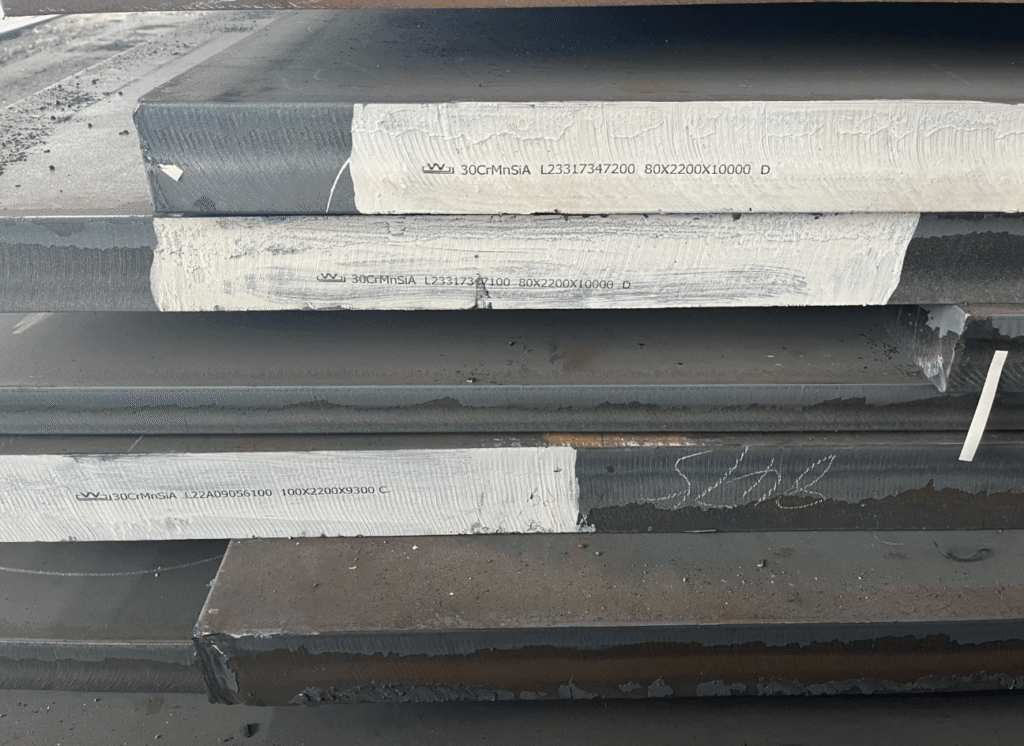
III. Surface Treatment of 4×4 Steel Plate
- Hot-rolled & pickled: Smooth surface free of scale, facilitating welding, suitable for DIY welding and industrial processing.
- Sandblasted: Rough surface to enhance coating adhesion, ideal for subsequent painting and spraying to improve rust resistance.
- Painted: Ready for use with inherent rust protection, no further processing required, suitable for short-term outdoor applications.
- Galvanized (hot-dip galvanizing / electro-galvanizing): Excellent rust resistance, suitable for long-term outdoor and humid environments.
IV. Price of 4×4 Steel Plate
- Retail Price: A single 4×4 steel plate (3/16 inch thick, A36 carbon steel) is priced at approximately $2.45–$33 (17–230 RMB) on international retail platforms. Small packs (4-pack / 10-pack) cost around $9.99–$33 (70–230 RMB).
- Wholesale Price:
- Carbon steel (A36, Q235): approx. $1.73–$2.42/kg (12–17 RMB/kg)
- Stainless steel (304, 321): approx. $1,500–$2,500/ton (10,500–17,500 RMB/ton)
- Manganese steel: approx. $2.54–$3.53/kg (18–25 RMB/kg)
Prices vary significantly depending on material, thickness, order quantity, surface treatment and delivery time.

V. Application Scenarios of 4×4 Steel Plate
- DIY & Welding Practice: Used as welding test coupons for beginners to practice MIG and TIG welding processes. The 3/16 inch thick A36 carbon steel 4×4 plate is the first choice, reusable and cost-effective. It can also be fabricated into small brackets, handmade crafts, pet cages, flower pot stands and more for home and workshop use.
- Industry & Construction: Applied to structural supports, machine bases, equipment supports, platform treads, etc. Q345/A36 carbon steel 4×4 plates of 1/4 inch or thicker are preferred, complying with GB/T 3274-2017 to ensure structural strength and stability for factories, construction sites, mining equipment and other settings.
- Off-Road Vehicle Protection: Used as chassis skid plates, engine guards and differential guards for 4×4 off-road vehicles, compatible with models such as Jeep Wrangler, Dacia Duster and Hilux. Manganese steel or thick carbon steel of 3 mm or above with galvanized or painted anti-corrosion treatment is recommended, effectively protecting the vehicle chassis from impact by rocks and sediment and extending service life.
VI. Usage Tips for 4×4 Steel Plate
Welding Tips
- Carbon steel 4×4 plates can be welded via MIG, TIG, manual arc welding and other methods. Clean surface scale and rust before welding to ensure firmness. J422 electrodes are recommended with a welding current of 100–120 A.
- Stainless steel 4×4 plates require dedicated stainless steel electrodes (e.g., A102). Control temperature during welding to avoid intergranular corrosion, clean slag after welding, and perform passivation to enhance corrosion resistance.
- Manganese steel 4×4 plates are difficult to weld, requiring low-hydrogen electrodes and preheating to 200–300°C before welding to prevent cracking.
Installation Tips
- For vehicle skid plate installation: clean the vehicle chassis surface, align mounting holes and fasten with high-strength bolts to ensure a tight fit without looseness to avoid noise during driving. Sealant can be applied for improved rust resistance.
- For structural support installation: ensure secure fixation via welding or bolting as needed. Thick plates may be used with brackets for enhanced stability.
Maintenance Methods
- Carbon steel 4×4 plates require regular anti-rust treatment (painting or galvanizing). Inspect and touch up paint every 6–12 months for outdoor use.
- Stainless steel 4×4 plates need minimal maintenance; wipe with clean water regularly and avoid contact with corrosive substances (strong acids, alkalis) to prolong service life.
- Manganese steel 4×4 plates should avoid long-term immersion in humid environments. Inspect surface wear regularly and repair promptly to ensure safety.

VII. Frequently Asked Questions
Q1: What thickness of 4×4 steel plate is best for welding practice?
A: The 3/16 inch (4.7625 mm) thick A36/Q235 carbon steel 4×4 plate is highly recommended. It is cost-effective, easy to weld, reusable, and optimal for DIY welding beginners.
Q2: Are 4×4 stainless steel plates suitable for outdoor use?
A: Yes. 304/316 stainless steel 4×4 plates are corrosion-resistant and non-rusting, ideal for direct outdoor use. 316 stainless steel, with superior corrosion resistance, is especially suited for humid outdoor and coastal high-corrosion environments, with a service life of over 10 years.
Q3: What is the minimum order quantity for wholesale 4×4 steel plates?
A: The standard MOQ ranges from 500 kg to 5 tons, varying by supplier. Some suppliers (e.g., select merchants on Alibaba) accept orders starting at 1 ton. Enterprise users may negotiate based on purchase volume — unit prices decrease with larger orders. Suppliers such as Wugang Zongwei Materials Co., Ltd. offer flexible MOQ adjustments.
References
- GB/T 3274-2017 Hot-Rolled Plates and Sheets of Carbon Structural Steels and High-Strength Low-Alloy Structural Steels: The core reference for material, specification and quality requirements of 4×4 steel plates in this article, applicable to hot-rolled carbon and high-strength low-alloy steel plates with thickness ≤ 400 mm. All carbon steel and low-alloy steel parameters herein comply with this standard.
- GB/T 709-2019 Hot Rolled Steel Plates and Sheets – Dimensions, Shape, Weight and Permissible Deviations: National standard specifying dimensional tolerances, shape and weight deviations for hot-rolled steel plates, used as the reference for standard sizes and tolerance ranges to ensure accuracy.
- GB/T 700-2006 Carbon Structural Steels: National standard defining grades, chemical compositions and mechanical properties of carbon structural steels, referenced for A36, Q235, Q345 and other carbon steel parameters to ensure professional and accurate material descriptions.




 English
  Spanish
  Afrikaans