
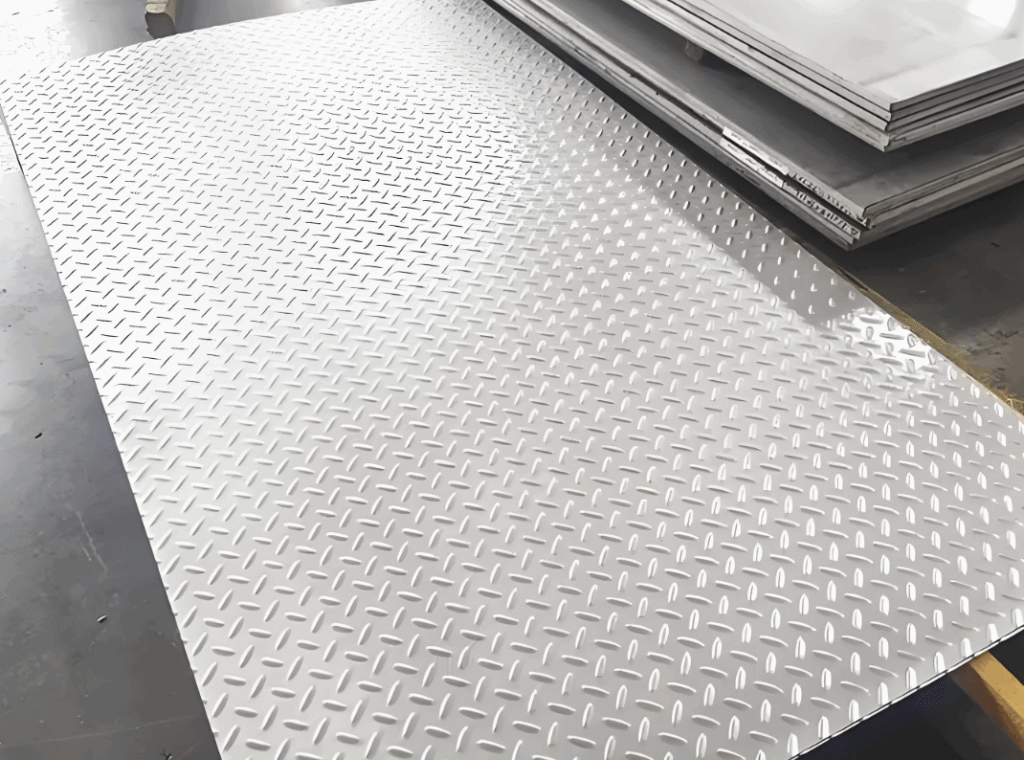
Stainless Steel Checker Plate, also known as stainless steel diamond plate or stainless steel tread plate, is a stainless steel sheet with raised patterns on the surface and a flat back. This article provides a comprehensive overview of stainless steel checker plates, covering basic knowledge, type selection, application scenarios, purchasing guides, and comparisons with alternative products.

1. What is a Stainless Steel Checker Plate?
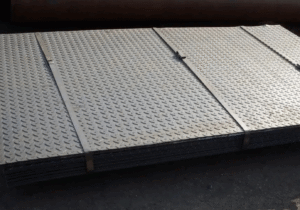
A stainless steel checker plate is made from stainless steel as the base material, with raised patterns pressed onto the surface via hot rolling or cold rolling. Its core structure consists of a “patterned surface + flat back”. The patterned design not only improves the anti-slip performance of the sheet but also enhances its visual appeal. Its core properties stem from the dual advantages of stainless steel and the patterned structure, as detailed below:
- Anti-slip Performance: The raised surface patterns significantly increase friction, boosting the dry friction coefficient by 10%–15%. It is especially suitable for wet, oily, and slippery environments, effectively ensuring the safety of personnel and equipment and preventing slip accidents—one of its most critical functional advantages.
- Corrosion Resistance: Thanks to the inherent properties of stainless steel, it resists corrosion from air, water, acids, alkalis, and other media. Grade 304 and 316 stainless steel offer exceptional corrosion resistance, maintaining stable performance even in harsh environments such as humid, chemical, and marine settings without frequent maintenance, with a service life of several decades.
- Durability: Stainless steel features high strength and good toughness, resisting deformation and wear. Compared to aluminum checker plates, its raised patterns wear 2–3 times slower, making it suitable for heavy-duty and high-frequency applications without easy damage.
- Aesthetic Appeal: Available in a wide range of patterns with customizable surface finishes, it combines practicality and visual appeal. It meets anti-slip needs while enhancing the visual texture of spaces, making it ideal for decorative applications.
- Easy Cleaning: The smooth, gap-free surface resists dust and oil buildup. Routine cleaning only requires wiping with water or neutral detergent, resulting in extremely low maintenance costs—particularly suitable for food processing, medical, and other high-hygiene environments.
Compared to ordinary stainless steel sheets, the biggest difference of stainless steel checker plates is their anti-slip function. Ordinary stainless steel sheets have smooth surfaces and are prone to slipping, while checker plates compensate for this shortcoming with raised surface designs while retaining all the advantages of stainless steel, making them suitable for a wider range of applications.
2. Types of Stainless Steel Checker Plates
Selection is the core link in purchasing and applying stainless steel checker plates. Differences in pattern, material grade, and processing technology directly determine their suitability, service life, and procurement cost. Below is a detailed introduction to product characteristics and applicable scenarios across three core dimensions: pattern style, material grade, and processing technology, along with selection comparisons for quick matching to your needs.
2.1 Classification by Pattern Style
Pattern style is key to determining the anti-slip performance and decorative effect of stainless steel checker plates. There are 5 common patterns in the industry, with 3 specified in national standards along with their corresponding codes. Each pattern is suited for different scenarios:
- Diamond Pattern (National Standard Code L): The most common and widely used pattern, featuring a diamond shape with excellent drainage, high aesthetics, and superior anti-slip performance. Suitable for most general applications such as industrial flooring, stair treads, vehicle pedals, and building platforms. It is the preferred choice for procurement, accounting for over 70% of the market.
- Linear/Tread Pattern: Features long strip-shaped patterns with strong directional anti-slip properties. Ideal for scenarios requiring directional walking, such as industrial walkways, ramps, and sides of conveyor belts, effectively guiding pedestrian flow while enhancing anti-slip effects—especially for heavy-duty applications.
- Bean Pattern (National Standard Code Y): Round bean-shaped patterns with a soft touch, balancing anti-slip performance and easy cleaning with good decorative appeal. Suitable for scenarios requiring aesthetics and hygiene, such as food processing workshops, commercial kitchens, public staircases, and medical operating room floors.
- Multi-bar Pattern: Composed of multiple parallel stripes with outstanding omnidirectional anti-slip performance, high wear resistance, and impact resistance. Suitable for heavy industry, offshore platforms, mining equipment, and other high-wear, high-risk environments, withstanding heavy loads while retaining long-term anti-slip properties.
- Custom Pattern: Custom-shaped and sized patterns (e.g., company logos, special textures) for high-end decoration and special equipment. Customization requires prior communication with manufacturers, with a typical lead time of 7–10 days.
Note: Minor patterns such as rice grain and willow leaf patterns are also available for special decorative uses. The standard pattern height is 0.5–0.7 times the sheet thickness; higher patterns can be customized for heavy-duty applications requiring enhanced anti-slip performance.

2.2 Classification by Material Grade
Material grade is the core factor determining corrosion resistance, strength, and service life. Commonly used grades include 201, 304, and 316, along with minor grades such as 430. Their characteristics and applications vary significantly:
- Grade 201 Stainless Steel Checker Plate: The most cost-effective option with a lower price and moderate corrosion resistance. Suitable for ordinary, non-corrosive, light-duty applications such as interior decoration and general stair treads. Not recommended for humid, acidic/alkaline, or marine environments. Ideal for budget-restricted projects.
- Grade 304 Stainless Steel Checker Plate: The most widely used grade, balancing corrosion resistance and cost-effectiveness. It resists air, water, and weak acid/alkali corrosion, is easy to fabricate and form, and suits most industrial, commercial, and civil applications such as industrial workshops, building curtain walls, garage floors, and standard food processing facilities. It is the universal choice, accounting for over 60% of the market.
- Grade 316 Stainless Steel Checker Plate: The most corrosion-resistant grade, with molybdenum added to enhance resistance to strong acids, alkalis, and chloride ions. Suitable for highly corrosive, high-demand environments such as offshore platforms, chemical workshops, high-hygiene food processing facilities, and medical equipment. It carries a higher price tag and is the top choice for harsh environments.
2.3 Classification by Processing Technology
Stainless steel checker plates are produced via two main processes: hot rolling and cold rolling, which differ greatly in production flow, precision, appearance, cost, and applications. They can be distinguished visually and by touch:
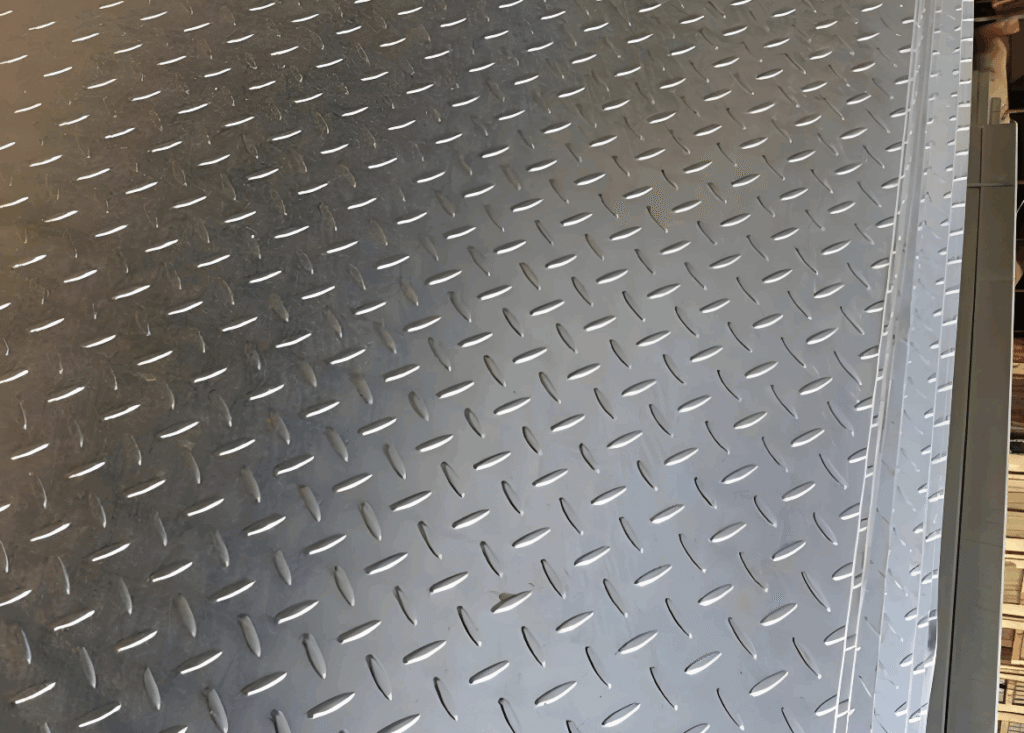
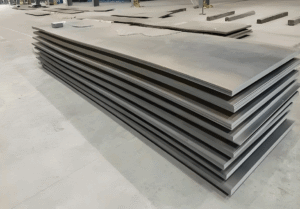
- Hot-rolled Checker Plate: Produced by heating stainless steel to high temperatures and pressing patterns via patterned rollers.Key features: Rough surface with dark gray oxide scale (removable), slightly blunt pattern edges, uneven color; wide thickness range (commonly 3.0–12.0 mm, up to 20 mm), mainly medium-heavy plates; high toughness, strength, and impact resistance; lower cost (15%–40% cheaper than cold-rolled plates of the same specification).Applications: Heavy-duty scenarios with low precision/aesthetic requirements, such as industrial floors, truck beds, outdoor platforms, and heavy machinery platforms.
- Cold-rolled Checker Plate: Produced by pressing patterns directly onto cold-rolled stainless steel at room temperature without heating.Key features: Smooth, fine surface free of oxide scale, bright silver metallic luster, sharp and clear patterns, uniform color; thin thickness (commonly 1.0–3.0 mm, rarely exceeding 4.0 mm), mainly thin plates; high precision with narrow thickness tolerance (±0.1–0.2 mm for 2.0 mm sheets), good flatness, easy fabrication and forming for complex shapes; higher cost.Applications: Scenarios requiring high precision and aesthetics, such as building decoration, interior stairs, equipment panels, and high-end finishes.
Note: Hot-rolled plates require shot blasting or pickling to remove oxide scale before use to avoid reduced corrosion resistance. Cold-rolled plates are ready for direct use with no additional treatment and a smoother surface (Ra 0.8–1.6 μm) for better appearance.

3. Price of Stainless Steel Checker Plates
Prices are affected by material, thickness, process, specification, order quantity, surface finish, and market conditions. The latest price range for 2026 is as follows:
- By Material Grade:
- Grade 201 (Low-end): 80–120 RMB/kg
- Grade 304 (Mid-range): 120–180 RMB/kg
- Grade 316 (High-end): 180–280 RMB/kgPrice differences stem from corrosion resistance and raw material costs, with Grade 316 significantly more expensive due to molybdenum content.
- By Thickness: Prices increase with thickness. For example, Grade 304 diamond pattern with 2B finish: ~120 RMB/kg for 1 mm, ~150 RMB/kg for 5 mm, ~180 RMB/kg for 10 mm. Thinner sheets cost more per kilogram due to higher processing difficulty.
- By Processing Technology: Cold-rolled plates are 15%–40% more expensive than hot-rolled plates of the same material and specification. For example, Grade 304, 5 mm thick diamond pattern: ~140 RMB/kg for hot-rolled, ~180 RMB/kg for cold-rolled.
- Additional Cost Factors: Surface finishes (mirror, brushed add 10–20 RMB/kg vs. 2B finish); order quantity (5%–10% discount for orders ≥1 ton); customization (10%–30% surcharge for custom patterns/sizes); extra coatings (galvanizing, painting increase costs).
Note: Minimum Order Quantity (MOQ): Most suppliers require 1 ton or 1 full sheet. Small orders (<1 ton) carry higher prices with no bulk discounts. Consolidating orders for bulk purchasing is recommended to reduce costs.
4. Specifications of Stainless Steel Checker Plates
Specifications directly determine suitability, with core parameters defined in the national standard GB/T 3277-2015:
- Thickness: Common range 0.3–10 mm, with 3–6 mm as the most widely used for general applications. 0.3–1 mm for decoration/light panels; 7–10 mm for heavy-duty, high-impact scenarios. Thickness tolerance: ±0.3–0.5 mm for hot-rolled plates, ±0.1–0.2 mm for cold-rolled plates.
- Dimensions: Standard widths: 1220 mm, 1500 mm, 1800 mm; standard lengths: 2440 mm, 3000 mm, 6000 mm. Custom sizes (e.g., 1800 mm × 12000 mm) are available at an extra cost.
- Surface Finish: Common options include No.1 (hot-rolled, rough), 2B (cold-rolled, smooth), mirror (high-gloss decoration), brushed (matte, easy to clean), and passivation (enhanced corrosion resistance). Food processing applications require passivated plates; decoration uses mirror or brushed finishes.
- Pattern Height: Standard height = 0.5–0.7 × sheet thickness. Custom heights are available for heavy-duty needs (e.g., Grade 304 diamond pattern, 5×1500×6000 mm, pattern height 3 mm).
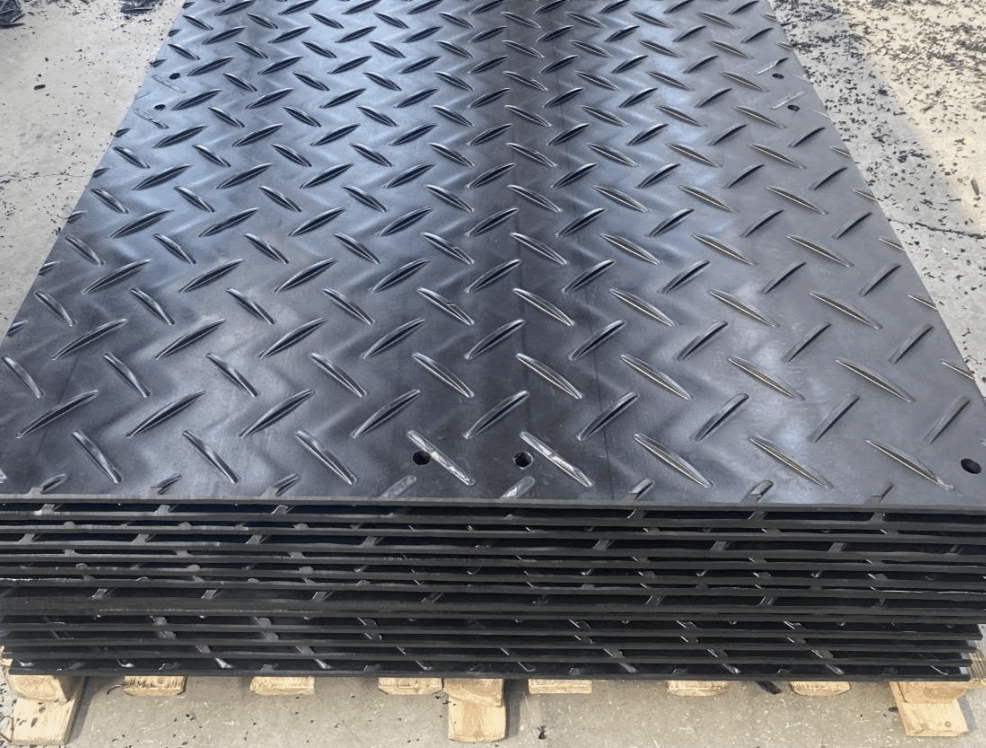
5. Applications of Stainless Steel Checker Plates
5.1 Industrial Sector
The primary application field, focusing on safety, harsh environment resistance, and heavy load capacity:
- Industrial Floors/Walkways/Ramps: Chemical, machinery, mining, and warehouse floors. Recommended: diamond/multi-bar patterns, Grade 304/316, thickness 5–8 mm (10 mm for heavy loads), hot-rolled (heavy-duty) or cold-rolled (light-duty/high-precision).
- Industrial/Offshore Platforms: Equipment platforms and offshore drilling rigs. Recommended: multi-bar/diamond patterns, Grade 316 (offshore) / 304 (general), thickness 6–10 mm, hot-rolled.
- Equipment Panels/Guards: Machinery panels and guards. Recommended: linear/bean patterns, Grade 304, thickness 1–3 mm, cold-rolled.
5.2 Construction Sector
Balancing practicality and aesthetics, prioritizing anti-slip, appearance, and easy maintenance:
- Stair Treads/Corridor Floors: Commercial buildings, offices, residences, hospitals. Recommended: diamond/bean patterns, Grade 304, thickness 3–5 mm, cold-rolled (indoor) / hot-rolled (outdoor).
- Building Curtain Walls/Wall Decoration: Exterior/interior wall cladding. Recommended: custom/diamond patterns, Grade 304/316, thickness 1–3 mm, cold-rolled with mirror/brushed finish.
- Garage Floors/Ramps: Underground parking ramps and floors. Recommended: diamond/linear patterns, Grade 304, thickness 5–8 mm, hot-rolled.
5.3 Transportation Sector
For vehicles and vessels, emphasizing anti-slip, wear resistance, and impact resistance:
- Vehicle Pedals/Compartment Floors: Trucks, vans, ambulances, fire engines. Recommended: diamond/linear patterns, Grade 304, thickness 5–8 mm, hot-rolled.
- Ship Decks/Pedals: Marine decks and steps. Recommended: multi-bar/diamond patterns, Grade 316, thickness 6–10 mm, hot-rolled.
6. Buying Guide for Stainless Steel Checker Plates
Supplier selection directly impacts quality, lead time, and after-sales support. Focus on four core aspects:
- Qualifications & Certifications: Prioritize suppliers with ISO9001, CE, food contact material safety certifications, etc., ensuring compliance with industry standards.
- Production & Supply Capacity: Choose manufacturers with CNC cutting/bending equipment, sufficient inventory (≥5000 tons), short lead times (3–7 days for standard, 7–15 days for custom).
- Product Quality: Request material test reports, inspection certificates, and samples to verify pattern clarity, flatness, and corrosion resistance.
- After-sales Service: Select suppliers with 24-hour response, clear return/replacement policies, installation guidance, and good market reputation.
7. Processing & Installation Guide
Cutting Methods
- Laser Cutting: Highest precision, burr-free, ideal for batch or shaped parts.
- Plasma Cutting: Fast speed, requires grinding of heat-affected zones.
- Angle Grinder: For on-site small cuts or repairs; spark protection required.
Drilling & Bending
Use carbide drills at low speed with pressure. Calculate the minimum bending radius (typically 4× sheet thickness) to avoid pattern cracking.
Welding Recommendations
- Grade 304: ER308L welding wire
- Grade 316: ER316L welding wireUse TIG welding with back gas protection to prevent burn-through and oxidation. Pickle and passivate after welding to restore corrosion resistance.
Installation & Fixing
- Spot welding (no pattern damage)
- Countersunk bolts with lock nuts
- Special clamps (for removable platforms)
8. Comparison with Alternative Products
- vs. Aluminum Checker Plate: Lighter (1/3 density of stainless steel), more flexible, lower price than Grade 201. Suitable for lightweight, non-corrosive, light-duty applications. Disadvantages: poor wear resistance (patterns wear 2–3× faster), low strength. Stainless steel is preferred for heavy-duty/corrosive environments.
- vs. Galvanized Checker Plate: Much cheaper (30%–50% lower than Grade 201), better corrosion resistance than plain carbon steel. Suitable for budget-limited, light-corrosion, light-duty uses. Disadvantages: far lower corrosion resistance than stainless steel, shorter service life (1/3–1/2 of stainless steel).
- vs. Ordinary Stainless Steel Sheet: No anti-slip function, slightly lower price. For non-slip applications only.
- vs. Carbon Steel Checker Plate: High strength, low cost. Suitable for non-corrosive heavy-duty scenarios. Disadvantages: poor corrosion resistance, prone to rust without surface treatment.
9. FAQ
Q1: Core differences between Grade 304 and 201? Which to choose?
A1: Corrosion resistance and price. Grade 201 has moderate corrosion resistance and a low price for general indoor use. Grade 304 offers strong corrosion resistance and is suitable for most applications. Choose 304 for humid/corrosive environments; 201 for budget-limited light indoor use.
Q2: Suitable for outdoor use?
A2: Yes, but select Grade 304/316 and hot-rolled process. Grade 316 is mandatory for coastal/marine environments with passivation treatment. Avoid Grade 201 outdoors to prevent rust.
Q3: How to maintain?
A3: 1) Clean with water/neutral detergent and soft cloth; no steel wool. 2) Avoid long-term contact with strong acids/alkalis/chlorides; rinse promptly if exposed. 3) Inspect annually for scratches/corrosion; polish minor scratches, replace severely corroded sheets.
Q4: MOQ and small-order discounts?
A4: MOQ = 1 ton or 1 sheet. Small orders have higher prices with no standard bulk discounts, though some suppliers offer minor negotiable discounts for in-stock items.
Q5: Customizable patterns and sizes?
A5: Yes, most suppliers offer customization of patterns, dimensions, and finishes with a 7–15 day lead time. A deposit is required, and custom products are non-returnable.
Q6: Which pattern has the best anti-slip performance?
A6: Multi-bar pattern offers the best omnidirectional anti-slip performance for heavy industry/offshore use. Diamond pattern is excellent for general applications. Bean pattern balances anti-slip, hygiene, and aesthetics.
10. Conclusion
Stainless steel checker plate is a versatile product combining anti-slip, corrosion resistance, durability, and decoration, widely used in industrial, construction, transportation, and decorative fields. Choosing the right product ensures safety, improves space quality, reduces maintenance costs, and extends service life.
References
- GB/T 3277-2015 Checkered Steel Plates
- GB/T 3280-2015 Cold Rolled Stainless Steel Sheets and Strips
- GB/T 13912-2022 Hot Dip Galvanized Steel Sheets and Strips




 English
  Spanish
  Afrikaans